
Why do carbon steel self-tapping screws still appear in so many bills of materials?
Carbon steel self-tapping screws are those seemingly insignificant yet crucial fasteners that prevent an entire product from becoming a pile of scattered parts in the workshop during the production process. They are used because of their practicality: sharp screw heads, strong threads, and a head shape that allows the screw to be perfectly installed in the required design position. For purchasing managers, the real issue is usually not whether they are effective, but which screw type best suits the material, assembly line, and surface finish requirements, while avoiding problems such as stripped threads, unsightly screw heads, or last-minute rework.
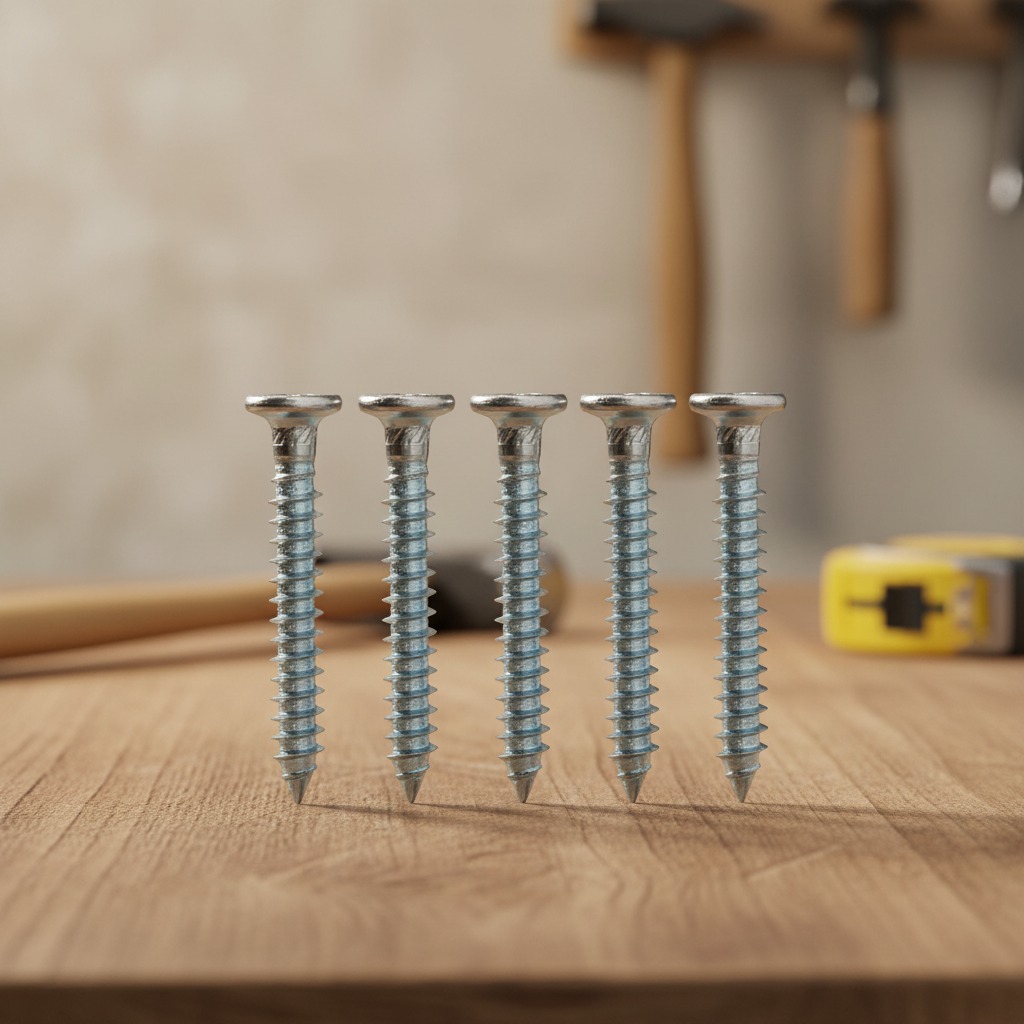
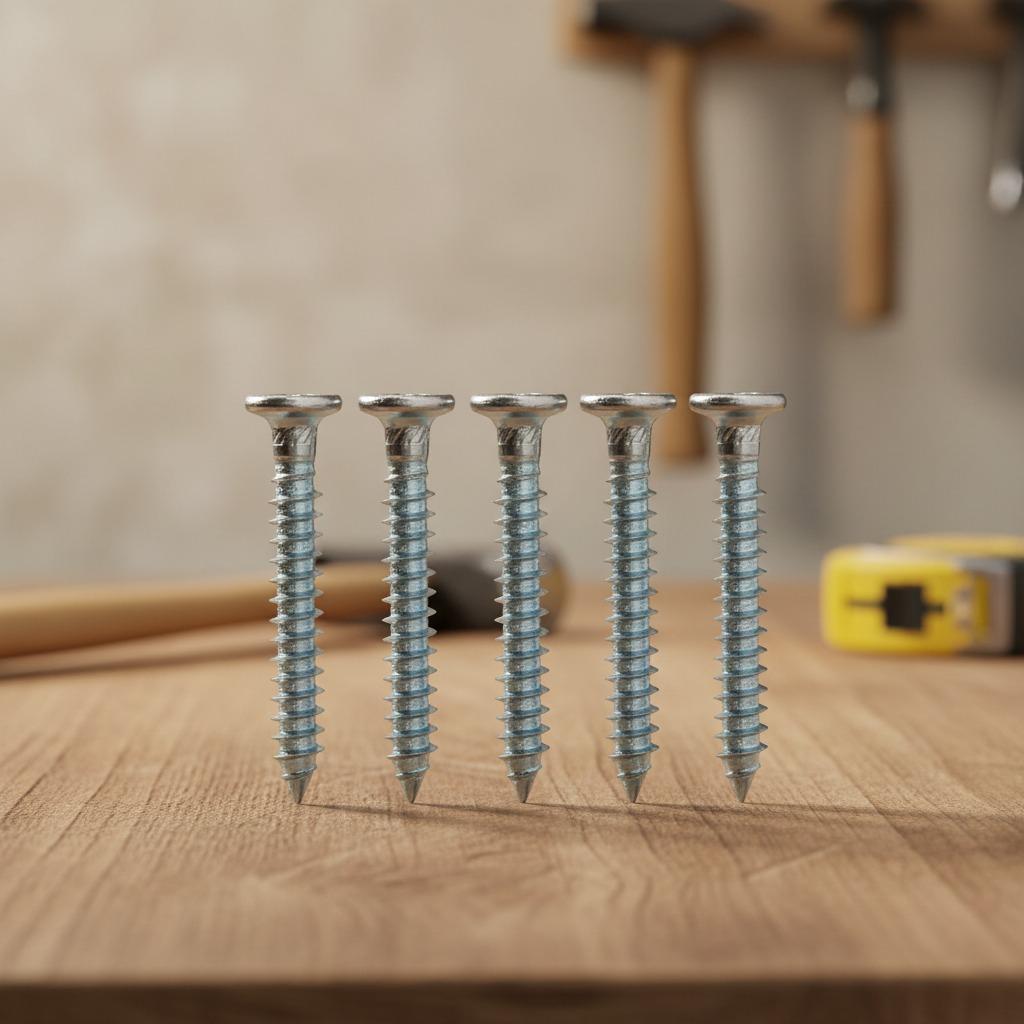
The image shows a countersunk screw with a sharp tip and coarse threads, a geometry commonly used by engineers in wood, particleboard, MDF, trim strips, and cabinet assembly. This makes perfect sense. When the substrate is soft or semi-soft, self-tapping screws save time and reduce additional drilling steps. In a production environment, time is money, and nobody wants to see screws moving around like they have a mind of their own.
The first things to look at are: the head style, the wire material, and the surface treatment.
When comparing self-tapping screws, head type is usually the primary consideration for buyers. Countersunk screws can be flush with or nearly flush with surfaces, which is very useful in furniture and general construction where protruding screws are undesirable. In some other applications, pan head self-tapping screws may be more suitable if a larger bearing surface is required. On the other hand, flat head self-tapping screws are often chosen if appearance and flush mounting are more important than load distribution. If components require a higher clamping surface, hex head self-tapping screws can make installation easier, especially when using power tools and repeatable torque control.
Even if it's not clear from the photo, the drive method is still important. Phillips head self-tapping screws are still common because many assembly lines are equipped with the necessary tools. However, the drive method must match the tooling strategy, or production will quickly become a costly mess. Mismatched drill bits can lead to damaged threads, slower production lines, and seemingly harmless scrap that isn't discovered until quality inspectors start counting.
Regarding surface treatment, a visible golden or iridescent plating indicates a protective coating, but its corrosion resistance cannot be accurately determined from a picture alone. Buyers must inquire about the specific coating type and the intended use of the screws, such as indoor furniture, general building materials, or more demanding environments. Metal self-tapping screws may look similar at first glance, but their performance can vary drastically depending on changes in humidity, condensation, or storage conditions.
Why is carbon steel frequently used?
Carbon steel remains a common base material for fasteners due to its wide availability, high manufacturing efficiency, and suitability for many everyday fastening tasks. For carbon steel self-tapping screws, the base material is typically combined with forming, threading, and surface treatment to improve appearance or enhance corrosion resistance. This combination is familiar to furniture, appliance, and building material buyers, as it balances cost and performance without turning parts manufacturing into a complex scientific experiment.
Jiangmen Jinhe Hardware Co., Ltd. manufactures a wide variety of machine screws, self-tapping screws, miniature screws, and precision screws, made from materials including stainless steel, iron, and aluminum. Products conform to GB, DIN, ANSI, BS, JIS, and ISO standards. Established in Jiangmen City, Guangdong Province in 2016, the company has a 4,000-square-meter factory. Jinhe Hardware's products are widely used in industries such as electronics, medical devices, automation, furniture, and building materials. For buyers, this broad product line is crucial, as it typically means the supplier can solve multiple types of fastener problems.
Selection criteria that actually affect assembly
When choosing screw types, consider the substrate first. Cork, MDF, particleboard, and some plastics perform drastically differently from sheet metal or rigid composite boards. Coarse threads engage quickly, but excessive force can cause edge cracking or surface warping. Length is equally important. The images show several sizes, which is practical because even if the purchasing department prefers simplicity, a component typically only requires one screw length.
Ease of installation and operation must also be considered. If the tool angle is inconvenient, the countersunk screw may not self-center as expected. If the connection is subject to vibration, high temperature, or frequent operation, the surface treatment and thread engagement should be carefully inspected, rather than taking things for granted. Many projects run into problems here: the screws are "fine" in the sample, but the sample is not the mass production, and mass production often exposes people's optimism.
Common mistakes buyers make
The most common mistake is assuming all self-tapping screws are interchangeable. This is not the case. Flathead, roundhead, and hexagonal head self-tapping screws may look similar on a purchasing list, but they differ in how they install, the torque required, and the final appearance. Another common mistake is focusing too much on price while ignoring plating, substrate, or thread geometry. Cheap fasteners can quickly become very expensive once a batch of components starts to strip or crack.
Another practical tip to keep in mind: don't rely solely on vague product names. For example, "fiberglass screws" mentioned in the product description might just be a translation issue, a specific application, or a naming convention, but the image itself doesn't prove that the material is fiberglass. Buyers should verify the material, size, actuation method, and coating before purchasing. Fasteners, though small, often cause big problems.
What questions should buyers ask before placing an order?
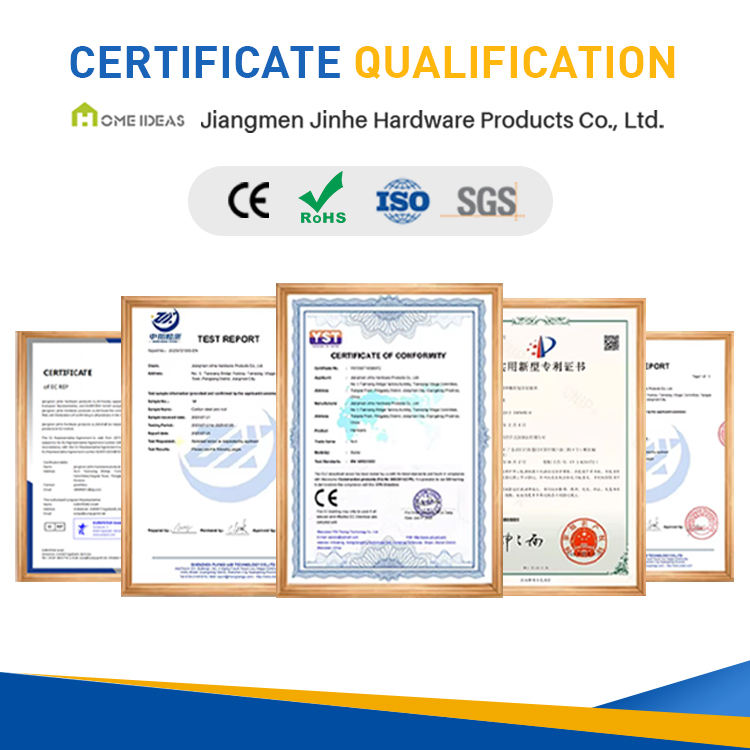
Be sure to inquire about specific material specifications, size range, head type, drive method, and surface treatment. If it's for furniture or cabinet assembly, ask whether the screws are suitable for wood, particleboard, MDF, or other substrates. For more complex applications, request relevant documentation and inspection details. Jiangmen Jinhe Hardware states that all products undergo rigorous inspection before delivery and provide necessary documentation; their customer support team also responds quickly to inquiries. This service is especially important when project schedules are tight.
Quick FAQ
Are carbon steel self-tapping screws only suitable for use with wood?
No. They are typically used for wood and wood-based panels, but actual compatibility depends on the thread shape, head style, and the material being fastened.
Why choose countersunk screws?
Because they can be flush with the ground, making surfaces cleaner, they are especially suitable for furniture and decorating work.
Can I change one head shape to another?
Sometimes this is necessary, but the installation, torque, and appearance must be checked first. The bolt head is not just for decoration; it alters the structure of the joint.
The next step is the procurement team.
If you're screening fasteners, compare the base material, head style, thread geometry, and surface finish first, then compare the unit price. This order saves time and usually avoids embarrassing modifications later on—even if everyone pretends everything is on track. For custom or standard fastener needs, suppliers like Jiangmen Jinhe Hardware Co., Ltd. can meet all the production and documentation requirements, which is key to ensuring orders go smoothly and avoiding them going through the purchasing, engineering, and quality departments repeatedly, ultimately resulting in awkward apologies.