
Corrosion-resistant screws: Selection of plated screws, galvanized screws, and custom screws
When buyers discuss corrosion-resistant screws, they are typically trying to address a very practical problem: how to maintain the strength of the joints after factors such as moisture, handling, storage, and daily wear and tear have corroded the metal. For furniture, cabinetry, light construction, and assembly work, the wrong screws can lead to surface staining, premature loosening, or looking worn before the product reaches the end of its lifespan. Therefore, choosing screws is rarely simply a matter of "stainless steel or non-stainless steel." More often, teams compare the capabilities of plated screws, mass-produced galvanized screws, and custom screw manufacturers to find the optimal balance between performance, appearance, and cost.
In fact, what factors determine whether a screw is "corrosion resistant"?
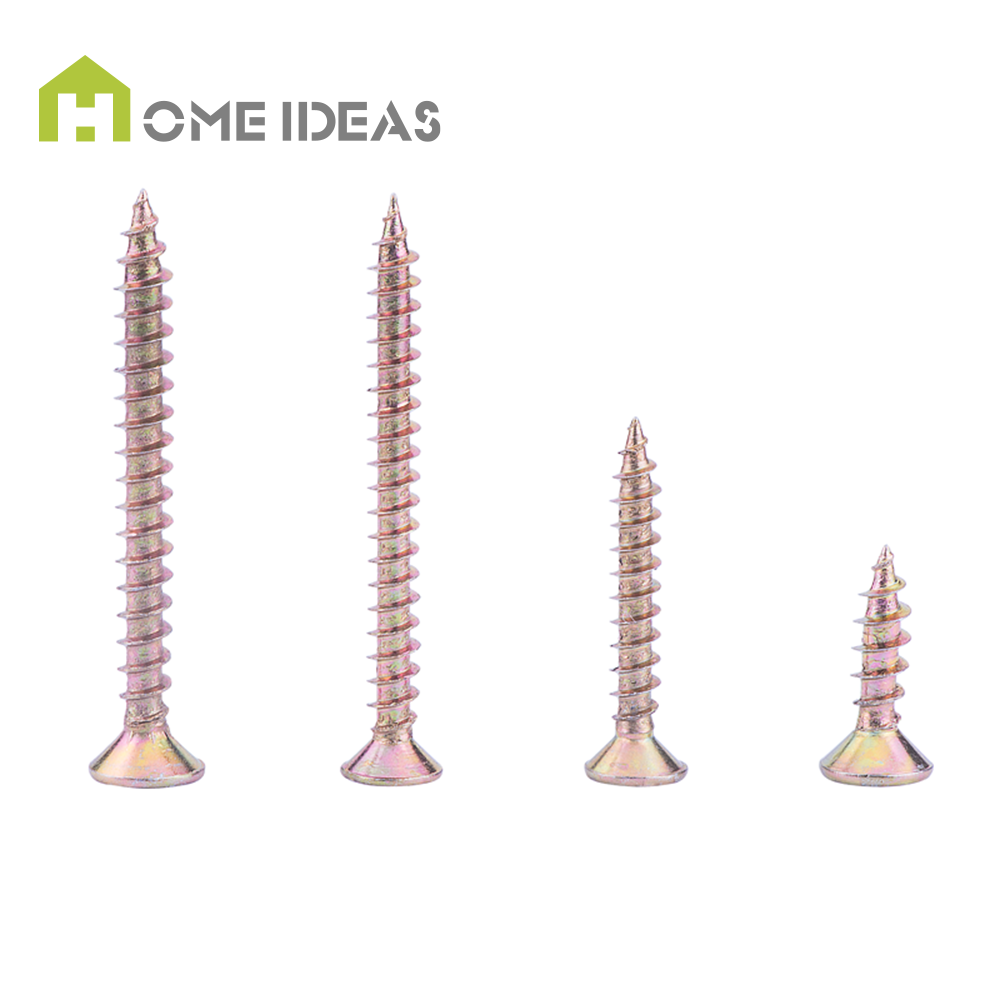
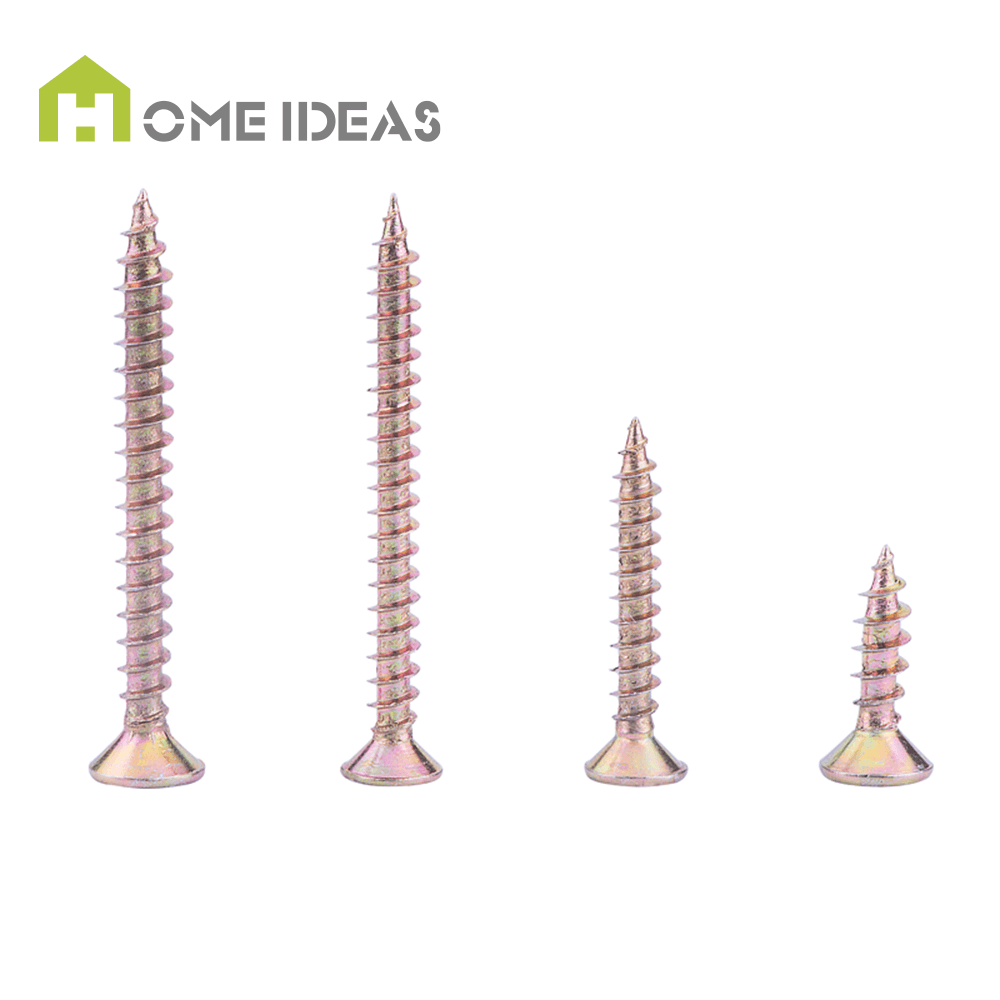
This term encompasses a variety of approaches. The performance of some screws depends on the choice of base material, while others depend on the surface treatment, such as galvanizing or hot-dip galvanizing. In the product range shown in this article, visible surface treatments include bright zinc/silver, yellow zinc/gold, and other possible coating variations. This illustrates a common manufacturing strategy: using steel fasteners with protective surface treatments, rather than completely corrosion-resistant materials.
This distinction is crucial. While coatings can delay rusting and extend lifespan, they don't perform as well as genuine stainless steel fasteners in harsh outdoor environments. Buyers should choose the appropriate finish based on the intended use, not just on pictures in catalogs. Screws that perform well inside cabinets or assembly lines may not be suitable for damp environments susceptible to condensation or corrosive cleaning agents.
Quick Comparison: Plated Screws, Galvanized Screws, and Custom Screws
Plated screws
When appearance and adequate corrosion resistance are both critical, plated screws are often the preferred choice. Bright zinc and yellow zinc finishes are common because they are easy to visually inspect and generally blend well into mass production. They can serve as reasonable benchmark choices for interior products. It is important to note that plating thickness and coating quality vary, so buyers should inquire about the surface treatment standards used (if applicable).
galvanized screws
Bulk galvanized screws are often a better choice when environmental requirements are high or when buyers need robust, durable, and practical products. The zinc coating is typically thicker than decorative coatings, which helps improve safety during storage, transportation, and exposure applications. However, "galvanizing" is not a universal standard. Hot-dip galvanizing, electro-galvanizing, and other processes have different performance characteristics, so the purchasing team should confirm which galvanizing method the supplier is actually providing.
Custom screw manufacturer options
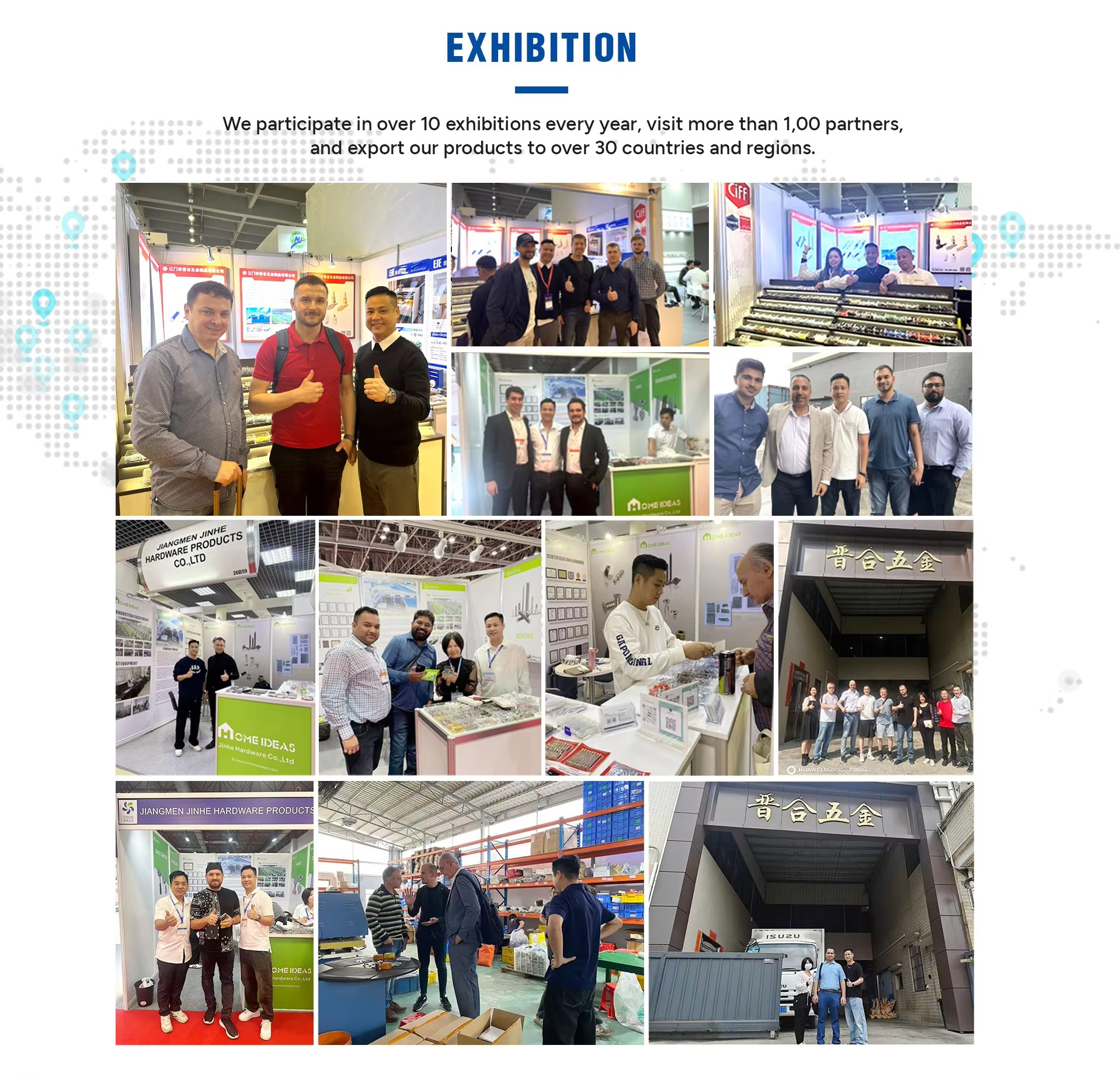
Custom screw manufacturers become especially important when standard catalog parts, while close, don't perfectly meet requirements. For example, it might be necessary to optimize the head shape for better load distribution; a Phillips head drive might need to be changed to a hexagonal internal drive for higher torque; or the surface finish might need to be adjusted to fit the customer's product line. Jiangmen Jinhe Hardware Co., Ltd. specializes in manufacturing fasteners and standard parts, including machine screws, self-tapping screws, miniature screws, and precision screws, and also provides non-standard customization services. For buyers, this can mean avoiding the need for forced designs to use off-the-shelf screws, and instead finding fasteners that truly fit the components.
Understanding Geometry: Why Head, Drive, and Threads are Crucial
The screw styles showcased in this product kit include long threaded shanks, wide and low-profile heads, and hexagonal internal threads on some samples. One sample appears to use a Phillips head or countersunk head screw. These details are not merely decorative. The wide head helps distribute the load across the material, while the hexagonal internal thread can withstand higher torque than a simple slotted or Phillips head screw. The coarse thread indicates its suitability for softer substrates or pre-drilled holes, which is common in wood, panel, bracket, and hardware installations.
For engineers and purchasing managers, the real issue isn't whether the screws look sturdy, but whether the geometry of the screw head, the drive mechanism, and the thread type are suitable for the assembly method. If a fastener installs smoothly on the production line but easily strips its threads with an electric screwdriver, the resulting cost loss will far outweigh any savings.
Avoid costly mistakes
First, consider the environment. Indoor dry environments, intermittent humid environments, outdoor environments, and chemical exposure environments are all drastically different conditions. Second, consider the substrate. Wood, board, lightweight frames, and metal-to-metal connections have different requirements for thread profiles and tip styles. While the tips of these screws may aid in initial tightening, this does not mean they are universally applicable.
Next, inquire about the consistency of surface finishes. Hybrid surface finishes may be useful for product development or multi-market sourcing, but they should not be considered interchangeable without testing. Yellow zinc screws and bright zinc screws may look very similar on the shelf, but their appearance or performance are not always the same.
Finally, it's crucial to examine the actual supply chain situation. Jiangmen Jinhe Hardware's business scope covers export services, logistics, warehousing, and supply chain support, which is vital for buyers who require repeated replenishment rather than one-time shipments. Their support windows and inspection commitments indicate they are a process-oriented supplier, but buyers should still request the necessary technical documentation before approving production.
Common Procurement Mistakes
The most common mistake is assuming all rust-preventive coatings are interchangeable. The second mistake is buying only based on diameter and length, ignoring head shape and drive type. The third mistake is underestimating the packaging and handling process. Even if the fasteners are technically sound, problems can still arise if the coating is damaged during transport or if different batches are mixed up.
Frequently Asked Questions from the Procurement Team
Are all corrosion-resistant screws made of stainless steel?
No, many of them are plated or galvanized steel screws.
Is bulk buying always cheaper?
This is usually the case when looking at the unit price, but the actual cost depends on the consistency of quality, the risk of defects, and whether the surface treatment is suitable for the application.
When should buyers make customization requests?
When torque performance, head shape, coating, or assembly behavior does not conform to the product design.
What requirements should be made to the supplier before placing an order?
Inquire about the source of materials, surface treatment specifications, applicable standards (if any), and any inspection documents related to shipment. If you are comparing different suppliers, request samples of the actual surface treatment and drive method you plan to use. For production projects, custom screw manufacturers can often shorten the time lag between prototypes and bulk orders if technical requirements are clearly defined.
If you're weighing plated versus galvanized fasteners for your product line, the most effective next step isn't getting a generic quote, but rather conducting sample tests based on your substrate, torque method, and storage conditions. This is the only way to truly determine whether corrosion-resistant screws are merely competitive in the market or truly capable of handling real-world applications.