

Why a DIY screw can save time in production and at home
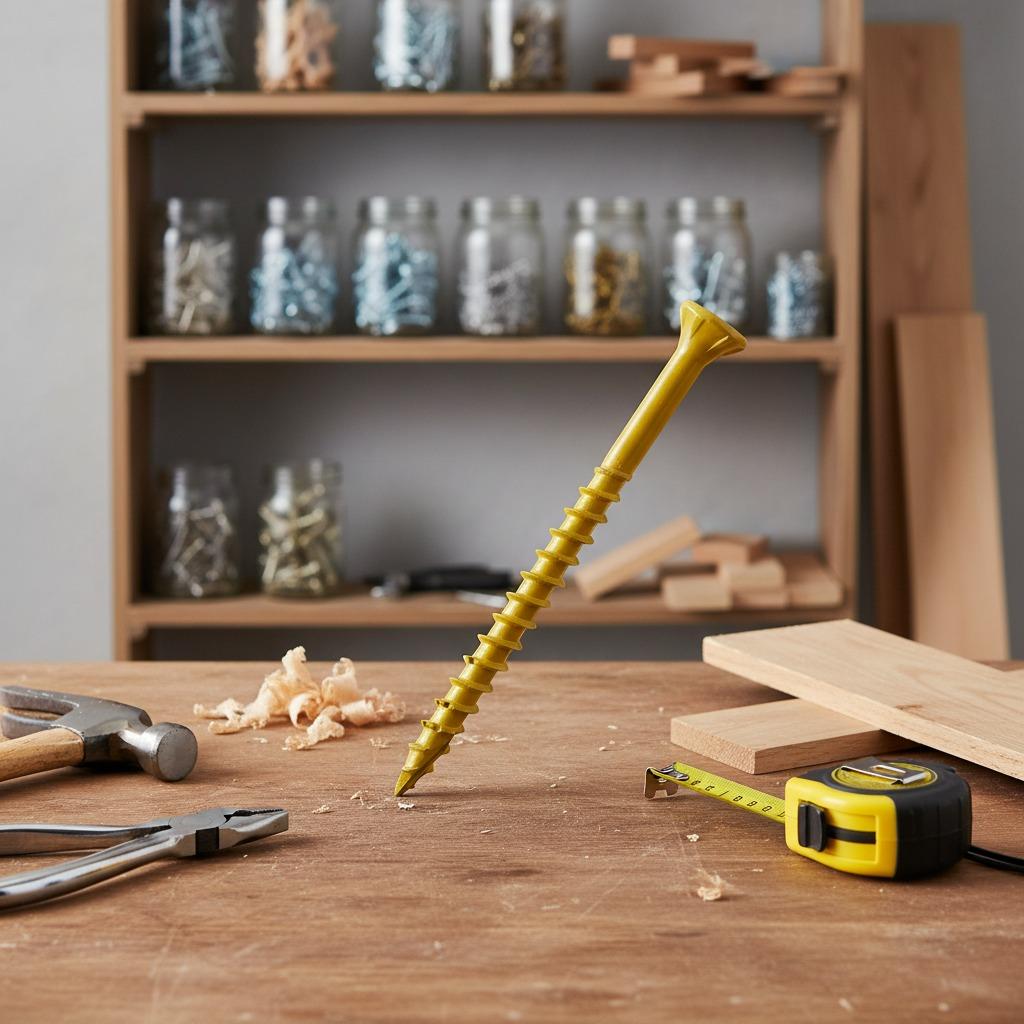
For many buyers, a DIY fastener is less about hobby work and more about a simple requirement: get the screw in fast, keep the head intact, and avoid wasting labor on pre-drilling. That is exactly why this yellow-coated screw format keeps showing up in wood, cabinetry, framing, and general assembly work. The visible features point to a practical design: coarse threads for fast bite, a pointed tip for direct driving, a reinforced neck, and a star-style drive that helps reduce stripping.
That matters whether you are a contractor trying to move a job along or a sourcing manager comparing fasteners for a product line. A screw that installs cleanly can save more than a few seconds; it can reduce rework, improve appearance, and lower the chance of damaged parts on the line.
What the visible design tells you
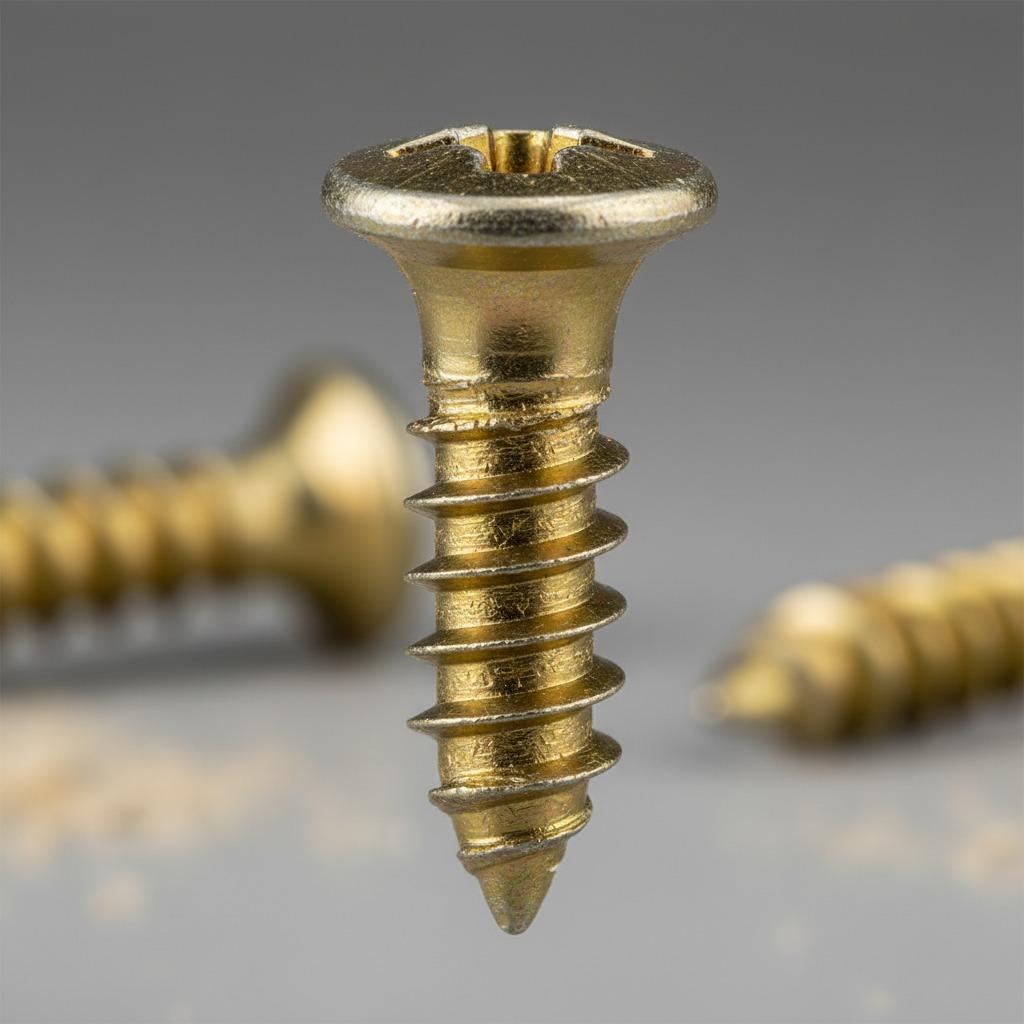
This screw appears to be a metal fastening product with a yellow or gold coating. The finish is described as smooth and clean, which is not just cosmetic. In practice, a more consistent coating can help the screw drive more evenly and present a better final look in visible applications.
The geometry is also telling. The long shank and aggressive threads suggest a fastener intended to pull into material with authority, while the pointed tip supports no-pre-drilling use in suitable substrates. The callout about “less drive torque” usually means easier installation with a drill or driver, though buyers should still test it in their actual material. One screw may feel effortless in soft wood and stubborn in dense board or mixed construction stock.
Key takeaways at a glance
Clean, smooth finish for visible assemblies
Less drive torque for quicker installation
No stripping performance supported by a Torx-like drive impression
Reinforced neck for better durability around the head area
Designed for direct driving without pre-drilling in appropriate materials
Where this type of screw fits best
In wood and construction work, the value is straightforward: faster fastening with fewer tool changes. In cabinetry or furniture assembly, the cleaner head engagement can matter just as much as pull-down force. In framing and general installation tasks, installers often prefer a screw that seats predictably and resists cam-out when the driver is at an awkward angle.
For DIY users, the appeal is even more obvious. A screw that starts well and holds the bit securely reduces frustration, especially for people working with a handheld drill rather than a bench setup. That said, “DIY” is a broad label. It can cover light household assembly, shop fixtures, and heavier construction jobs, so the actual material and application should always drive the final selection.
How to choose the right screw for the job
Start with the substrate. Softwood, engineered wood, and framing lumber all behave differently. A coarse-thread screw with a pointed tip may be a good fit for one, but not a universal answer for every board or panel. Second, look at the drive type. A star drive is often preferred where stripping has been a recurring complaint, especially in repetitive installation work.
Finish matters too. A yellow-coated screw may be chosen for appearance, light corrosion protection, or compatibility with a specific product line, but the exact performance depends on the coating system. Since the base metal and coating specification are not fully visible here, it is wise to ask for material confirmation before committing to bulk use.
Common buyer mistake
One frequent error is assuming “no pre-drilling” means “no testing.” Dense hardwood, laminated stock, and mixed-material assemblies can still split, bind, or require pilot holes. Skipping a sample run is a cheap way to create an expensive problem later.
What to ask a supplier before placing an order
If you are sourcing this as a product or component, ask for the base metal, coating type, drive specification, and the intended substrate range. It is also sensible to request standard references where relevant. Jiangmen Jinhe Hardware Co., Ltd. works with machine screws, self-tapping screws, micro screws, and precision screws, and notes compliance with GB, DIN, ANSI, BS, JIS, and ISO standards across its fastener production. That background suggests a manufacturing setup familiar with standard and custom fasteners, but the exact screw in this image still needs product-level confirmation.
Their broader business scope includes R&D, production, and non-standard customization, which is useful if your application needs a slight geometry change or a different finish. For industrial buyers, that can be the difference between a screw that merely looks right and one that installs correctly in your real assembly.
FAQ
Is this screw suitable for DIY projects?
Yes, the visible design is well aligned with DIY assembly and general home or workshop fastening, especially where quick driving and clean engagement matter.
Does “no pre-drilling” mean it works everywhere?
No. It suggests easier direct driving in suitable materials, not universal compatibility. Material density and thickness still matter.
Why is the star-style drive important?
It helps the bit stay seated and can reduce stripping, which is useful when driving screws quickly or under load.
Should buyers request samples first?
Yes. A short sample test is the safest way to confirm torque feel, seating behavior, and finish quality in the actual substrate.
Next step for sourcing teams
If you are comparing fasteners for a product launch, cabinet line, or construction supply program, ask for samples and a full specification sheet before you lock the purchase. A screw that looks simple on a page can behave very differently once it meets real material, a real drill, and a real production schedule.
For technical questions or customization support, Jiangmen Jinhe Hardware Co., Ltd. can be contacted through its listed trade channels, which is usually the quickest path if you need a tailored fastening solution rather than a generic catalog item.