
Quick answer: A fastener quality claim is easier to investigate when the buyer can connect the complaint to one part number, one purchase order, one manufacturing or packing lot and one preserved sample. Build the evidence pack before asking for a replacement: photograph the parts and packaging, record dimensional and functional measurements with the method and instrument, preserve representative conforming and nonconforming pieces, and keep every file tied to the same lot identity. A certificate alone rarely answers whether the disputed parts came from the stated lot or whether the reported condition existed when the goods were received.
This buyer-side guide explains how to prepare a fastener claim evidence pack for screws, bolts, nuts, inserts, connectors and other hardware. It is intended for purchasing, incoming quality, engineering and supplier-quality teams. The goal is not to win an argument with a supplier; it is to make the technical facts reviewable by both sides and to reach a controlled disposition faster.
What Is a Fastener Claim Evidence Pack?
A claim evidence pack is a controlled set of records supporting a specific quality concern. It should allow an independent reviewer to answer five questions:
- What part and specification are involved?
- Which order, shipment, carton and lot are affected?
- What condition was observed, and how was it measured?
- Can the supplier reproduce or verify the finding?
- What quantity and use decision are affected?
The pack is different from a general supplier scorecard and different from a new first article inspection. A first article inspection report supports approval of a defined production basis. A claim pack documents a suspected nonconformance in delivered material. The two records may refer to the same drawing and control plan, but they answer different questions.
Start With Lot Identity, Not the Symptom
“The screws are rusty” or “the connector does not fit” is a useful starting observation, but it is not enough to isolate the affected material. Begin by freezing the identity of the goods before cartons are mixed, opened further or repacked.
| Identity field | What to capture | Why it matters |
|---|---|---|
| Part reference | Part number, drawing or specification revision, description, size, material and finish as ordered | Prevents a similar-looking part or an obsolete revision from entering the investigation |
| Commercial reference | Purchase order, order line, supplier, shipment, packing list and receipt date | Connects the technical complaint to the transaction and receiving event |
| Physical identity | Carton, bag, label, lot, batch, heat or trace code; photograph the marking before disposal | Preserves the link between the evidence and the delivered goods |
| Quantity scope | Quantity received, quantity inspected, quantity affected, quantity used and quantity quarantined | Separates observed defects from the full commercial exposure |
| Handling history | Opening, sorting, repacking, storage, coating exposure or assembly operations after receipt | Shows whether the reported condition could have changed after delivery |
Do not assume that a lot code printed on an outer carton identifies every inner bag. Photograph the outer and inner labels together when possible. If the goods were split across bins, record which containers contain which lot. ISO 16228-style inspection documentation relies on traceability to the manufacturing or trace lot, and the purchaser takes responsibility for maintaining traceability after original packaging is opened. Apply the same discipline even when the purchase order does not name a formal inspection-document standard.
Photographs: Make the Condition Reproducible
Photos are persuasive only when another reviewer can understand what was photographed, at what scale and under what lighting. A close-up of a dark part may show a defect, but it may not prove location, extent or lot identity.
Use a three-layer photo set
- Context: show the carton, bag, label, part number and lot marking in one frame or in linked frames.
- Comparison: photograph an affected part beside a retained or approved reference part of the same specification.
- Detail: show the defect with a scale, orientation and enough surrounding surface to locate it.
Keep the original files. Do not crop away the label, rotate the part without recording orientation or add arrows that replace the original image. Annotated copies are helpful, but the unedited source must remain available. Use a consistent file name such as PO1234-PartA-LotL2407-Photo03.jpg. Record who took the photo and when.
| Concern | Useful photo evidence | Photo limitation |
|---|---|---|
| Corrosion or staining | Whole-part context, close-up of affected surface, packaging condition and a reference part | Color and surface appearance do not establish chemical cause or corrosion performance |
| Head or drive damage | Top view, side view, drive recess and tool engagement with scale | A photo does not replace torque, fit or dimensional verification |
| Thread damage | Thread profile, damaged lead, mating gauge or counterpart and part orientation | Lighting can hide laps, burrs or local deformation |
| Wrong count or mixed parts | Sealed package label, opened contents, count method and separated examples | One photographed bag does not prove the count of every carton |
| Packaging damage | Outer carton, internal protection, puncture, moisture mark and affected bags | Packaging appearance alone does not prove when damage occurred |
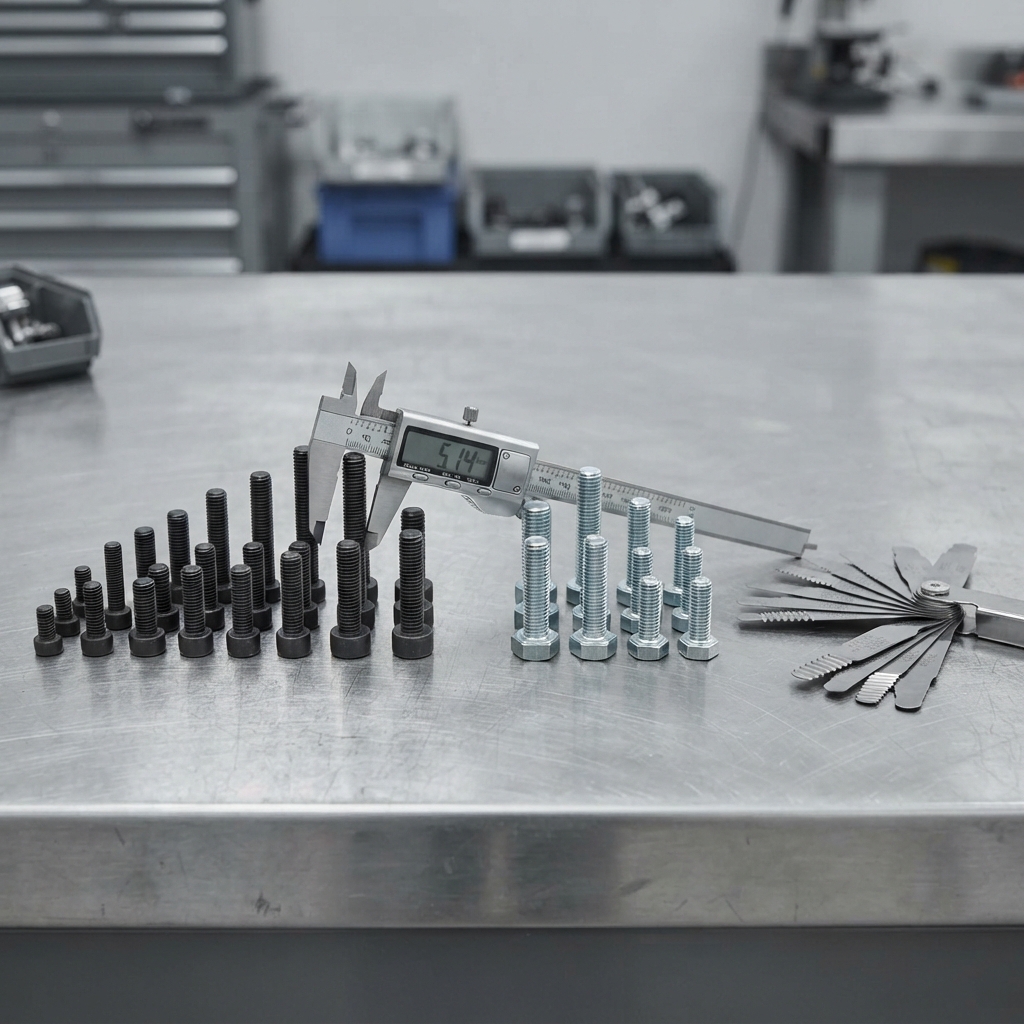
For dimensional photos, include the instrument display only when it is readable and the instrument identity is separately recorded. A ruler in a picture can communicate approximate scale; it is not automatically an accepted measurement method.
Record Measurements as Raw Evidence
A claim should show the reading, not only the conclusion. “Length out of tolerance” is weaker than a record showing the nominal, tolerance, actual result, datum, instrument, operator and sample identity.
| Measurement record | Minimum fields |
|---|---|
| Characteristic | Feature name or drawing characteristic number, nominal and tolerance or acceptance limit |
| Method | Gauge, fixture, thread gauge, optical system, caliper, micrometer or functional method used |
| Instrument identity | Instrument ID, range, resolution and calibration status when relevant to the decision |
| Sample identity | Sample number linked to carton, bag, lot and photo file |
| Actual result | Raw reading, pass/fail decision and any uncertainty or limitation that affects interpretation |
| Disposition | Accepted, rejected, quarantined, reworked, sorted or awaiting supplier review |
Use the drawing as the controlling source. For example, screw length may be measured from under the head, from a defined datum or under a specific washer condition. Thread fit may require a GO/NO-GO gauge or the actual mating component. If the supplier and buyer use different datums, first reconcile the method before arguing about the number. The JHFIX guide on screw property class verification is a useful companion when the issue concerns material or mechanical-property evidence, but the purchase specification and approved drawing control the claim.
What Samples Should a Buyer Retain?
Retain samples before sorting changes the population. A practical claim sample has at least two groups:
- Nonconforming sample: representative pieces showing the reported condition. Mark each sample ID without altering the defect.
- Conforming comparison sample: pieces from the same receipt or lot that pass the agreed checks, plus an approved reference sample when available.
For a high-impact issue, preserve original packaging, labels and a sealed sample from each affected container. Use a clean, dry container that will not add corrosion, abrasion or contamination. Record the seal number, sample count, storage location, date sealed and people who opened or transferred it. Do not put mixed lots in one bag merely because the parts look identical.
Sample retention is not the same as saving the most damaged pieces. The retained set should represent the complaint and the lot boundary. If a supplier requests samples, record exactly which IDs were sent, the date, courier or handover reference and whether the supplier received the packaging and labels. Keep duplicate samples when the dispute may require independent testing.
Documents to Request From the Supplier
Ask for records that correspond to the disputed characteristic and lot. Avoid requesting a large generic document folder that cannot be mapped to the claim.
| Supplier record | Question it should answer | Common gap |
|---|---|---|
| Certificate of conformity | What requirement is the supplier declaring, and which part and lot does it cover? | Generic certificate with no order, lot or revision reference |
| Material or mill record | Which raw material heat or lot was used, and what properties were reported? | Material document not linked to the finished fastener lot |
| Inspection report | What dimensions, finish or functional features were checked, by which method? | Pass/fail summary without actual readings or sample identity |
| Process or coating record | Which heat treatment, plating, coating or subcontract process handled the lot? | Process name supplied without batch, date or change information |
| Packing and shipment record | Which cartons or bags were shipped, and how was the lot preserved? | Shipment record cannot distinguish mixed or repacked material |
| Corrective-action response | What is contained now, what is the suspected cause and how will closure be verified? | Replacement promised without cause, scope or verification plan |
Fastenal describes an MTR as a lot- or heat-specific document that includes dimensional, chemical and mechanical test results. NASA procurement guidance separately emphasizes receiving inspection and the integrity of delivered documentation. The point for a buyer is not to collect every possible certificate; it is to confirm that the record actually covers the disputed material.
How to Decide Whether the Claim Is Contained
Containment is a material decision, not only an email status. Establish what may still be used and what must remain isolated.
- Stop further issue of the affected lot, including stock held at subcontractors or assembly lines.
- Identify work-in-process and finished goods that already contain the fastener.
- Separate unopened cartons from opened or mixed containers.
- Record any temporary sorting method and who authorized release of sorted parts.
- Define the evidence needed to lift quarantine, such as verified sorting, reinspection or supplier disposition.
Do not convert a sample finding into a full-lot rejection without stating the sampling basis. Conversely, do not treat one passing sample as proof that the lot is acceptable when the complaint involves a critical feature or traceability failure. The acceptance plan, purchase terms and product risk should determine the next inspection step.
Common Mistakes That Weaken a Fastener Claim
1. Photographing after repacking
Repacking may remove the evidence that connects the defect to the original label and shipment. Photograph first, then sort.
2. Sending only selected defective pieces
Selected pieces show the symptom but not its frequency, lot boundary or comparison with conforming material. Preserve the selection method and a comparison sample.
3. Reporting averages instead of raw readings
An average can hide an extreme result. Keep each reading and sample ID for critical characteristics.
4. Treating a certificate as proof of every requirement
A certificate may cover material, conformity or a specified inspection scope. It does not automatically prove packaging count, thread fit, appearance or the condition of the delivered lot.
5. Mixing complaint investigation with design change
If the buyer changes the drawing, coating or assembly method while investigating, the original claim becomes harder to evaluate. Close the complaint basis first, then manage a design or process change under controlled revision.
Procurement Checklist Before Sending a Claim
- Part number, drawing revision, purchase order and supplier are recorded.
- Outer carton, inner package, labels and lot markings are photographed.
- Quantity received, inspected, affected, quarantined and already used is reconciled.
- Original photos are retained with date, operator and file names.
- Nonconforming, conforming and reference samples are identified and sealed.
- Measurements include nominal, tolerance, raw reading, method, instrument and sample ID.
- Functional or assembly checks state the mating part, substrate, tool and acceptance method.
- Requested supplier records are mapped to the disputed part and lot.
- Containment, temporary use decision and release authority are documented.
- Claim closure requires verified corrective action, not only replacement or credit.
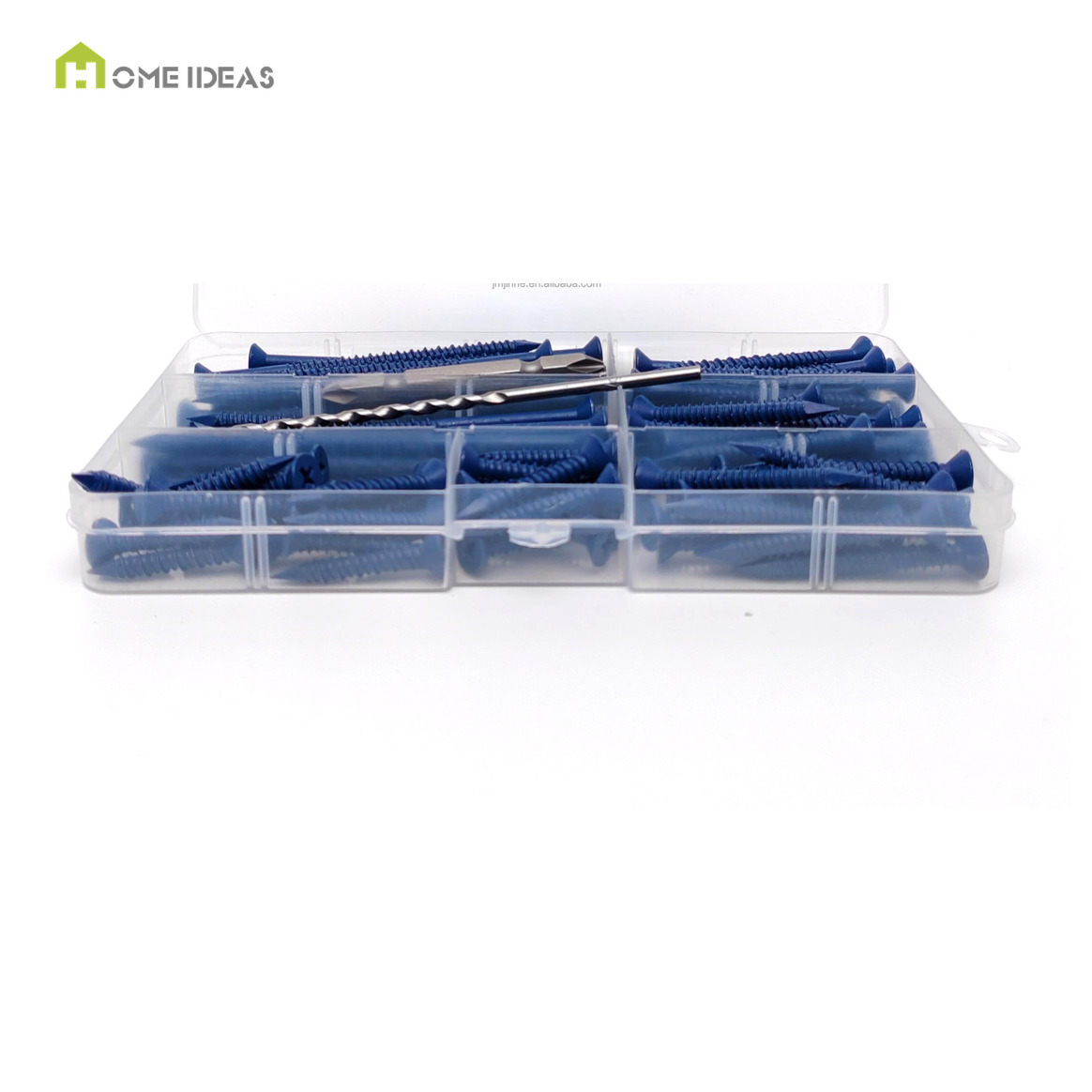
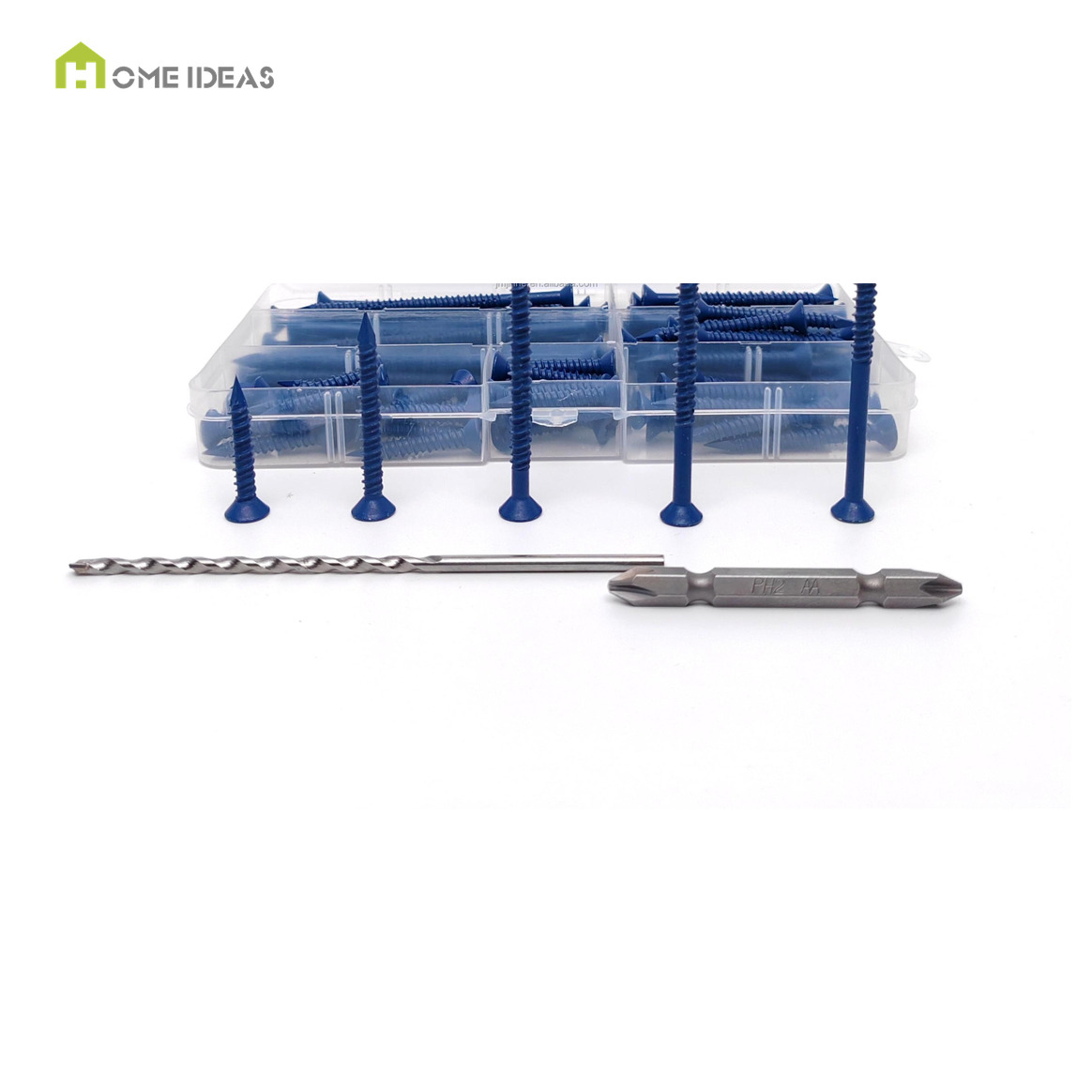
For custom screws, furniture connectors or hardware kits, align this checklist with the approved sample, BOM and packaging layout. JHFIX publishes product and hardware information for screws, connectors, nuts, furniture hardware and related OEM review. Start with the JHFIX products page and send drawings, samples, photos and acceptance requirements through the inquiry form. Do not assume a photographed configuration, a sample pack or a previous order defines the next specification.
Frequently Asked Questions
Is a photo enough to prove a fastener defect?
No. A photo can show appearance, location and context, but the claim may also require dimensional, functional, material or coating evidence. Keep the original image and the measurement record together.
How long should claim samples be retained?
Use the buyer's contract, regulatory requirement, product risk and dispute timeline. Where a specified record-retention period applies, follow it. Otherwise, retain samples until the claim, corrective action and any downstream exposure are closed, with the retention decision documented.
Should the buyer send all defective parts to the supplier?
Not automatically. Keep a controlled duplicate when independent testing or later review may be needed. Transfer only identified samples and record the handover.
Can a supplier reject a claim because the carton was opened?
Opening a carton does not by itself invalidate a claim, but it makes traceability more important. Record the original label, lot, opening date, handling steps and any mixing or repacking.
What is the fastest way to reduce disagreement?
Agree the part identity, lot boundary, measurement datum, sample IDs and acceptance criteria before debating cause. A shared evidence index usually resolves more ambiguity than a longer narrative.
Sources and Further Reading
- Endries: Fastener Quality Assurance Services
- JungKum Fastener: Quality, Inspection and Lot-Level Traceability
- JingleFix: Fastener Inspection Reports and Material Certificates
- Optimas: Fastener Quality Assurance and Testing Services
- Fastenal: Quality Assurance and Material Test Reports
- NASA: Fastener Procurement, Receiving Inspection and Traceability Standard