
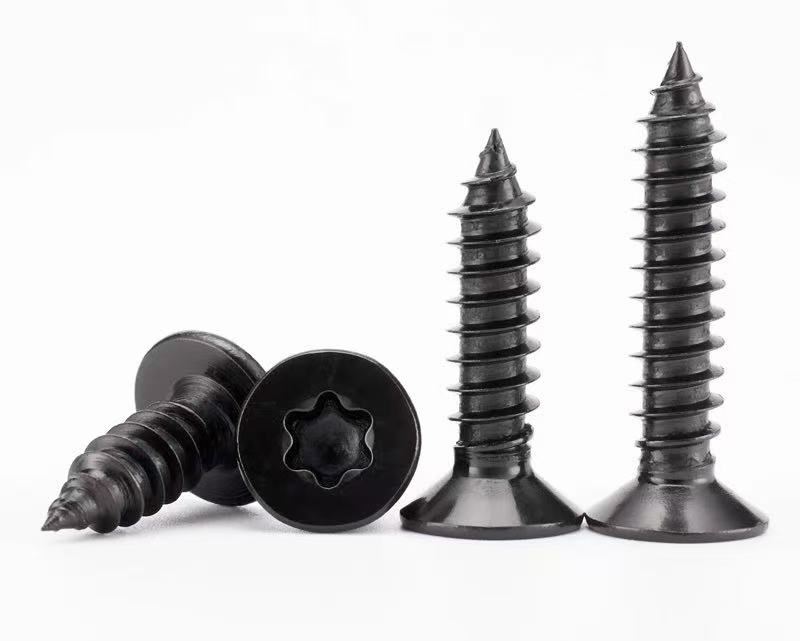

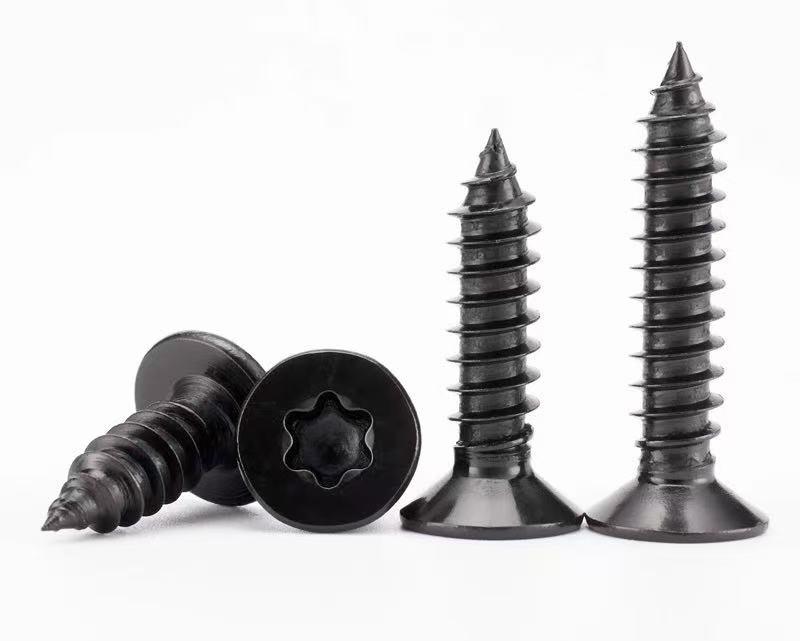
Precision Problems in Assembly Often Start with Machine Screws
Machine screws are expected to fit perfectly. That’s the assumption.
They are used in pre-threaded holes, paired with nuts, or installed in precision assemblies where tolerance is tight and margin for error is minimal. Unlike wood screws or self-tapping screws, machine screws don’t “adapt”—they either fit correctly, or they don’t.
This is where many issues begin.
Buyers working with a machine screws manufacturer often report subtle but recurring problems:
- Screws binding during installation
- Cross-threading in metal components
- Torque variation in automated assembly
- Inconsistent fit across different batches
Nothing catastrophic. But enough to slow production, increase rework, and reduce confidence in the supply.
At JHFIX, we approach machine screws as precision components within a controlled system—where fit, friction, and consistency are engineered, not assumed.
Material Selection and Mechanical Stability in Precision Fastening
Machine screws operate in environments where mechanical stability is critical. They are often used in metal-to-metal connections, electronics, and industrial equipment.
Material selection must therefore balance strength, ductility, and environmental resistance.
| Material Type | Strength Range | Key Characteristic | Typical Application |
|---|---|---|---|
| Carbon Steel | 400–700 MPa | Cost-effective, versatile | General industrial use |
| Alloy Steel | 800–1200 MPa | High strength under load | Machinery, structural parts |
| Stainless Steel A2 | 500–700 MPa | Corrosion resistance | Electronics, outdoor use |
| Stainless Steel A4 | 600–800 MPa | Chemical resistance | Marine environments |
According to ASTM International, consistent mechanical properties depend not only on material grade but also on controlled heat treatment processes.
A reliable machine screws manufacturer ensures that material behavior remains stable—not just compliant.
Why Precision Supply Requires More Than Standard Production
Machine screws differ from other fasteners because they rely entirely on pre-defined threads. There is no room for self-adjustment during installation.
This makes production control more critical.
Many buyers initially focus on specifications—diameter, pitch, length. Over time, they discover that meeting specifications is not enough.
The real requirement is repeatability.
At JHFIX, our production approach includes:
- Tight control of thread rolling tolerances
- Surface finishing processes that stabilize friction
- Batch-level inspection to ensure consistency
- Packaging systems that prevent mixing and miscounting
This transforms machine screws from standard parts into predictable components.
Thread Fit: The Core of Machine Screw Performance
Thread fit determines how a machine screw interacts with a mating component.
Too tight, and installation becomes difficult.
Too loose, and the connection lacks stability.
Even small deviations can cause:
- Cross-threading during assembly
- Increased torque requirements
- Reduced load distribution efficiency
- Premature wear of threads
Thread fit classes (such as ISO 6g/6H) define acceptable ranges, but execution matters.
Organizations like International Organization for Standardization emphasize that precision in thread geometry directly impacts mechanical performance and reliability.
A capable machine screws manufacturer ensures that thread engagement remains consistent across batches—so installation feels the same every time.
Surface Treatment: Managing Friction and Installation Behavior
Surface coatings influence both durability and installation performance.
In machine screws, friction control is particularly important because torque must remain stable during tightening.
Common treatments include:
- Zinc plating for corrosion resistance
- Black oxide for moderate protection and reduced glare
- Phosphate coating for consistent friction behavior
Inconsistent coating thickness can lead to unpredictable torque readings, especially in automated assembly systems.
A solution-based approach ensures that coating processes are controlled to maintain both protection and performance.
Packaging Accuracy: Supporting Precision at Scale
Even with perfectly manufactured screws, supply inefficiencies can disrupt production.
Loose bulk packaging often results in:
- Mixed screw sizes
- Counting inaccuracies
- Increased handling time
Controlled packaging improves operational efficiency.
| Packaging Type | Counting Accuracy | Operational Impact |
|---|---|---|
| Loose bulk | ~90% | Frequent interruptions |
| Standard packaging | ~97–98% | Minor inefficiencies |
| Custom packaging | 99%+ | Stable workflow |
Accurate packaging ensures that assembly lines receive exactly what they need—no delays, no adjustments.
A Real Case: Eliminating Cross-Threading in Assembly
A client in the electronics manufacturing sector faced persistent issues with cross-threading during assembly.
Their machine screws met all specifications, yet installation problems continued.
After analysis, the issue was traced to slight variations in thread tolerance and surface finish.
We implemented:
- Tighter thread rolling control
- Improved surface coating consistency
- Enhanced batch inspection procedures
The results:
- Cross-threading incidents reduced significantly
- Assembly speed improved
- Rework rates decreased
The solution came from refining production precision—not changing the assembly process.
Where Machine Screw Solutions Matter Most
Precision-driven machine screw supply is critical in:
- Electronics assembly requiring exact thread fit
- Industrial machinery with torque-controlled fastening
- Automotive components with strict tolerance requirements
- OEM production lines demanding repeatability
In these environments, consistency defines performance.
Frequently Asked Questions
Q1: What is the most common issue with machine screws?
Thread fit inconsistency, which leads to cross-threading and unstable torque during installation.
Q2: How can buyers ensure precision in machine screw supply?
By evaluating manufacturing processes, tolerance control, and batch consistency—not just specifications.
Q3: Does packaging affect machine screw performance?
Indirectly, yes. Accurate packaging prevents mixing and ensures efficient assembly workflows.
Precision Fastening Starts with the Right Manufacturing Approach
Machine screws operate in environments where precision is non-negotiable. Small deviations create real problems.
At JHFIX, we focus on delivering machine screw solutions that align with real assembly requirements—through controlled production, consistent thread geometry, and efficient packaging systems.
To learn more about our manufacturing capabilities and how we support OEM and industrial applications, you can visit our homepage:
https://www.jhfix.com/
If you are currently dealing with issues such as cross-threading, torque inconsistency, or supply inefficiencies, it may be time to rethink your fastener sourcing strategy. You can contact our team here to discuss your project and explore a more reliable solution:
https://www.jhfix.com/contact-us