
Outdoor Screws: What Matters When the Fastener Has to Survive Weather, Movement, and the Wrong Substrate
Choosing outdoor screws sounds simple until the job site starts reminding you what water, UV exposure, and seasonal movement do to a fastener. The wrong screw can stain timber, loosen in service, or corrode before the rest of the assembly has even settled. For engineers, sourcing managers, and product teams, the decision is rarely about buying “a screw.” It is about matching material, coating, drive style, and substrate to the actual environment.

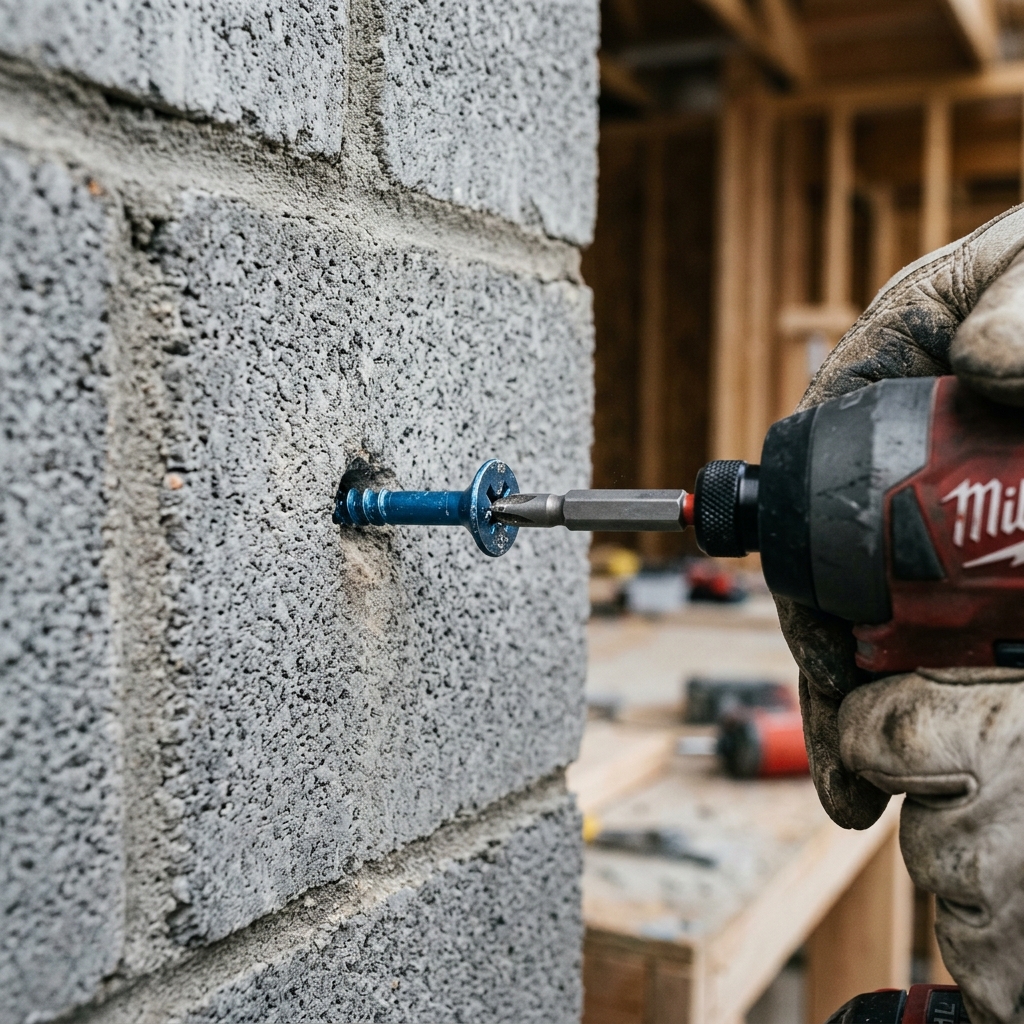
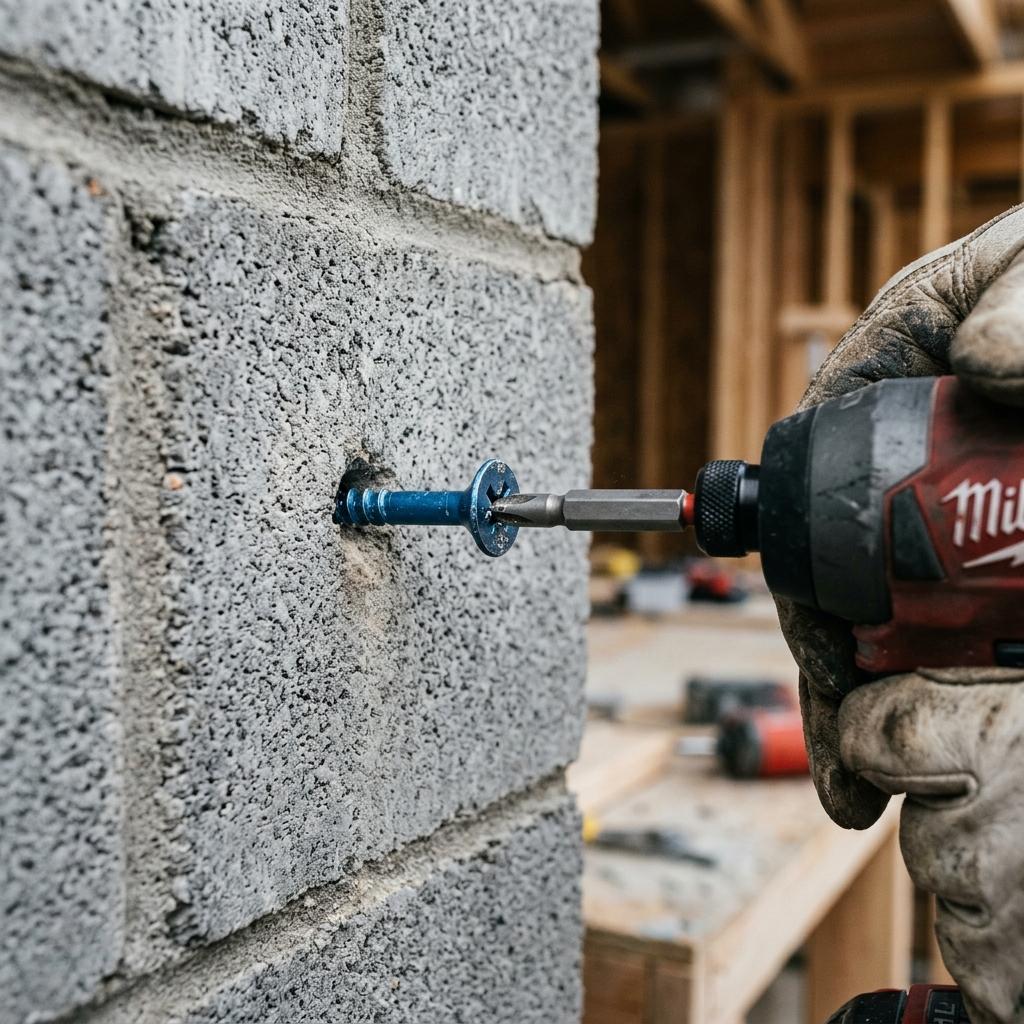
That distinction matters even more when the application crosses into masonry or mixed-material assemblies. A blue-coated masonry fastener driven into a rough concrete block wall, for example, is solving a very different problem from screws for redwood outdoor decking or screws for cedar outdoor trim. All three live outside, but they fail in different ways.
Start with the substrate, not the catalog
One common sourcing mistake is treating every exterior fastening job as a corrosion question only. Corrosion resistance is important, but the base material matters just as much. Fastening wood to wood, wood to steel, or brackets to concrete each calls for a different screw family.
In timber work, screws for cedar outdoor or screws for redwood outdoor usually need to balance holding power with reduced staining risk. Cedar and redwood both contain natural extractives that can react badly with some metals. In contrast, masonry fastening needs thread geometry and body design that can bite into concrete or CMU block without splitting or wandering. A flange head or washer head, like the one visible on the blue-coated masonry-style fastener, helps distribute load at the surface. That is useful when the attachment point is a bracket, conduit clip, or support strap.
Material choice: stainless steel is not a magic word
Many buyers default to stainless steel screws outdoor, and for good reason. Stainless steel is a strong general choice for weather exposure, especially where appearance and corrosion resistance matter. But stainless steel is not a blanket solution. The grade, the environment, and the contact materials all influence whether it is the right call.
For example, a coastal installation, a chemically active environment, and a decorative wood assembly do not all have the same requirement. Some jobs need stainless steel because of corrosion exposure. Others may need coated carbon steel for cost, strength, or drive performance. If the screw will be buried in masonry, the coating and thread form may be more important than the visual finish alone.
A practical aside: if a buyer asks only for “outdoor-grade screws,” that is usually a sign the specification is incomplete. The better question is what the screw is fastening, to what, and in what environment.
What the visible masonry fastener tells us about practical design
The blue-coated screw shown in the product imagery appears to be a masonry/construction fastener driven with a power drill or impact driver into concrete block. Exact brand, diameter, and load rating are not visible, so it would be a mistake to claim more than that. Still, several features are clear enough to be useful:
a blue finish or coating for visual identification;
a threaded shank for mechanical engagement;
a wider head or integrated washer/flange for load spread;
a drive system intended for power-tool installation.
Those details point to a fastener intended for efficient field installation on construction and renovation jobs. In masonry, the goal is not just holding power; it is repeatable installation without excessive breakage, spun-out holes, or surface damage.
How procurement teams should compare outdoor fasteners
When comparing outdoor screws, the short list should include substrate compatibility, base material, coating system, head style, and installation method. If the screw is for wood outdoors, ask whether the project involves cedar, redwood, pressure-treated lumber, or painted assemblies. If it is for masonry, ask what base material is being drilled: concrete, CMU block, or another surface with variable density.
For buyers working with a supplier such as Jiangmen Jinhe Hardware Co., Ltd., the useful part is not just product availability. The company profile indicates production of machine screws, self-tapping screws, micro screws, and precision screws in materials including stainless steel, iron, and aluminum, with work to GB, DIN, ANSI, BS, JIS, and ISO standards. It also notes non-standard customization, export capability, warehousing, and supply chain services. For OEM and sourcing teams, that combination matters because outdoor hardware programs often need both standard items and small changes in geometry, finish, or packaging.
Selection criteria that save time later
There are a few checks worth doing before a purchase order is released.
1. Confirm the environment
Dry patio furniture, coastal railing, and embedded masonry anchors do not share the same corrosion risk.
2. Match the screw to the base material
Wood screws, masonry screws, and self-tapping screws are not interchangeable, even if they all look “heavy duty” on a sample board.
3. Pay attention to the head and drive
A washer head or flange head can improve clamping on uneven surfaces. Drive type affects installation speed and strip resistance, which matters on site.
4. Ask for documentation early
Good suppliers should be able to provide inspection records and the usual technical paperwork tied to the order. Jiangmen Jinhe states that products are inspected before delivery and supported with necessary documentation, which is the kind of operational detail sourcing teams should verify before scaling a program.
Supplier capability also matters, especially for export buyers
Product quality is only half the story. Buyers often need a supplier that can handle sample presentation, foreign trade support, and reliable shipment flow. The exhibition and capability collage supplied with the company information shows trade fair participation, customer visits, warehouse scenes, and factory-facing marketing. That does not identify a single product line, but it does suggest a supplier used to B2B interaction and export-facing work. The company data also notes more than 10 exhibitions per year and exports to over 30 countries and regions, which is relevant if your sourcing process depends on sampling, international logistics, or recurring replenishment.
Still, buyers should keep a clear head here. Exhibition presence is useful, but it does not replace product validation. Ask for samples, confirm the exact substrate application, and check whether the fastener design is intended for outdoor timber, masonry, or a mixed assembly.
Practical buyer warning
The most expensive outdoor fastening error is often not the screw itself. It is the hidden mismatch between screw, substrate, and environment. A stainless screw in the wrong geometry can still fail. A masonry screw with the wrong head may hold but damage the fixture. And a timber screw chosen without regard for cedar or redwood can leave staining that shows up long after installation.
What to ask your supplier next
If you are sourcing outdoor screws for a new build, renovation kit, or hardware line, ask for the exact application target, material options, coating options, and installation recommendations. For masonry jobs, confirm the base material and the tool expected on site. For wood applications, specify whether the screw is for cedar, redwood, or another exterior timber. If the supply program is broader, ask whether the manufacturer can support standard parts and custom fasteners in the same order stream.
That is usually where the real decision is made: not whether a screw is labeled outdoor, but whether it is right for the assembly you are actually building.