

Why screw coating types matter more than most buyers expect
When a fastener fails, people often blame the screw itself. In practice, the trouble is frequently the finish. The right screw coating types can change how a fastener behaves during assembly, how it holds up in storage, and how long it resists rust or wear in service. For sourcing managers and engineers, this is not a cosmetic decision. It affects insertion torque, compatibility with the substrate, corrosion performance, and even whether the screw looks right in the final product.
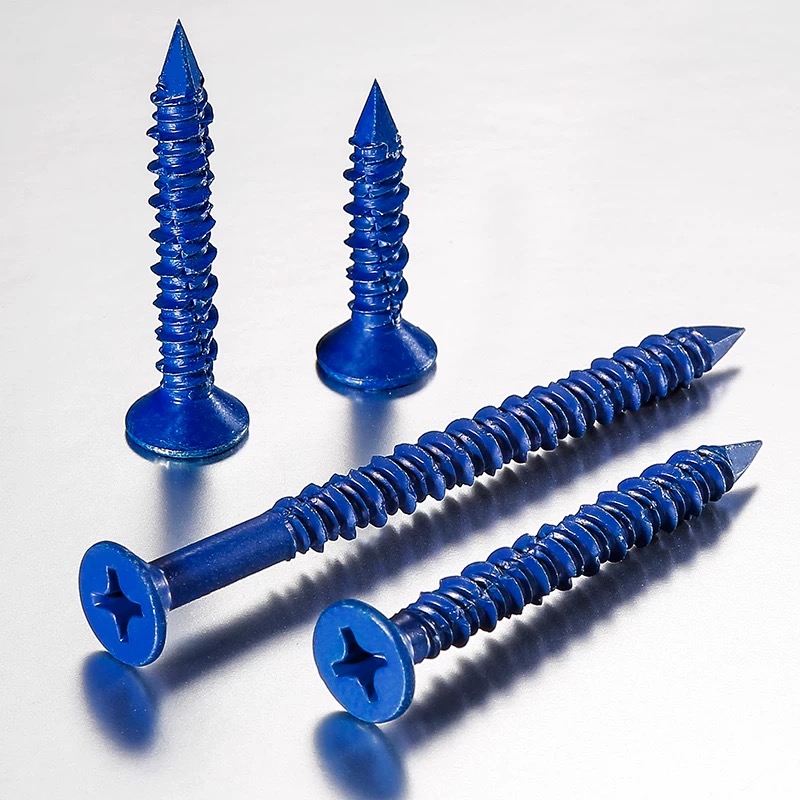
That is especially true for visible hardware such as blue coated screws used in furniture, light construction, or general assembly work. A coating can signal product family, help with organization on the line, or simply provide a practical surface finish. But a bright finish does not automatically mean better protection, and a colored finish does not tell you everything about the base metal underneath. Buyers need to separate appearance from function.
A quick way to think about coated screws
If you are choosing between best screw coatings for a project, start by asking three questions: where will the screw be used, what material will it join, and how visible will the fastener be after assembly? That simple filter eliminates a lot of bad choices.
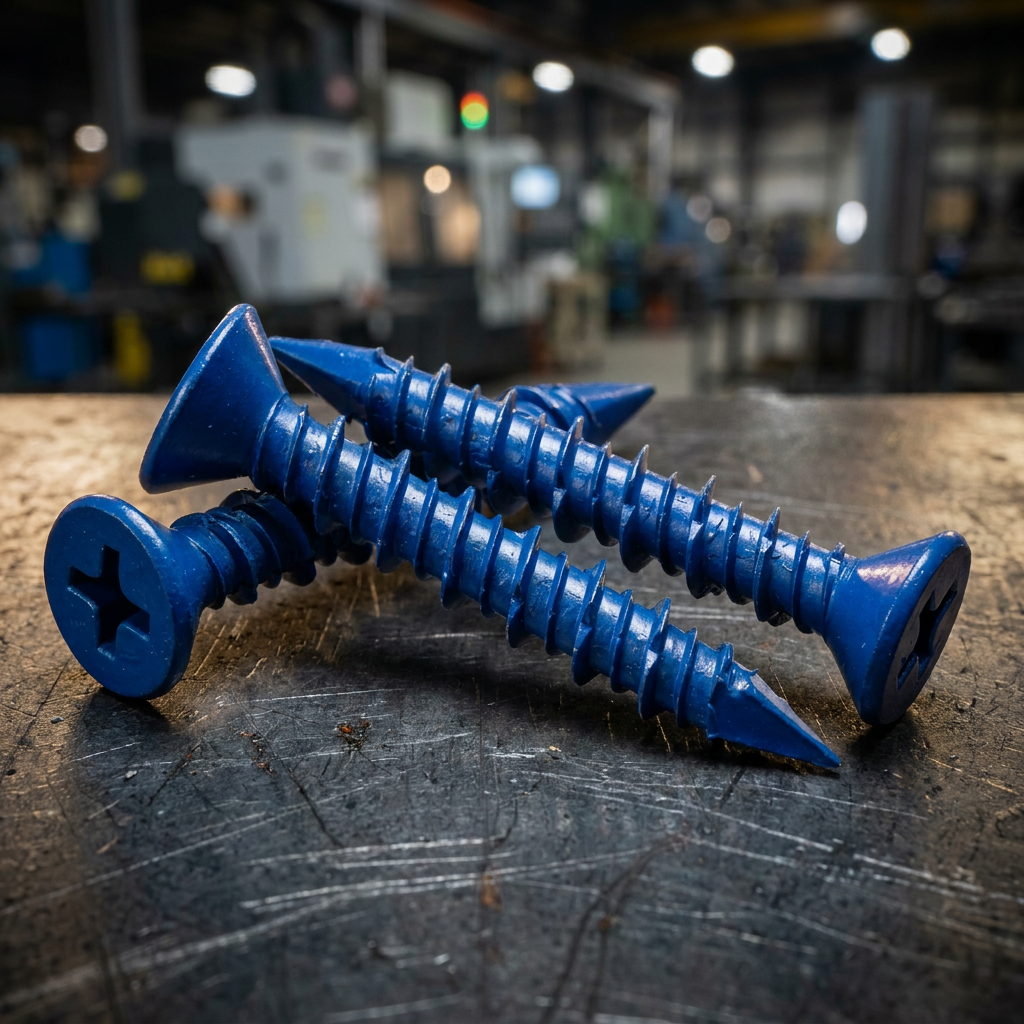
For example, coated screws with coarse threads and pointed tips are often selected for wood or similar materials because they bite quickly and reduce the need for pre-threading. A countersunk head helps the screw sit flush or near-flush, which matters in carpentry and furniture. By contrast, a short machine screw with a flange head is usually chosen when the joint needs a wider bearing surface, such as in enclosures, brackets, or compact equipment assemblies. The coating must suit the job in both cases, but the performance priorities are not the same.
Common screw surface treatment options and what they do
In the fastener market, screw surface treatment can mean several different things: plating, painting, mechanical coating, passivation, or other protective and decorative finishes. The exact chemistry matters, but from a buyer’s point of view the practical question is simpler. Does the finish improve corrosion resistance, lower friction, provide visual identification, or protect the base metal during shipping and storage?
Painted or colored coatings
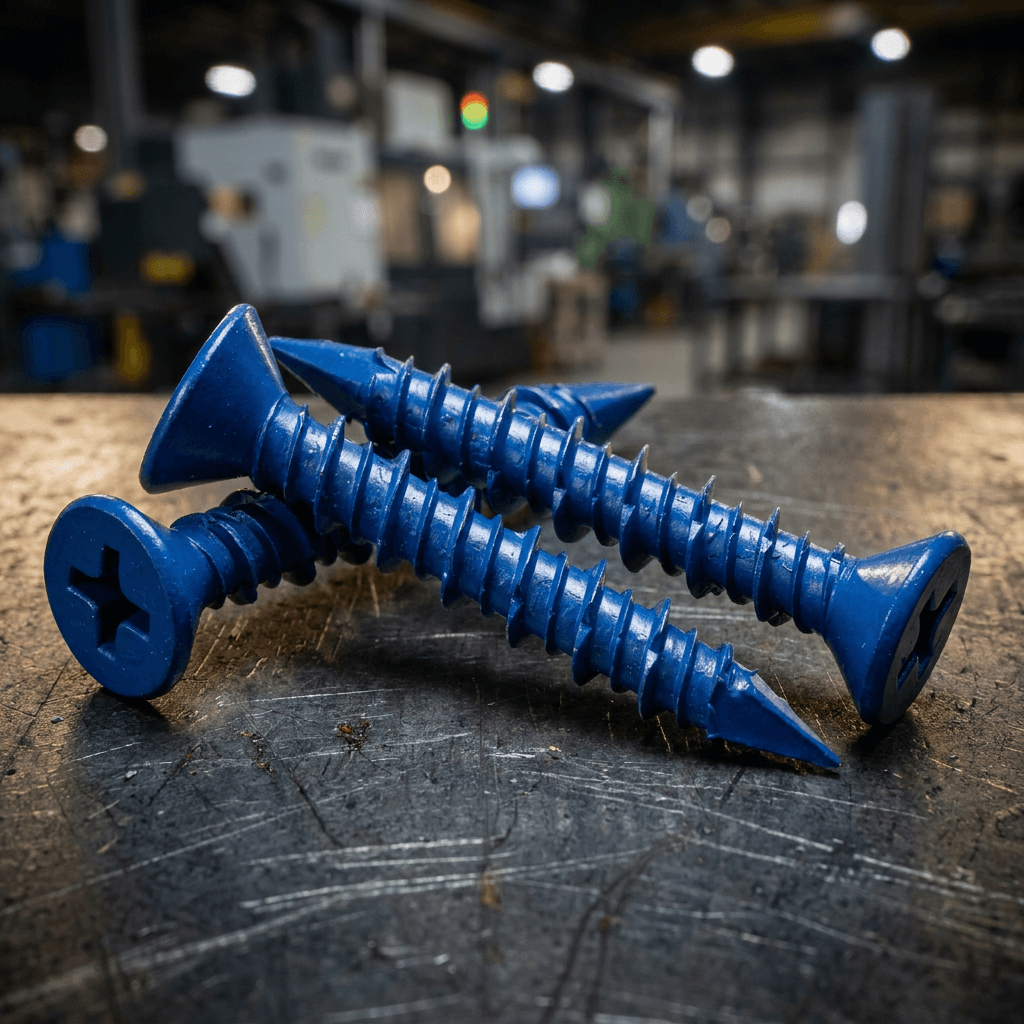
Blue coated screws, for example, may be used for identification or appearance as much as for protection. A colored finish can be useful in assembly environments where parts are sorted by product line or application. The caution here is obvious: color alone does not confirm corrosion performance. If the screw will live in a damp room, outdoors, or near cleaners, the buyer should ask for the actual coating specification rather than assuming the blue layer is protective enough.
Metallic finishes and plated surfaces
Silver-colored fasteners often rely on a plated or otherwise bright metal finish. These are common on machine screws with pan-style or flange heads, especially when the part needs a neat appearance and a consistent drive recess, such as Phillips or Torx. A smooth, bright finish may improve assembly feel and provide a cleaner look, but again, the real question is what the coating is doing for corrosion and wear.
Matching coating to screw design
The screw geometry tells you a lot about the likely use case. Long, coarse-threaded, pointed screws are typically built for driving into wood or other softer materials. Here, coating selection should support easy drive-in and practical handling on the job. If the finish is too thick or uneven, it can affect insertion consistency. That is not a dramatic failure, but it becomes annoying on a production line.
Short machine-style screws with integrated washers or flange heads serve a different purpose. They are often used in assemblies where the head must spread load over a larger area. For these, a stable screw surface treatment is important because the head is part of the bearing interface. In compact equipment, that bearing face can be the difference between a secure joint and a part that marks or loosens too easily.
Buyer mistakes that cause avoidable trouble
The most common mistake is buying by appearance. A second mistake is assuming one coating will suit every environment. It will not. A third is ignoring the drive style and head form. A screw with the wrong recess or an inappropriate head design can slow assembly more than any coating issue ever will.
There is also a tendency to over-specify when the application does not need it. If the screw is hidden inside furniture or a dry indoor assembly, the most expensive finish is not always the smartest choice. On the other hand, under-specifying a coating for a product that will see humidity, vibration, or repeated handling is a false economy. Fasteners are cheap until they start causing returns.
What to ask a supplier before you place an order
When sourcing coated screws, ask for the base material, coating type, relevant standards, and whether the finish affects drive performance or thread fit. If you are buying from a manufacturer that also offers non-standard customization, confirm whether the part can be matched to your assembly line requirements, packing needs, or brand color. Jiangmen Jinhe Hardware Co., Ltd., for example, produces machine screws, self-tapping screws, micro screws, and precision screws in materials such as stainless steel, iron, and aluminum, and works to GB, DIN, ANSI, BS, JIS, and ISO standards. That breadth matters when you need a finish and fastener type that fit an actual production environment, not just a catalog photo.
For furniture, electronics, building materials, and other high-volume categories, buyers should also confirm inspection documentation and logistics support. A coating problem caught after shipment is expensive; a coating problem caught before packing is just a supplier conversation.
Practical takeaway for sourcing teams
Choose the screw coating types that match the use case, not the marketing description. Use appearance as one input, not the deciding factor. For coarse-threaded blue coated screws, focus on substrate compatibility and whether the color is decorative, coded, or genuinely protective. For flange-head machine screws, check the finish in relation to bearing surface, drive stability, and corrosion exposure.
If you are comparing options and need a more specific recommendation, send the screw drawing, application environment, and assembly method to the supplier before you place the order. A good fastener partner will tell you quickly whether the finish is sensible, overbuilt, or risky for the job.
If you are planning a new build or standardizing a hardware range, ask for coating samples and production-side advice before locking the spec. That small step saves far more time than polishing a failed purchase later.