
-
Screw Manufacturer China: How to Transfer an Existing Program
Moving an existing screw program to a new supplier is not a normal price inquiry. The safest transfer starts by freezing what the part must do, documenting which sample and drawing are authoritative, and validating a production-intent lot before the old source is removed. For a buyer searching screw manufacturer China, the real task is to transfer the approved product definition, assembly context, inspection method, packaging master, and known failure history—not just mail an old screw and ask for a copy.
This guide is for OEM purchasing teams, hardware distributors, furniture and equipment manufacturers, private-label brands, importers, and engineers who need a replacement source or a second source. It explains how to separate design intent from wear and production variation, build a usable transfer pack, resolve drawing-to-sample conflicts, approve representative samples, control the first production lot, and prepare an inquiry that a manufacturer can review without guessing.
Quick answer: how do you change screw suppliers without losing fit?
Use one controlled transfer package. It should contain the current drawing and revision, an identified approved sample, the mating components or assembly details, material and finish requirements, critical dimensions, inspection criteria, packaging and label masters, order history that is relevant to the specification, and a list of known defects or deviations. Require the new supplier to record open questions, propose a manufacturing route, submit production-intent samples, and obtain written approval before bulk production.
Transfer element What the buyer supplies What the new supplier confirms Product definition Drawing, revision, approved sample, standard Feasibility, process route, open characteristics Application Mating part, joint stack, hole, driver, environment Interfaces and features that need validation Quality plan Critical features, gauges, tests, acceptance rules Measurement method, frequency, records Approval Sample stages and sign-off authority Which sample represents production conditions Packaging Pack count, label, barcode, artwork, carton master Pack method and identification controls Cutover Demand, safety stock, old-source timing Sample, first-lot, and repeat-order milestones The objective is functional equivalence to the approved requirement, not visual imitation of one loose part. A successful transfer produces a controlled specification that both parties understand and can use for repeat orders.
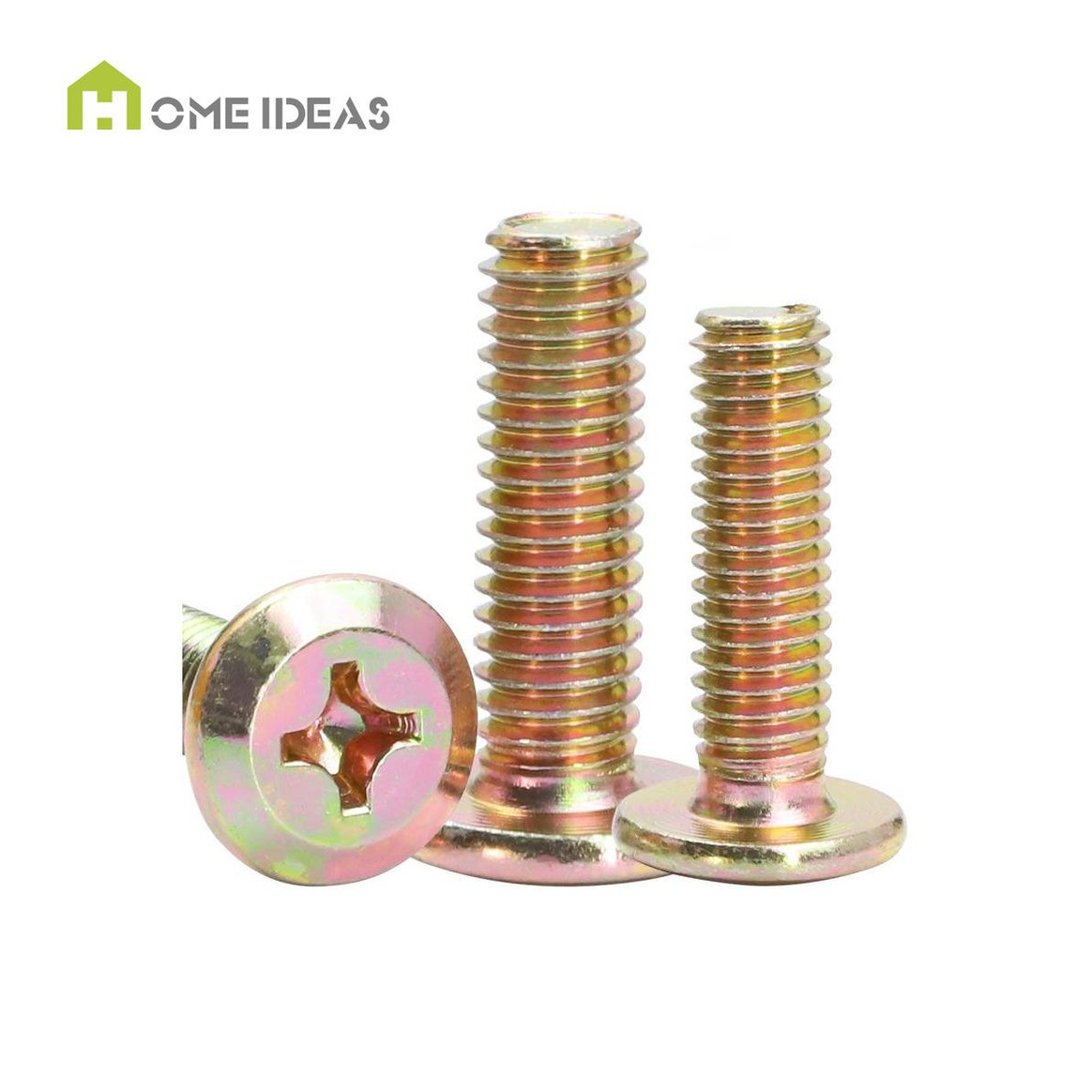
Begin with an identified approved part and its application, not an anonymous loose sample. Review the JHFIX screw categories. Why supplier transfer is more difficult than a new RFQ
A new design normally starts with an engineering requirement. A transferred part often arrives with layers of history: a drawing that was never updated, a sample taken from production, an informal email approving a deviation, a finish name that means different things to different vendors, and packaging artwork stored in another department. The part may work, but the organization may not have one complete record explaining why.
That history creates several risks. The new factory may copy wear from a used sample. It may follow the drawing while the old supplier has been producing an approved deviation. It may reproduce dimensions but choose a different material condition or surface process. It may make an acceptable screw and still deliver it under the wrong part number, barcode, or pack count.
Price pressure can hide these gaps. Two quotations may look comparable while one includes tooling, defined inspection, controlled packaging, and a production-intent sample, and the other is based only on a photograph. The buyer should normalize the technical and commercial scope before comparing unit prices.
Decide why the program is moving
The transfer strategy should match the reason for change. A buyer may need a second source, more suitable manufacturing capability, better documentation, geographic diversification, new packaging, a different commercial structure, or a replacement for a supplier that can no longer support the part. Each reason changes the questions asked during qualification.
If the current part has quality problems, do not instruct the new supplier to copy it exactly. First define which features are approved and which symptoms must be corrected. If the objective is capacity resilience, the new source may need to match the existing approved product closely enough for interchangeable use. If the program also changes material, finish, geometry, or packaging, treat those items as controlled engineering changes rather than hiding them inside a sourcing transfer.
Write a one-paragraph transfer objective before contacting factories. State whether the goal is duplicate supply, corrective redesign, cost review, packaging consolidation, or a planned phase-out. This helps engineering, quality, procurement, and the supplier make the same decision.
Build the transfer pack before requesting a quotation
A transfer pack is the minimum controlled information needed to reproduce and verify the part. It does not need to be elegant, but every document and sample should have an owner, identifier, and revision or date.
1. Current controlled drawing
Provide a 2D drawing when available. Include the part number, revision, units, thread designation, head, drive, point, material, finish, dimensional tolerances, and any named standard that actually applies. Mark critical-to-function characteristics rather than declaring every dimension equally critical. If a 3D model is used, state whether it controls geometry or is for reference only.
Do not send an old drawing without checking that purchasing, engineering, and quality are using the same revision. A file name such as “final-new-2” is not reliable revision control.
2. Identified approved sample
Choose an unused or well-preserved approved sample if possible. Seal or label it with the part number, drawing revision, source lot, approval date, and approver. If it is a returned field part or a used assembly, disclose that condition. Wear, coating damage, deformation, corrosion, and thread contamination can distort measurements.
A sample is valuable because it shows real geometry, finish, drive engagement, and assembly behavior. It should not silently override the drawing. The transfer team must decide how conflicts are resolved.
3. Application and mating parts
Explain where the screw goes. Supply the mating nut, insert, tapped component, bracket, panel, extrusion, or representative joint when practical. Show the hole, pilot hole, joint stack, head seat, installation direction, driver, assembly torque or process requirement if it is controlled, and the consequences of poor fit.
A screw that passes dimensional inspection may still interfere with a recess, strip a soft substrate, bottom in a blind hole, or fail to reach full thread engagement. The new supplier needs enough context to identify these interface risks.
4. Material and finish evidence
State the base material and grade or the governing material specification. Define the finish with more than a color word. Include coating type, appearance reference, thickness or performance requirement when controlled, and any buyer-required declaration or test. If the old documentation is missing, identify the requirement as unresolved and agree on a verification plan.
Do not infer material from color. A silver-colored fastener may use several base materials or finishes. A black surface description alone does not establish corrosion performance, coating chemistry, or restricted-substance compliance.
5. Inspection and defect history
Share the characteristics that have caused receiving, assembly, field, or packaging problems. Useful records may include nonconformance descriptions, photographs, gauge disagreements, sorting results, or assembly symptoms. Remove personal or commercially sensitive information that the new supplier does not need, but preserve the technical lesson.
The point is not to punish the old source. A concise defect history helps the new manufacturer design controls around real failure modes. It can also reveal that the problem originated in the mating part or assembly process rather than the screw.
6. Packaging and identification master
Include the quantity per bag or box, inner and outer packaging, label fields, part number, description, barcode data, artwork revision, lot code, carton marks, and any model-specific kit relationship. Provide an approved physical pack or clear photographs if appearance matters. State whether substitutions in bag, box, label stock, or pack count require approval.
Resolve drawing, sample, and purchase history conflicts
Conflicts are common during supplier transfer. The drawing may specify one head height while the approved sample measures differently. The purchase order may use an informal finish name. The sample may contain a chamfer not shown on the drawing. Ignoring these differences only postpones the decision until tooling or inspection.
Create a discrepancy log with four columns: characteristic, drawing requirement, sample observation, and final disposition. For each line, engineering or another authorized owner should decide whether to follow the drawing, revise the drawing, accept a documented range, or conduct a functional trial. Record who made the decision and which revision incorporates it.
Do not average several conflicting samples and call the result the specification. Production samples show process variation, and used parts may show wear. Measurements can inform the decision, but design intent and application performance must determine the approved requirement.
Do not reverse-engineer wear into the new part
When only an old sample exists, reverse engineering may be necessary. That work should distinguish manufactured geometry from service effects. Check for rounded drive features, stretched threads, damaged points, worn plating, bent shanks, peened heads, installation marks, or material removed during disassembly.
Use more than one sample when available and compare unused inventory with field returns. Measure the mating component and assembly. Ask whether the observed feature has a functional reason. A small flat, radius, lead, or under-head transition may result from the process, tooling, or wear; it should not be copied without review.
The output of reverse engineering should be a controlled drawing or specification, not a promise to “make it exactly like the photo.” Mark uncertain characteristics and confirm them through sample assembly before freezing the design.
Evaluate the new manufacturer against the transferred part
A generic factory presentation is not enough. Ask the candidate to review the actual part family, material, geometry, finish, tolerance, quantity, inspection, and packaging. The manufacturer should identify which operations are performed internally, which are outsourced, which gauges or methods are proposed, and which information is still missing.
For a custom screw, the route may include wire selection, heading, point formation, thread rolling or tapping-related operations, heat treatment where specified, cleaning, surface finishing, sorting, inspection, and packaging. Not every screw uses the same route. The factory should explain the applicable sequence after reviewing the drawing.
JHFIX publicly describes cold heading, tapping, stamping, injection molding, assembly, packaging, inspection, and warehousing within its operating system. Those general capabilities are relevant to screw and hardware programs, but the exact process, equipment, tooling, material, finish, testing, capacity, MOQ, and schedule for a transferred part require project-specific confirmation.
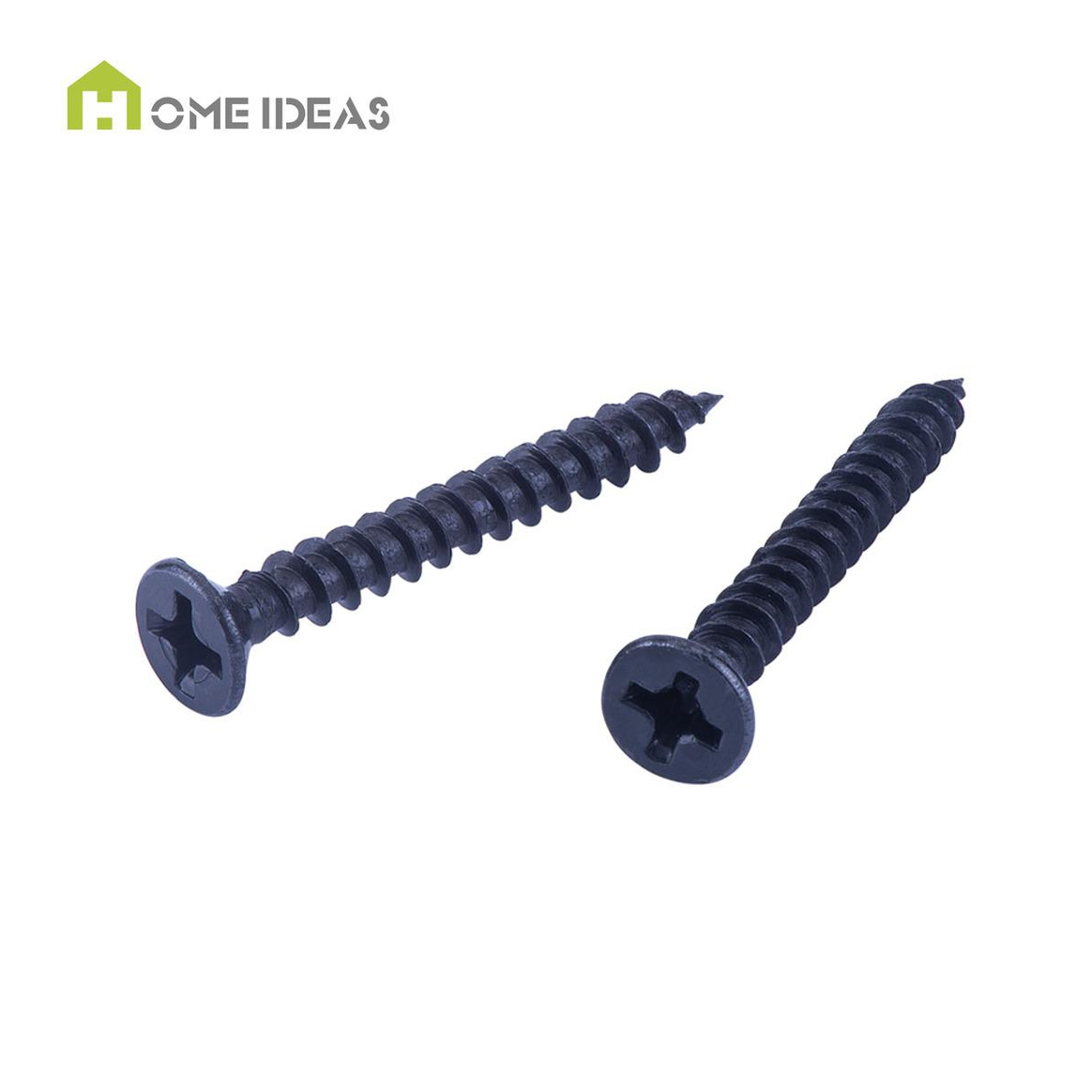
A transferred part should be reviewed as a combination of thread, head, drive, point, material, finish, and application. See specialty and custom screws. Ask for a proposed control plan, not a generic quality promise
A useful control plan connects each important characteristic to a method, frequency, responsibility, and record. It should distinguish incoming material control, first-piece verification, in-process checks, final inspection, and packaging audit. Features that affect assembly may need functional gauges or mating-part checks in addition to dimensional measurement.
Questions for the new supplier include:
- Which characteristics are checked at setup and during production?
- Which measuring equipment or gauges are used?
- How are thread, recess, head, point, straightness, and finish verified where applicable?
- How are measuring methods aligned with the buyer when results differ?
- How are nonconforming parts identified and segregated?
- How are tooling changes, rework, and process changes recorded?
- How are packaging count, label, and barcode checked?
- Which records will accompany samples or the first lot?
ISO 3269:2019 describes an acceptance-inspection procedure for fastener lots within its scope. It does not replace a drawing, application-specific control plan, or buyer-defined testing for a specially engineered part. The parties should agree on the standards and acceptance rules that apply to the actual program.
Use more than one sample stage when risk justifies it
One sample can answer a narrow question, but it may not represent repeat production. Define the purpose of each sample stage.
Feasibility or reference sample
This sample may be a similar catalog part, an early prototype, or a part made by a temporary method. It can help confirm dimensions and assembly direction. It should not be called production-approved if material, tooling, finish, or process differs from the proposed bulk route.
Tooling or engineering sample
This stage evaluates the proposed geometry and manufacturing concept. It may reveal forming limits, head fill, drive definition, thread behavior, or coating effects. Record deviations and the next changes instead of accepting an undocumented “close enough” sample.
Production-intent sample
A production-intent sample should use the proposed material, tooling, process route, finish, inspection method, and packaging as far as reasonably possible. It is the strongest basis for assembly validation and approval before the bulk order. If any condition is not representative, list it in the sample report.
First production lot
The first commercial lot tests whether the approved conditions can be maintained at order scale. Increase review on agreed critical features, traceability, packaging, and shipping identification. Keep enough old-source or safety stock to avoid forcing acceptance of a questionable first lot.
Create a usable golden sample
A golden sample is an approved physical reference linked to controlled documentation. It is not an unmarked screw kept in a buyer’s desk. Seal or protect the sample, assign the part number and revision, note the approval date, and state what it represents. The buyer and supplier may each retain an identified matching set.
The golden sample can help compare appearance, geometry, drive engagement, finish color, and packaging presentation. It should be used together with the drawing and inspection criteria. Physical samples can age, corrode, become mixed, or be damaged, so they cannot replace written specifications.
If the part is changed, decide whether the old golden sample is archived or replaced. Never keep two active samples under the same part number without a documented distinction.
Validate the screw in the real assembly
Dimensional approval is necessary, but the assembly is where hidden transfer errors appear. Test the new sample with the intended mating components, substrate, pilot hole, joint stack, driver, fixture, and installation sequence. Use production-representative materials rather than a convenient substitute when those conditions affect performance.
Depending on the application, review:
- thread start and engagement;
- head seating and surrounding clearance;
- driver fit, access, and recess damage;
- bottoming or insufficient engagement;
- alignment of connected parts;
- substrate cracking, splitting, or stripping;
- appearance of visible heads;
- removal and reassembly if the product requires it;
- buyer-defined torque, load, corrosion, or environmental tests when applicable.
The buyer should define the method and acceptance criteria. Do not borrow a numerical test value from an unrelated application. A result is meaningful only when the specimen, equipment, procedure, and acceptance rule are controlled.
Transfer the package, label, and barcode with the screw
Packaging errors can stop a receiving line even when every screw is dimensionally correct. The transfer pack should identify the unit quantity, bag or box, inner-pack relationship, label position, part description, revision, barcode data, lot code, carton quantity, and shipping marks.
Ask for a packaging proof before the first shipment. Scan the barcode using the buyer’s normal receiving method. Compare printed text with the purchase order and approved artwork. Confirm whether the pack needs moisture protection, separation of finished parts, model-specific counts, private-label artwork, or components arranged as a kit.
If the new factory proposes a packaging change for efficiency, treat it as a controlled proposal. A thinner bag, different box size, changed count, or new label stock may affect handling, shelf presentation, automated receiving, or the number of packs issued to production.
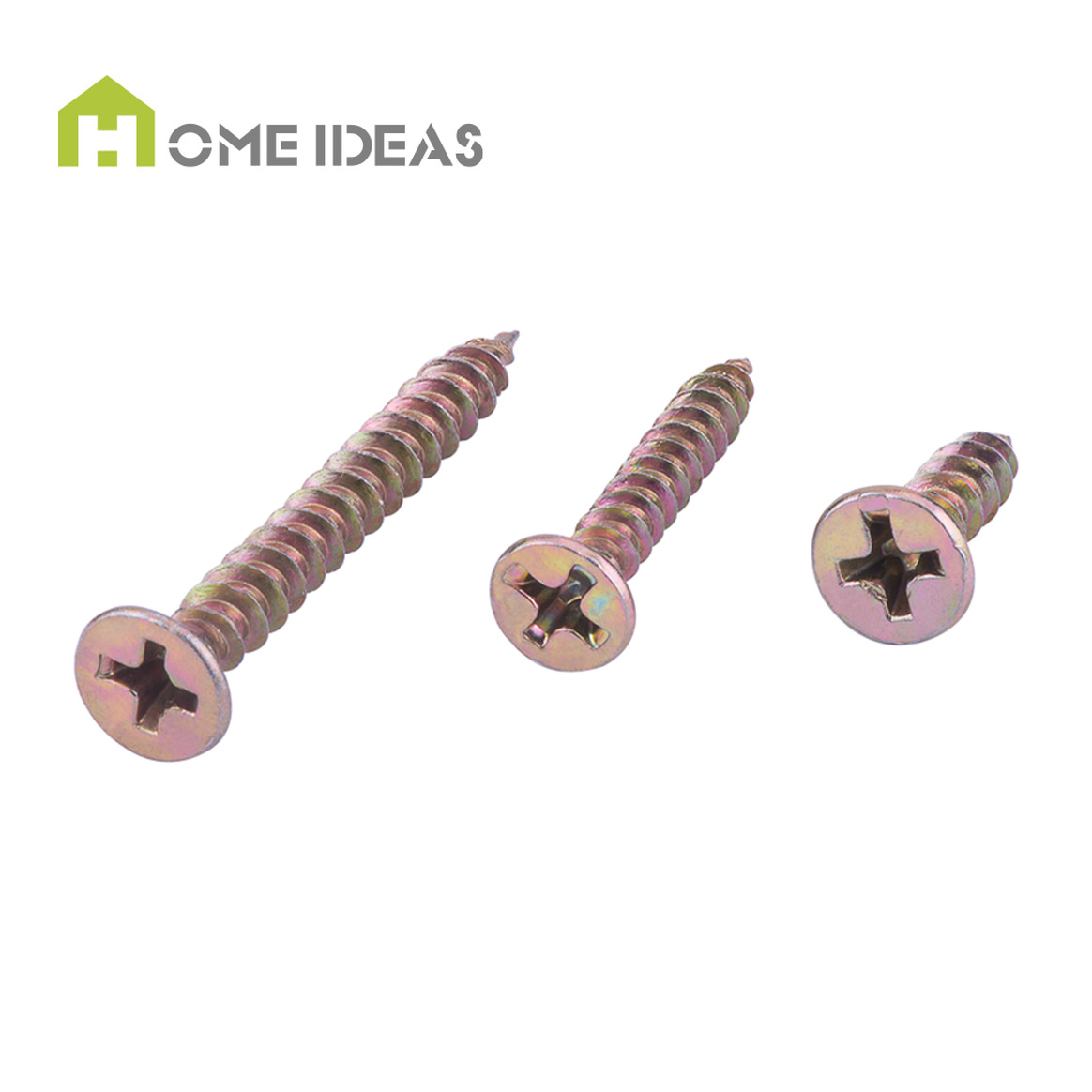
Production approval should connect the screw, inspection records, packaging, and export documentation. Review JHFIX Global Sales & Export. Plan a phased cutover
A low-risk transfer keeps the old and new supply decisions separate until the new source has demonstrated acceptable output. The exact sequence depends on demand and business risk, but a typical plan includes document review, feasibility confirmation, sample approval, assembly validation, packaging approval, first-lot inspection, controlled release, and repeat-order monitoring.
Maintain enough inventory or schedule flexibility to investigate a first-lot issue. Do not create a deadline that turns technical approval into an emergency. If dual sourcing is the long-term model, define whether lots from both suppliers may be mixed, whether appearance must match, and how traceability is preserved.
After the first successful order, review the second and later lots against the same controlled documents. A transfer is not complete merely because one sample passed. Repeat-order consistency and change control are part of supplier qualification.
Compare quotations on the same transfer scope
Quotation item What to compare Common hidden gap Part basis Drawing revision, sample, material, finish Quote based on a photo or incomplete description Tooling New tooling, ownership, maintenance, change cost Tooling excluded or temporary method assumed Samples Stage, quantity, process representation, reports Prototype presented as production-intent Inspection Characteristics, frequency, records, buyer witness Generic “QC included” statement Packaging Count, format, label, barcode, carton, artwork Bulk pack quoted instead of buyer pack Commercial terms MOQ, order quantity, Incoterm, payment, schedule Different quantities or delivery bases Change control Approval for material, source, process, finish, pack No written notification requirement Ask every candidate to list exclusions and assumptions. A higher unit price may include requirements that another quotation omitted. Normalize the scope before negotiating.
Red flags during a screw supplier transfer
- The supplier quotes from one photograph without requesting dimensions, material, quantity, or application.
- The sample and drawing conflict, but no discrepancy is recorded.
- A prototype made by a different process is presented as mass-production approval.
- The supplier promises every tolerance, finish, and test before reviewing feasibility.
- Material or coating is identified only by color.
- The inspection answer is “100% quality” with no method or acceptance rule.
- Similar-looking screws are allowed as substitutes without written approval.
- Packaging, labels, and barcodes are left until after production.
- The quotation, invoice, payment beneficiary, factory, and exporter roles are unclear.
- The buyer plans to end the old source before approving the new production-intent lot.
A red flag does not always disqualify a supplier. It shows where a documented answer or corrective step is needed before commitment.
Questions to ask a screw manufacturer China candidate
- Which document or sample will be treated as the product authority?
- What conflicts or missing details did you identify in the transfer pack?
- What manufacturing route do you propose for this exact part?
- Which operations are internal, and which require approved external processing?
- Which new tooling is required, and how will tooling changes be controlled?
- How will material and finish requirements be verified?
- Which characteristics are critical to production and assembly?
- What sample stages do you recommend before bulk production?
- How will the production-intent sample differ from the first commercial lot?
- Which inspection methods and records can be agreed?
- How will packaging, part numbers, labels, and barcodes be approved?
- How are material, process, source, tooling, or packaging changes communicated?
- Which company manufactures, quotes, invoices, receives payment, and exports?
- Which MOQ, schedule, and capacity statements remain subject to technical review?
When JHFIX may fit a transferred screw program
JHFIX’s public product structure includes self-tapping screws, wood and furniture screws, machine and socket screws, furniture and Chicago screws, and specialty or custom screws. The site also presents related furniture hardware, nuts, stamped components, several packaging formats, inspection, and international sales coordination.
This mix may suit buyers who need a part-specific screw review, matching hardware, packaging, or a consolidated OEM program. It does not mean every material, thread, finish, tolerance, test, size, or volume is automatically available. Send the transfer pack so the team can confirm the proposed manufacturing route, samples, tooling, inspection, packaging, MOQ, schedule, and commercial terms for the exact part.
JHFIX publicly states that Jiangmen Jinhe Hardware Products Co., Ltd. is the manufacturing company and Jiangmen Shenxin Trading Co., Ltd. is the authorized export and trading partner. Buyers should review this structure on the Global Sales & Export page and make sure the quotation, purchase order, invoice, payment instructions, and shipping documents reflect the agreed counterpart.
Screw supplier transfer RFQ checklist
RFQ section Information to send Transfer objective Second source, replacement source, corrective redesign, cost review, or packaging change Part definition Part number, drawing, revision, standard, 2D/3D files Samples Approved unused sample, used sample condition, mating parts, packaging master Application Joint, substrate, hole, head seat, driver, assembly sequence, environment Material and finish Grade, coating specification, appearance, declarations or tests required Critical features Dimensions, thread, recess, point, straightness, fit, appearance Quality history Known defects, approved deviations, gauge or assembly concerns Validation Sample stages, mating checks, buyer-defined tests, approval authority Volume Sample quantity, initial order, repeat estimate, variant count Packaging Pack count, bag/box/kit, label, barcode, artwork, carton marks Documentation Inspection report, material or finish evidence, lot identification Delivery Destination, requested Incoterm, launch or cutover constraints If information is missing, label the field “open for technical review.” Do not invent a material, tolerance, test, or performance value simply to complete the form.
Frequently asked questions
Can a new manufacturer copy a screw from a physical sample?
A physical sample can support dimensional and functional review, but it may contain wear, damage, production variation, or an undocumented deviation. The safer approach is to create or confirm a controlled drawing, document uncertain features, and validate production-intent samples in the real assembly.
Which controls when the drawing and approved sample disagree?
The buyer’s authorized engineering or product owner should decide. Record the discrepancy, determine design intent and functional impact, then revise the drawing, document an approved deviation, or define another controlled disposition. Do not let the supplier choose silently.
What is a golden sample for screws?
It is an identified, protected physical reference linked to a part number, specification revision, approval date, and agreed characteristics. It supports visual and functional comparison but does not replace drawings, material requirements, or inspection criteria.
What is a production-intent sample?
It is a sample made using the proposed production material, tooling, process route, finish, inspection, and packaging as far as practical. Any non-representative condition should be disclosed. It provides stronger approval evidence than a temporary prototype.
Should I send the mating part to a screw manufacturer?
Yes when fit, seating, engagement, installation, or appearance depends on the mating component. A nut, insert, bracket, panel, tapped part, driver, or representative assembly can reveal issues that loose-part measurements miss.
How should the first production lot be handled?
Agree on increased review for critical characteristics, assembly fit, finish, traceability, count, labels, barcode, and packaging. Keep schedule or inventory protection so the lot can be evaluated without emergency acceptance. Release it only under the buyer’s agreed procedure.
Can I use two screw suppliers at the same time?
Dual sourcing can reduce dependence, but both sources should work to the same controlled product definition. Decide whether parts may be mixed, how visible appearance is managed, how lots remain traceable, and how changes are approved.
What should I send JHFIX for a transfer review?
Send the drawing and revision, approved sample, application and mating parts, material and finish, critical characteristics, known defect history, inspection expectations, sample stages, quantity, packaging, labels, destination, and a list of unresolved questions. JHFIX can then evaluate feasibility and identify what requires further confirmation.
Transfer the specification, not only the screw
The most dependable screw manufacturer China transfer is built on a controlled definition of fit, function, finish, inspection, identity, and packaging. A sample starts the conversation. A documented specification, representative approval, and controlled first lot make the program repeatable.
Keep the drawing, golden sample, discrepancy log, control plan, packaging master, quotation, and purchase order aligned. When one element changes, review the others that it affects. That discipline protects the buyer from copying an old defect and gives the new factory a fair basis for producing the correct part.
Planning to replace or add a screw supplier? Send JHFIX your transfer pack, drawing or approved sample, mating parts, application, material and finish requirements, quantity, inspection needs, packaging, and destination. Start with Global Sales & Export, explore specialty and custom screws, or review the full screw product range.
References
Screw Manufacturer China: How to Transfer an Existing Program
A practical buyer guide for moving an existing screw or fastener program to a new Chinese manufacturer without losing fit, function, identification, or packaging control. It explains the transfer pack, golden sample, drawing conflicts, production-intent approval, first-lot checks, change control, and RFQ details.

Jiangmen Jinhe Hardware Products Co., Ltd.
Written byOctober 31, 2026
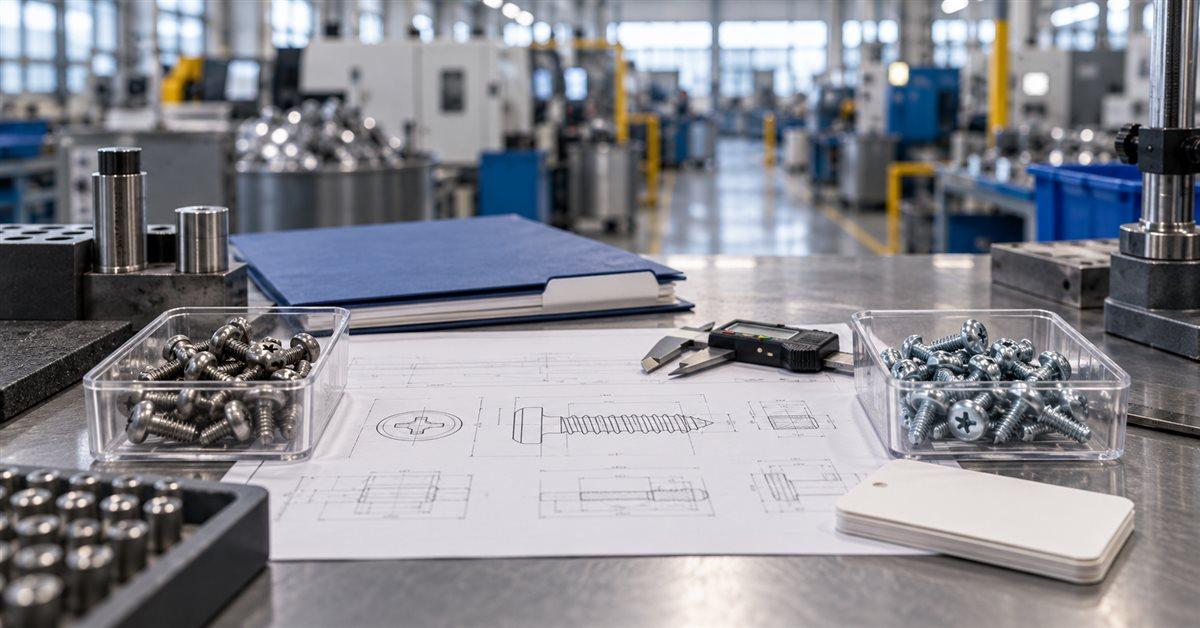
Tags
Featured Blogs
Discover more insights and tips from our latest articles

Fasteners & Screws
HTS Code for Screws: How US Buyers Classify 7318 Fasteners Before the Container Ships
The HTS code for screws is decided by function, material and dimensions, not by the photo in a catalogue. This buyer guide maps heading 7318 subheading by subheading, shows which invoice fields a US broker actually needs, and gives the ten-point checklist to settle classification before the container ships.
Read More
Furniture Hardware
Confirmat Screw Size Chart: 5 mm, 6.3 mm and 7 mm for 16–25 mm Panels
Confirmat screw sizes follow panel thickness: 5 × 50 mm for 16 mm board, 7 × 50 mm for 18–19 mm board and 7 × 70 mm for 25 mm panels. This guide gives the size chart, the matching three-step drill bit, hole depths, installation sequence and the fields to put on a bulk purchase order so the joint assembles the same way every time.
Read More
Fasteners & Screws
Metric vs Standard Screws: How US Buyers Stop Thread Mismatch in Imported Hardware
Metric vs standard screws look almost identical but never interchange. This buyer guide shows how to identify each thread system in under a minute, the close-size pairs that strip joints, the gauges that prove a lot, and how to write a BOM thread callout that survives a China-to-US handover.
Read More