
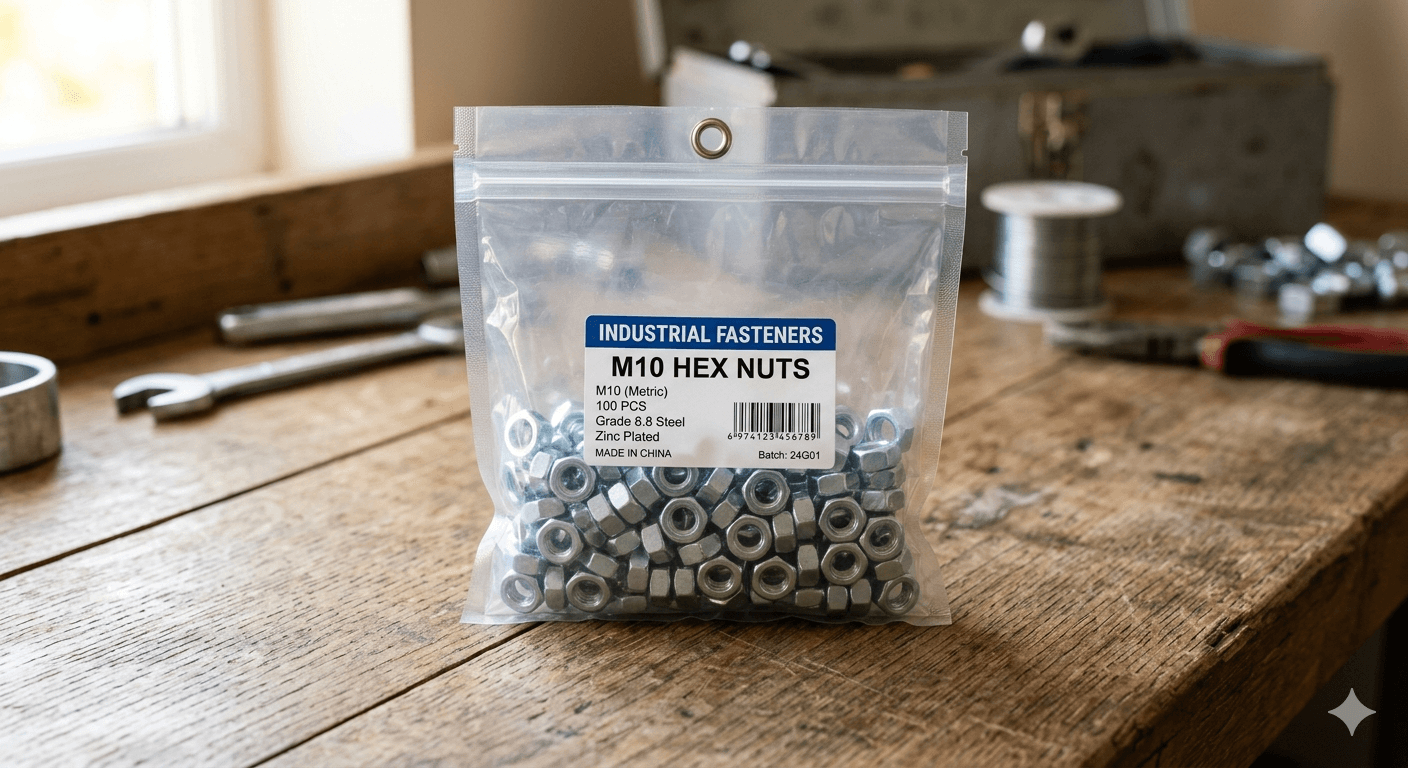
When Standard Nuts Stop Working: The Moment Customization Becomes Necessary
At some point, many engineering teams run into the same quiet frustration.
The nut fits—but not perfectly.
Torque feels inconsistent.
Load distribution isn’t quite right.
Assembly time stretches longer than expected.
Nothing is technically “wrong.” And yet, something isn’t efficient.
This is usually where standard fasteners reach their limits.
In real production environments—especially in OEM projects, multi-material assemblies, or high-load applications—standard nuts often fail to align with actual use conditions. That gap, small as it seems, turns into higher labor cost, increased wear, and long-term reliability concerns.
This is exactly where a custom nut supplier becomes relevant.
At JHFIX, we don’t start from catalog specifications. We start from application conditions—materials, torque requirements, environmental exposure—and design nuts that fit the system, not just the drawing.
Engineering Behind Custom Nuts: More Than Just Size Adjustments
Custom nuts are often misunderstood as simple dimensional variations. In reality, they are engineered components.
A properly customized nut may involve adjustments in:
- Thread tolerance and fit class (ISO metric or UNC/UNF variations)
- Material composition based on load and environment
- Heat treatment levels to balance hardness and ductility
- Surface coatings to control friction and corrosion resistance
- Geometry modifications for better load distribution
For example, increasing thread engagement depth slightly can improve load stability in softer materials. Adjusting coating thickness can reduce torque variability during installation.
Here’s how material selection typically affects performance:
| Material Type | Strength Range | Corrosion Resistance | Typical Custom Use |
|---|---|---|---|
| Carbon Steel | Medium | Low | General OEM use |
| Alloy Steel | High | Medium | Structural loads |
| Stainless Steel A2 | Medium | High | Outdoor products |
| Stainless Steel A4 | Medium-High | Very High | Marine/chemical |
According to International Organization for Standardization, thread fit and tolerance classes directly influence load distribution and fastening performance, especially in precision assemblies.
Why Buyers Turn to Custom Solutions: It’s About Control, Not Complexity
At first glance, customization sounds like added complexity. More variables. More decisions.
In practice, it often simplifies everything downstream.
We’ve seen this shift happen repeatedly. A buyer struggles with:
- Inconsistent torque during assembly
- Fastener mismatch across different materials
- Rework due to thread stripping or misalignment
- Packaging inefficiencies causing delays
Instead of continuing to compensate at the assembly stage, they move upstream—into design and supply.
That’s where we step in.
Our role as a custom nut supplier is to stabilize performance before the product reaches the production line. That includes:
- Matching thread profiles to specific bolt systems
- Adjusting hardness to prevent stripping or deformation
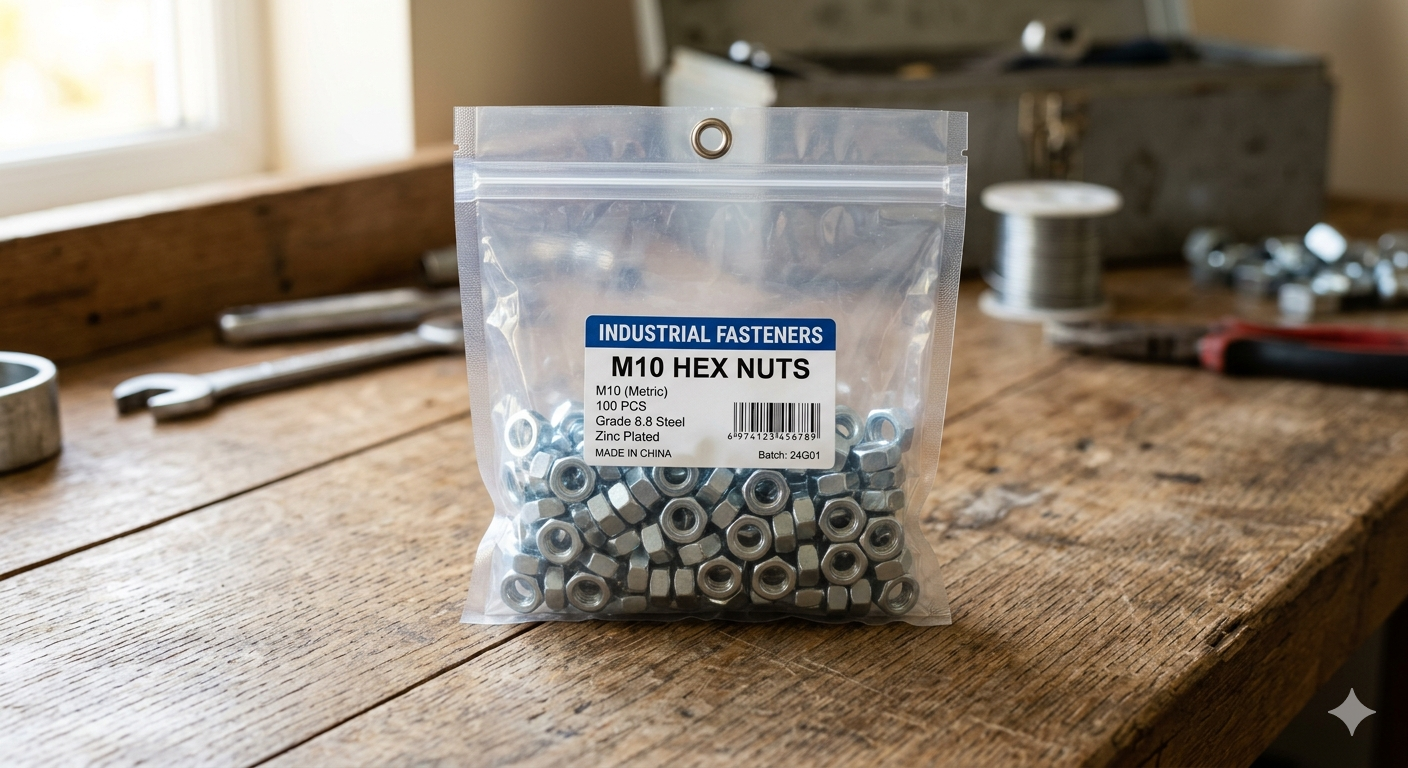
- Designing packaging formats aligned with assembly workflows
- Ensuring batch consistency across long-term supply
The result isn’t just a better nut. It’s a smoother process.
The Hidden Impact of Thread Fit on Assembly Efficiency
Thread fit is one of those details that rarely gets attention—until it becomes a problem.
Too tight, and installation slows.
Too loose, and load stability suffers.
In high-volume environments, even minor deviations can:
- Increase installation time by 10–20%
- Cause torque tool recalibration
- Lead to inconsistent joint performance
Custom nuts allow precise control over thread class (e.g., 6H/6g for metric systems), ensuring predictable engagement.
Organizations like ASTM International emphasize that thread accuracy and tolerance directly affect mechanical reliability and fatigue resistance.
Packaging Customization: Where Efficiency Gains Become Visible
Interestingly, one of the biggest gains from custom nut supply doesn’t come from the product itself—it comes from packaging.
Standard bulk packaging often leads to:
- Counting errors
- Mixed fasteners
- Time-consuming sorting
Custom packaging changes that dynamic.
| Packaging Type | Counting Accuracy | Assembly Impact |
|---|---|---|
| Loose bulk | ~90% | Frequent delays |
| Standard packaging | ~97–98% | Minor inefficiencies |
| Custom packaging | 99%+ | Smooth workflow |
For example, grouping nuts by assembly stage or product unit can reduce preparation time significantly—especially in furniture or modular systems.
A Real Case: When Customization Solved a Persistent Assembly Issue
A client in the modular furniture industry approached us with a recurring problem.
Their standard nuts met all specifications, but assembly teams reported:
- Occasional thread slipping
- Uneven tightening across panels
- Increased installation time
Instead of changing the entire fastening system, we adjusted:
- Thread tolerance for better engagement with their bolt design
- Surface coating to reduce friction variability
- Packaging format to match assembly sequences
Within two production cycles:
- Assembly time decreased by approximately 15%
- Installation consistency improved noticeably
- Customer complaints related to loose fittings dropped
No major redesign. Just targeted customization.
Where Custom Nuts Make the Biggest Difference
Custom nut solutions are especially valuable in:
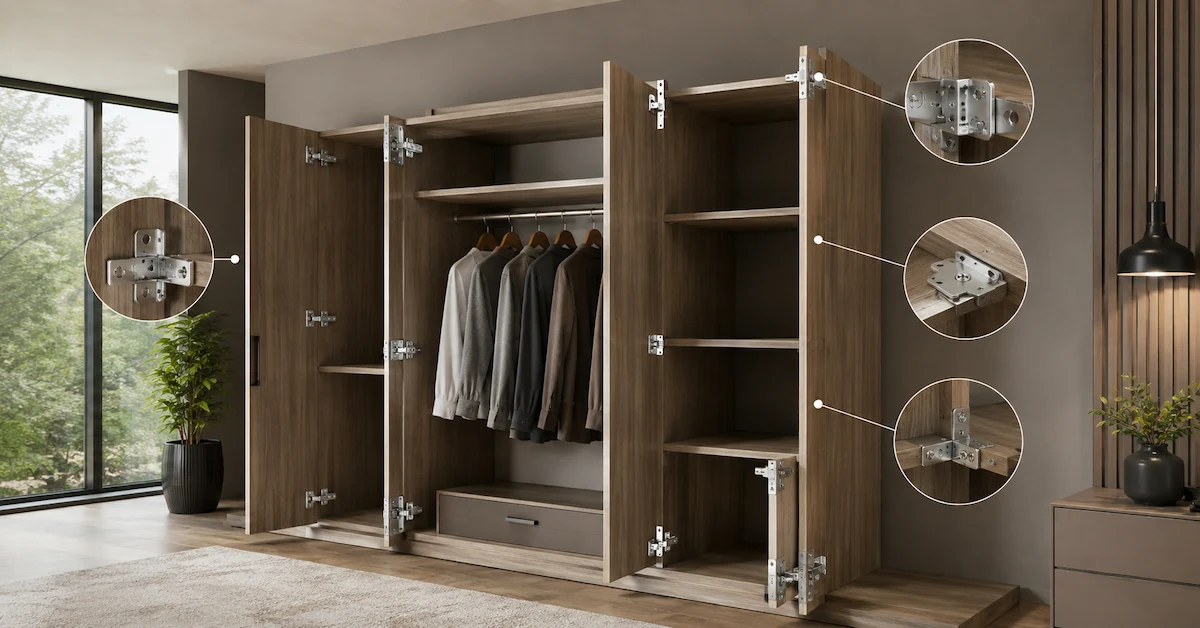
- Furniture systems using mixed materials (MDF, metal, composites)
- Industrial equipment requiring precise load distribution
- Export projects with strict packaging and consistency requirements
- OEM programs with long-term, repeat production cycles
In these environments, standard solutions often create friction. Customization removes it.
Frequently Asked Questions
Q1: When should buyers consider custom nuts instead of standard ones?
When assembly issues, load inconsistencies, or packaging inefficiencies start affecting production performance.
Q2: Does customization significantly increase cost?
Not necessarily. While unit cost may increase slightly, overall savings often come from reduced rework and improved efficiency.
Q3: How long does it take to develop custom nut solutions?
It depends on complexity, but most adjustments can be implemented within standard production cycles.
From Standard Supply to Controlled Performance
Fasteners are often treated as interchangeable components. In reality, they are part of a system—one that connects materials, transfers load, and affects production flow.
Custom nuts bring that system under control.
At JHFIX, we focus on translating real-world assembly challenges into practical fastener solutions—through material selection, thread optimization, and packaging design.
If you want to explore how custom nut solutions can improve your production stability, you can learn more about our capabilities here:
https://www.jhfix.com/
And if you’re currently dealing with recurring assembly inefficiencies or inconsistent fastening performance, it may be time to look beyond standard options. You can contact our team here to discuss your project and explore a more optimized solution:
https://www.jhfix.com/contact-us