
What buyers are really looking for in Guangdong screw manufacturers
When engineers and sourcing managers search for Guangdong screw manufacturers, they are rarely just comparing catalog pages. They are trying to reduce risk: will the supplier hold dimensions consistently, can they support repeat orders, and do they understand the difference between a commodity fastener and a screw that has to work inside an appliance, a medical device, or an automation assembly? That is the real decision behind the search.
Guangdong has built a dense fastener supply chain, so the market looks broad at first glance. But broad is not the same as dependable. A buyer still has to separate real screw manufacturers Guangdong from trading layers, and that is where the details matter. Material control, thread quality, inspection discipline, and the ability to produce both standard and non-standard parts usually tell you more than a polished website.
Why Guangdong keeps drawing fastener buyers
For many purchasers, Guangdong is attractive because the region combines manufacturing depth with flexible service. One plant may focus on machine screw manufacturers Guangdong buyers need for assemblies with stable torque behavior. Another may specialize in self-tapping screws, micro screws, or precision screws. The advantage is not only product variety; it is also proximity to downstream industries such as electronics, furniture, building materials, and appliance production.
That matters because a screw is rarely bought in isolation. It sits inside a production system. If the supplier understands the end use, they are more likely to anticipate practical issues such as assembly efficiency, packaging format, corrosion concerns, or how a fastener behaves on a line that runs fast and cannot stop for sorting problems.
What a capable screw supplier should be able to show
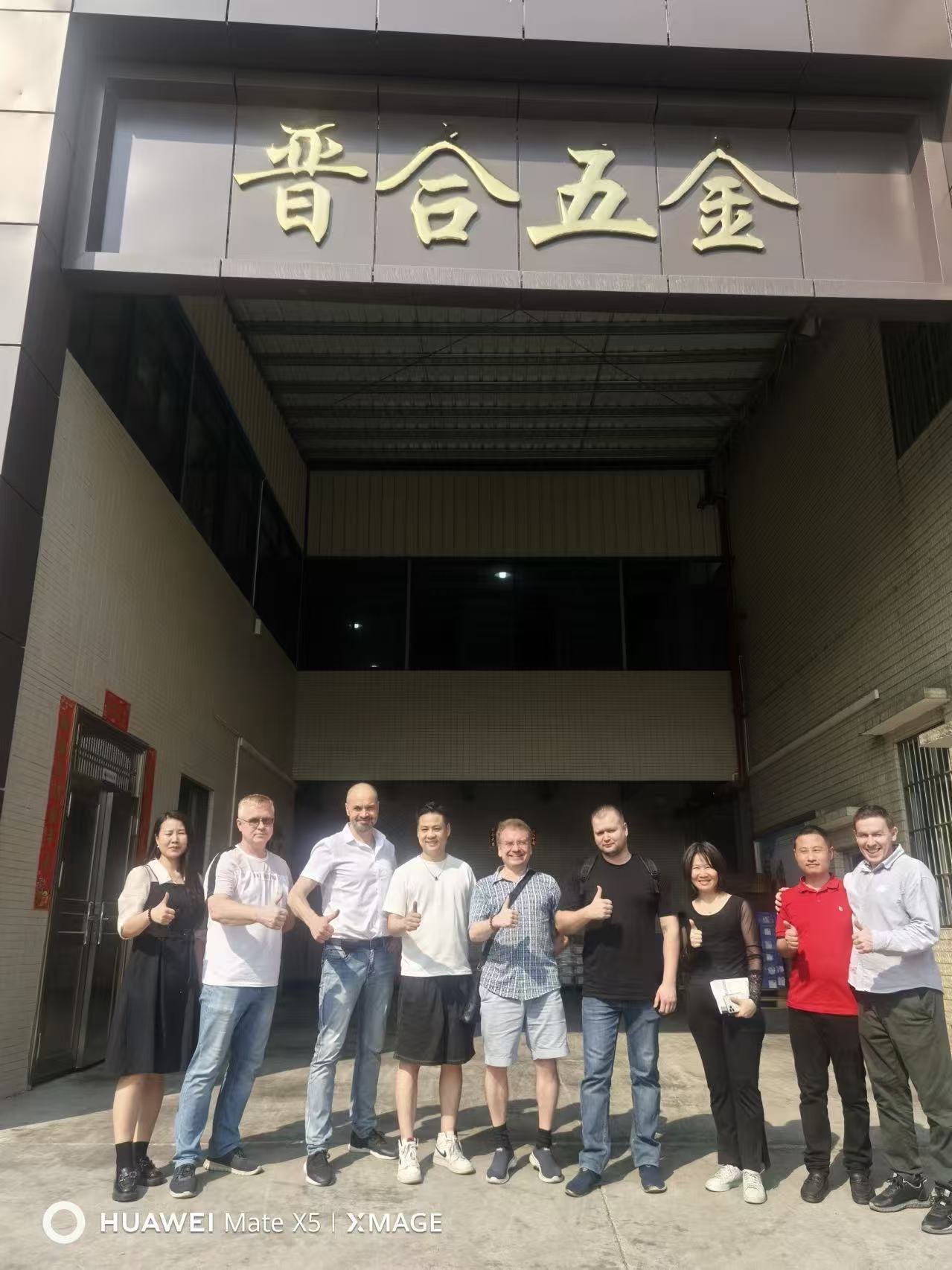
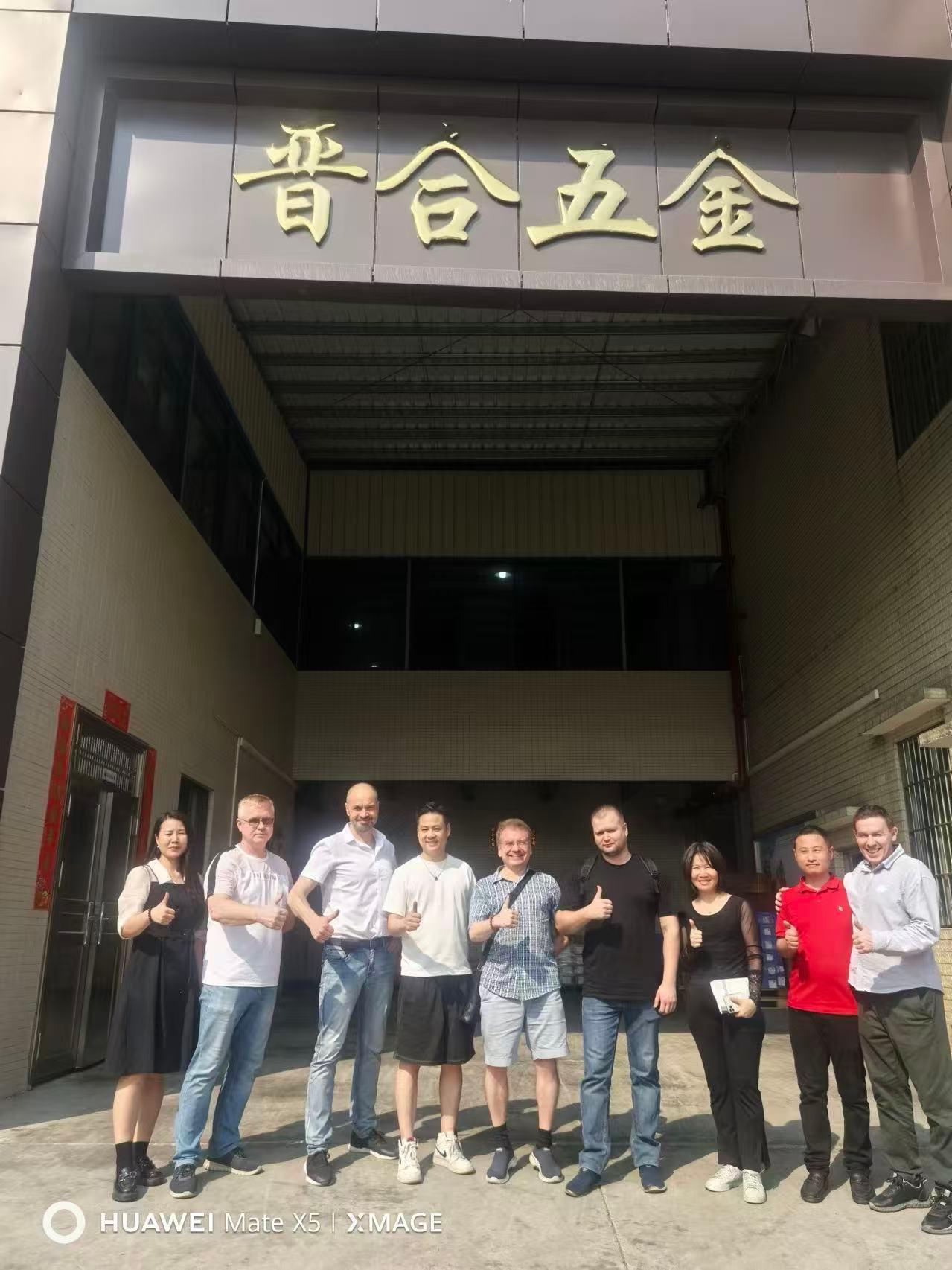
Jiangmen Jinhe Hardware Co., Ltd., founded in 2016 in Jiangmen City, Guangdong Province, is one example of the kind of supplier profile buyers often evaluate. According to the provided company information, the company operates from a 4,000-square-meter site and produces machine screws, self-tapping screws, micro screws, and precision screws in materials including stainless steel, iron, and aluminum. It also works to GB, DIN, ANSI, BS, JIS, and ISO standards.
That list is useful, but buyers should still ask the next question: what does the supplier do when the order is not perfectly standard? A factory that can handle fasteners and non-standard customization is often more valuable than one that only quotes familiar part numbers. In practice, many purchasing teams need that flexibility more than they first expect.
Quick comparison points worth checking
Not every supplier in the region offers the same depth. Some are dependable for high-volume standard parts. Others are stronger in special dimensions, export documentation, or cross-border service. When you are comparing reliable screw factories in Guangdong, the most useful checks are often simple: do they explain raw materials clearly, do they inspect before delivery, and do they provide the paperwork your quality team needs?
Jinhe states that products undergo strict inspection before delivery and that necessary documentation is provided. The company also says customer support responds within 30 to 60 minutes and offers solutions within 2 hours. Those are operational signals, not just marketing language, and for many buyers they matter as much as the screws themselves. A fastener problem that lingers for days can halt an entire assembly schedule.
Common mistakes when sourcing screws in Guangdong
The first mistake is assuming all industrial screw suppliers Guangdong are interchangeable. They are not. Two vendors may both quote a machine screw, yet one is better at precision tolerances, one is better at export logistics, and one is simply a trading intermediary.
The second mistake is over-focusing on unit price. A cheaper screw can become expensive if it causes stripping, inconsistent fit, or rejection at incoming inspection. Buyers in electronics and medical device supply chains know this well; their tolerance for variability is low, and the cost of failure is high.
The third mistake is not asking about the end-use environment. Stainless steel may be appropriate in one assembly, while iron or aluminum may fit another, but material choice should be tied to performance and process, not habit. That sounds obvious, yet it is often where sourcing teams lose time.
How to evaluate a supplier before you place business
Start with the drawing, then the process, then the paperwork. Ask whether the supplier can match the fastener type, provide samples, and support documentation. If the order is for export or for a branded production line, ask how they handle packaging, labeling, and lot traceability. These are small points until they become urgent.
It also helps to study the supplier’s customer base. Jinhe says it serves home appliance, electronics, furniture, building materials, and medical device manufacturers, as well as cross-border e-commerce sellers and hardware wholesalers. That mix suggests a business used to multiple buying styles, from industrial procurement to trade-facing fulfillment. In fasteners, that versatility can be a real advantage.
A practical buyer takeaway
If you are narrowing a list of real screw manufacturers Guangdong, look for three things: consistent product scope, clear quality control, and responsive service. A supplier that can produce machine screws, self-tapping screws, micro screws, and precision screws while also supporting non-standard customization is usually better positioned for long-term work than a vendor with only a broad claim.
For teams moving from inquiry to sampling, the next step is straightforward: request drawings or specifications, confirm material and standard requirements, and test how quickly the supplier responds with useful answers. That first round of communication often tells you more than a glossy brochure ever will. If the basics are handled cleanly, the rest of the sourcing process usually becomes easier.
And if the supplier can also prove it understands logistics, warehousing, and supply chain coordination, that is worth something. In fastener procurement, delivery reliability is not a side issue. It is part of the product.