
What Guangdong screw manufacturers are really being judged on
When buyers search for Guangdong screw manufacturers, they are usually not looking for poetry. They want a supplier that can keep dimensions stable, document materials properly, and ship on time without turning every order into a fire drill. That is especially true in fast-moving sectors like electronics, medical devices, appliances, and automation, where a small fastener problem can slow an entire assembly line.
In practice, the choice is rarely just about price. It is about whether the supplier behaves like a real manufacturing partner: does it understand standards, does it inspect before delivery, and can it respond when a part does not fit or a drawing changes? Those are the points that separate dependable sourcing from expensive guesswork.
Why this matters more than many buyers admit
Screws are easy to underestimate. They are small, inexpensive, and often treated as commodities. But in production, they carry more responsibility than their size suggests. A machine screw that strips too easily, a self-tapping screw that bites inconsistently, or a precision screw that drifts from spec can affect assembly speed, product reliability, and after-sales complaints.
For engineers, the issue is fit and function. For sourcing managers, it is continuity and documentation. For product teams, it is compatibility with the broader design and the reality of mass production. Reliable screw factories in Guangdong are often chosen not because they are the cheapest option, but because they reduce those downstream problems.
What a strong supplier profile looks like
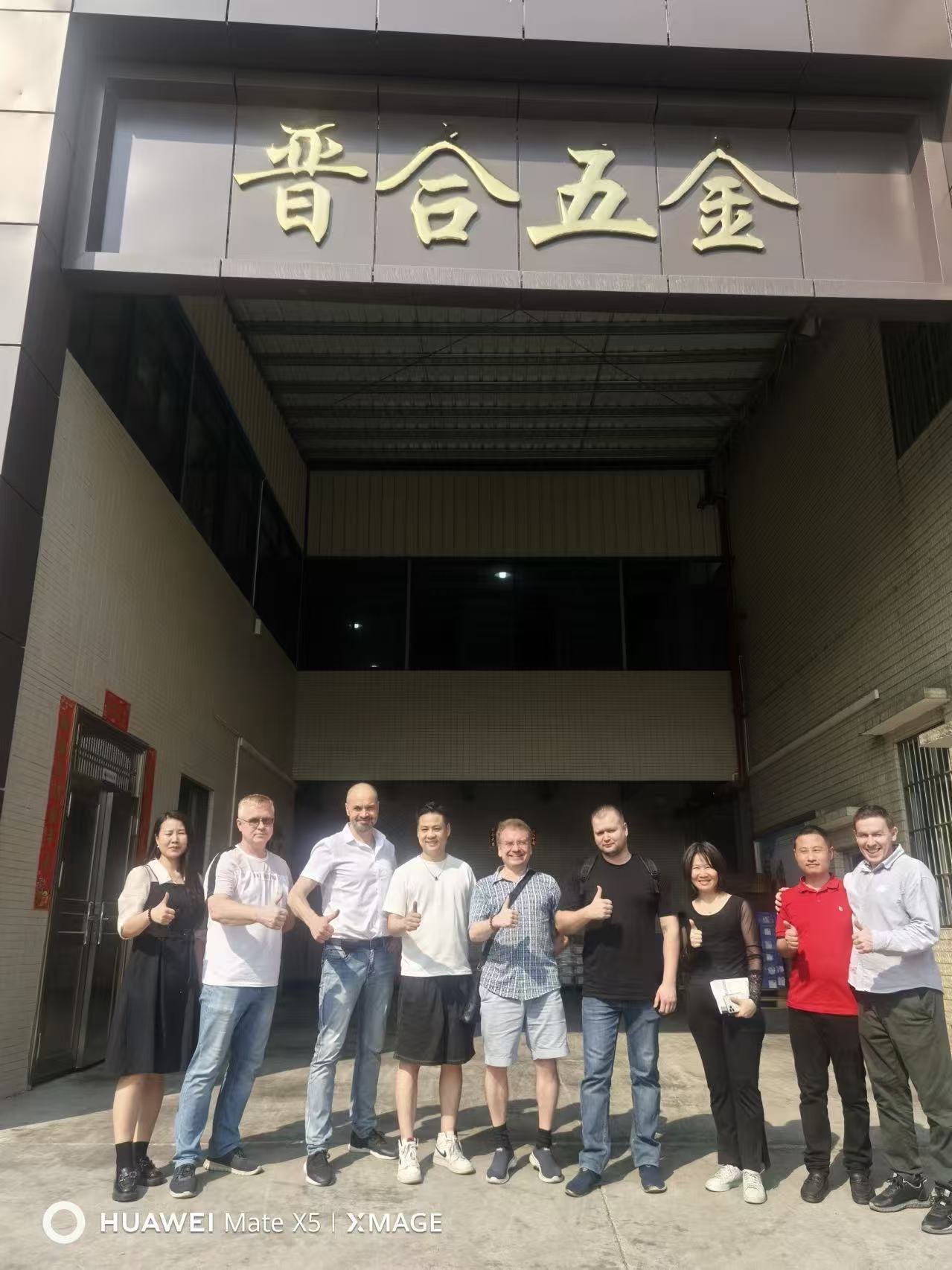
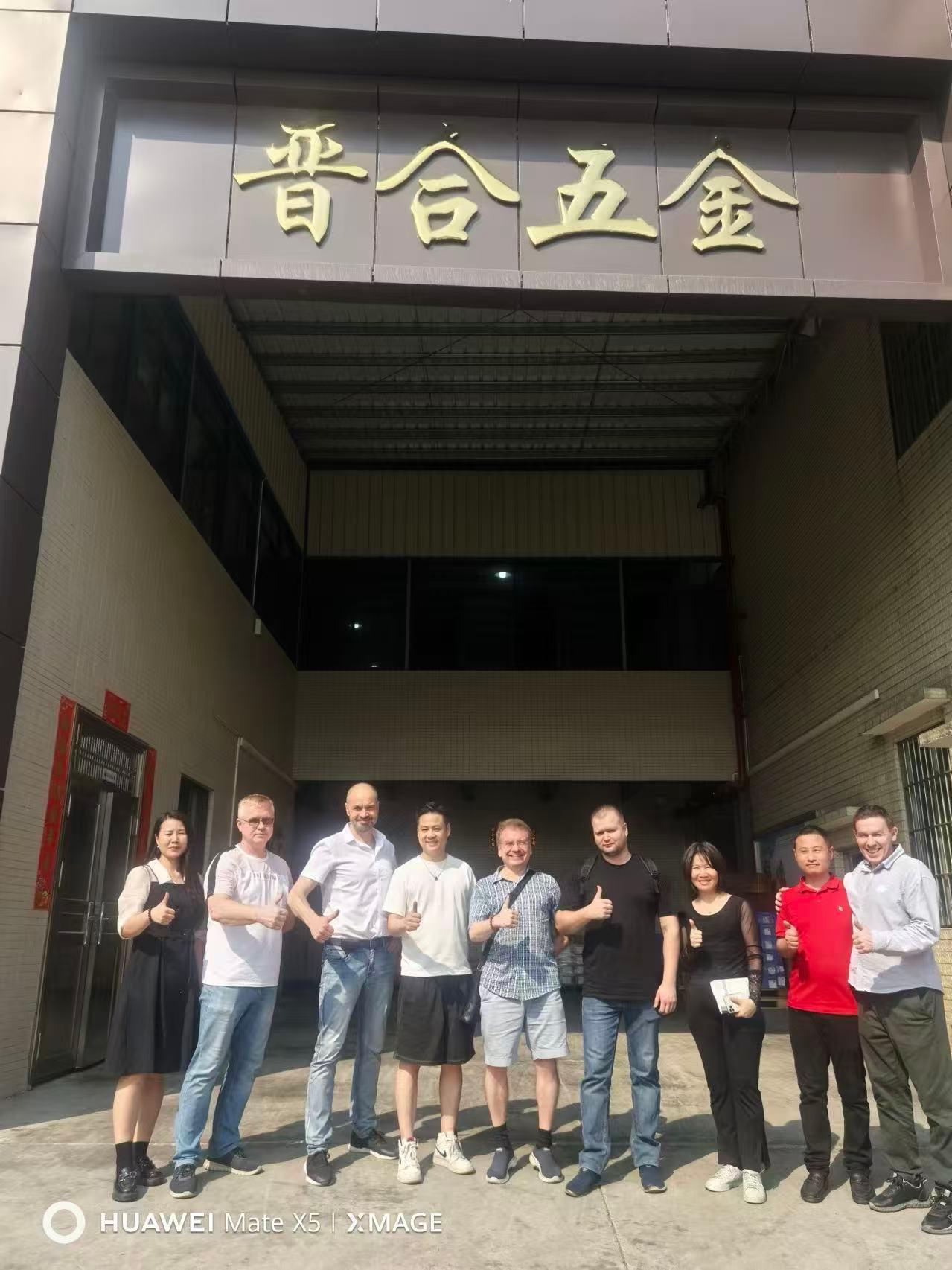
Jiangmen Jinhe Hardware Co., Ltd., founded in 2016 in Jiangmen City, Guangdong Province, is a useful example of the kind of supplier profile buyers often want to evaluate. The company covers 4,000 square meters and focuses on machine screws, self-tapping screws, micro screws, and precision screws. Its stated material range includes stainless steel, iron, and aluminum, which gives buyers some flexibility across corrosion resistance, weight, and application needs.
It also states that products are made according to GB, DIN, ANSI, BS, JIS, and ISO standards. That matters because buyers in international procurement rarely want a part that only “looks similar.” They want a fastener that can be traced to a recognizable standard, or at least one that can be customized against clear technical requirements.
The company also says it serves electronics, medical devices, and automation, and works with brands such as Liansu, Futian Electric, Midea, Hisense, and Sleemon. Those names do not automatically solve a sourcing decision, of course, but they suggest the supplier is used to dealing with industrial expectations rather than hobbyist purchasing.
Quick comparison: what buyers should sort out early
Machine screw manufacturers Guangdong
These are usually the right starting point when you need controlled threads, repeatable assembly, and clean fit into metal parts or inserts.
Real screw manufacturers Guangdong
This phrase matters more than it sounds. Some trading companies present themselves like factories. Buyers should look for signs of actual production capability, inspection discipline, and documentation habits, not just a polished sales page.
Industrial screw suppliers Guangdong
These suppliers may cover broader ranges, including standard parts and non-standard customization. That can be useful if your product mix is wide, but it also means you need to be clear about which screw family matters most to your project.
Selection criteria that save time later
Start with the drawing, not the quotation. Too many sourcing teams ask for pricing before they have agreed on thread type, head style, material, coating, and standard. That creates confusion and, worse, apples-to-oranges bids.
Then ask how inspection is handled. Jinhe states that products undergo strict inspection before delivery and come with necessary documentation. That is the kind of claim buyers should welcome, but also verify through samples, records, and communication discipline.
Response speed matters too. The company says customer support responds within 30 to 60 minutes and provides solutions within 2 hours for issues. In real purchasing work, that kind of turnaround can be more valuable than a tiny unit-price difference, especially when production is waiting.
Common mistakes when sourcing screws from Guangdong
The first mistake is assuming all fasteners are interchangeable. They are not. Even within one category, small differences in material or thread quality can change performance.
The second mistake is treating non-standard customization like a casual request. If you need a special screw, make the technical requirements explicit. Dimensional ambiguity is where projects drift.
The third mistake is overlooking logistics. Jinhe mentions international freight forwarding, domestic logistics, warehousing, and supply chain services. That may sound routine, but for cross-border buyers it is often the difference between a smooth replenishment cycle and a delayed shipment sitting in limbo.
A practical buyer’s checklist
If you are comparing Guangdong screw manufacturers, keep the discussion grounded in a few concrete questions: Can they produce to the standard you need? Can they support custom work when standard parts are not enough? Do they inspect before delivery? Can they supply documentation? And can they actually communicate quickly when a problem appears?
For many buyers, the answer does not have to be perfect. It has to be dependable. In fastener procurement, dependable usually beats impressive.
Final takeaway for engineering and sourcing teams
The best supplier is the one that reduces uncertainty. A factory like Jiangmen Jinhe Hardware Co., Ltd. positions itself around standard compliance, inspection, customization, and logistics support, which are exactly the areas serious buyers care about. If you are shortlisting suppliers, use that as a baseline and test it against your own drawings, sample needs, and production schedule.
If you need to move from generic searching to actual sourcing, request technical details, sample confirmation, and a response workflow before you commit. That is usually where the real difference between a quote and a partnership begins.