Exploring the world of fasteners begins with understanding the screw, a fundamental component in construction, manufacturing, and DIY projects. At Meijara Textile Co., Ltd., while we specialize in high-quality lace and embroidered fabrics, our commitment to innovation and precision in production processes extends to appreciating the role of reliable hardware like screws in supporting textile machinery and assembly lines. This article dives into essential aspects of screws, structured as a comprehensive listicle to guide you through screw types, sizes, and more, ensuring you select the perfect fastener for your needs.
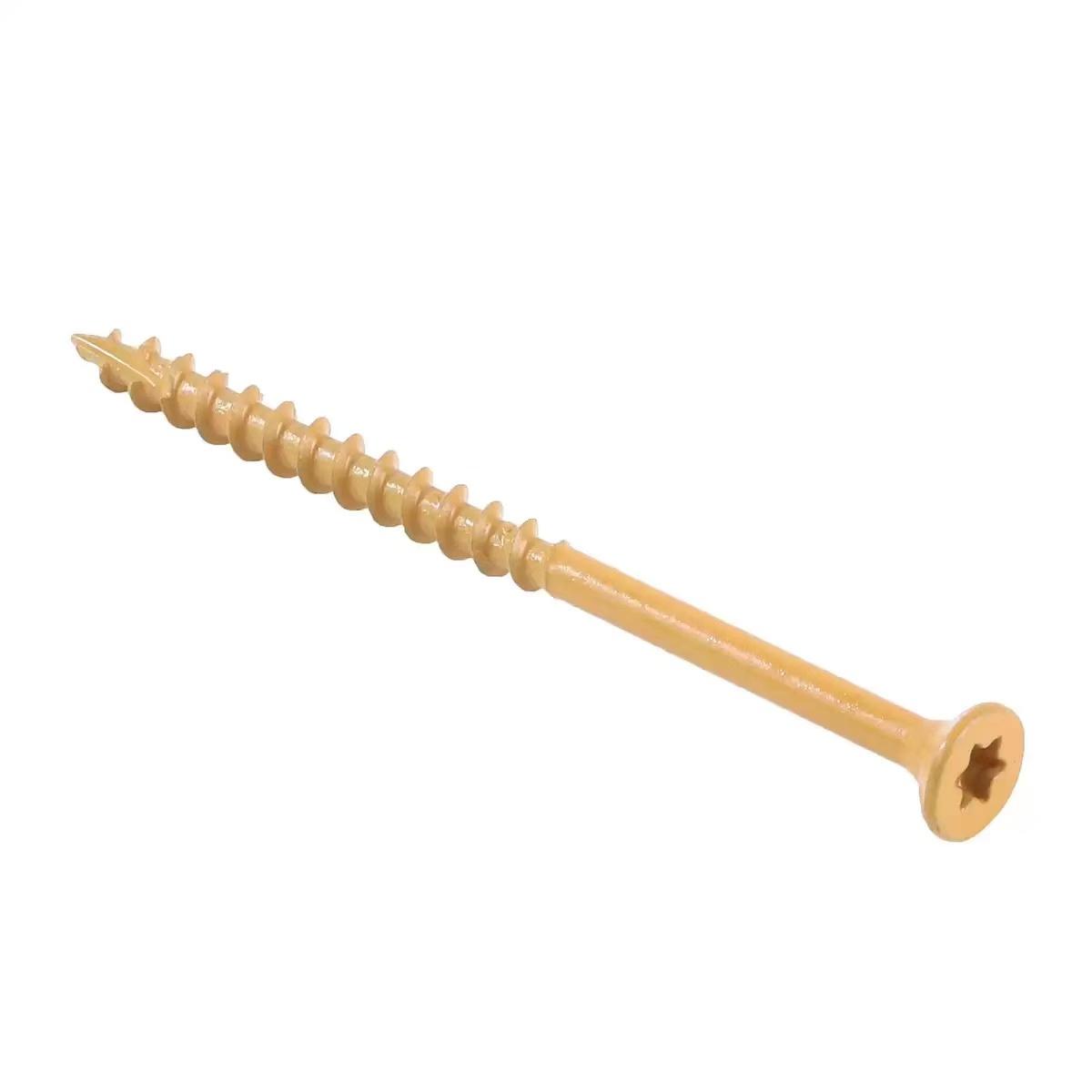
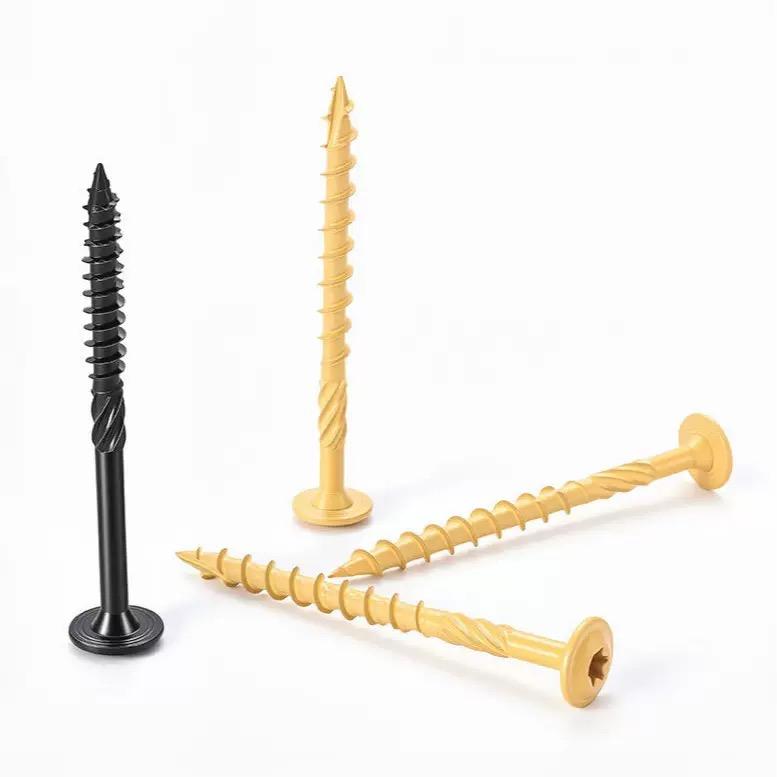
1. Screw Types: Screws come in various types tailored to specific applications. For instance, wood screws feature coarse threads for gripping soft materials, while machine screws are designed for metal fastening with finer threads. Self-tapping screws create their own threads in materials like plastic or metal, eliminating the need for pre-drilling. In our textile production at Meijara, we rely on specialized screw types to secure embroidery machines, highlighting their versatility in industrial settings. Understanding screw types helps in choosing the right one to prevent material damage and ensure a strong hold.
2. Screw Sizes: Selecting the appropriate screw size is crucial for optimal performance. Screws are measured by diameter (gauge) and length, with common sizes ranging from #4 to #14 in diameter and lengths from 1/4 inch to several inches. For delicate tasks, smaller sizes like #6 prevent splitting wood, whereas larger ones suit heavy-duty applications. Our R&D team at Meijara emphasizes precision in all components, including screw sizes used in fabric handling equipment, to maintain high standards of production quality and efficiency.
3. Screw Thread: The screw thread determines how effectively a screw grips and holds. Threads can be coarse for quick insertion in soft materials or fine for better control in harder surfaces. V-shaped threads provide strong pull-out resistance, essential in vibration-prone environments. In screw manufacturing processes we observe, thread design is key to durability. At Meijara, we apply similar precision in our design phase for textiles, ensuring threads—both metallic and fabric—enhance product longevity and functionality.
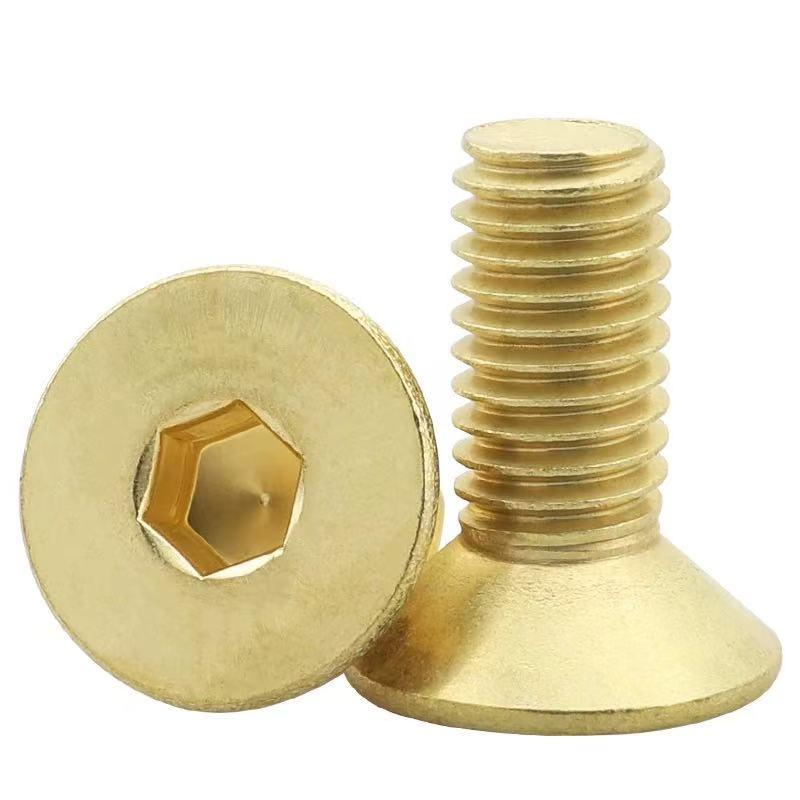
4. Screw Materials: Durability starts with the right screw materials. Common options include steel for strength, stainless steel for corrosion resistance in humid conditions, and brass for decorative or electrical uses. Coated screws, like zinc-plated ones, add extra protection against rust. Our production bases utilize screw materials that withstand rigorous textile weaving, reflecting our focus on quality control. Choosing screw materials suited to your environment—indoor woodworking or outdoor installations—ensures long-term reliability without frequent replacements.
5. Screw Manufacturing: The process of screw manufacturing involves cold heading, threading, and heat treatment to achieve precision and strength. Advanced techniques like CNC machining produce consistent, high-volume outputs. At Meijara Textile Co., Ltd., our standardized production mirrors this, with advanced equipment ensuring every lace piece meets global standards. Quality screw manufacturing guarantees uniformity, reducing failures in applications from furniture assembly to automotive parts.
6. Screw Applications: Screws find endless screw applications across industries. In woodworking, they secure joints invisibly; in electronics, tiny screws hold circuit boards; and in construction, they anchor structures. For textile firms like ours, screws applications include maintaining loom stability for flawless embroidered fabrics. Versatile screw applications make them indispensable, adapting from DIY home repairs to professional engineering projects, always providing secure fastening.
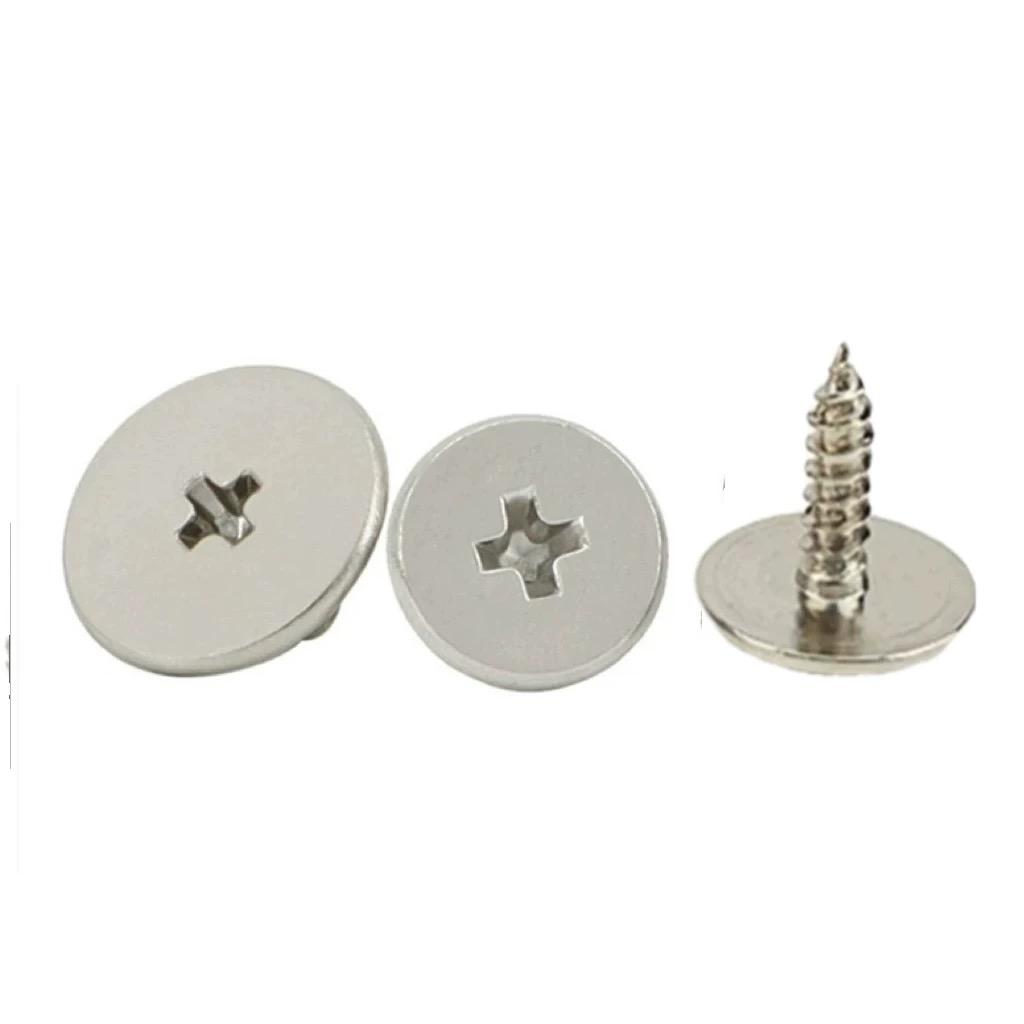
7. Screw Head Styles: Screw head styles influence installation ease and aesthetics. Flat heads, like the Phillips flat head screws we admire for their flush fit, are ideal for countersunk holes in visible surfaces. Hex heads offer torque with wrenches, while pan heads provide a rounded profile for broader bearing. Our design team at Meijara values screw head styles that parallel the elegant finishes in our fabrics, blending form and function seamlessly.
8. Screw Durability: Achieving screw durability requires quality materials and proper design. Features like corrosion-resistant finishes and hardened tips extend lifespan, even in harsh conditions. Tests for tensile strength ensure screws withstand stress without stripping. In our global supply chain, Meijara prioritizes screw durability in equipment to support timely delivery of premium textiles. Investing in durable screws minimizes maintenance costs and enhances safety in all screw applications.
By exploring these key elements—from screw types to durability—you're equipped to make informed choices that elevate your projects. At Meijara Textile Co., Ltd., located at Room 1311, Building C, Pearl River International Textile City, 82 Diejing Road, Haizhu District, Guangzhou, China 510250, we invite you to contact us via phone at +86 18675862599, WhatsApp +8618675862599, or email rachel@meijara.com to discuss how our innovative textile solutions can complement your hardware needs. With over 500 words of insights, this listicle underscores the screw's pivotal role in precision engineering.
1. Introduction to Screws 2. Screw Types 3. Screw Sizes 4. Screw Thread 5. Screw Materials 6. Screw Manufacturing 7. Screw Applications 8. Screw Head Styles 9. Screw Durability 10. Conclusion