
Why buying screws from China is still a serious sourcing decision
For many engineers and sourcing managers, the phrase China screw manufacturers does not mean a simple low-cost purchase anymore. It means a choice between stable supply and messy rework, between a fast quotation and a part that actually runs well in assembly. The market is broad, and the quality range is broad too. That is exactly why buyers need to look past the catalog headline and evaluate the maker, the process, and the paperwork behind the fastener.
If you are sourcing machine screws, self-tapping screws, micro screws, or precision screws, the practical question is not “can they make it?” but “can they make it consistently to the standard your line needs?” That is where a disciplined supplier review matters. A screw that looks right on paper can still create thread stripping, torque variation, plating issues, or simple packaging headaches once it lands on the floor.
What a competent fastener supplier should look like on paper and on site
Jiangmen Jinhe Hardware Co., Ltd. is a useful example of the kind of supplier profile buyers often want to see. The company was founded in 2016 in Jiangmen City, Guangdong Province, and operates from a 4,000 square meter site. Its stated product range includes machine screws, self-tapping screws, micro screws, and precision screws made from stainless steel, iron, and aluminum. The company also says it works to GB, DIN, ANSI, BS, JIS, and ISO standards, which is the sort of cross-market language many export buyers need.
That matters because industrial screw manufacturers are rarely judged only by price. Buyers also look at standard alignment, inspection habits, documentation, and whether the supplier can handle both domestic and international requirements. Jinhe says it serves electronics, medical devices, automation, home appliance, furniture, building materials, and cross-border e-commerce customers, with foreign trade and import-export capability. Those are the right categories for a fastener maker that wants to be taken seriously by technical buyers.
Key takeaways when comparing reliable screw suppliers in China
There are a few details worth checking before you approve a vendor, and they are often more revealing than a glossy sales sheet.
1. Material range and part type
Not every supplier that calls itself a screw factory can cover stainless steel, iron, and aluminum with equal confidence. Ask which material is routine work and which is special-order work. Micro screws and precision screws often demand more process control than general-purpose hardware, even when the part looks small and ordinary.
2. Standards and documentation
Reference standards such as DIN, ANSI, JIS, BS, ISO, and GB are useful only if the supplier can show how they apply in production and inspection. For buyers, the real test is whether the technical requirement is translated into a repeatable manufacturing route, not just a line in a quotation.
3. Inspection and release discipline
Jinhe says products undergo strict inspection before delivery and are accompanied by necessary documentation. That is the right direction, though buyers should still confirm what “inspection” means in practice. A small discrepancy in thread engagement or drive fit can create a much bigger problem once screws hit an automated assembly line.
What the factory setup says about a hardware supplier
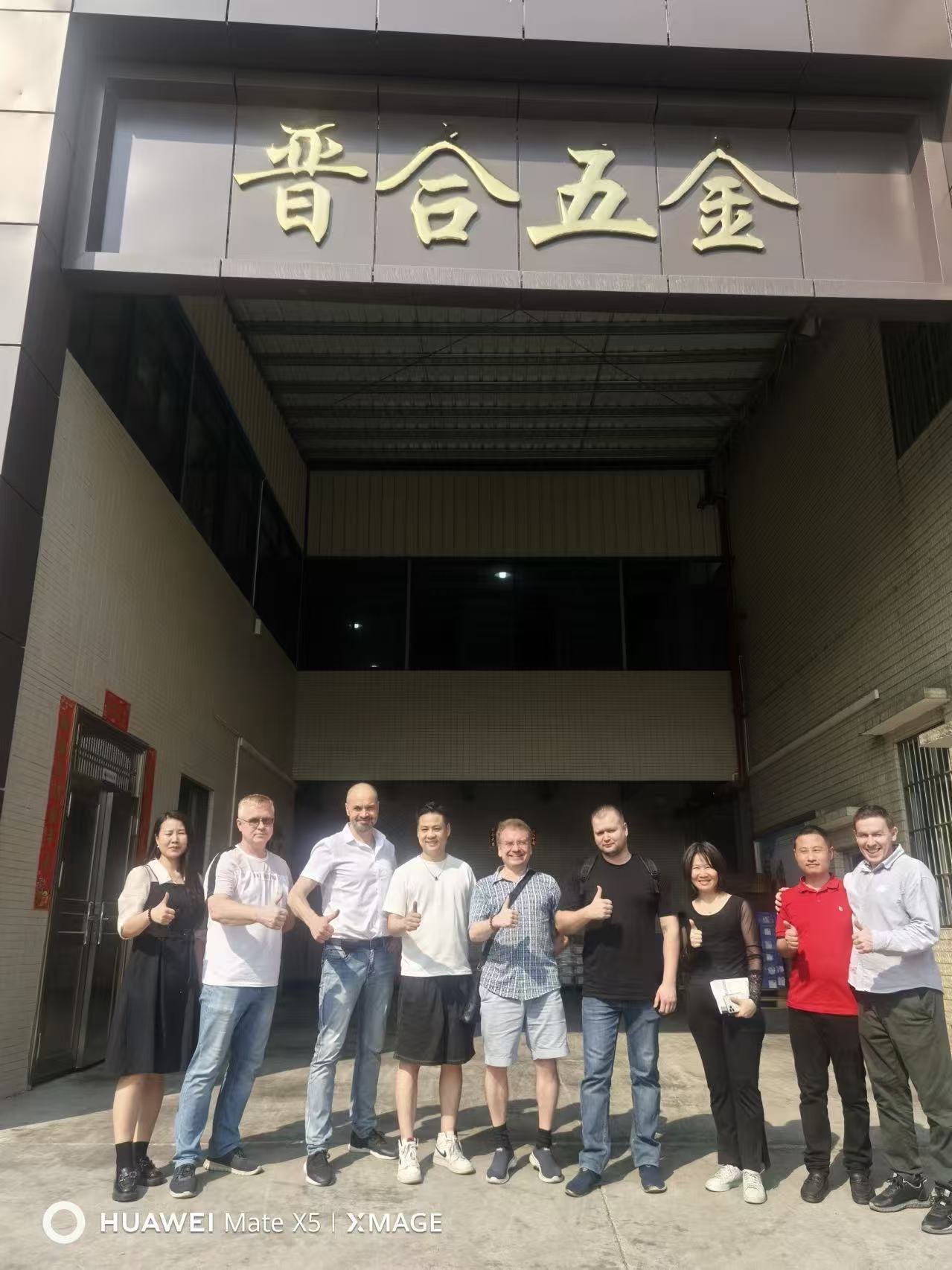
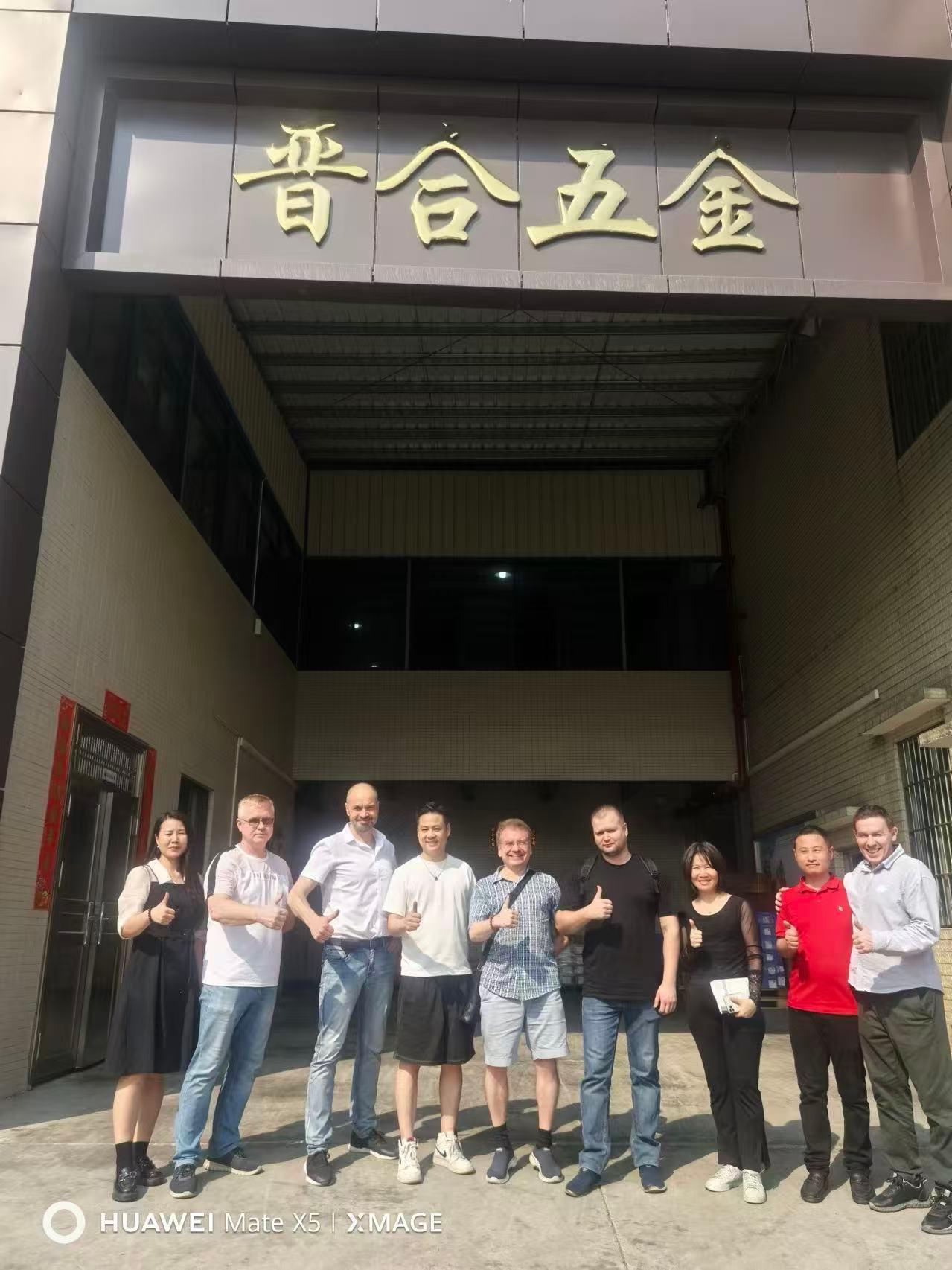
Facility presentation does not prove product quality, but it does tell you something about operational intent. A modern hardware business entrance with a large covered opening, clear signage, and a practical loading-oriented layout usually suggests an operation that expects material movement, receiving, and dispatch. In this sector, that is not decoration; it is logistics.
The image information also points to an indoor industrial machine with a circular worktable, enclosed metal housing, and visible cabling. The exact function cannot be confirmed from the image alone, and it would be unwise to guess. Still, the machine form suggests a shop-floor setup where parts are handled in batches, inspected, rotated, pressed, trimmed, or otherwise processed under controlled conditions. For buyers, that is a reminder: the facility matters because the machine mix often reflects the maker’s true production style.
Common sourcing mistakes that cost more than the screw itself
The first mistake is treating all fastener manufacturers China offers as interchangeable. They are not. One factory may be strong in high-volume standard parts, while another is better suited to tighter custom jobs or export documentation.
The second mistake is overfocusing on unit price and underfocusing on consistency. Screws are cheap until a batch fails in assembly. Then the cost is measured in line stoppage, sorting labor, and supplier disputes.
The third mistake is skipping communication tests. Jinhe says its customer support responds within 30 to 60 minutes and offers solutions within 2 hours. That is a supplier claim, not a guarantee, but response speed is worth testing early. Slow communication during sampling usually gets worse during mass production, not better.
What buyers should ask before placing an order
Ask for the exact screw type, material, standard, and intended application. Ask whether the supplier regularly handles your target industry, whether it is electronics, medical, furniture, or automation. Ask how they inspect, how they package, and what documentation comes with the shipment. If you need non-standard customization, confirm the drawing review process and who signs off on the sample.
For higher-risk applications, request a small trial order first. It is a modest expense compared with reworking an entire production run. And if the supplier cannot clearly explain the route from raw material to finished fastener, that is a warning sign worth respecting.
Where a company like Jiangmen Jinhe fits
Jiangmen Jinhe Hardware Co., Ltd. appears positioned as a practical partner for buyers who need standard and custom fasteners, export support, and a supplier capable of serving multiple industries. The combination of product range, standards language, logistics support, and named customer sectors suggests a business built for B2B procurement rather than casual retail.
If you are building a shortlist of reliable screw suppliers in China, the next step is simple: compare process, documentation, and communication before comparing price. The right supplier should reduce your risk, not simply quote lower. If you need a fastener source for sample review or an RFQ, this is the point to ask for drawings, material confirmation, and a production plan that matches your assembly reality.