
Why buyers keep coming back to Chinese screw manufacturers
If you source fasteners for assembly lines, retail packaging, or contract manufacturing, Chinese screw manufacturers are hard to ignore. The reason is not just price. It is the way many suppliers combine broad product ranges, export experience, and the ability to handle both standard parts and non-standard customization. For buyers, that mix can simplify procurement, but only if you know what to check before sending a purchase order.
Screws look simple on paper. In practice, they sit at the center of product reliability. A weak thread, unstable coating, or poorly packed shipment can disrupt an entire assembly schedule. That is why sourcing is less about finding the lowest quote and more about finding a factory or supplier that can repeat quality consistently, document what it ships, and respond quickly when something changes.

What a serious screw supplier should be able to cover
Jiangmen Jinhe Hardware Co., Ltd. is a useful example of the kind of supplier many buyers evaluate in this category. The company was founded in 2016 in Jiangmen City, Guangdong Province, and reports a 4,000-square-meter operation. Its stated product scope includes machine screws, self-tapping screws, micro screws, and precision screws, with materials such as stainless steel, iron, and aluminum. It also says it works to GB, DIN, ANSI, BS, JIS, and ISO standards.
That breadth matters because buyers rarely need just one screw family. Electronics programs may need small precision fasteners. Appliance or furniture production may lean on self-tapping screws. Medical devices and automation often demand tighter process control and cleaner paperwork. A good screws supplier China should be able to explain where its strengths are, and where it is better to avoid overpromising.
Typical decision points buyers should compare
When comparing suppliers, look at product coverage, material options, surface treatment, documentation, and logistics support. If a vendor also offers warehousing and domestic or international freight forwarding, that can reduce friction later. It is a practical advantage, especially for buyers juggling mixed container loads or staggered releases.
Do not assume that a broad catalog means every item is equally mature. Some suppliers are strong in one screw type and only adjacent in others. Ask which products are produced in-house, which are customized, and which are sourced through partner channels. That single question often reveals more than a glossy booth display.
What the trade-show booth tells you, and what it does not
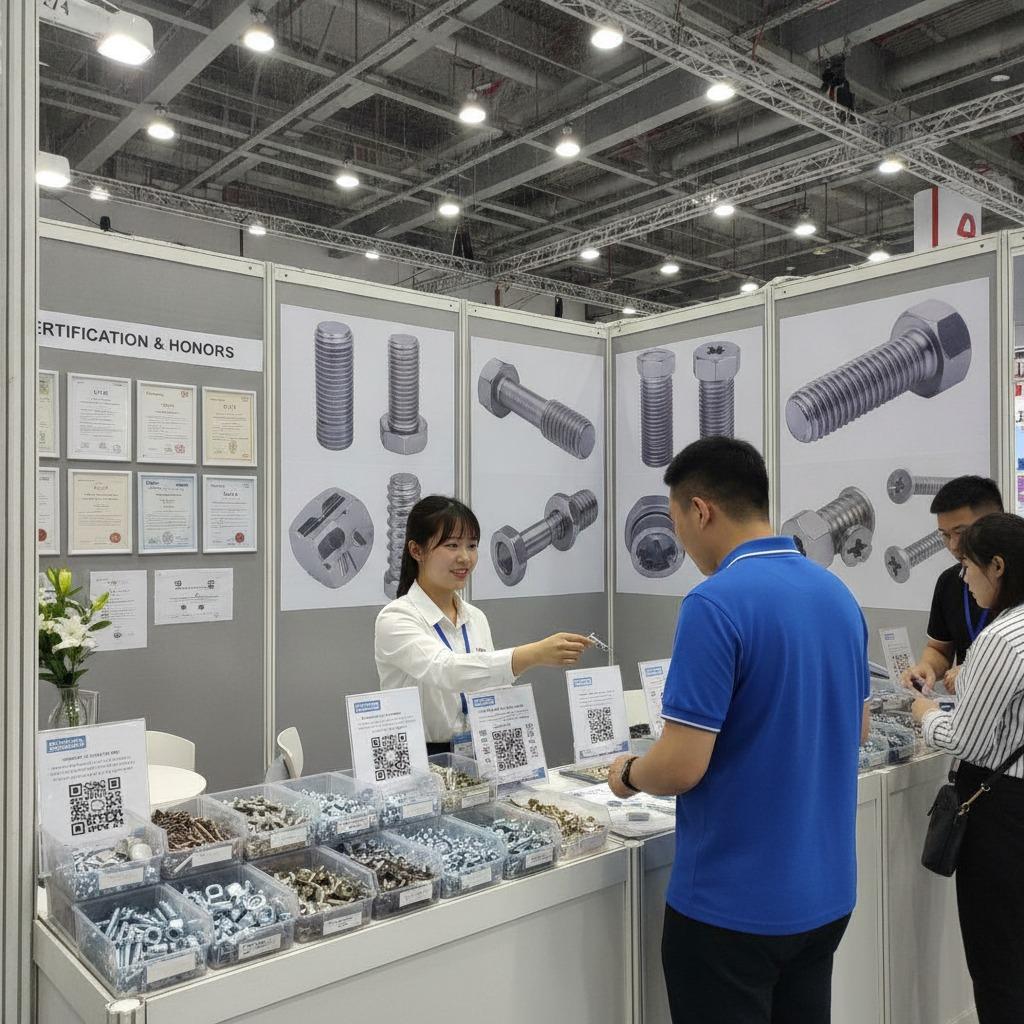
The booth imagery associated with Jiangmen Jinhe Hardware Products Co., Ltd. shows trays and displays of industrial hardware components: screws, bolts, anchors, nuts, washers, threaded inserts, and related small parts. That kind of assortment suggests a fastener business that understands mixed-item ordering and display-based sales. The visible website, www.hkhomeideas.com, and the branding “Home Ideas” also hint at a company that serves hardware sourcing channels beyond a single niche.
Still, a display wall is not a datasheet. You cannot verify exact grades, coatings, load values, or tolerances from a booth photo. Buyers should treat exhibitions as a first filter, not a final qualification step. Ask for material certificates, dimensional drawings, sample lots, and inspection documents before you commit. If the supplier hesitates here, that is a warning sign worth noting.
How to buy screws wholesale China without creating hidden risk
For companies that plan to buy screws wholesale China, the best savings usually come from reducing rework, not squeezing the unit price by a few cents. The procurement team should confirm thread type, head style, drive type, finish, package format, and whether the screw is intended for machine assembly or hand installation. Even small differences can affect feed performance and torque behavior on the line.
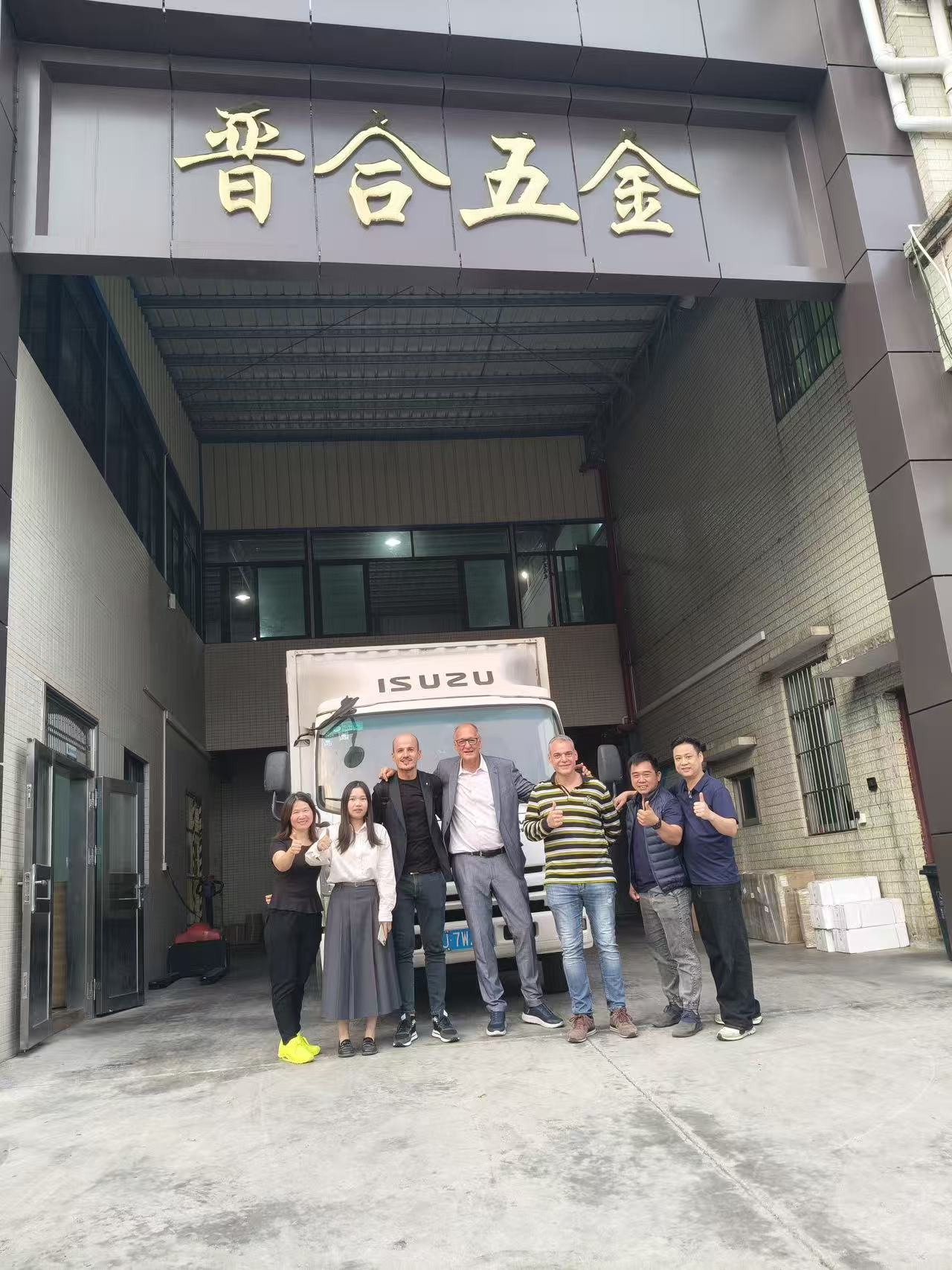
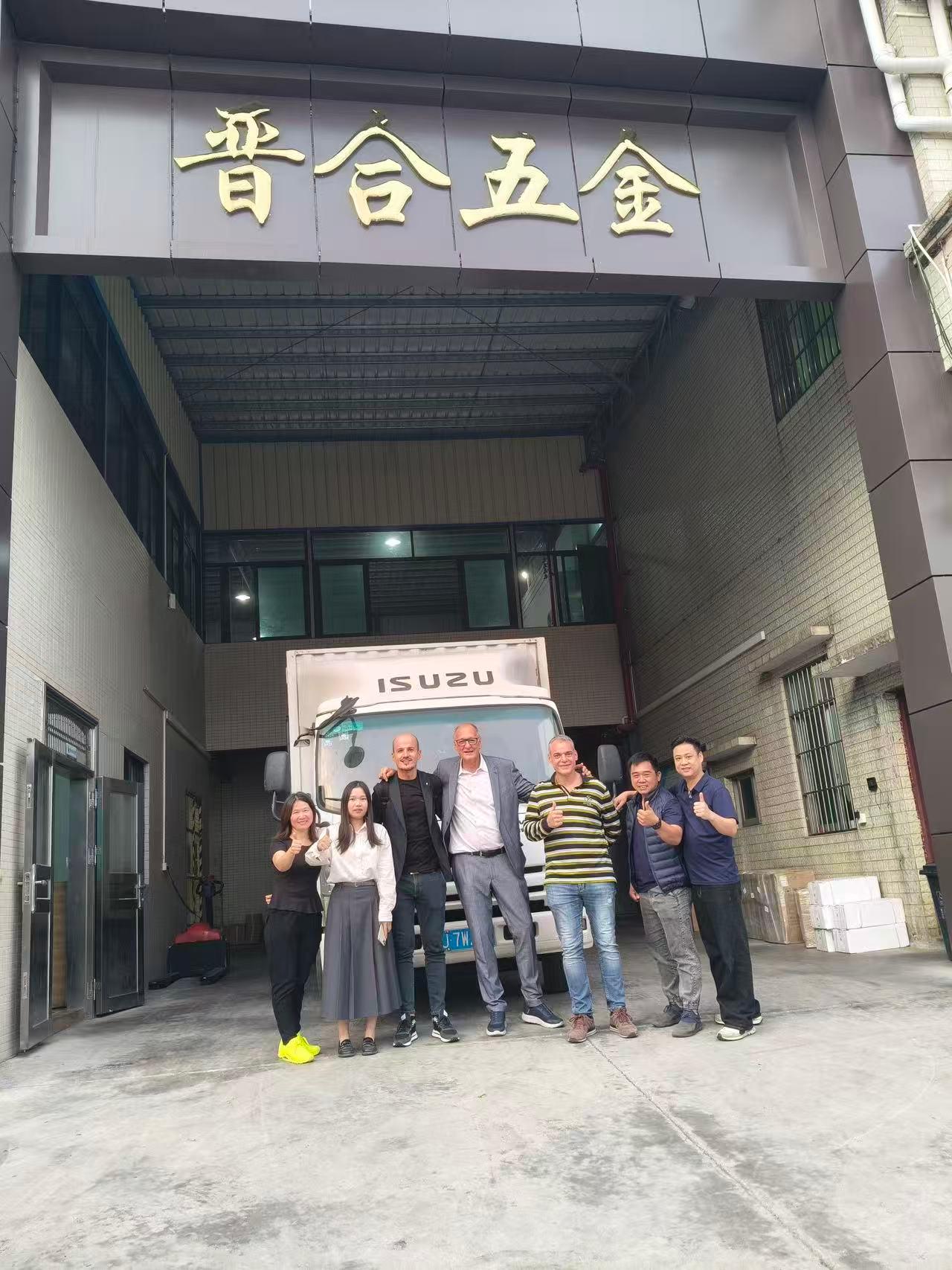
It also helps to separate sourcing into two questions: can the supplier make the part, and can the supplier support the shipment? Many buyers focus only on the first. In reality, warehouse handling, staged loading, and export paperwork can be the difference between a smooth replenishment cycle and a costly delay. The industrial loading-bay image supplied with this topic is a reminder that logistics space matters almost as much as machining space.
Common mistakes that cost time later
The most common mistake is buying by appearance alone. Another is assuming “standard part” means universal compatibility. Thread forms, head geometry, coating choice, and material grade all influence performance. A third mistake is ignoring how the screw will be packed. Bulk-packed fasteners may be fine for one buyer and a nuisance for another with automated feeding or kitting requirements.
There is also a quieter problem: over-specifying everything. Some buyers request the most exotic material or finish when a well-controlled standard option would do the job better and cost less. A seasoned manufacturer can help here, but only if the buyer gives the application context instead of just a part number.
Questions worth asking before you shortlist a China screw factory
If you are narrowing down a China screw factory, ask how it handles inspection before delivery, what documents accompany the shipment, and how quickly it responds to issues. Jiangmen Jinhe Hardware says it provides strict inspection before delivery and responds to customer issues within 30 to 60 minutes, with solutions within 2 hours. Those claims should still be checked in practice, of course, but they point to the kind of service discipline buyers want in a fastener supplier.
Also ask whether the factory supports non-standard customization, what industries it serves, and whether it can align with your quality system. Jiangmen Jinhe says it serves electronics, medical devices, automation, home appliances, furniture, building materials, and cross-border e-commerce sellers. That range suggests it is accustomed to different buying styles, from OEM supply to distributor replenishment.
Practical next step
If you are evaluating Chinese screw manufacturers now, start with three things: a sample request, a document request, and a logistics check. Samples show whether the part fits. Documents show whether the process is controlled. Logistics tells you whether the supplier can actually keep pace with your release schedule.
That sequence is plain, but it saves trouble. A fastener that looks fine on a booth wall still has to survive production, packing, shipping, and assembly. The suppliers that understand all four steps are the ones worth keeping on your shortlist.
FAQ
Are all screw suppliers in China manufacturers?
No. Some are factories, some are traders, and some do both. Buyers should confirm who actually makes the parts and where the quality control happens.
What industries use these fasteners most?
Common users include electronics, appliances, furniture, building materials, medical devices, automation equipment, and general industrial assembly.
What is the safest way to start a new sourcing relationship?
Begin with samples, ask for technical documents, and verify packaging and shipping arrangements before scaling up.