
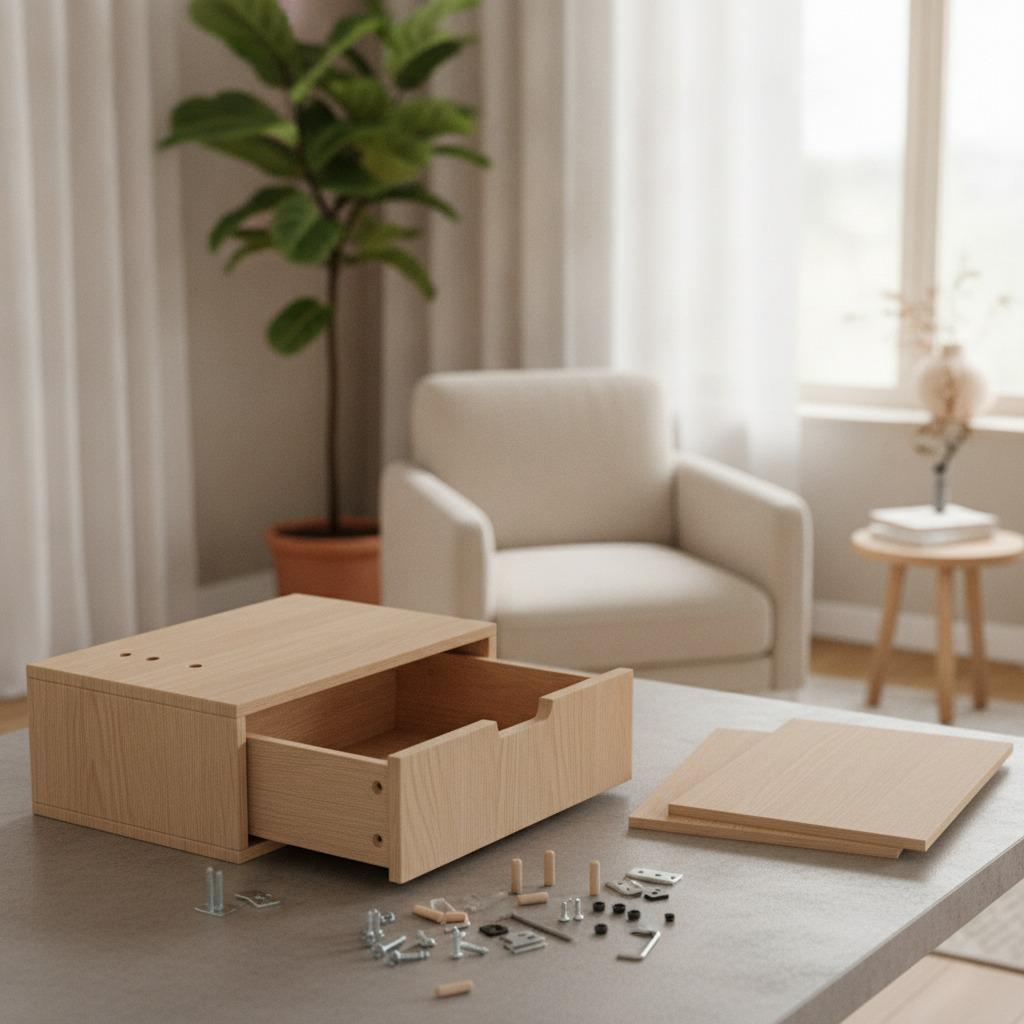
Furniture Hardware Kit Manufacturer: What Buyers Really Need Before Production Starts
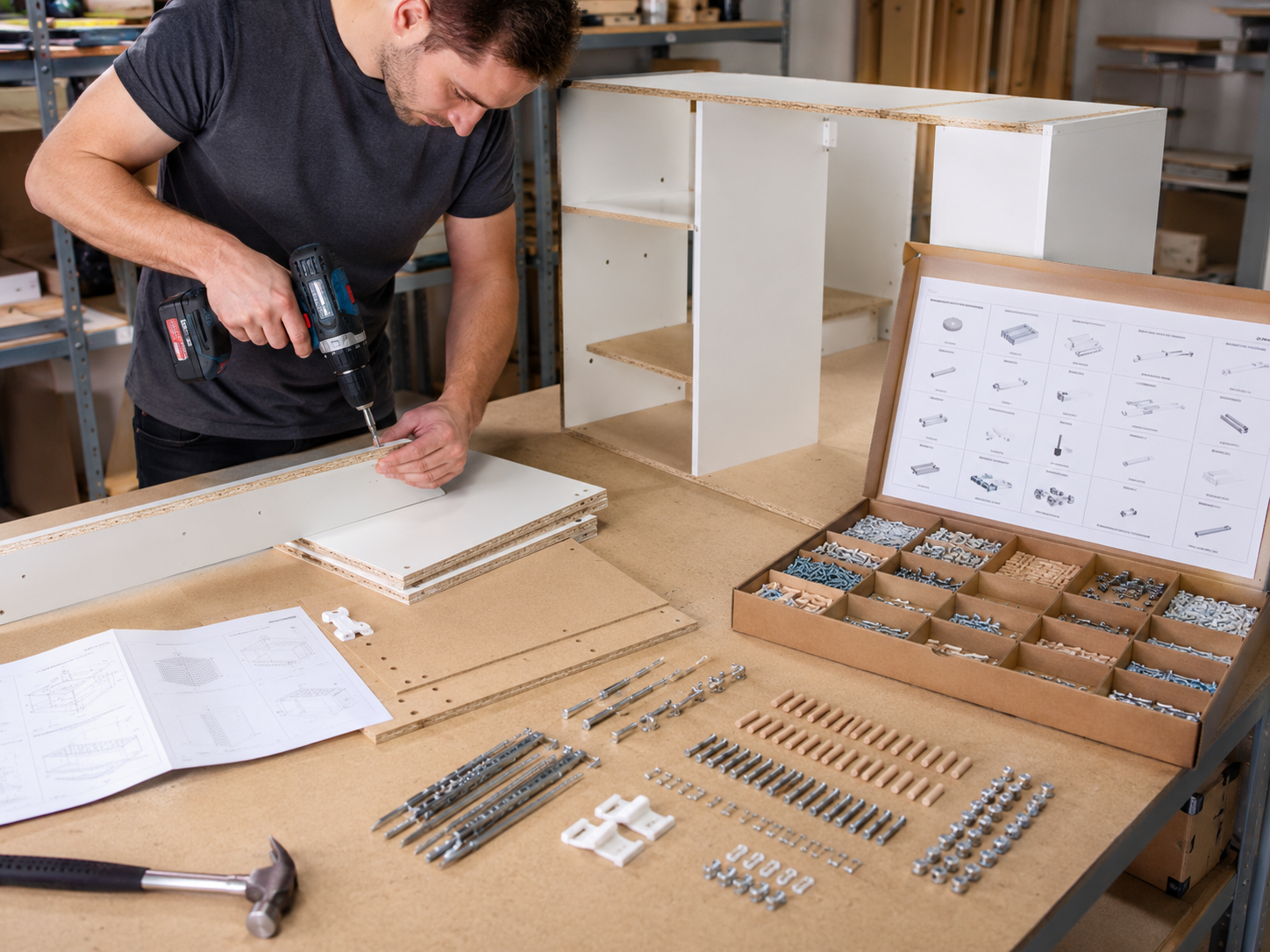 A furniture hardware kit can look small beside a cabinet panel.
A few screws. Some washers. A cam lock. A connecting bolt. Maybe dowels, hinge screws, caps, or small plastic pieces. On a quote sheet, these parts may appear as a simple accessory line.
In real production, they are not simple at all.
One wrong screw can damage the board. One missing washer can stop assembly. One cam lock screw that does not match the pre-drilled hole can make a cabinet feel loose before it ever reaches the customer. For flat-pack furniture, hotel furniture, kitchen cabinets, modular storage, and OEM carcass programs, the hardware kit is part of the product structure.
That is why buyers searching for a furniture hardware kit manufacturer are usually not just looking for a cheaper box of fasteners.
They are trying to protect assembly time, reduce missing-part claims, keep panel joints stable, and make sure the finished furniture feels reliable.
A furniture hardware kit has to solve the assembly problem
A good hardware kit does three things at the same time.
It joins the panels.
It guides the assembly process.
It keeps the small parts organized from packing to final installation.
That sounds plain, but it is where many furniture projects run into trouble.
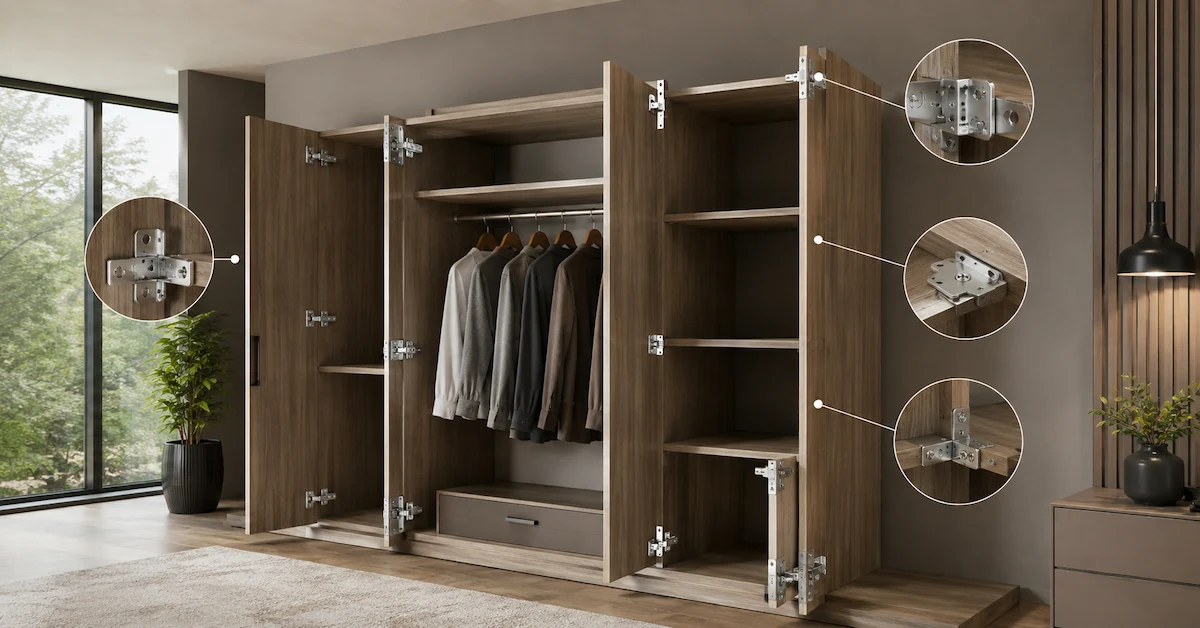
A cabinet, TV unit, sideboard, shelf, wardrobe, or hotel room storage unit may depend on pre-drilled panels. The hardware must match those holes exactly enough to pull the product together without damaging the board. If the fastener is too long, the surface may bulge. If the connector does not engage properly, the joint may stay loose. If the dowel fit is poor, the panels may shift before tightening.
This is why a furniture hardware kit should be judged as a working system, not as loose parts in a bag.
The buyer needs to ask: does this kit actually make the furniture easier to build?
If the answer is unclear, the sourcing review is not finished.
Why flat-pack furniture puts pressure on hardware suppliers
Flat-pack furniture depends on repeatability.
Panels are cut. Holes are drilled. Hardware is packed. The customer, installer, or factory worker follows the instruction sheet. In a good product, the assembly feels obvious.
But this process gives small hardware mistakes a lot of power.
If one cam lock screw is slightly wrong for the hole pattern, the joint may not tighten. If a connecting bolt does not match the cam fitting, the panels may not pull together. If a black screw is mixed with another screw of similar size, the user may install the wrong one in the wrong place.
These are not dramatic failures.
They are boring failures.
That is exactly why they cost money. They create slow assembly, replacement shipments, return claims, poor product reviews, and support messages that the brand could have avoided.
A capable furniture hardware kit supplier should understand this pressure. The job is not only to ship hardware. The job is to help the furniture assemble cleanly again and again.
Product example: 2 in 1 black furniture screws and connecting bolts
One relevant product category is the 2 in 1 black furniture screws and connecting bolts used with cam lock-style furniture assembly.
JHFix lists a product named Hot Selling 2 in 1 Black Furniture Screws & Connecting Bolts for Kitchen & Hotel Use Cam Lock Screws. From the product title, buyers can see several useful clues: this is a 2 in 1 furniture connection part, it uses a black appearance, it is positioned for kitchen and hotel furniture, and it relates to cam lock screw assembly.
That makes it relevant for furniture hardware kit sourcing because kitchen and hotel furniture often need more than ordinary loose screws.
Kitchen cabinets may face repeated use, door movement, moisture exposure, and tight installation spaces. Hotel furniture must tolerate daily handling, cleaning routines, and long service cycles. In both cases, the hardware should be easy to assemble, stable after installation, and consistent across repeat supply.
A 2 in 1 connecting bolt or cam lock screw is useful only when it matches the full furniture system.
Buyers still need to confirm:
- matching cam or connector type
- board thickness
- hole diameter
- hole depth
- screw engagement
- panel material
- assembly sequence
- color and finish requirement
- packing method
- replacement kit plan
The product name gives the sourcing direction.
The sample build confirms whether it works.
The hardware must match the panel material
A furniture fastener does not work by itself.
It works inside MDF, particleboard, plywood, laminated panels, veneered board, or another wood-based material. Each panel behaves differently under tightening.
Particleboard may need more careful edge distance. MDF can be clean to machine but may not hold repeated tightening well if the fastener is poorly matched. Plywood often gives stronger holding behavior, but drilling quality and layer direction still matter. Laminated panels add another concern because surface damage is easy to notice.
For black furniture screws, connecting bolts, and cam lock screws, buyers should not approve the part based only on appearance.
The better test is practical.
Install the hardware in the actual board. Tighten it with the intended tool. Check whether the connector pulls cleanly, whether the board edge stays intact, and whether the joint still feels firm after handling.
That short test can reveal problems that a catalog photo will never show.
A good kit should make assembly less confusing
Flat-pack furniture is often assembled by people who are not hardware experts.
That may be a factory worker moving fast on the line. It may be an installer working inside a hotel room. It may be a customer assembling a kitchen storage cabinet at home.
The kit should help that person, not slow them down.
If two screws look similar but have different purposes, they should be separated. If the cam lock screw belongs with a specific connector, the packaging should make that relationship clear. If black screws are used for a visible or semi-visible location, they should not be mixed carelessly with other fasteners.
A furniture hardware kit manufacturer should think about the assembly sequence.
Which part is used first?
Which part locks the joint?
Which part supports the hinge?
Which part should be packed with replacement hardware?
Which parts can be easily confused?
These small questions decide whether the hardware kit feels organized or improvised.
Packaging is part of the product, not the last step
Many buyers choose hardware first and discuss packaging later.
That order often causes problems.
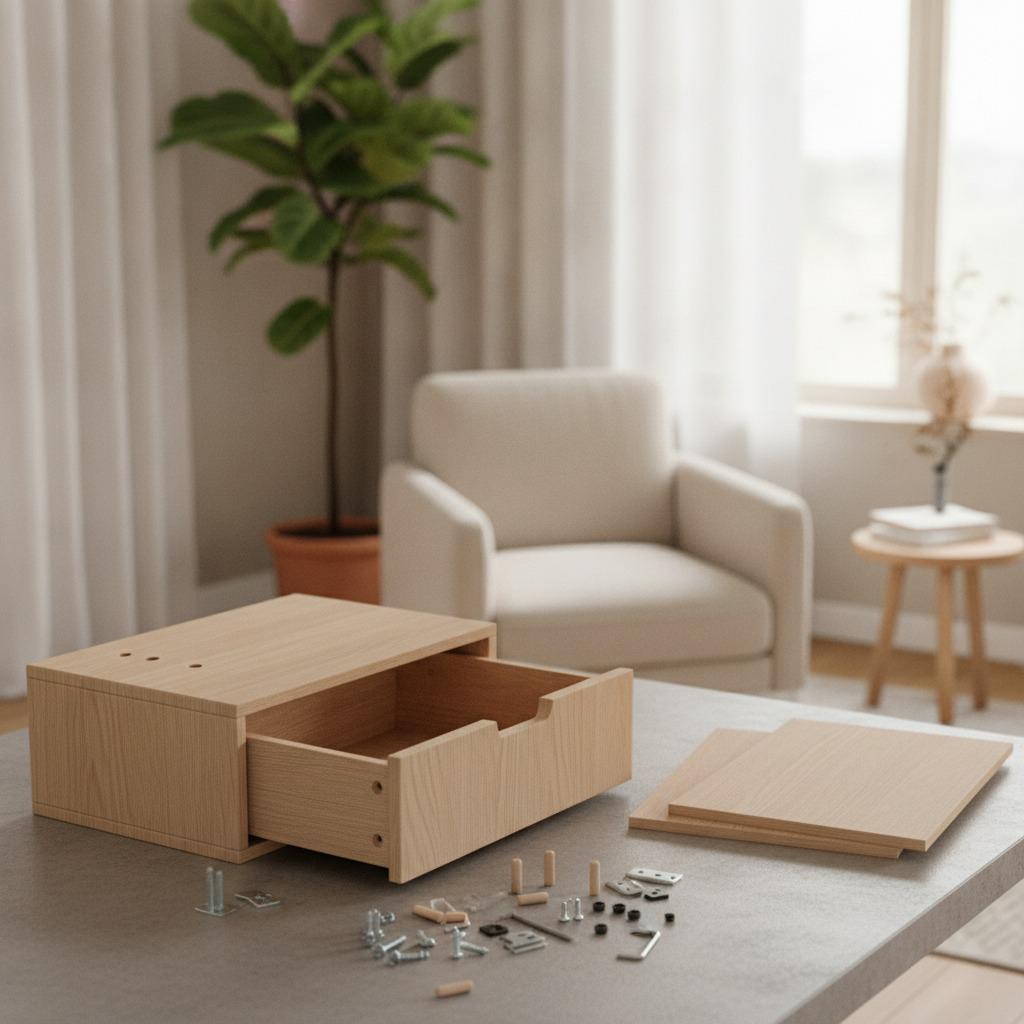
A furniture hardware kit may contain screws, cam locks, connecting bolts, dowels, washers, caps, brackets, hinge screws, and small accessories. Some parts are similar in size. Some are used only once. Some are essential but easy to miss.
If the packaging is unclear, assembly slows down.
For retail and cross-border e-commerce, this becomes even more important. The customer does not see a supplier’s production control. They see a hardware bag. If the bag is confusing, the product feels confusing.
Useful packaging may include:
- separated bags
- step labels
- model numbers
- barcode labels
- printed part codes
- compartment boxes
- blister packs
- spare-part packs
- inner carton protection
A good kit is not only complete.
It is easy to check, easy to use, and easy to repeat.
What buyers should expect from a furniture hardware kit factory
A dependable furniture hardware kit factory should support more than basic supply.
It should be able to discuss standard parts, custom fasteners, kit structure, packaging, inspection, repeat orders, and logistics. For OEM furniture projects, the supplier should also understand that small changes in board design can change the hardware requirement.
Jiangmen Jinhe Hardware Co., Ltd. works with machine screws, self-tapping screws, micro screws, precision screws, furniture connectors, cam lock-related hardware, and custom fastener solutions. For furniture buyers, this kind of fastener background is useful because a hardware kit often contains several part types, not one isolated item.
A kitchen cabinet kit may need cam lock screws, connecting bolts, hinge screws, washers, and dowels.
A hotel furniture program may need stable black hardware, spare packs, clear labels, and repeatable packing.
An OEM carcass program may need standard parts for one model and customized hardware for another.
The supplier’s value is not only whether it can provide the part.
It is whether it can keep the whole kit stable from one order to the next.
Black furniture screws need clear specification control
Black hardware is often chosen for appearance.
It may blend better with darker furniture, reduce the visibility of internal fittings, or match a specific design style. For kitchen and hotel furniture, black screws and connecting bolts can help the hardware look less distracting in semi-visible areas.
But color alone is not enough.
Buyers should confirm what “black” means in the actual specification. Is it black oxide, black zinc, black coating, electrophoretic coating, paint, or another finish? What corrosion expectation is required? Will the color stay consistent across batches? Will the finish affect drive performance or tightening feel?
These questions matter because a black part may be visible during assembly or inside the cabinet after installation.
If the finish scratches easily or changes between shipments, the buyer may receive complaints even when the connector still works mechanically.
Material and finish should be confirmed in writing before bulk production.
Common sourcing mistakes buyers should avoid
One common mistake is treating all furniture screws and connecting bolts as interchangeable.
They are not.
A cam lock screw, wood screw, hinge screw, connector bolt, and dowel-related fitting all serve different purposes. Using the wrong part may crack the panel, leave the joint loose, or make reassembly difficult.
Another mistake is approving the hardware without testing the real panel. A screw can perform well in a sample board and fail in the actual production material.
A third mistake is ignoring the packed kit. Loose samples show size and color. They do not show whether the finished hardware bag is easy to use.
Buyers also sometimes forget replacement support. In hotel furniture, kitchen cabinets, and flat-pack furniture, spare hardware may be needed later. If the part is hard to identify or reorder, after-sales work becomes slower.
The final mistake is choosing only by price. A cheaper kit is not cheaper if it creates damaged panels, missing-part claims, slow assembly, or customer complaints.
Practical questions before placing an order
Before choosing a furniture hardware kit manufacturer, buyers should ask:
What parts are included in the complete kit?
Which parts are standard, and which are customized?
What panel material is the hardware designed for?
What hole diameter and depth are required?
Is the 2 in 1 connecting bolt matched to the cam lock system?
What finish is used for the black furniture screws?
Can the kit be tested with actual production panels?
How are similar parts separated in packaging?
How is kit completeness checked before shipment?
What inspection documents are available?
Can replacement packs be supplied later?
Can the same specification be repeated in future orders?
Can logistics, warehousing, or export support be included?
These questions move the discussion away from a simple price comparison and toward real assembly performance.
Frequently Asked Questions
What does a furniture hardware kit manufacturer provide?
A furniture hardware kit manufacturer may provide screws, cam locks, connecting bolts, dowels, washers, hinge screws, brackets, caps, sleeves, labels, and customized packaging for furniture assembly.
What are 2 in 1 furniture connecting bolts used for?
2 in 1 furniture connecting bolts are used in furniture connection systems, often with cam lock-style assembly, to help join panels in cabinets, kitchen furniture, hotel furniture, and flat-pack products.
Why are black furniture screws used?
Black furniture screws may be used for appearance, design matching, or to reduce the visibility of hardware in darker furniture or semi-visible areas.
Can one hardware kit fit several furniture models?
Sometimes, but only when board thickness, hole pattern, load requirements, and assembly method are genuinely similar. Reuse without testing can create fit problems.
Why does packaging matter for furniture hardware kits?
Packaging helps prevent missing parts, mixed fasteners, unclear assembly steps, and customer complaints. For flat-pack furniture, the hardware kit is part of the user experience.
Should buyers test hardware before bulk orders?
Yes. Buyers should test the kit with actual panels, drilled holes, assembly tools, packaging format, and the complete assembly sequence before mass production.
A good kit keeps furniture assembly calmer
A good furniture hardware kit does not need to look complicated.
It needs to work.
The screw drives cleanly. The connecting bolt fits. The cam lock tightens. The washer is present. The dowel aligns the panel. The kit is complete. The label is clear. The next order matches the approved sample.
That is what buyers really need from a furniture hardware kit manufacturer.
For furniture hardware kits, 2 in 1 black furniture screws, connecting bolts, cam lock screws, kitchen furniture hardware, hotel furniture hardware, flat-pack furniture hardware, and OEM hardware kits, Jiangmen Jinhe Hardware Co., Ltd. can discuss standard parts, non-standard customization, material options, inspection, packaging, warehousing, logistics, and repeat supply requirements.
For direct inquiries:
Tel/WeChat: +86 13729150102
WhatsApp: +86 13322893939
Email: sharon@hkhomeideas.com
Start with the panel material, board thickness, hole pattern, connector type, hardware list, packaging method, finish requirement, and expected order quantity.
Once those details are clear, the right furniture hardware kit becomes much easier to source, assemble, and repeat.