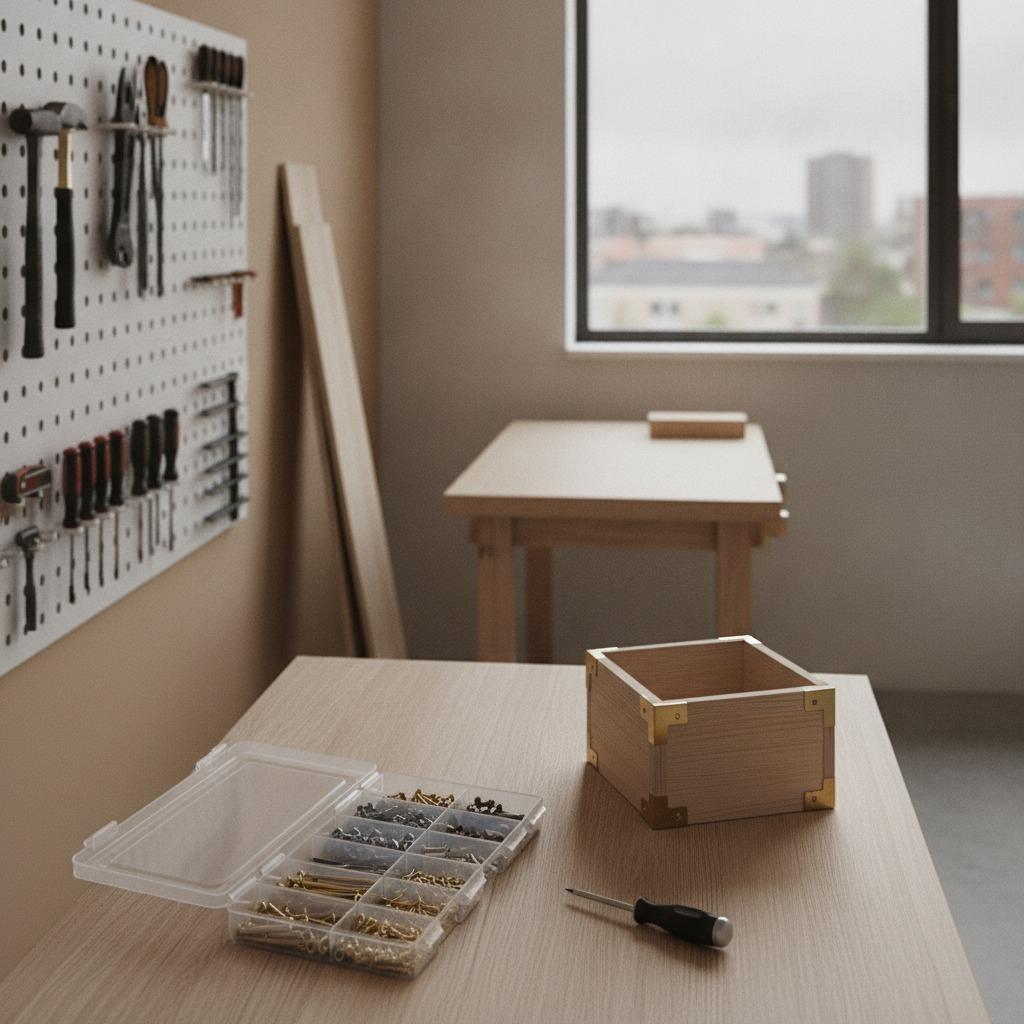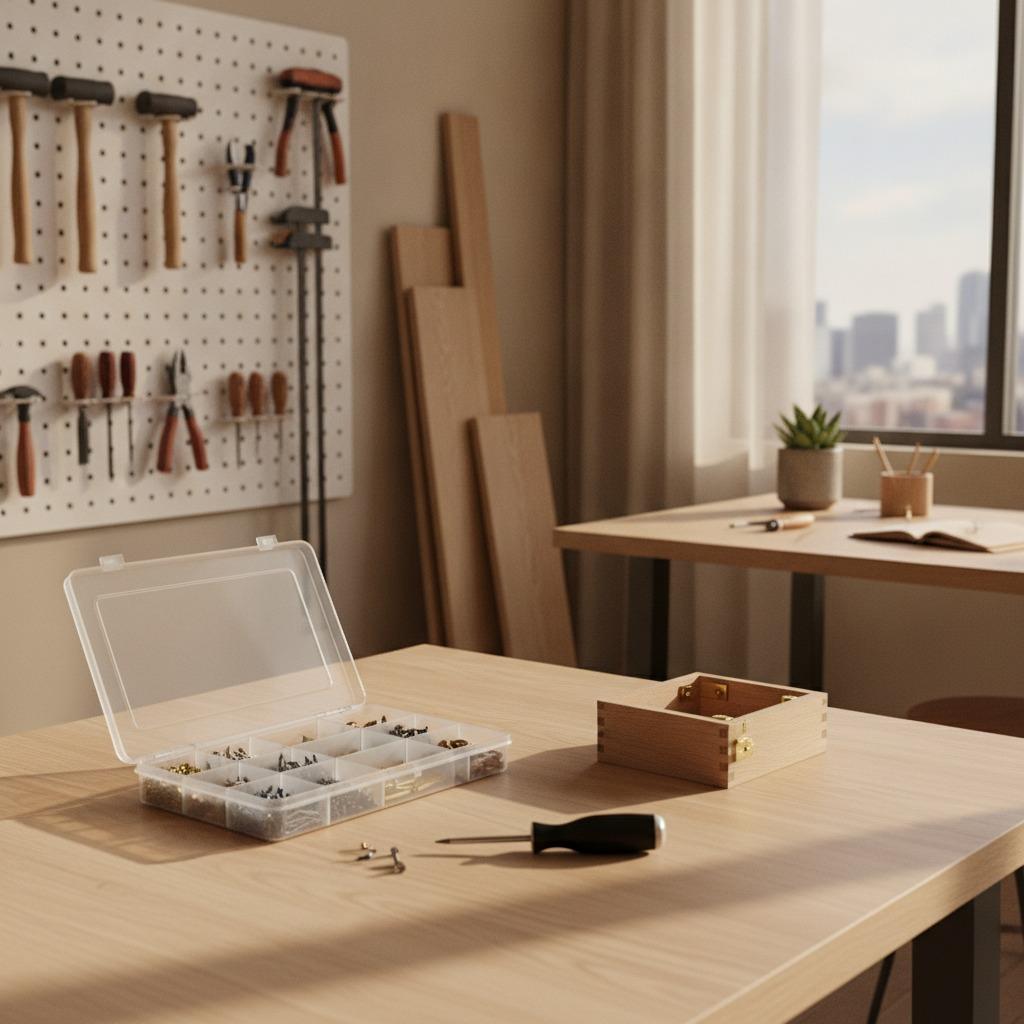

Furniture assembly seems simple, until the hardware is lost.
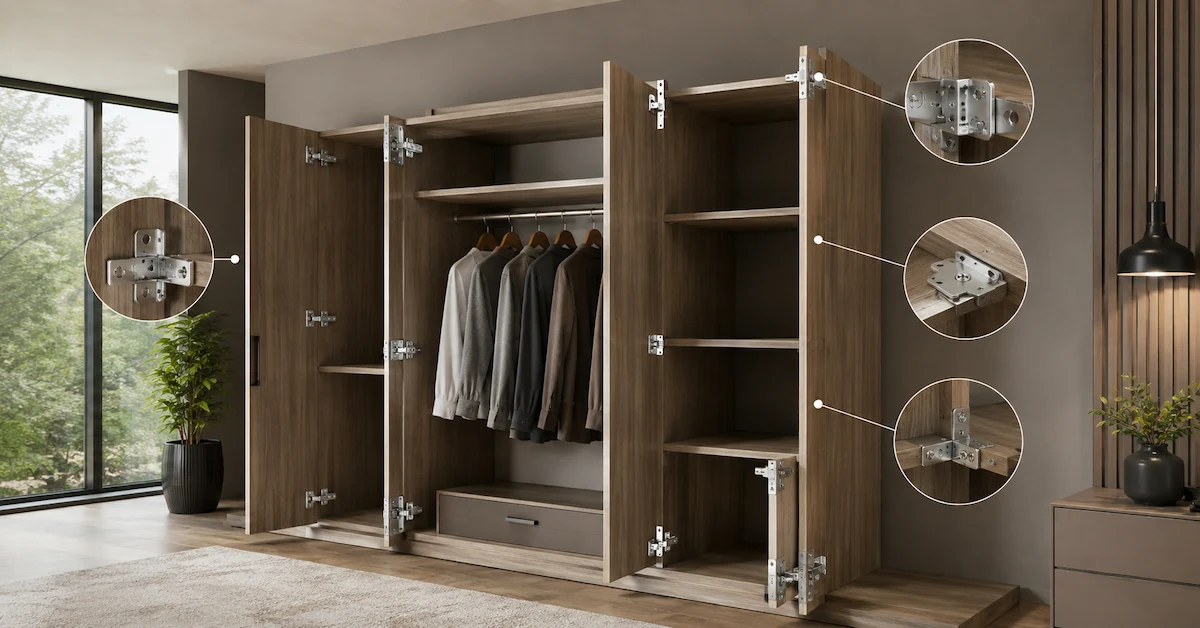
Anyone who has assembled a cabinet, a flat-pack desk, or a wall-mounted shelf understands the same principle: the panels may be the visible finished product, but true success often depends on the internal hardware. This is why furniture hardware kits are so crucial in sourcing and product development. A kit is more than just a box of screws and brackets; it determines whether the assembled product is sturdy and reliable, or wobbly, warped, and frustrating for installers even before the second panel is installed.
For engineers and purchasing personnel, the issue is rarely whether the hardware is available, but rather whether the right accessories fit together, match the panel structure, and are easy to install on the production line or at the customer's site. Whether evaluating cabinet hardware, drawer hardware, bed hardware, table hardware, or shelf hardware, the principle remains the same. The application scenarios differ, but the core purchasing standard is always practicality.
What problems must a good toolkit solve?
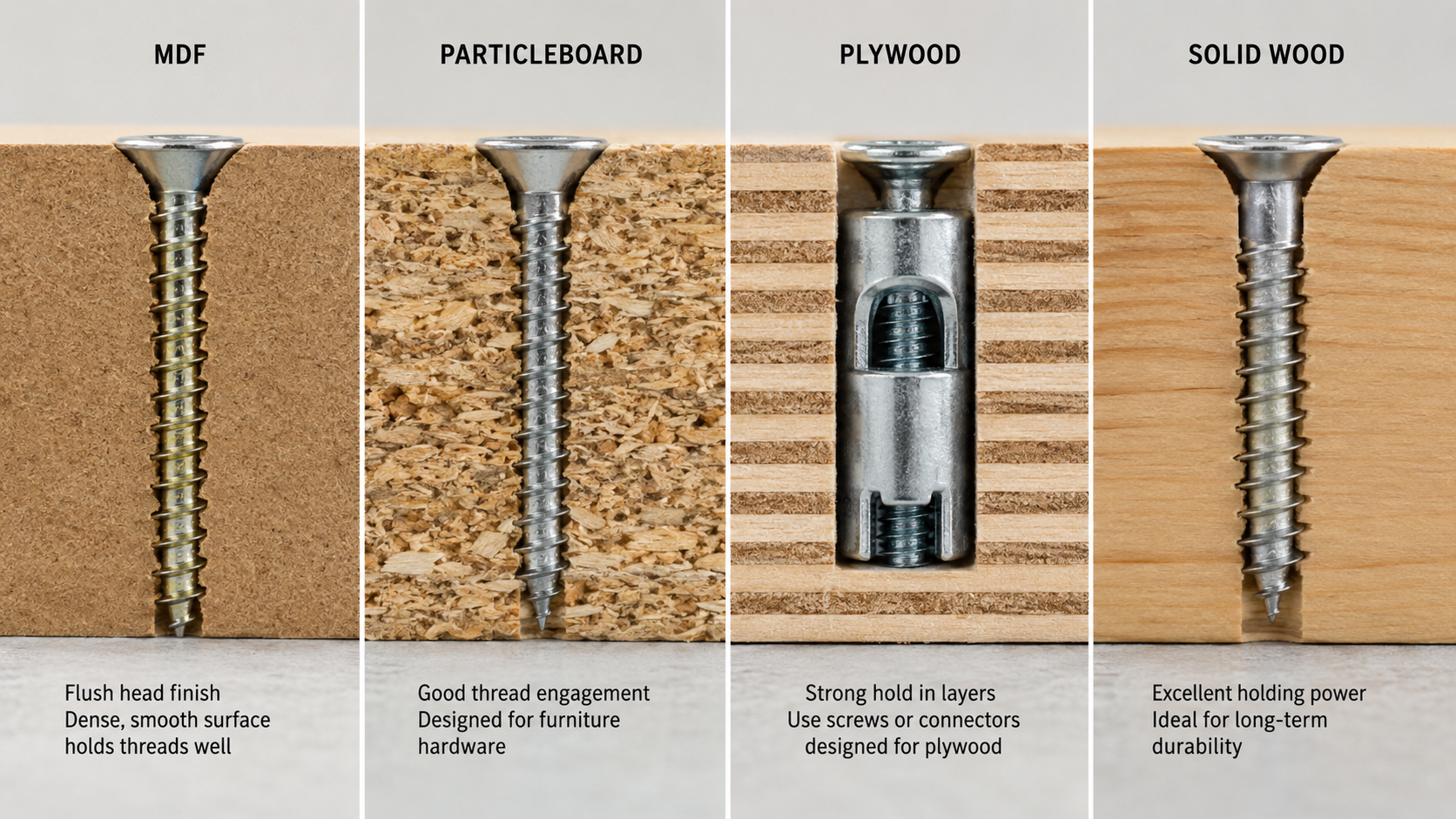
A practical furniture kit must meet three conditions simultaneously: secure connections, quick assembly, and adaptability to the properties of wood. Boards may warp and deform, holes may slightly shift, and end users may not have all the necessary clamps and gauges. Even if the kit appears well-designed, problems can still arise if parts are difficult to align or if fasteners are incompatible with the furniture's thickness and load-bearing capacity.
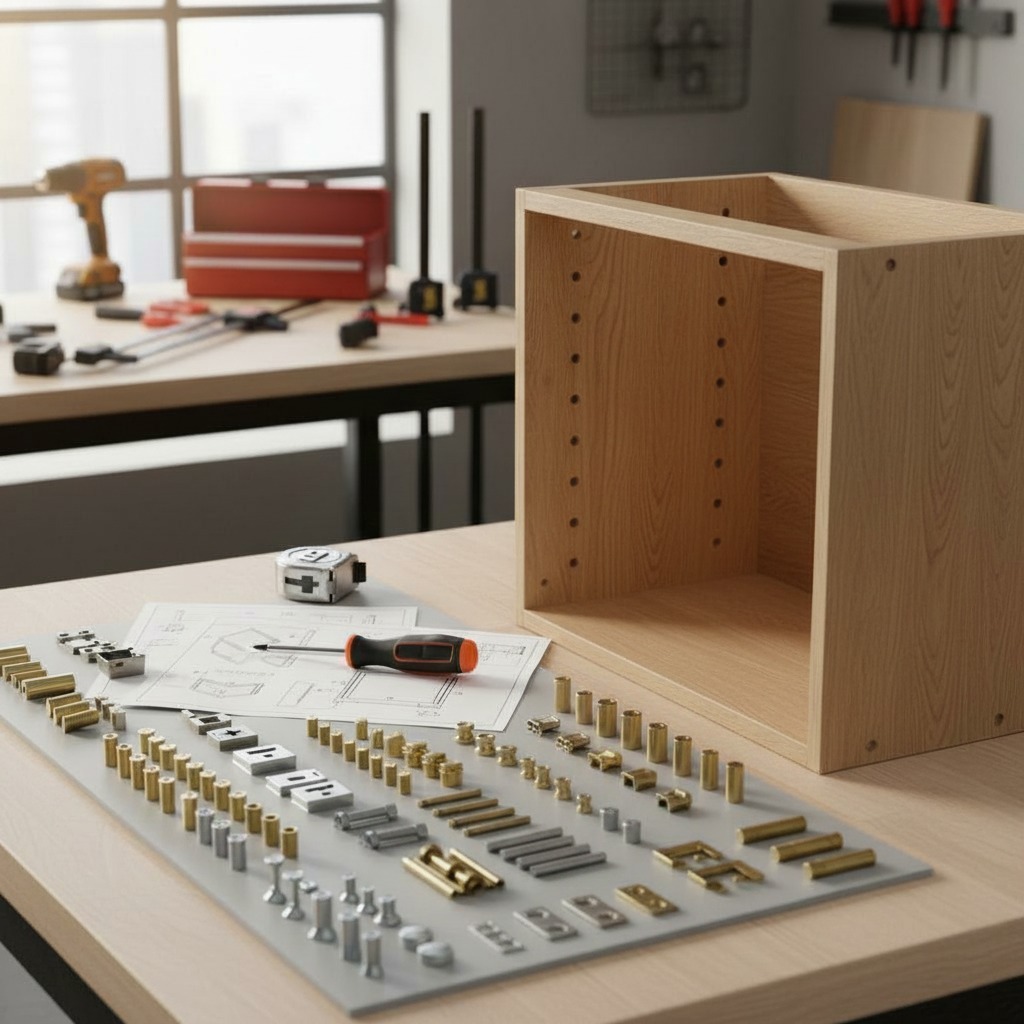
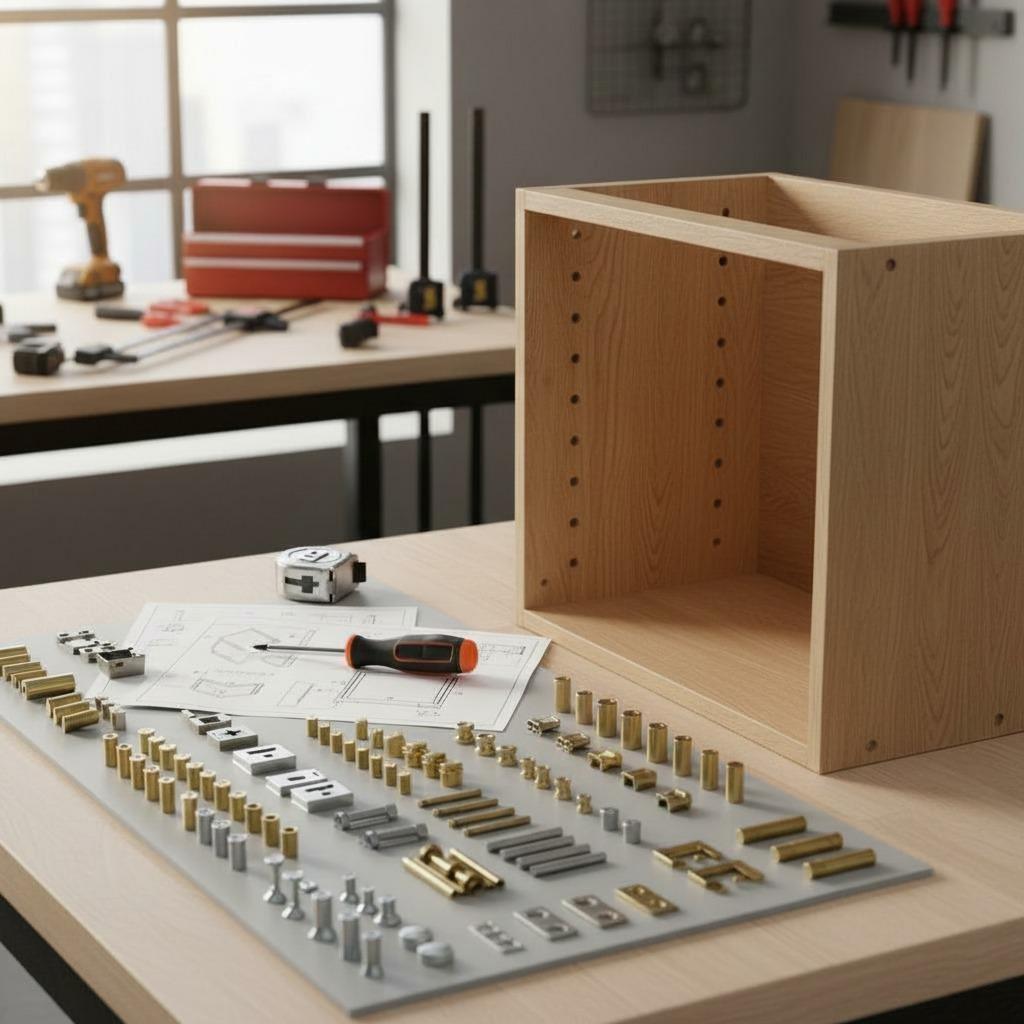
The open shelving provided in the product brochure is a good example. Pre-drilled adjustment holes indicate flexible shelf placement, while scattered pins, brackets, screws, connectors, washers, and small panels reflect the modular thinking upon which modern furniture manufacturing relies. In effect, this means the hardware must be able to support repeated assembly without requiring customization at every step.
Common furniture hardware kit components
Most furniture hardware sets consist of a few common parts. The specific combination of parts depends on the product, but the structure is recognizable.
Connectors and fasteners
These components securely connect the panels: screws, bolts, nuts, connecting cams, pins, and related connectors. In the provided images of the metal hardware, hex bolts, nuts, washers, and digital calipers are placed on the engineering drawings—the very layout the team uses to check dimensions, fits, and component compatibility. The same meticulousness is crucial for furniture. If connectors are too short, too loose, or don't fit the panels, assembly quality will quickly deteriorate.
Support and adjust hardware
Shelf pins, brackets, gussets, and spacers help furniture adapt to changes in load and layout. Pre-drilled holes visible inside the cabinet components are particularly important here. They indicate that the product is designed for adjustable storage, rather than fixed, one-time shelf placement. This flexibility is very useful in kitchen units, office cabinets, workshop storage, and modular systems, provided that the hardware of all components remains consistent.
Why should buyers focus on materials and surface finishes?
Whether it's fasteners or furniture hardware, the choice of materials subtly impacts their long-term performance. Jiangmen Jinhe Hardware Co., Ltd. points out that its products use a variety of materials, including stainless steel, iron, and aluminum, reflecting the different performance requirements of materials in various application scenarios. Stainless steel is usually the first choice when corrosion resistance is required. However, iron or other metals may be more suitable when cost and basic strength are primary considerations. But buyers should not assume that "metal" means it's suitable for all environments.
This cautious approach applies equally to the furniture industry. Furniture designed for damp kitchens, storage cabinets near utility rooms, or frequently used office furniture requires significantly different durability than furniture intended for dry bedrooms. Incorrect surface treatments may not cause problems on day one, but can lead to numerous complaints later on, and the cost of fixing these issues is much higher.
Choosing the right criteria can help avoid problems later on.
When comparing furniture hardware kits, the first thing to consider is the assembly method. Is the furniture designed for flat-pack self-assembly, factory pre-assembly, or easy to disassemble and reassemble for maintenance? Disposable home renovation kits may not be suitable for production lines that require speed and consistency.
Next, examine the board material and drilling layout. The cabinet images show evenly distributed holes, which usually indicates the need for adjustable fittings or a shelving system. This is helpful, but only if the hardware placement matches the board thickness. Buyers should also confirm that the kit includes all the small parts needed for assembly. Missing washers or an incompatible connector can prevent the entire batch from being assembled.
For applications that rely heavily on fasteners, inspection tools are equally crucial. The digital calipers shown in the image remind us that dimensional checks are not optional. Even in furniture manufacturing, quick measurements can prevent costly rework. This is especially important when raw materials come from multiple suppliers or when non-standard customization is involved.
Common mistakes in procurement
A common mistake is assuming all kits are interchangeable. Bed frame kits and shelf hardware kits may both include bolts and brackets, but their stress paths, installation requirements, and user expectations are vastly different. Another mistake is overemphasizing the hardware while neglecting the assembly experience. Even if the components are robust and durable, a slow installation can still put the kit at a disadvantage in the market if customers encounter difficulties during the process.
For buyers sourcing from across regions, there's another practical consideration: standards and naming conventions can change. Jiangmen Jinhe Hardware Co., Ltd. claims its fasteners conform to GB, DIN, ANSI, BS, JIS, and ISO standards. This can serve as a useful production framework, but buyers still need to verify the actual specifications required for their furniture projects, rather than assuming a generic standard label covers all the details.
A reasonable procurement method
If you are developing or sourcing furniture hardware kits, be sure to request a complete parts list, clear assembly instructions, and documentation that matches the type of furniture. Additionally, confirm that the supplier can provide non-standard customization services if required by the product design. For manufacturers, this is often the difference between generic kits and reliable production components.
Jiangmen Jinhe Hardware Co., Ltd., established in 2016 and located in Jiangmen City, Guangdong Province, primarily supplies fasteners, standard parts, and customized hardware products to the furniture, electronics, home appliance, building materials, and medical device industries. The company also places particular emphasis on pre-delivery inspection and rapid response measured in working hours. These are operational details that buyers should pay attention to, as hardware procurement is not only about the parts themselves, but also crucially about the supplier's ability to ensure the stable operation of the production line.
What requirements should be made before placing an order?
Request a sample kit. Inquire about the assembly sequence. Ask which components are included and which are not. If the furniture requires position adjustment, confirm the hole layout. If the design includes exposed fasteners, confirm the finish. If the kit will be shipped via export channels or cross-border e-commerce, confirm the packaging and documentation as early as possible, rather than after the initial order.
If you are choosing cabinet hardware sets, drawer hardware sets, bed hardware sets, table hardware sets, and shelf hardware sets, don't rely solely on the category names. Drawings, board structure, and actual installation steps speak louder than any promotional material.
Next steps for buyers and the product team
When the hardware is properly configured, furniture assembly can be surprisingly tedious, a fact often praised in manufacturing. If you're developing a new furniture product line or improving an existing one, start with the kit structure, then validate the fasteners, and finally test the assembly process on actual boards. This sequence saves significantly more time than trying to solve problems after the product is launched.
When negotiating the purchase or customization of fasteners, it's best to have drawings and a clear parts list prepared in advance. In this case, being clear from the start is much less costly than making changes later.