
How to Choose Stamping Hardware for Cabinets, Brackets, Shelving, and Industrial Assembly
Stamping hardware is often hidden inside a product.
It may sit behind a cabinet panel, under a shelf, inside a furniture frame, or on a metal bracket that users do not think about after installation. But hidden hardware still affects how a product feels, how long it lasts, and how easy it is to assemble.
If the stamped part is accurate, the holes line up. The screw sits properly. The bracket holds its shape. The surface finish looks consistent. Assembly workers move quickly.
If the stamped part is poor, problems begin.
The screw holes are slightly off.
The bracket bends too easily.
The finish scratches during packing.
The edge burrs damage nearby surfaces.
The part looks acceptable in a photo but fails during real installation.
That is why consumers, installers, OEM buyers, cabinet manufacturers, shelving suppliers, and industrial product teams need to look beyond the surface when choosing stamping hardware.
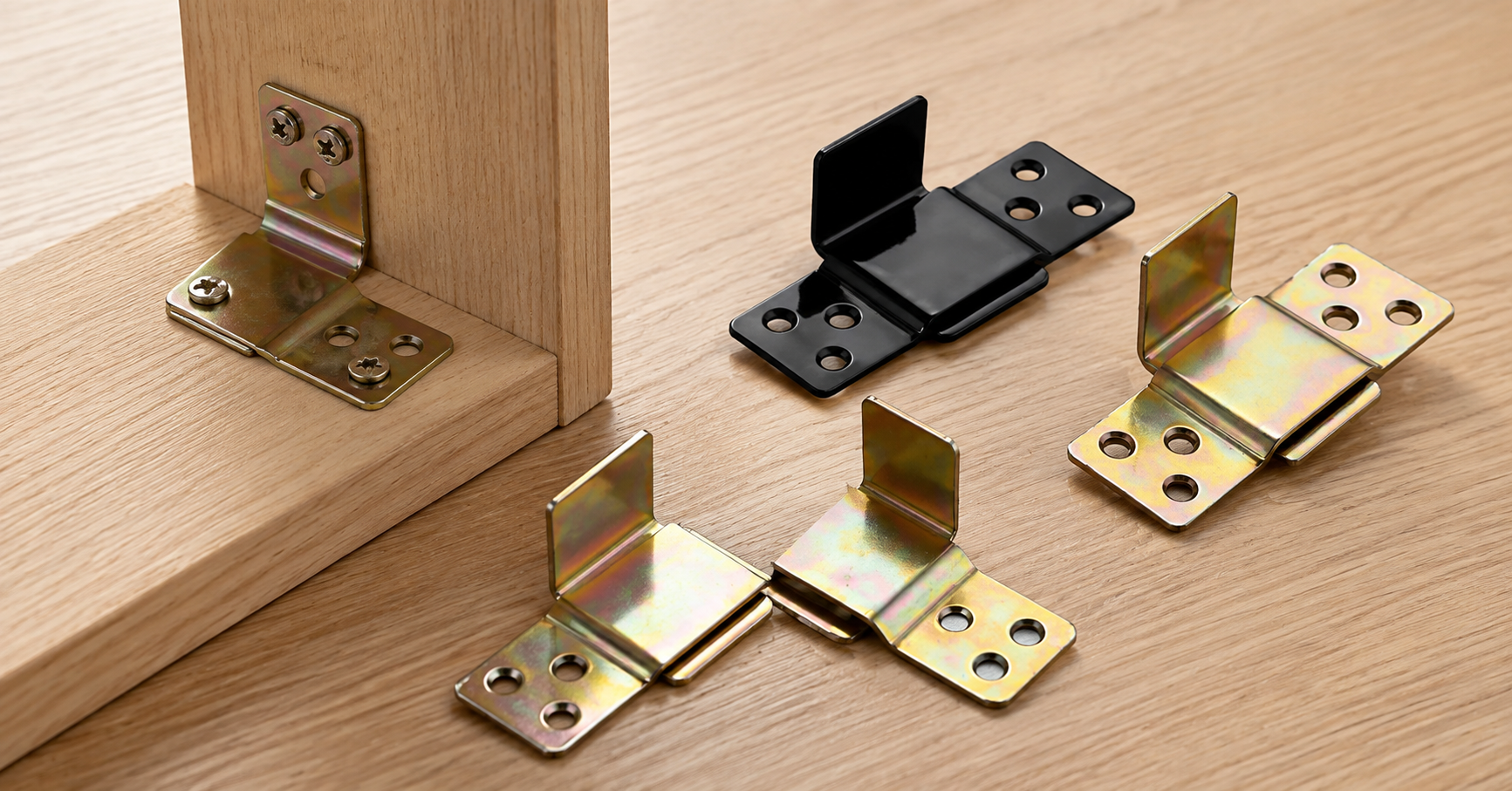
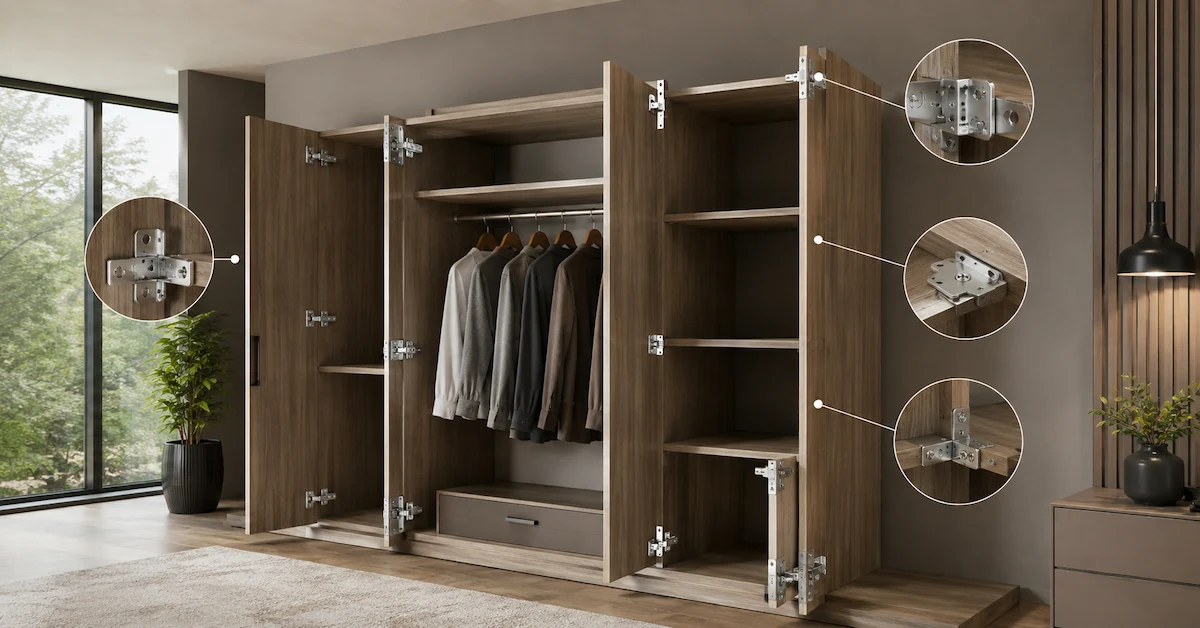
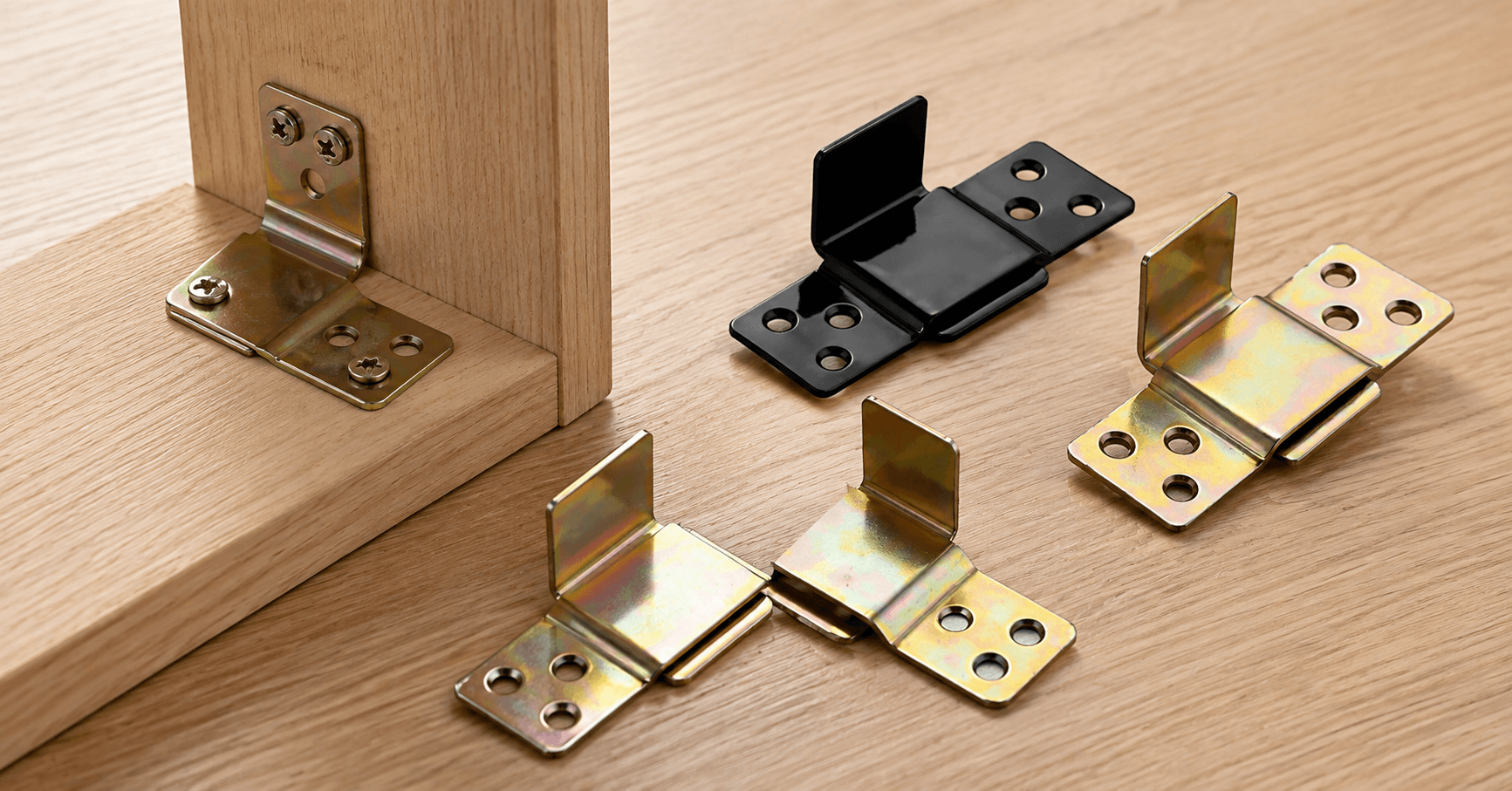
The JHFix product page describes stamping hardware as precision components for construction and assembly projects, with applications from industrial machinery to everyday fixtures. It also mentions customized stamping solutions based on designs or samples, R&D, standardized production, advanced machinery, strict quality controls, and on-time delivery. The page further describes stamping hardware screws for metal brackets, cabinets, shelving systems, kitchen cabinets, and furniture frames.
Product direction from the JHFix page
| Product Point | What the Page Supports |
|---|---|
| Product Category | Stamping Hardware |
| Application Direction | Construction, assembly projects, industrial machinery, fixtures |
| Customization | Customized solutions based on designs or samples |
| Production Focus | R&D, standardized production, advanced machinery, strict quality controls |
| Related Product Direction | Stamping hardware screw options |
| Use Scenarios Mentioned | Metal brackets, cabinets, shelving systems, kitchen cabinets, furniture frames |
| Finish Direction | Black finishes and classic metallic variants mentioned |
| Contact Shown on Page Footer | +86 13322893939 / sharon@hkhomeideas.com |
This information gives buyers a practical sourcing direction.
Still, stamping hardware should not be approved from description alone. Buyers should confirm the drawing, material, thickness, surface treatment, hole tolerance, burr control, packaging, inspection method, and sample performance before mass production.
What stamping hardware is used for
Stamping hardware is made by forming sheet metal into useful shapes. The final part may be a bracket, plate, connector, clip, support, cover, reinforcement, hinge part, screw-related plate, or custom fitting.
In everyday products, stamped parts can appear in:
- cabinet brackets
- kitchen cabinet supports
- shelf supports
- metal fixing plates
- furniture frames
- wall-mounted fixtures
- equipment covers
- appliance brackets
- machine guards
- retail display fixtures
- construction accessories
- industrial hardware kits
The JHFix page specifically mentions metal brackets, cabinets, shelving systems, kitchen cabinets, furniture frames, industrial machinery, and fixtures.
For consumers, stamping hardware may be the bracket that holds a shelf, the metal plate that reinforces a cabinet, or the fixing part that keeps a product aligned.
For B2B buyers, it is a repeat-production component that must match drawings and assembly conditions.
Start with the application, not the shape
Many buyers begin with a picture.
They find a bracket that looks close, ask for a price, and hope it fits. This approach may work for simple repair work, but it is risky for production.
A stamped part should be chosen according to its job.
Does it support weight?
Does it align two panels?
Does it reinforce a corner?
Does it hold a screw?
Does it act as a cover or visible finishing part?
Does it need bending strength?
Does it need corrosion resistance?
Does it need to match another part?
A cabinet bracket and a machine fixture may look similar but face different requirements. A decorative stamped part and a load-bearing stamped part should not be evaluated the same way.
Before choosing a stamping hardware supplier, buyers should prepare the application details.
That helps the factory select the correct material, thickness, process, and inspection points.
Material and thickness matter
For stamped metal parts, material and thickness drive performance.
If the material is too thin, the part may bend. If it is too thick, forming may be difficult or cost may increase. If the material does not match the environment, corrosion or wear may become a problem.
Buyers should confirm:
- material type
- material thickness
- hardness or grade if required
- bending requirement
- load condition
- surface finish
- hole tolerance
- whether the part is visible or hidden
- whether the part contacts wood, metal, plastic, or glass
Consumers may not always know the material grade, but they can still look at the intended use. A shelf bracket should not be chosen the same way as a small decorative clip.
B2B buyers should request a drawing and material confirmation.
Do not rely on “strong metal” as a specification.
Hole position and tolerance are critical
Stamped hardware often works with screws, bolts, rivets, or other fasteners. That means hole position matters.
A small hole shift can make the part difficult to install. A slot that is too narrow may block adjustment. A burr around the hole may scratch a surface or prevent the fastener from seating.
For cabinets and shelving systems, poor hole alignment slows assembly. For industrial machinery, it may stop installation completely.
Buyers should confirm:
| Selection Point | Why It Matters |
| Hole Diameter | Must match screw, bolt, rivet, or insert |
| Hole Position | Controls assembly alignment |
| Slot Size | Allows adjustment when needed |
| Burr Control | Prevents scratches and poor seating |
| Bend Angle | Affects bracket fit and load path |
| Flatness | Helps panels or brackets sit cleanly |
| Surface Finish | Affects appearance and corrosion expectations |
| Packaging | Prevents scratches and deformation during shipping |
| Inspection | Confirms repeatability across batches |
This table is useful because stamping hardware problems often come from details that are hard to see in a product photo.
Finish and appearance
The product page mentions black finishes and classic metallic variants for stamping hardware screw options.
Finish can be functional, visual, or both.
A black finish may match modern furniture or equipment. A metallic finish may suit general industrial hardware. A plated or coated finish may help with corrosion expectations. A painted finish may support branding or visible cabinet hardware.
Before choosing finish, ask:
Will the part be visible?
Will it be touched often?
Will it be used indoors or outdoors?
Will it face moisture?
Will it be packed with other metal parts?
Can the finish scratch during installation?
Does the finish need to match screws or other fittings?
Consumers often judge visible stamped hardware by appearance. B2B buyers must also consider consistency across batches.
One sample may look fine. The next order needs to match it.
Custom stamping: when it is useful
The product page mentions customized stamping hardware solutions based on designs or samples.
This is important for buyers whose existing part does not fit a standard catalog item.
Custom stamping may be useful when:
- hole positions are unique
- bracket shape must match a cabinet or frame
- load direction requires a special bend
- visible hardware needs a specific appearance
- an old part must be replaced
- several parts need to be combined into one design
- OEM products need private specifications
Customization should solve a real problem. It should not add cost just for the sake of being custom.
The best starting point is a drawing or sample.
If no drawing exists, the buyer should provide clear photos, measurements, material requirements, and use conditions. The supplier can then help determine whether stamping is suitable.
How consumers should choose stamping hardware
Consumers usually buy stamping hardware for repair, upgrade, or installation.
They may need a shelf bracket, cabinet plate, corner support, mounting part, or reinforcement fitting. In that situation, the buying process should be practical.
Check what the part needs to do.
Measure the hole spacing.
Confirm screw size.
Check material thickness.
Look at finish and appearance.
Test whether the part sits flat.
Make sure it does not bend under expected load.
Buy a sample before replacing many pieces.
Consumers should also think about where the part will be used. A kitchen cabinet part may face moisture and cleaning. A garage shelf bracket may need more strength. A visible furniture bracket should look neat.
The right stamped part is the one that fits the real product, not only the one that looks similar online.
How B2B buyers should choose a stamping hardware company
A B2B buyer needs more than a part that works once.
They need a company that can repeat the same part across batches.
When choosing a stamping hardware manufacturer, check whether the company can support:
- drawing review
- sample development
- material confirmation
- tooling discussion
- tolerance control
- surface treatment options
- burr control
- packing design
- inspection records
- repeat-order management
- custom parts from drawings or samples
The JHFix page mentions customized solutions, R&D, standardized production, advanced machinery, strict quality controls, and on-time delivery. These are useful strengths for B2B buyers, but they should still be tied to each project through drawings, samples, and agreed inspection criteria.
A good supplier should not only say “we can make it.”
They should help the buyer define what “correct” means.
Product advantages to highlight
For a company website, stamping hardware can be positioned around these advantages:
- suitable for cabinets, shelving, brackets, fixtures, and furniture frames
- can be customized from drawings or samples
- supports structural reinforcement and assembly efficiency
- available in practical finish directions such as black or metallic variants
- can be designed with holes for fast installation
- useful for both professional installation and DIY repair
- supports repeated production when drawings and inspection are controlled
The JHFix page highlights strength, versatility, integration into applications, customer-tailored solutions, and strict quality control. These points are important because buyers are not only purchasing a metal part. They are purchasing fit, stability, and production confidence.
Common buying mistakes
One common mistake is choosing stamping hardware by appearance only. A bracket may look strong but still be too thin or poorly formed for the load.
Another mistake is ignoring hole position. If holes do not match, assembly slows down or fails.
A third mistake is forgetting burr control. Burrs can scratch surfaces, damage packaging, and reduce perceived quality.
Buyers also sometimes choose a finish without considering where the part will be used. Indoor cabinet hardware and outdoor fixtures may need different surface protection.
B2B buyers sometimes approve a sample without defining tolerance and packaging. That can create problems in repeat orders.
Frequently Asked Questions
What is stamping hardware used for?
Stamping hardware is used in cabinets, shelving systems, brackets, fixtures, furniture frames, industrial machinery, and assembly projects.
Can stamping hardware be customized?
Yes. The product page mentions customized stamping hardware solutions based on designs or samples.
What should consumers check before buying?
Consumers should check hole spacing, screw size, material thickness, finish, load need, and whether the part fits the actual assembly.
What should B2B buyers check when choosing a factory?
B2B buyers should check drawing review, material confirmation, tolerance control, sample testing, finish options, packing, inspection, and repeat-order consistency.
Why does finish matter?
Finish affects appearance, corrosion expectations, handling, and how the part matches other hardware.
Final takeaway
Stamping hardware may look like a simple metal part, but the details decide whether it works.
The holes must align.
The material must be strong enough.
The bends must be accurate.
The finish must suit the environment.
The edges must be controlled.
The packaging must protect the part.
The next batch must match the approved sample.
For stamping hardware, stamped metal parts, cabinet brackets, shelving hardware, furniture frame hardware, stamped hardware screws, and OEM stamped components, Jiangmen Jinhe Hardware can discuss drawings, samples, finish options, packaging, and repeat supply.
For direct inquiries:
Tel/WhatsApp: +86 13322893939
Email: sharon@hkhomeideas.com
Start with the drawing, material thickness, hole position, load requirement, finish, packaging method, and expected order quantity. Once those details are clear, the right stamping hardware becomes much easier to choose and repeat.