
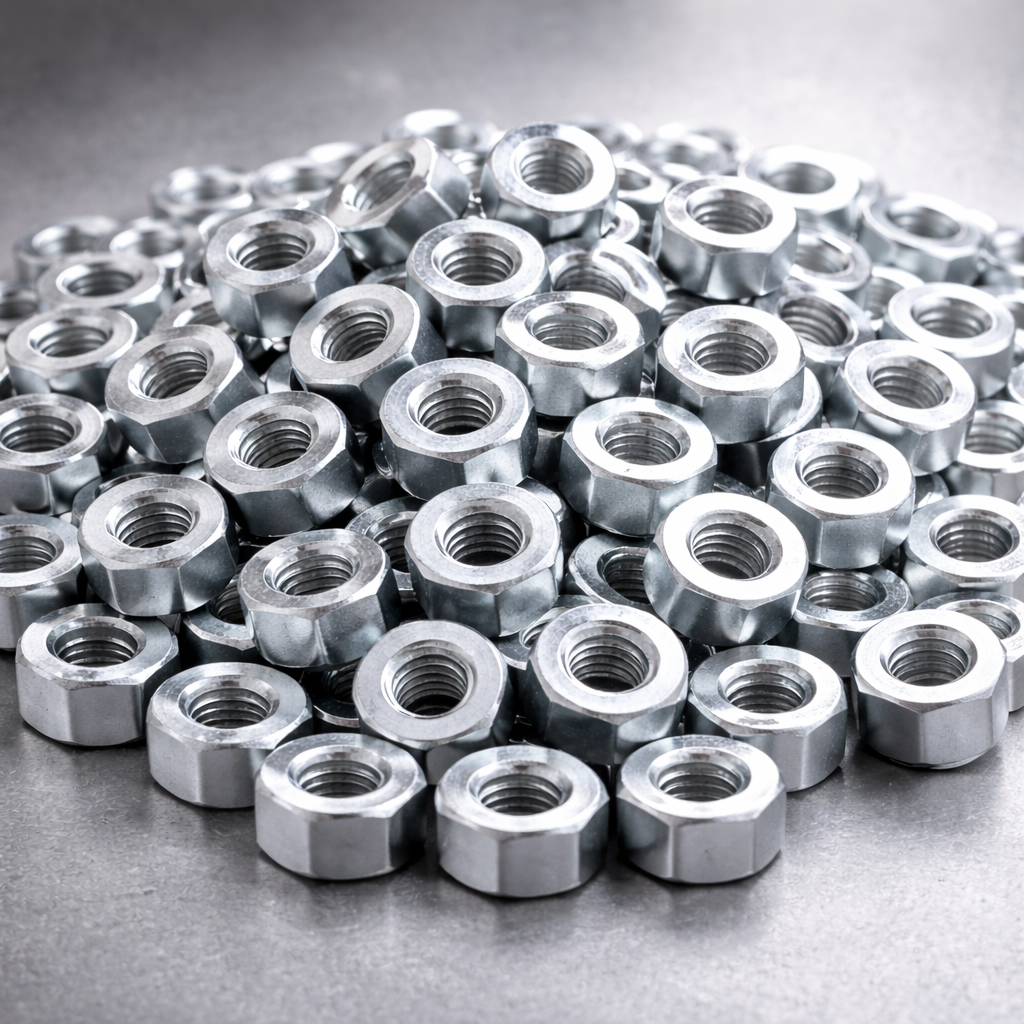

Product and Cooperation Issues in Nut Supply That Affect Real Production
In industrial sourcing, nut problems rarely appear as clear defects. Instead, they show up as inefficiencies.
Buyers often encounter situations where nuts technically meet specifications but fail to perform consistently in real assembly. Thread engagement varies slightly, torque readings fluctuate, and load performance becomes unpredictable. At the same time, cooperation issues—unclear specifications, inconsistent batches, or unstable delivery—begin to impact production planning.
These are not isolated issues. They reflect a deeper gap between product design and real application conditions.
At JHFIX, we address this by treating nut supply as a system. From material selection to thread precision and packaging control, every step is designed to ensure consistency—not just compliance.
Material Engineering: Matching Nut Performance to Real Load Conditions
The performance of a nut depends heavily on its material—but more importantly, on how that material behaves under real stress conditions.
Different applications require different material properties:
| Material Type | Typical Strength (MPa) | Hardness Range (HV) | Corrosion Resistance | Load Stability | Recommended Applications |
|---|---|---|---|---|---|
| Carbon Steel (Grade 8) | 800–900 | 250–320 HV | Low | Medium | Furniture, general machinery, indoor assemblies |
| Alloy Steel (Grade 10.9/12.9) | 1000–1200+ | 320–390 HV | Medium | High | Heavy equipment, structural joints, high-load fastening |
| Stainless Steel A2 (304) | 500–700 | 200–250 HV | High | Medium | Outdoor furniture, appliances, humid environments |
| Stainless Steel A4 (316) | 600–800 | 220–270 HV | Very High | High | Marine, chemical, coastal, high-corrosion environments |
According to Internat
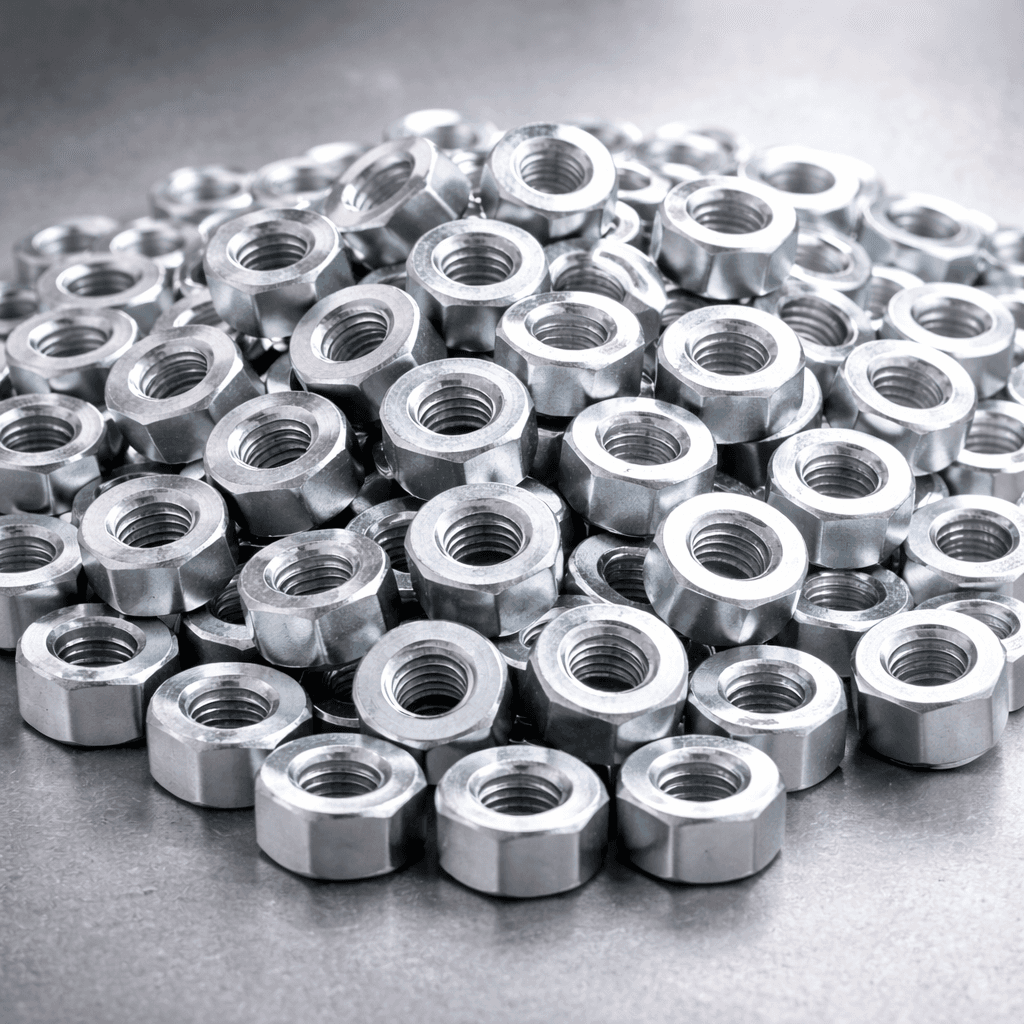
Product and Cooperation Issues in Nut Supply That Affect Real Production
In industrial sourcing, nut problems rarely appear as clear defects. Instead, they show up as inefficiencies.
Buyers often encounter situations where nuts technically meet specifications but fail to perform consistently in real assembly. Thread engagement varies slightly, torque readings fluctuate, and load performance becomes unpredictable. At the same time, cooperation issues—unclear specifications, inconsistent batches, or unstable delivery—begin to impact production planning.
These are not isolated issues. They reflect a deeper gap between product design and real application conditions.
At JHFIX, we address this by treating nut supply as a system. From material selection to thread precision and packaging control, every step is designed to ensure consistency—not just compliance.
Material Engineering: Matching Nut Performance to Real Load Conditions
The performance of a nut depends heavily on its material—but more importantly, on how that material behaves under real stress conditions.
Different applications require different material properties:
| Material Type | Strength Range | Key Advantage | Application Scenario |
|---|---|---|---|
| Carbon Steel | Medium | Cost-effective, versatile | General industrial assembly |
| Alloy Steel | High | High load-bearing capacity | Heavy machinery, structures |
| Stainless Steel A2 | Medium | Corrosion resistance | Outdoor environments |
| Stainless Steel A4 | Medium-High | Chemical resistance | Marine and chemical use |
According to International Organization for Standardization, material consistency and heat treatment control are critical for ensuring stable mechanical performance in fastening components.
A professional nut manufacturer ensures that material selection aligns with real application requirements, avoiding both underperformance and unnecessary over-engineering.
Why Buyers Prefer Solution-Oriented Nut Manufacturing
Many buyers initially focus on product specifications—size, thread type, material grade.
However, over time, the focus shifts toward performance consistency.
Common challenges include:
- Thread mismatch causing installation issues
- Load instability in high-stress environments
- Rework due to inconsistent batches
- Packaging inefficiencies affecting workflow
At JHFIX, we move beyond standard supply by offering solution-based manufacturing:
- Thread optimization based on application
- Material selection aligned with load conditions
- Surface treatment designed for stability and durability
- Packaging systems tailored to production needs
The result is not just a compliant product—but a reliable system.
Thread Precision: The Core of Nut Performance
Thread accuracy is critical for ensuring proper engagement between nuts and bolts.
Even small deviations can lead to:
- Cross-threading during installation
- Uneven load distribution
- Increased wear over time
- Reduced connection stability
Thread optimization focuses on:
- Controlled tolerance (e.g., ISO 6H standard)
- Smooth thread surface for consistent friction
- Batch-level consistency across production
Organizations like ASTM International emphasize that thread precision directly impacts mechanical performance and fatigue resistance.
A reliable nut manufacturer ensures that every unit performs consistently—not just within tolerance, but within expectation.
Surface Treatment: Balancing Protection and Performance
Surface coatings serve two critical functions: corrosion protection and friction control.
Common treatments include:
- Zinc plating for general protection
- Black oxide for moderate corrosion resistance
- Phosphate coating for friction consistency
Inconsistent coating can lead to torque variability during installation.
By controlling coating thickness and uniformity, a nut manufacturer ensures stable performance across different environments.
Packaging as a Performance Factor, Not Just Logistics
Packaging is often overlooked, yet it directly affects production efficiency.
Loose packaging can cause:
- Counting inaccuracies
- Mixing of different nut sizes
- Increased handling time
Optimized packaging solutions improve workflow:
| Packaging Type | Counting Accuracy | Operational Impact |
|---|---|---|
| Loose bulk | ~90% | Frequent delays |
| Standard packaging | ~97–98% | Minor inefficiencies |
| Custom packaging | 99%+ | Stable production flow |
Accurate packaging ensures that assembly lines receive the right quantity at the right time.
A Real Case: Improving Assembly Stability Through Process Control
An industrial client faced recurring issues with nut performance in a high-load application.
Problems included:
- Inconsistent torque during assembly
- Occasional loosening under vibration
- Increased maintenance requirements
After analysis, we identified variation in thread precision and material hardness.
We implemented:
- Tighter thread tolerance control
- Improved heat treatment consistency
- Optimized surface coating for stable friction
The results:
- Improved load stability
- Reduced maintenance frequency
- More consistent assembly performance
The improvement came from refining the product system—not redesigning the assembly.
Where Nut Solutions Deliver the Most Value
Solution-based nut manufacturing is especially critical in:
- Heavy machinery and structural applications
- Automotive and vibration-sensitive systems
- Industrial production lines requiring consistency
- Export projects needing reliable long-term performance
In these environments, small inconsistencies scale quickly.
Frequently Asked Questions
Q1: What is the most common issue with nuts in industrial applications?
Thread inconsistency and load instability, which affect assembly performance and durability.
Q2: How can buyers ensure consistent nut quality?
By evaluating manufacturing processes, material control, and batch consistency—not just specifications.
Q3: Does packaging affect overall supply efficiency?
Yes. Accurate packaging reduces delays, improves workflow, and minimizes inventory errors.
Building Reliable Fastening Systems Starts with the Right Nut Manufacturer
Nuts may be small components, but their impact on assembly performance is significant. When material, thread precision, and packaging align with application needs, production becomes more stable and efficient.
At JHFIX, we focus on delivering nut solutions that perform consistently in real-world conditions—through controlled manufacturing and system-level optimization.
To explore our capabilities and fastener solutions, visit our homepage:
https://www.jhfix.com/
If you are facing issues such as inconsistent performance, assembly inefficiencies, or supply instability, it may be time to upgrade your sourcing strategy. Contact our team here to discuss your project:
https://www.jhfix.com/contact-us
ional Organization for Standardization, material consistency and heat treatment control are critical for ensuring stable mechanical performance in fastening components.
A professional nut manufacturer ensures that material selection aligns with real application requirements, avoiding both underperformance and unnecessary over-engineering.
Why Buyers Prefer Solution-Oriented Nut Manufacturing
Many buyers initially focus on product specifications—size, thread type, material grade.
However, over time, the focus shifts toward performance consistency.
Common challenges include:
- Thread mismatch causing installation issues
- Load instability in high-stress environments
- Rework due to inconsistent batches
- Packaging inefficiencies affecting workflow
At JHFIX, we move beyond standard supply by offering solution-based manufacturing:
- Thread optimization based on application
- Material selection aligned with load conditions
- Surface treatment designed for stability and durability
- Packaging systems tailored to production needs
The result is not just a compliant product—but a reliable system.
Thread Precision: The Core of Nut Performance
Thread accuracy is critical for ensuring proper engagement between nuts and bolts.
Even small deviations can lead to:
- Cross-threading during installation
- Uneven load distribution
- Increased wear over time
- Reduced connection stability
Thread optimization focuses on:
- Controlled tolerance (e.g., ISO 6H standard)
- Smooth thread surface for consistent friction
- Batch-level consistency across production
Organizations like ASTM International emphasize that thread precision directly impacts mechanical performance and fatigue resistance.
A reliable nut manufacturer ensures that every unit performs consistently—not just within tolerance, but within expectation.
Surface Treatment: Balancing Protection and Performance
Surface coatings serve two critical functions: corrosion protection and friction control.
Common treatments include:
- Zinc plating for general protection
- Black oxide for moderate corrosion resistance
- Phosphate coating for friction consistency
Inconsistent coating can lead to torque variability during installation.
By controlling coating thickness and uniformity, a nut manufacturer ensures stable performance across different environments.
Packaging as a Performance Factor, Not Just Logistics
Packaging is often overlooked, yet it directly affects production efficiency.
Loose packaging can cause:
- Counting inaccuracies
- Mixing of different nut sizes
- Increased handling time
Optimized packaging solutions improve workflow:
| Packaging Type | Counting Accuracy | Operational Impact |
|---|---|---|
| Loose bulk | ~90% | Frequent delays |
| Standard packaging | ~97–98% | Minor inefficiencies |
| Custom packaging | 99%+ | Stable production flow |
Accurate packaging ensures that assembly lines receive the right quantity at the right time.
A Real Case: Improving Assembly Stability Through Process Control
An industrial client faced recurring issues with nut performance in a high-load application.
Problems included:
- Inconsistent torque during assembly
- Occasional loosening under vibration
- Increased maintenance requirements
After analysis, we identified variation in thread precision and material hardness.
We implemented:
- Tighter thread tolerance control
- Improved heat treatment consistency
- Optimized surface coating for stable friction
The results:
- Improved load stability
- Reduced maintenance frequency
- More consistent assembly performance
The improvement came from refining the product system—not redesigning the assembly.
Where Nut Solutions Deliver the Most Value
Solution-based nut manufacturing is especially critical in:
- Heavy machinery and structural applications
- Automotive and vibration-sensitive systems
- Industrial production lines requiring consistency
- Export projects needing reliable long-term performance
In these environments, small inconsistencies scale quickly.
Frequently Asked Questions
Q1: What is the most common issue with nuts in industrial applications?
Thread inconsistency and load instability, which affect assembly performance and durability.
Q2: How can buyers ensure consistent nut quality?
By evaluating manufacturing processes, material control, and batch consistency—not just specifications.
Q3: Does packaging affect overall supply efficiency?
Yes. Accurate packaging reduces delays, improves workflow, and minimizes inventory errors.
Building Reliable Fastening Systems Starts with the Right Nut Manufacturer
Nuts may be small components, but their impact on assembly performance is significant. When material, thread precision, and packaging align with application needs, production becomes more stable and efficient.
At JHFIX, we focus on delivering nut solutions that perform consistently in real-world conditions—through controlled manufacturing and system-level optimization.
To explore our capabilities and fastener solutions, visit our homepage:
https://www.jhfix.com/
If you are facing issues such as inconsistent performance, assembly inefficiencies, or supply instability, it may be time to upgrade your sourcing strategy. Contact our team here to discuss your project:
https://www.jhfix.com/contact-us