
How to approach a screw selection guide without overcomplicating the job
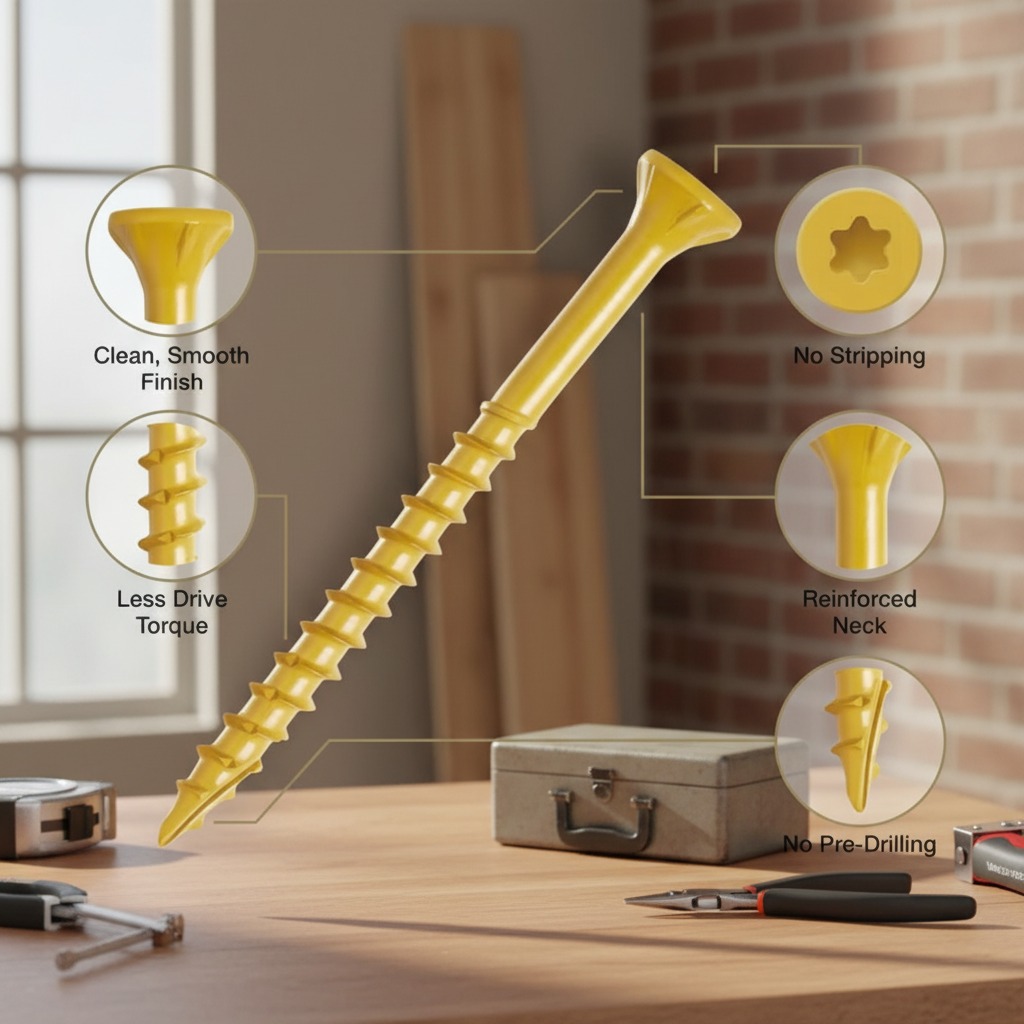
A good screw selection guide is less about memorizing every fastener family and more about matching the screw to the material, the load, and the way the part will be assembled in the real world. That sounds obvious until a line stops because the wrong screw stripped a softwood board, split a panel edge, or failed to hold in thin metal. Buyers and engineers usually do not need a lecture on fastener theory; they need a practical decision that saves rework and reduces variation.
At Jiangmen Jinhe Hardware Co., Ltd., the fastener side of the business covers machine screws, self-tapping screws, micro screws, and precision screws in stainless steel, iron, and aluminum. That matters because the “best” screw is rarely a single universal answer. It depends on substrate, corrosion exposure, assembly method, and whether you are buying for production, repair, or retail resale. The packaging shown in your reference data also reflects how the market works: bulk screw buckets for hardware retail, and compartmented blister packs for mixed replacement kits. In other words, the screw itself is only half the buying decision. The other half is how it will be identified, stored, and delivered to the line or the customer.
What the main screw choices are really for
For most buyers, the practical question is not “what is the perfect screw?” but “which family gives me the least trouble?”
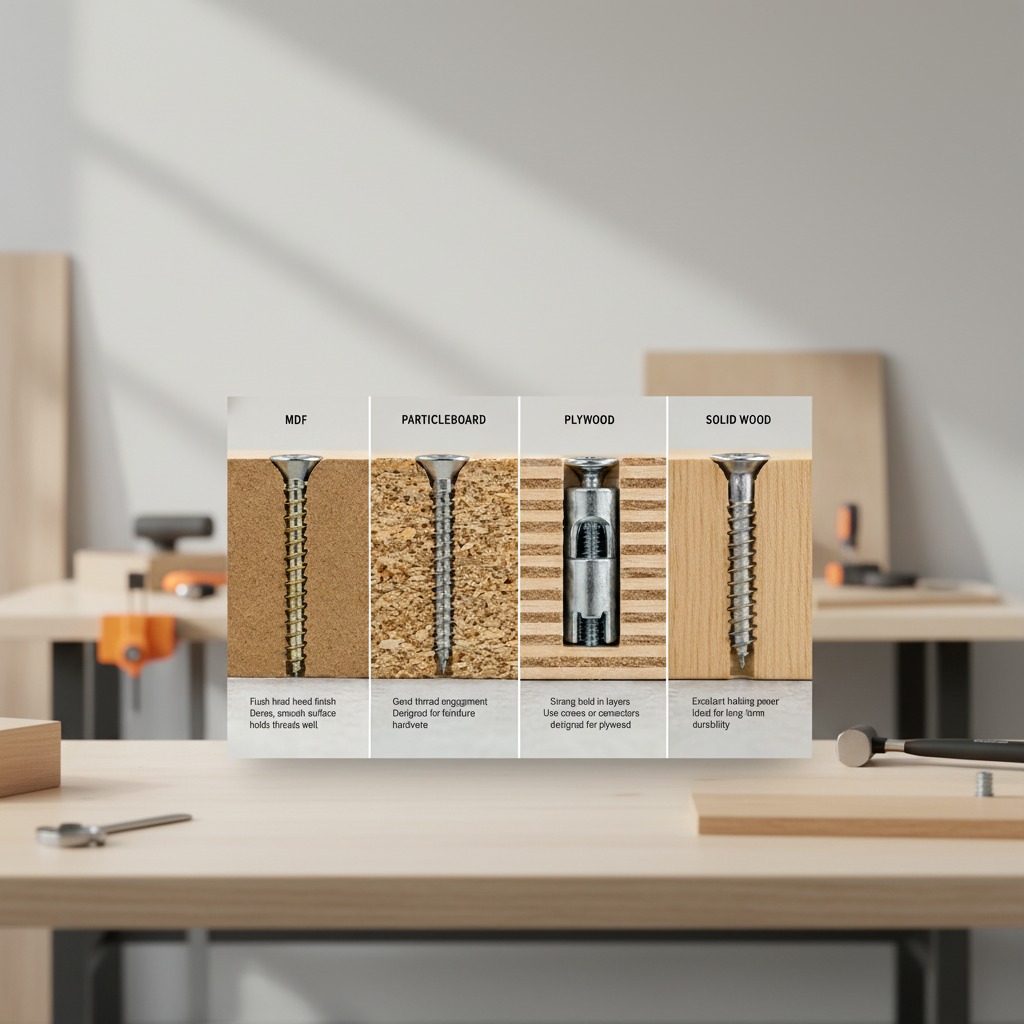
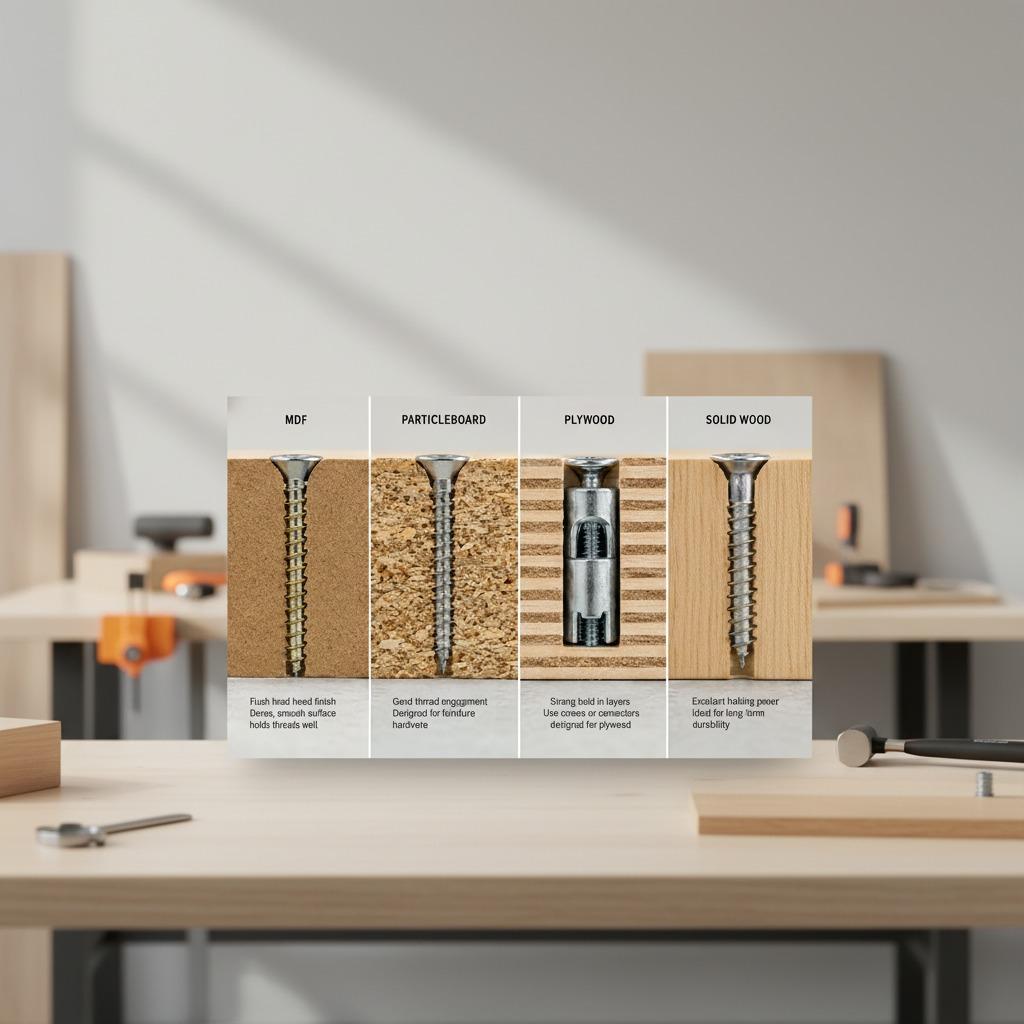
If you are asking about the best screw for wood, you are usually balancing holding power against split resistance. Wood screws and self-tapping styles with the right point and thread form are common because they bite cleanly into timber and engineered wood. The visible retail buckets in the provided data include wood screws in counts such as 300 pieces, which is a reminder that wood applications often need repeatable, high-volume packaging for trade counters or jobsite distribution.
If you are asking about the best screw for metal, the priorities change. Metal fastening usually leans toward machine screws, self-tapping screws, or matched hardware kits depending on whether the application is threaded, pre-drilled, or assembled with a nut. In thin sheet, thread engagement and hole preparation matter more than brute force. A screw that feels “strong” in the hand can still be wrong for the job if the thread form is not suitable for the base material.
If you are asking about the best screw for drywall, the deciding factors are different again. Drywall fasteners are typically chosen for grip, head profile, and installation speed, not for deep structural load. A screw that works beautifully in cabinet assembly can still perform poorly in gypsum board if it tears paper, overdrives easily, or does not seat properly.
Quick comparison: what to look at first
Before you compare prices or packaging styles, check these basics:
- Base material: wood, metal, drywall, plastic, or composite
- Thread style: coarse, fine, self-tapping, or machine-threaded
- Head type: what tool drives it and how the head seats
- Corrosion exposure: indoor dry use versus humid or outdoor service
- Packaging format: bulk bucket, blister pack, boxed kit, or mixed spare-parts set
That last point is easy to underestimate. The blister-pack hardware kit in the supplied product data, with counts labeled Ex1, Ax8, Bx2, Cx4, and Dx17 plus a “Spare Parts” area, is a good example of how mixed hardware is often sold when several sizes need to stay organized. For OEMs and service departments, that layout reduces sorting mistakes. For retail, it improves the odds that the end user finds the right piece without opening three bags and spilling everything onto a bench.
Selection criteria that save money later
The common mistake in screw buying is treating size as the only variable. A #8 x 2 inch screw may be perfectly reasonable in one application and completely wrong in another. Length, diameter, coating, and head design all matter. So does the packaging itself, especially if you are sourcing for channels that require clear labeling and stable shelf presentation.
Jiangmen Jinhe Hardware’s business scope includes standard parts and non-standard customization, which is relevant for buyers who need a packaged hardware solution rather than loose fasteners. In retail hardware, a clear plastic bucket with a fitted lid helps merchandising and jobsite handling. In factory supply, a thermoformed blister pack can prevent mix-ups when multiple screw sizes are shipped together as a kit. Neither format is inherently better; the right one depends on the buyer’s use case.
A practical caution: do not assume all bright silver fasteners have the same coating or corrosion performance. The image data suggests a metallic finish that is likely zinc-plated or similar, but that should never be guessed in a technical specification. If corrosion resistance matters, ask for the actual material and finish documentation.
Common mistakes buyers still make
One mistake is ordering by head count alone. Another is choosing a screw that installs easily but does not hold under vibration. A third is ignoring packaging traceability. If the box or bucket only says “assorted screws,” the production team eventually pays for that ambiguity.
This is where a reliable supplier matters. Jiangmen Jinhe Hardware notes inspection before delivery, supporting documentation, and response times that are designed for production buyers rather than casual retail. For sourcing managers, that kind of support can be more valuable than chasing the cheapest per-piece price, especially when mixed-size hardware is involved.
Buyer advice for production teams and wholesalers
If you source screws for furniture, appliances, electronics, building materials, or cross-border e-commerce, start with the application and work backward. Ask for the screw family, the material, the drive style, and the packaging format that fits your channel. For mixed hardware sets, confirm part counts and labeling before you approve artwork. For bulk buckets, check whether the container supports clean shelf presentation and safe transport. Small details here prevent large warehouse headaches later.
If you are still deciding between a few options, request samples in the exact pack style you plan to sell or use. A screw can look fine in a catalog and still be awkward to assemble from a mixed blister pack if the cavity sizing, label layout, or count verification is poor.
FAQ: the questions buyers ask late in the process
Can one screw type cover wood and metal?
Sometimes, but not cleanly. Mixed-use fastening is possible in light-duty work, yet most serious applications perform better with a screw designed for the base material.
Should I buy bulk buckets or blister kits?
Bulk buckets suit fast retail turnover and onsite storage. Blister kits suit repairs, assembly accessories, and any situation where part separation matters.
What should I ask a supplier first?
Ask for exact size, thread type, material, finish, and packaging format. If the answer is vague, the product probably is too.
Next step
If you are sourcing screws, hardware kits, or retail-ready fastener packaging, the smartest move is to specify the application first and the container second. That keeps your screw selection guide practical instead of theoretical. For custom fasteners, mixed kits, or packaged hardware supply, Jiangmen Jinhe Hardware Co., Ltd. can support standard and customized orders across production, logistics, and export channels.