

Screw Selection Guide: Choosing the Right Fastener Without Guesswork
If you have ever tried to fix a hinge, assemble a cabinet, or specify fasteners for a product line, you already know why a screw selection guide matters. The wrong screw can strip a joint, split timber, loosen under vibration, or simply waste time on the line. The right one disappears into the job and lets the assembly do its work. For buyers, engineers, and sourcing teams, the decision is rarely about one “universal” fastener. It is about matching material, head style, drive type, coating, and application conditions with enough discipline to avoid rework later.
That is true whether you are choosing the best screw for wood, the best screw for metal, or the best screw for drywall. Each category has its own logic, and the overlap is smaller than casual users expect.
What a Good Screw Choice Has to Solve
A screw is a small part with a long list of responsibilities. It must bite into the substrate, hold clamp load, resist loosening, and fit the assembly process. In packaged hardware, the selection issue gets even more practical: retail kits, service kits, and industrial packs need the right mix of sizes and clear labeling so workers do not sort through the wrong compartment at the wrong moment.
The packaging shown in common hardware supply formats—clear plastic tubs, bucket-style containers, and blister packs—reflects that need for visibility and organization. Transparent packaging lets buyers see the contents before opening, while segmented blister trays keep mixed fastener kits separated. That may sound like a minor detail, but on a busy production floor or in a warehouse, it saves time and prevents mix-ups.
Quick Reference: Wood, Metal, and Drywall Use Cases
Best screw for wood
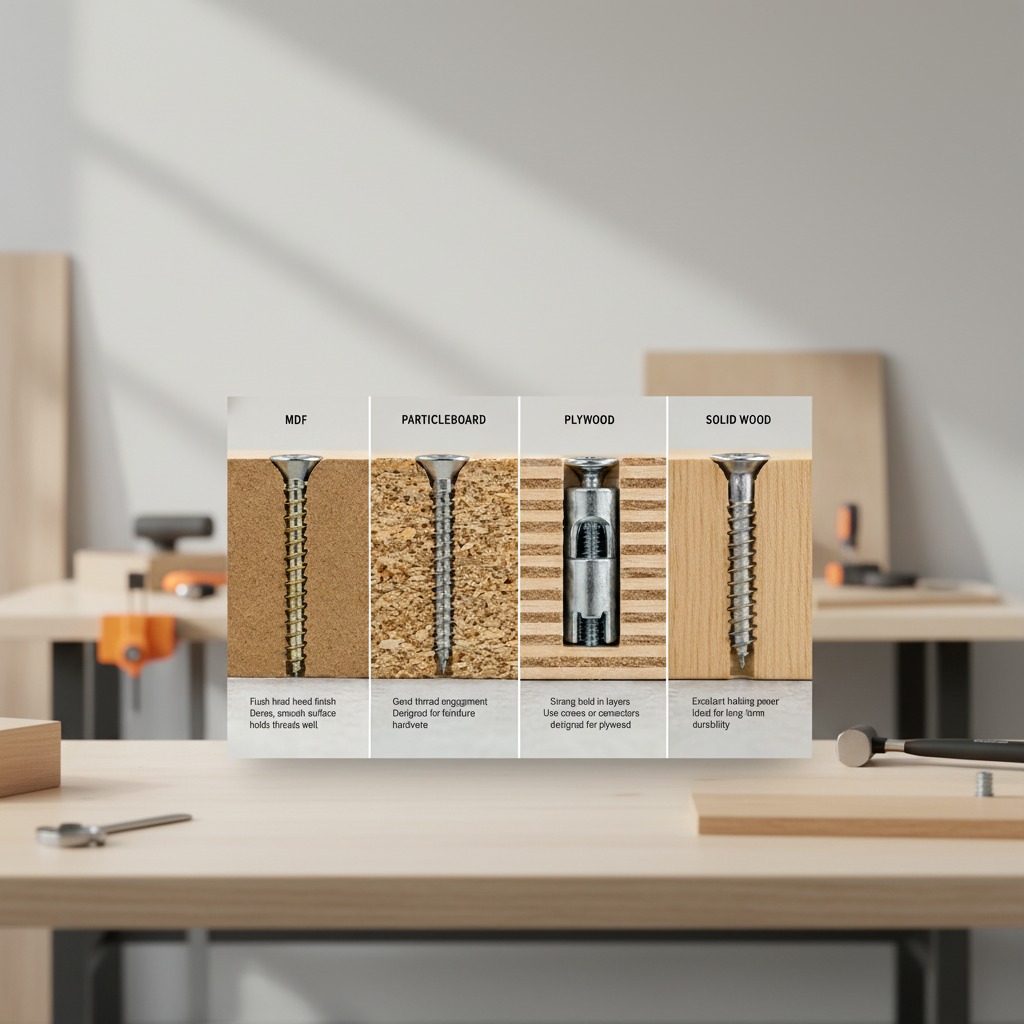
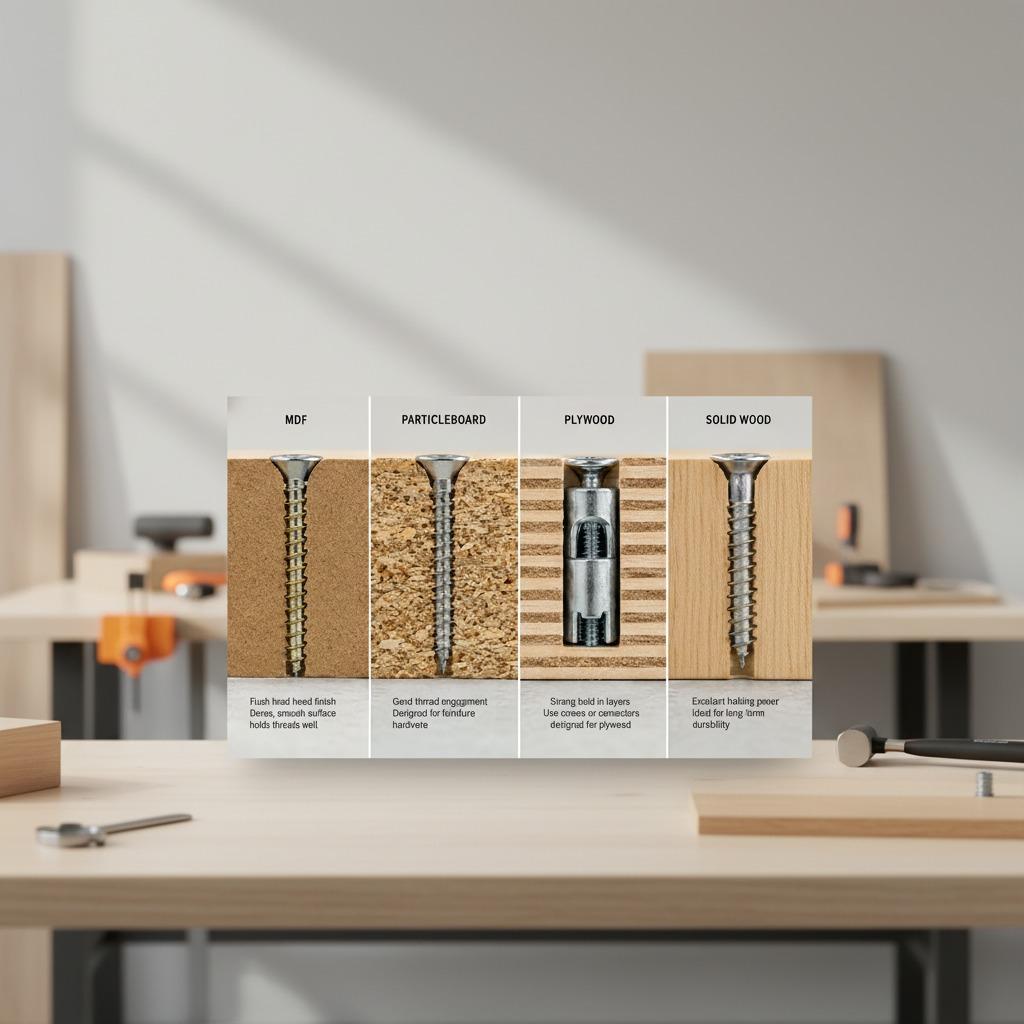
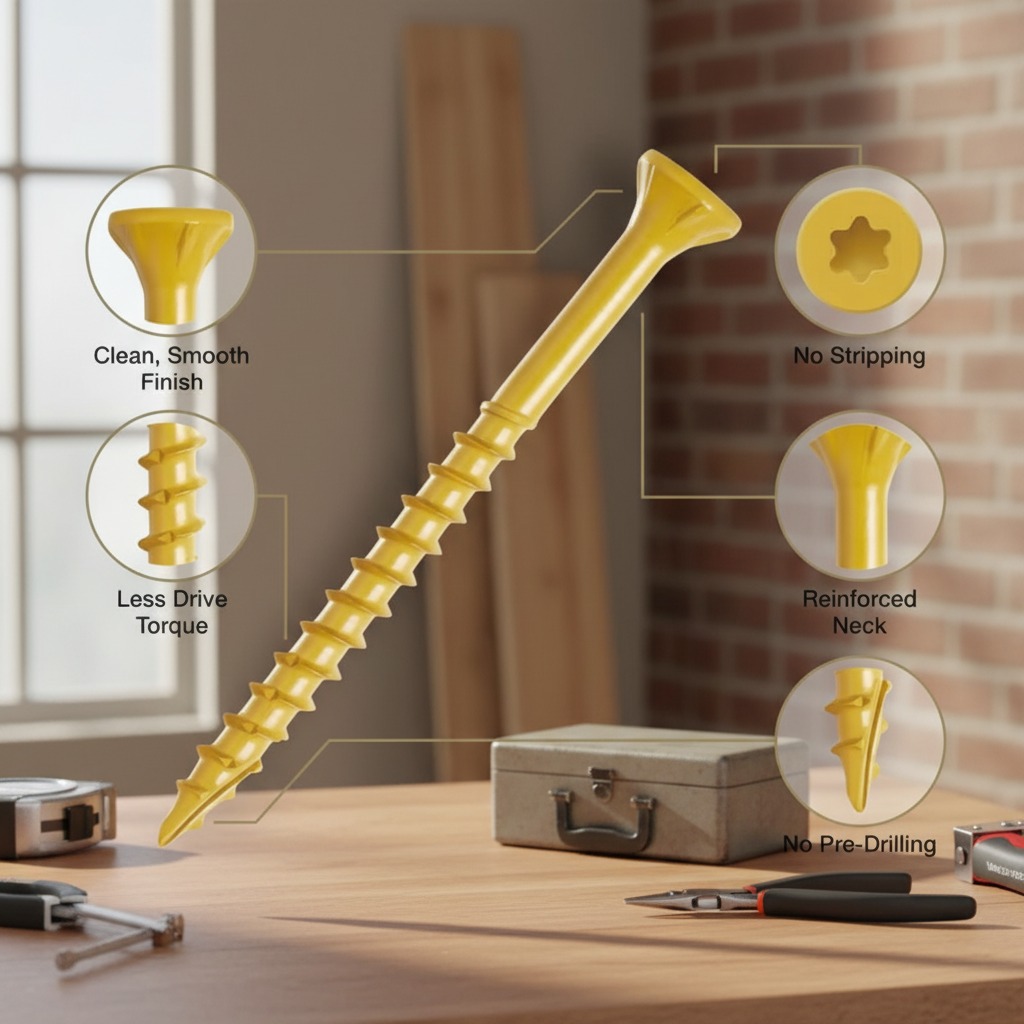
Wood screws need strong thread engagement and a shape that helps reduce splitting. In practice, the best screw for wood is often selected for thread profile, point design, and head style as much as length. Softwoods forgive more, hardwoods forgive less, and predrilling becomes less of a suggestion and more of a necessity when the material is dense or the edge distance is tight.
Best screw for metal
The best screw for metal depends on whether you are fastening into sheet metal, threaded holes, or a nut-and-bolt style assembly. For thin sheet, thread-forming or self-tapping designs are common. For machine assembly, controlled thread engagement and standard head geometry matter more than aggressive cutting action. If the assembly sees vibration, buyers should pay attention to locking strategy and coating compatibility rather than choosing only by nominal size.
Best screw for drywall
The best screw for drywall is usually defined by board thickness, framing material, and whether the job is interior finishing or general construction. Drywall screws are not chosen for brute strength alone; they are chosen to seat cleanly without tearing the paper face. That is a small detail until a ceiling line starts failing visually and the finishing crew has to come back.
Selection Criteria That Actually Matter
The first filter is substrate. Wood, sheet metal, engineered board, gypsum board, and plastics all behave differently under load. A second filter is load direction. A screw carrying clamp load in a static fixture is a different animal from one inside an assembly exposed to vibration, thermal cycling, or repeated service access.
Then comes geometry: length, diameter, head type, and drive recess. Cross-recess, hex, Torx, and other drive styles each have their place. For higher-volume assembly, drive choice can affect cycle time and bit wear, which sourcing teams sometimes learn the hard way only after production starts.
Material and finish matter too. Jiangmen Jinhe Hardware Co., Ltd. works with stainless steel, iron, and aluminum across machine screws, self-tapping screws, micro screws, and precision screws, with product lines aligned to GB, DIN, ANSI, BS, JIS, and ISO standards. That range is useful because standards give buyers a common language when the part must move between suppliers, regions, or product families.
Common Mistakes Buyers Still Make
One frequent mistake is treating all screws with the same nominal diameter as interchangeable. They are not. Thread design and head geometry can change the result dramatically. Another is overbuying one generic fastener for every assembly because it looks efficient on paper. It rarely is. Mixed hardware kits, whether in blister packaging or labeled pails, exist for a reason: service teams and assemblers often need more than one size in the same workflow.
A second mistake is ignoring packaging quality. Bulk fasteners may be perfectly made, but if they are poorly labeled or hard to identify in storage, the assembly team loses time and confidence. For wholesalers and cross-border e-commerce sellers, that is not a cosmetic issue; it affects returns and customer trust.
Practical Advice for Sourcing Teams
When you request quotations, ask for more than just size and quantity. Ask for the substrate, application, any standard reference, finish requirement, and whether the screw will be used in a kit or as a loose bulk item. If the fasteners are part of a retail or service pack, specify packaging format early. A clear blister pack, a printed bucket, or a bulk carton can change handling and fulfillment costs.
For industrial buyers, documentation and inspection are not optional extras. Jiangmen Jinhe Hardware notes strict inspection before delivery and support for technical requirements, which is the kind of supplier discipline that matters when a fastener is one small piece of a larger assembly risk.
FAQ
Can one screw work for wood and metal?
Sometimes, but usually with compromises. A screw that performs well in wood may not give the best result in metal, and vice versa.
Should I always choose stainless steel?
Not automatically. Stainless steel is useful in corrosive environments, but plating, cost, strength needs, and assembly behavior all need review.
Why do packaged fastener kits show multiple compartments?
Because mixed-size kits reduce sorting time and prevent the wrong part from being used in assembly or service work.
What to Do Next
If you are sourcing screws for a new project, start with the application, not the catalog. Define the material, the load, the drive method, and the packaging format, then compare suppliers on consistency, inspection discipline, and how clearly they can document the part. That approach is slower than buying by habit, but it is much cheaper than repairing a bad fastener choice after launch.
For teams balancing product performance with clean packaging and reliable supply, the best screw is the one that fits both the assembly and the way your operation actually works.