
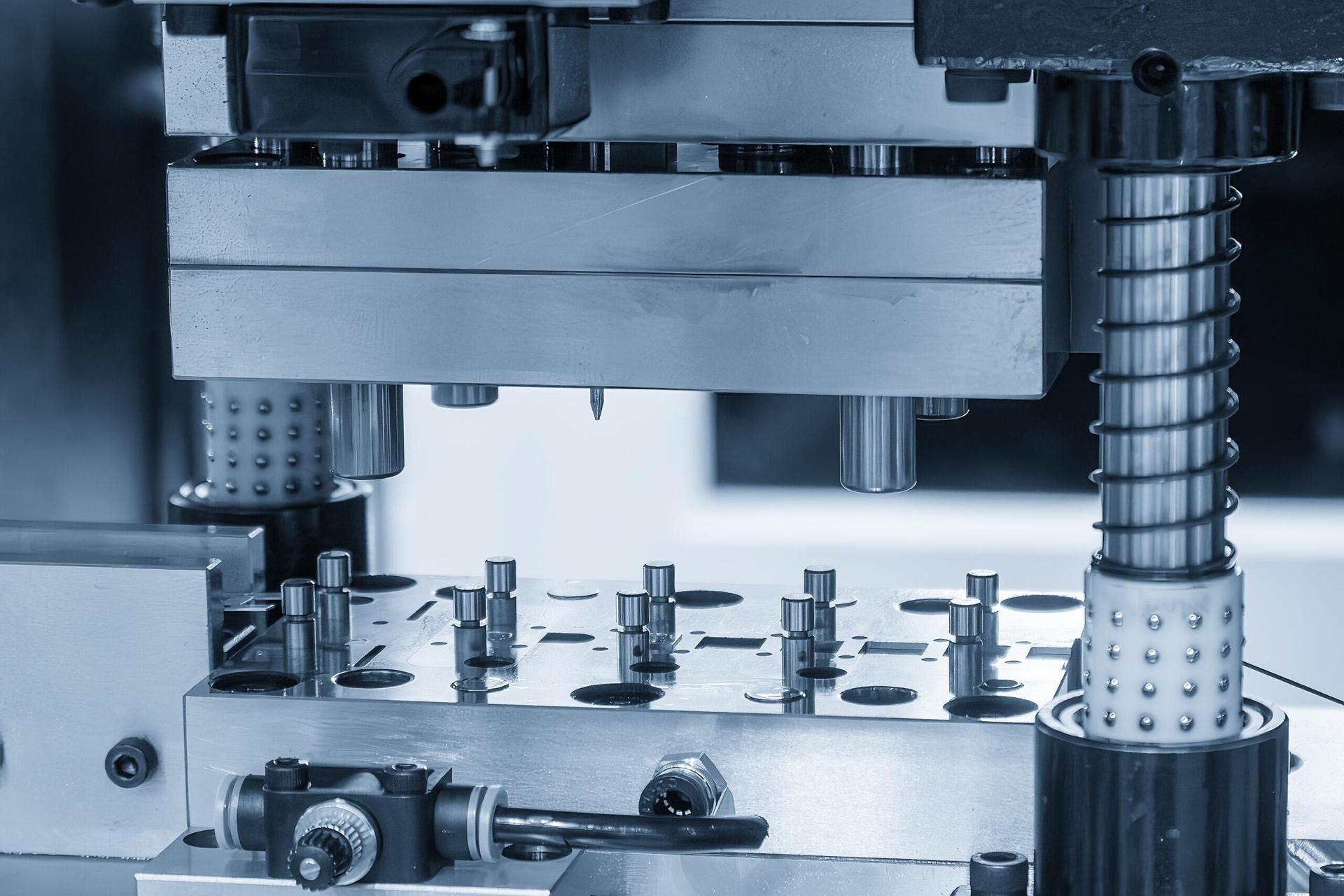
Dimensional Inconsistency and Production Delays Are Common in Stamping Hardware Supply
Stamping hardware components may appear simple, but in real production environments, small deviations quickly become expensive problems.
Buyers sourcing from a stamping hardware manufacturer often encounter issues such as:
- Hole position variation affecting assembly alignment
- Burrs increasing secondary processing time
- Material deformation under pressure
- Batch inconsistency disrupting OEM production schedules
In some cases, components technically pass inspection, yet still create assembly instability or fitting problems during actual use.
These challenges are rarely caused by a single defect. More often, they result from weak tooling control, unstable material processing, or insufficient quality coordination between production stages.
At JHFIX, we approach stamping hardware manufacturing as a precision system—where tooling, material behavior, tolerance management, and packaging all work together to improve long-term production stability.
Material Selection Directly Affects Stamping Performance
Stamping hardware must maintain both dimensional stability and mechanical strength during forming processes.
Different materials behave differently under pressure and repeated forming cycles.
| Material Type | Key Advantage | Formability Level | Typical Industrial Application |
|---|---|---|---|
| Carbon Steel | Cost efficiency | High | General hardware parts |
| Stainless Steel 304 | Corrosion resistance | Medium | Outdoor and humid environments |
| Stainless Steel 316 | Chemical resistance | Medium | Marine and industrial systems |
| Aluminum Alloy | Lightweight structure | High | Electronics and consumer products |
According to ASM International, material ductility and hardness directly influence stamping precision and long-term tooling wear.
A professional stamping hardware manufacturer evaluates material performance not only for strength, but also for forming stability and repeatability.
Why OEM Buyers Focus on Process Stability Instead of Unit Price
Many buyers initially compare stamping suppliers primarily by quotation.
Over time, the hidden costs become more visible:
- Increased assembly rework due to tolerance drift
- Secondary deburring adding labor cost
- Delays caused by inconsistent batches
- Mold wear affecting repeat production quality
This is why experienced OEM buyers increasingly prioritize process control and production stability.
At JHFIX, we focus on:
- Precision tooling management
- Stable material sourcing
- In-process dimensional inspection
- Controlled production repeatability
The objective is not simply to produce stamped parts—it is to maintain consistency across every production cycle.
Tooling Precision Determines Final Product Accuracy
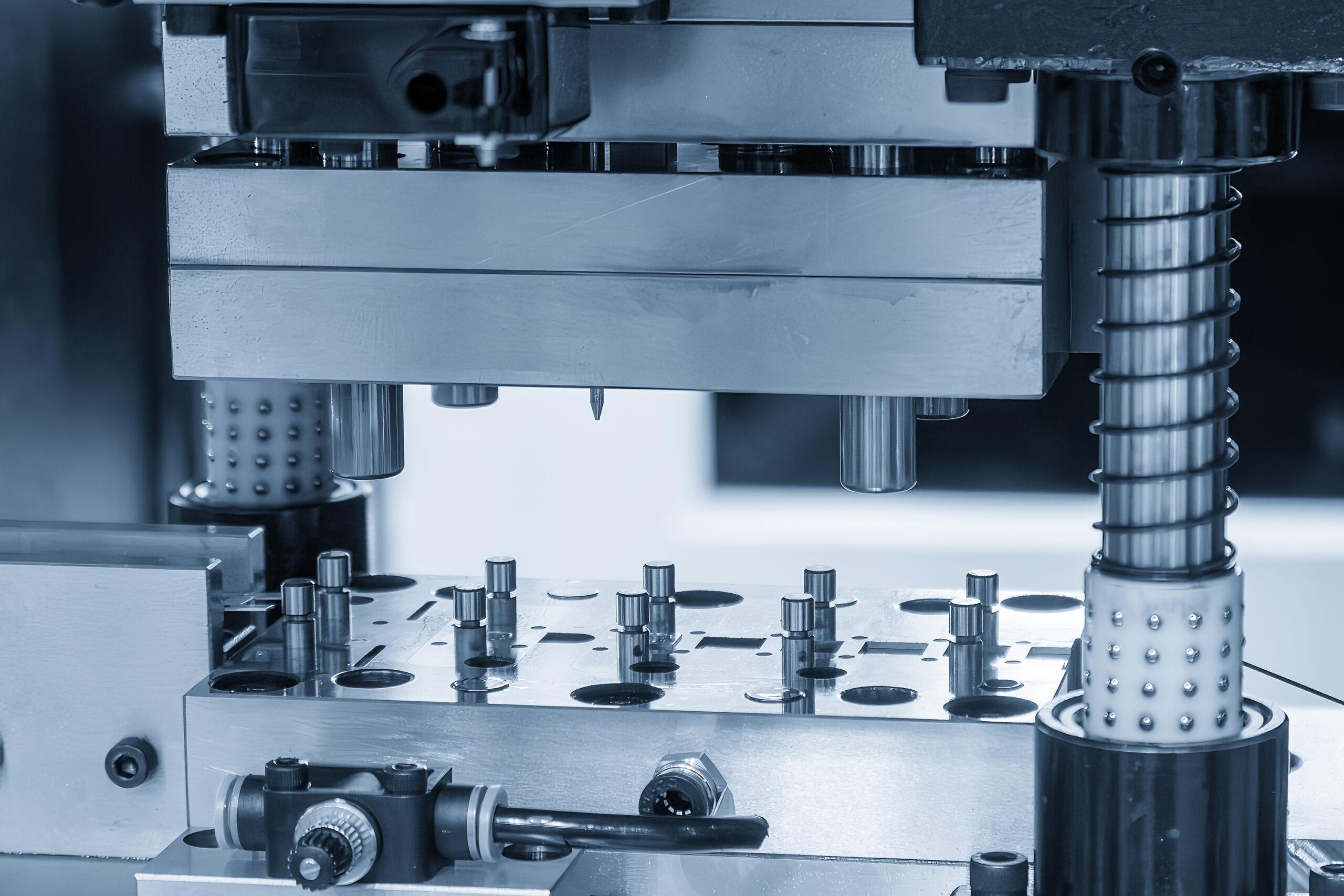
In stamping manufacturing, tooling quality defines product quality.
Even small variations in die alignment or wear condition can create:
- Burr formation
- Hole offset
- Edge cracking
- Dimensional instability
Tooling optimization includes:
- Precision die machining
- Regular wear monitoring
- Controlled press calibration
- Stable forming pressure management
Organizations like International Organization for Standardization emphasize that dimensional repeatability is essential in industrial manufacturing systems.
A reliable stamping hardware manufacturer ensures that tooling remains stable throughout high-volume production runs.
Surface Treatment and Secondary Processing
Stamping hardware components often require additional processing to improve performance and appearance.
Common treatments include:
- Zinc plating for corrosion resistance
- Powder coating for durability
- Deburring for assembly safety
- Anodizing for lightweight metal components
Poor secondary processing can reduce dimensional accuracy and affect final assembly quality.
At JHFIX, secondary processes are integrated into overall production planning to maintain consistency throughout the manufacturing cycle.
Packaging Systems Designed for Industrial Efficiency
Packaging is frequently underestimated in metal stamping supply.
However, poor packaging often causes:
- Surface scratches during transport
- Mixed component batches
- Increased sorting time during assembly
Optimized packaging systems significantly improve operational efficiency.
| Packaging Type | Protection Level | Production Efficiency Impact |
|---|---|---|
| Loose bulk packaging | Low | Frequent handling delays |
| Standard separated packaging | Medium | Moderate workflow improvement |
| OEM customized packaging | High | Stable assembly preparation |
Proper packaging helps preserve dimensional accuracy and surface quality during transportation and storage.
A Real Case: Solving Assembly Alignment Problems in OEM Production
An OEM customer manufacturing electrical equipment experienced recurring alignment issues with stamped brackets.
The problems included:
- Hole position variation
- Increased assembly adjustment time
- Higher rejection rates during inspection
After analysis, the main causes were tooling wear and inconsistent forming pressure.
We implemented:
- Precision die recalibration
- Improved in-process dimensional inspection
- Controlled production pressure monitoring
The results:
- Hole position consistency improved significantly
- Assembly preparation time decreased
- Product rejection rates dropped noticeably
The improvement came from stabilizing the manufacturing process—not redesigning the product itself.
Where Stamping Hardware Solutions Create the Most Value
Precision stamping solutions are especially important in:
- Electrical equipment manufacturing
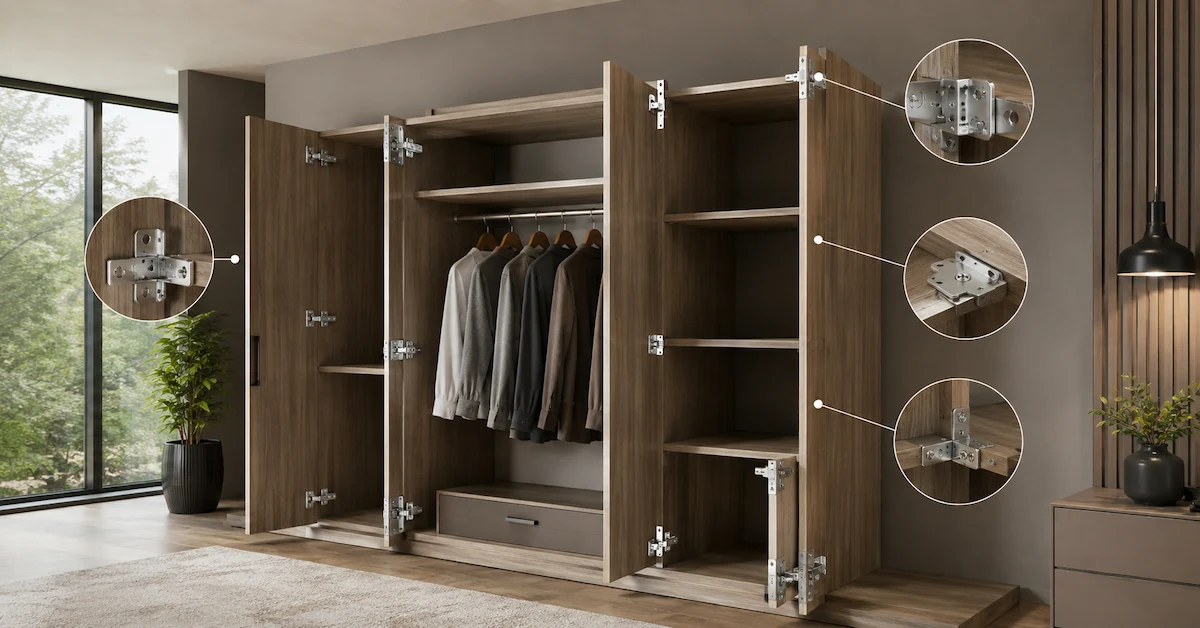
- Furniture hardware systems
- Automotive brackets and components
- Industrial machinery assembly
In these applications, dimensional consistency directly affects production efficiency and product reliability.
Frequently Asked Questions
Q1: What is the most common issue in stamping hardware production?
Dimensional inconsistency caused by tooling wear or unstable forming processes.
Q2: How can OEM buyers improve stamping quality stability?
By working with manufacturers who control tooling, inspection, and process repeatability.
Q3: Does customized packaging matter for stamped parts?
Yes. Proper packaging prevents scratches, mixing, and assembly delays.
Reliable Stamping Hardware Supply Requires Process-Level Control
Stamping hardware manufacturing is not simply about forming metal—it is about maintaining precision and consistency across large production volumes.
At JHFIX, we focus on delivering stamping hardware solutions that support stable OEM production through tooling control, process optimization, and integrated quality management.
To explore our industrial hardware manufacturing capabilities, visit:
https://www.jhfix.com/
If you are looking for a more reliable stamping hardware manufacturer for OEM or industrial projects, contact our team here:
https://www.jhfix.com/contact-us