
Understanding the Role of Screws in Modern Manufacturing
In the world of industrial production, a screw is a fundamental component that secures materials and enables the assembly of complex structures. At Meijara Textile Co., Ltd, we recognize the importance of precision engineering, including the use of high-quality screws in our production processes. Our company, based in Guangzhou, China, specializes in lace and embroidered fabrics, but our commitment to excellence extends to every detail, from design to final assembly. A screw might seem simple, yet it plays a critical role in ensuring the durability and functionality of machinery that produces our innovative textiles. As we delve into the mechanics and applications of screws, it's clear why they are indispensable in sectors like textiles, where reliability is paramount.
The Mechanics and Types of Screws
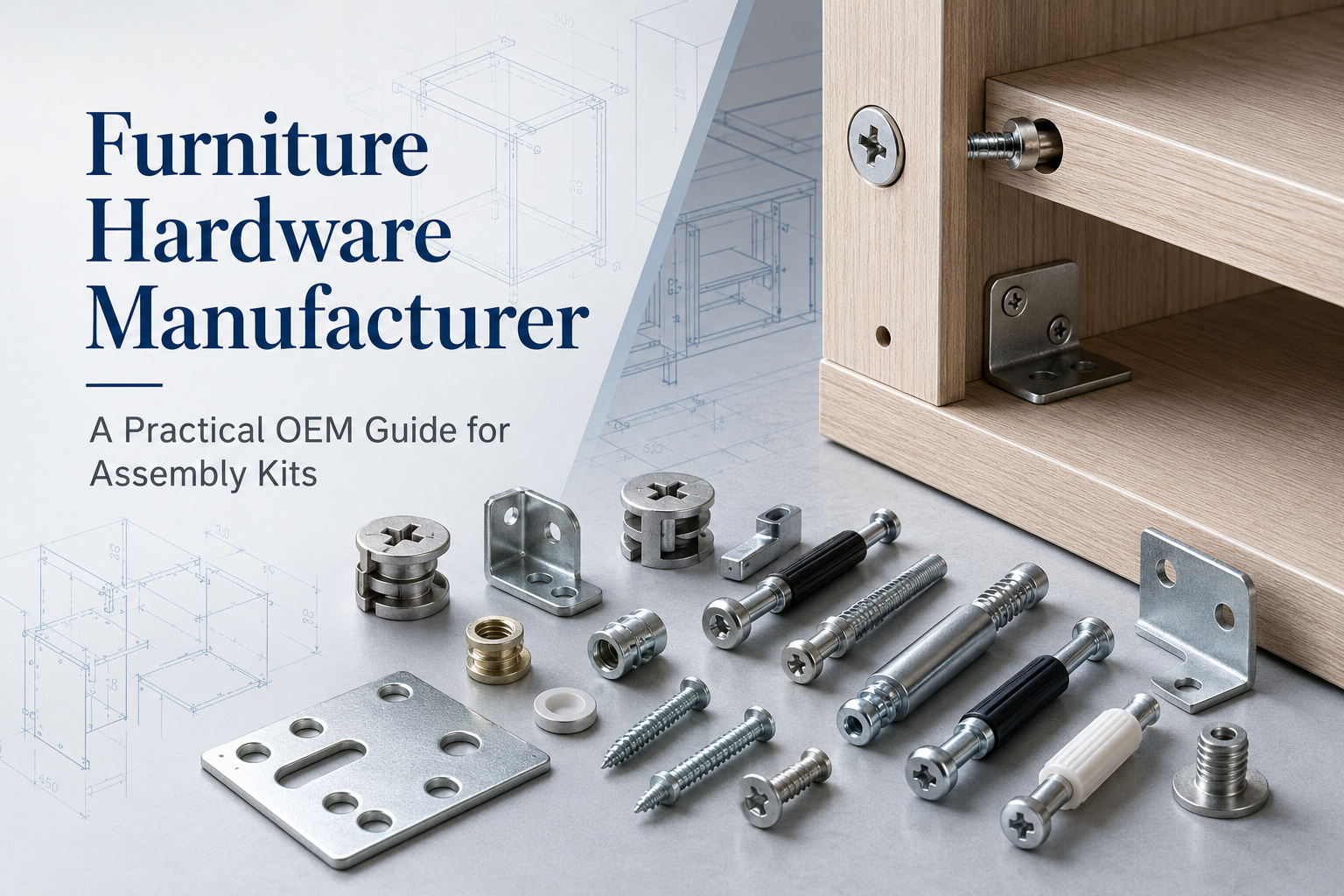
A screw operates on the principle of converting rotational force into linear motion, making it an efficient fastening device. There are various types of screws, including machine screws, wood screws, and self-tapping screws, each designed for specific applications. In our R&D department at Meijara Textile Co., Ltd, we invest heavily in exploring materials and processes that mirror the precision of a well-engineered screw. For instance, our advanced equipment relies on robust screws to maintain alignment during the intricate embroidery processes. Statistics from the manufacturing industry show that using the right screw can reduce assembly time by up to 30%, enhancing overall productivity. Our professional design team, staying abreast of fashion trends, ensures that our production lines, secured by reliable screws, deliver customized lace solutions that meet global client needs. This focus on quality control, much like selecting the perfect screw, guarantees consistent output and timely delivery.
Applications of Screws in Textile Production
In textile manufacturing, screws are vital for assembling sewing machines, looms, and automated embroidery systems. At Meijara, our standardized production bases utilize corrosion-resistant screws to withstand the humid environments common in fabric processing. Insights from industry reports indicate that faulty screws can lead to equipment downtime, costing manufacturers millions annually. By prioritizing high-grade screws, we minimize such risks and focus on innovation, such as developing new embroidered patterns that elevate our partners' market competitiveness. Our rigorous quality control processes ensure that every screw in our machinery contributes to the seamless integration of design and production. Clients worldwide benefit from this approach, as it translates to superior lace and fabric products that stand the test of time.
Innovative Uses and Future Trends for Screws
Looking ahead, the evolution of screws incorporates smart materials and nanotechnology, promising even greater efficiency. For a company like Meijara Textile Co., Ltd, which excels in R&D, these advancements align with our goal of exploring new materials for sustainable textiles. A screw, in its advanced forms, could integrate sensors for real-time monitoring in production lines, reducing maintenance needs. Data from engineering studies highlights that eco-friendly screws made from recycled metals can lower the carbon footprint of manufacturing by 15%. We at Meijara are committed to such forward-thinking practices, combining our strengths in design, research, and production to foster mutual success with our partners. Whether securing a simple frame or a high-tech machine, the screw remains a cornerstone of industrial progress.
Why Choose Meijara for Your Textile Needs
As we reflect on the ubiquitous screw, it's worth noting how Meijara Textile Co., Ltd integrates such essentials into our operations to deliver exceptional value. Our address at Room 1311, Building C, Pearl River International Textile City, 82 Diejing Road, Haizhu District, Guangzhou, China 510250, serves as the hub for our global outreach. Contact us via phone at +86 18675862599, WhatsApp at +8618675862599, or email at rachel@meijara.com to discuss customized solutions. By focusing on customer needs and leveraging precise engineering—like the reliable screw—we enhance your competitiveness in the fashion market. Our journey in textiles underscores the blend of tradition and innovation, ensuring every product we create is as secure and dependable as the fasteners that build our world.