
Why the decision to buy screws from China is getting more scrutiny
The phrase buy screws from China used to mean one thing to many purchasing teams: low unit cost. That is no longer the whole story. In 2026, buyers are looking at supply risk, drawing compliance, mixed-material assemblies, and the quiet cost of bad fasteners that slip through inspection. A screw that is a fraction cheaper can become expensive fast if it strips a cabinet panel, fails a device housing, or creates rework on a production line.
That is why sourcing screws from China now sits in the same conversation as quality control, logistics, and supplier communication. For engineers and sourcing managers, the real decision is not whether China can make screws. It is how to separate a capable China screw supplier from one that only looks competitive on a quotation.
What a serious screw supplier should be able to show you
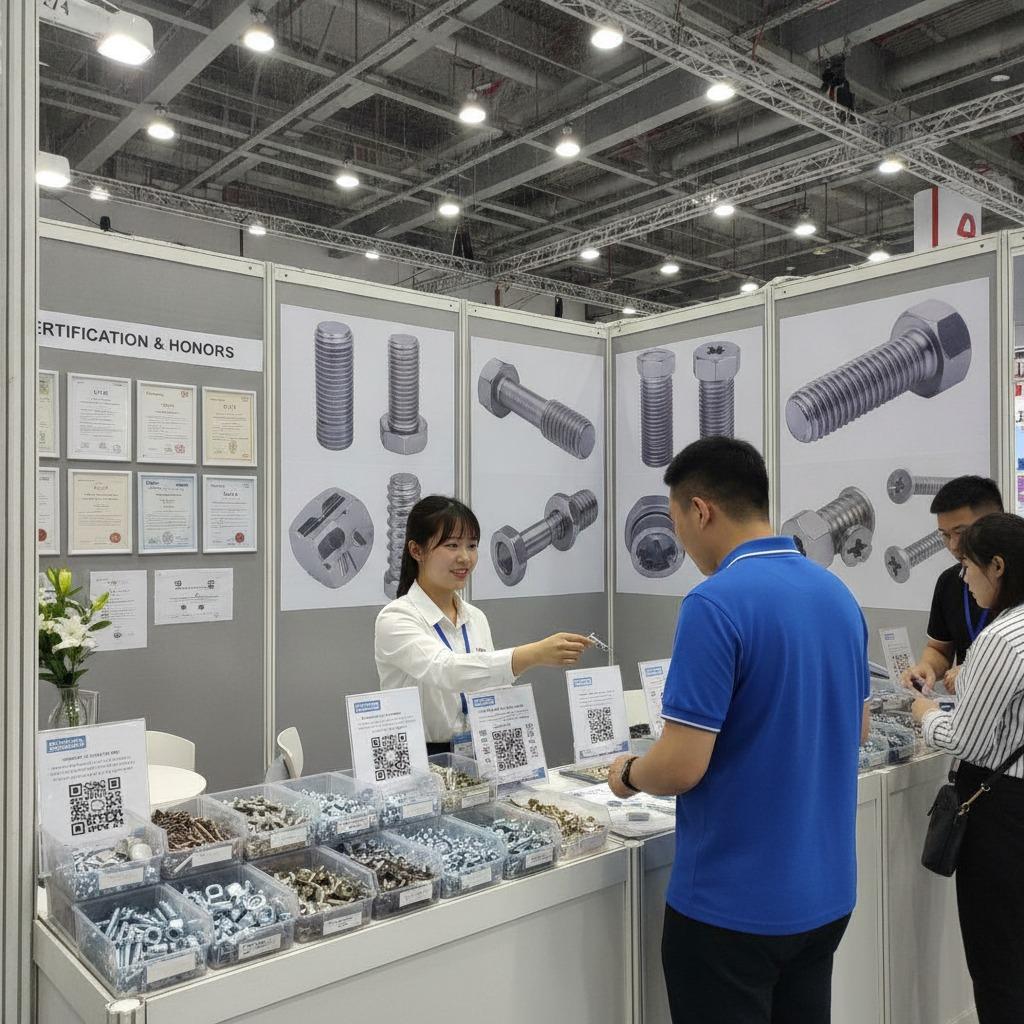
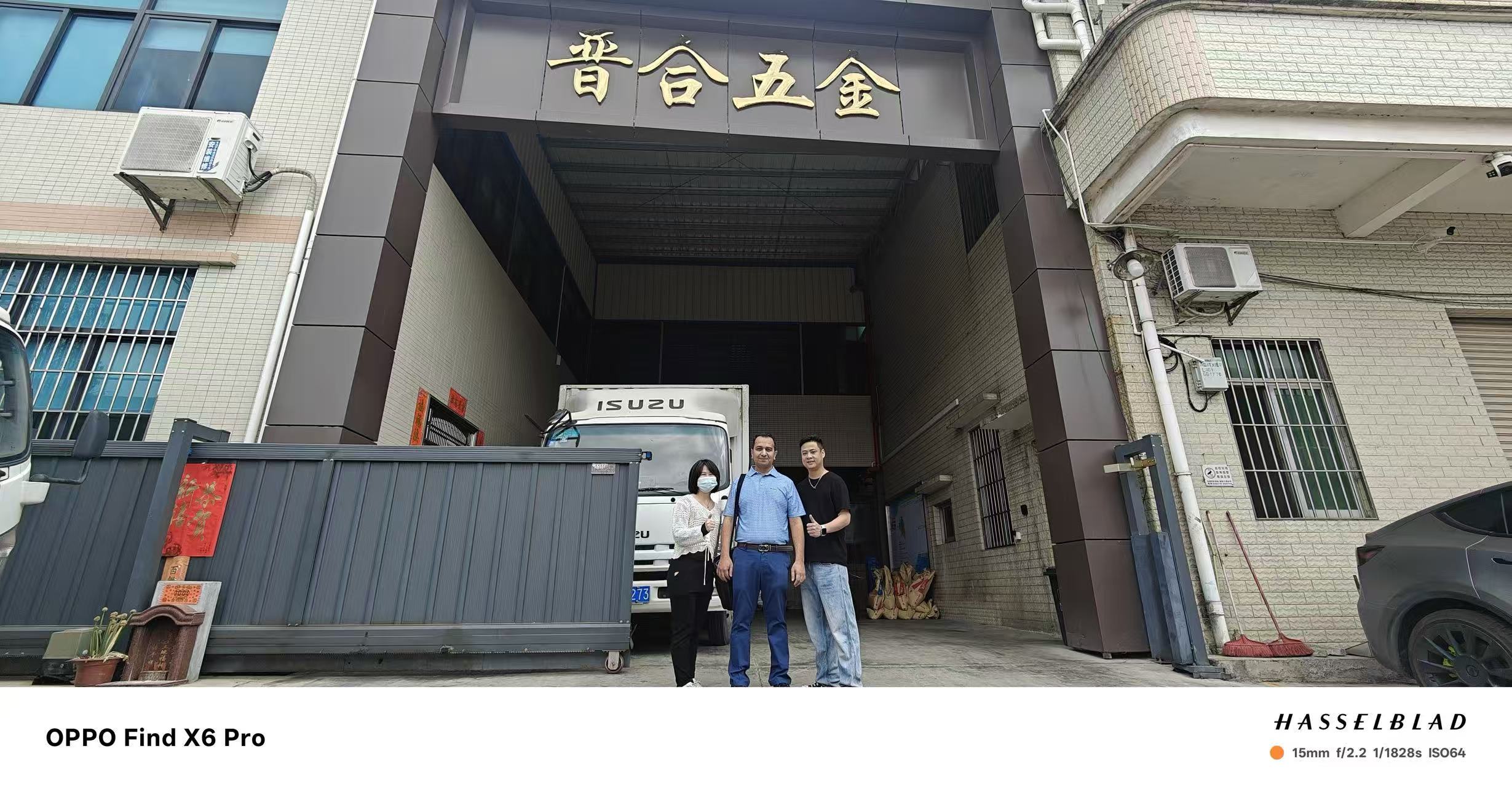
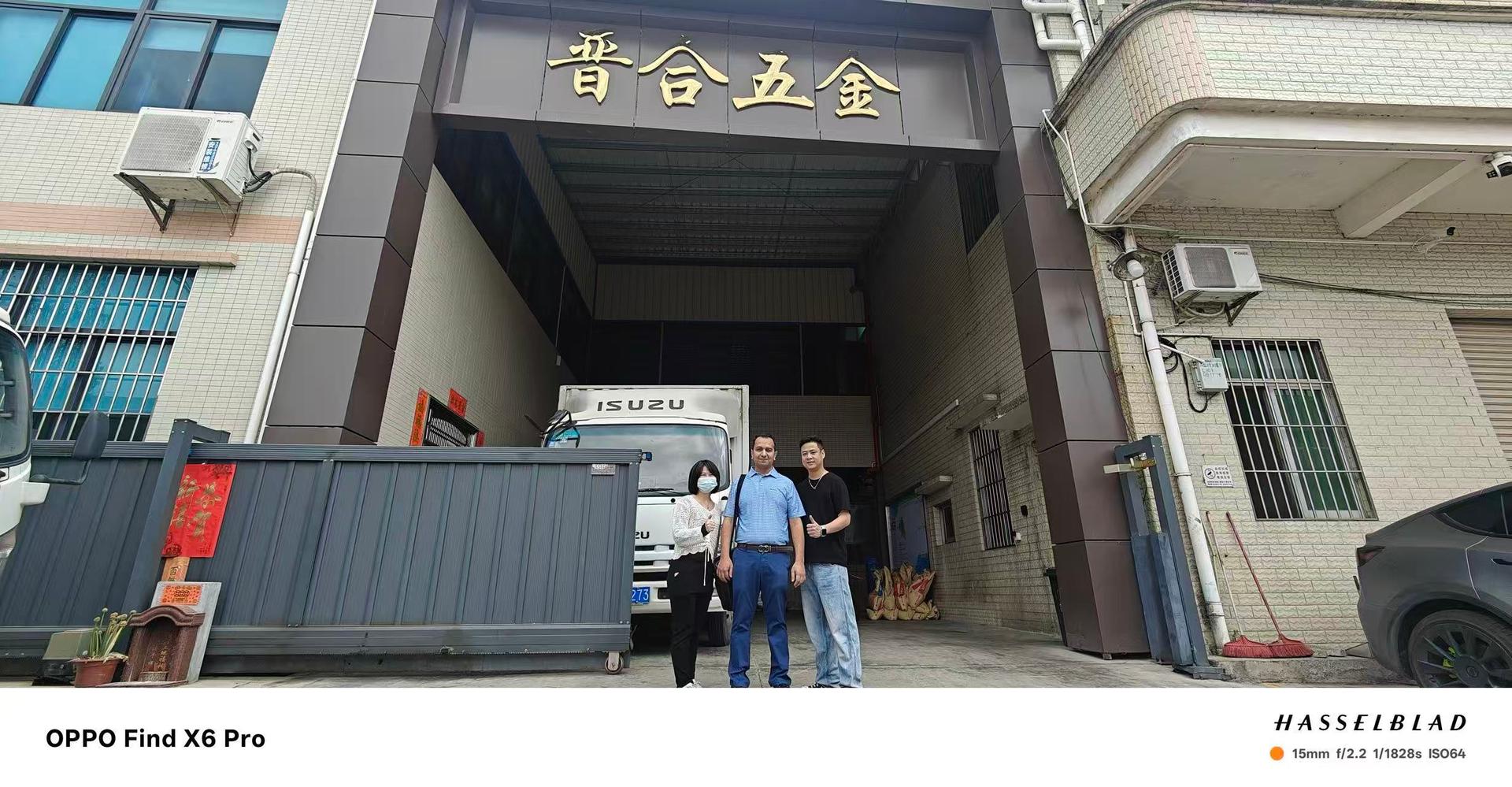
A credible screw manufacturer in China should be able to speak clearly about material options, dimensions, thread standards, finish choices, inspection steps, and the industries they already serve. Jiangmen Jinhe Hardware Co., Ltd., for example, says it produces machine screws, self-tapping screws, micro screws, and precision screws in stainless steel, iron, and aluminum, with production aligned to GB, DIN, ANSI, BS, JIS, and ISO standards. That mix matters because buyers rarely need just “a screw”; they need a fastener that matches a drawing, a substrate, and a production environment.
Their company profile also points to use in electronics, medical devices, automation, furniture, building materials, and cross-border e-commerce. That is a useful clue for procurement teams. Fasteners sold into those sectors usually need repeatability, paperwork, and practical packaging discipline. No one wants mixed lots, vague labeling, or a box of similar-looking screws that only reveal the wrong head style after line-side opening.
Quick comparison: what buyers usually care about
For electronics and precision assemblies
Micro screws and precision screws need stable dimensions, clean threads, and careful packaging. Small parts are unforgiving. One damaged thread or burr can stop a line or crack a plastic boss.
For furniture and cabinet production
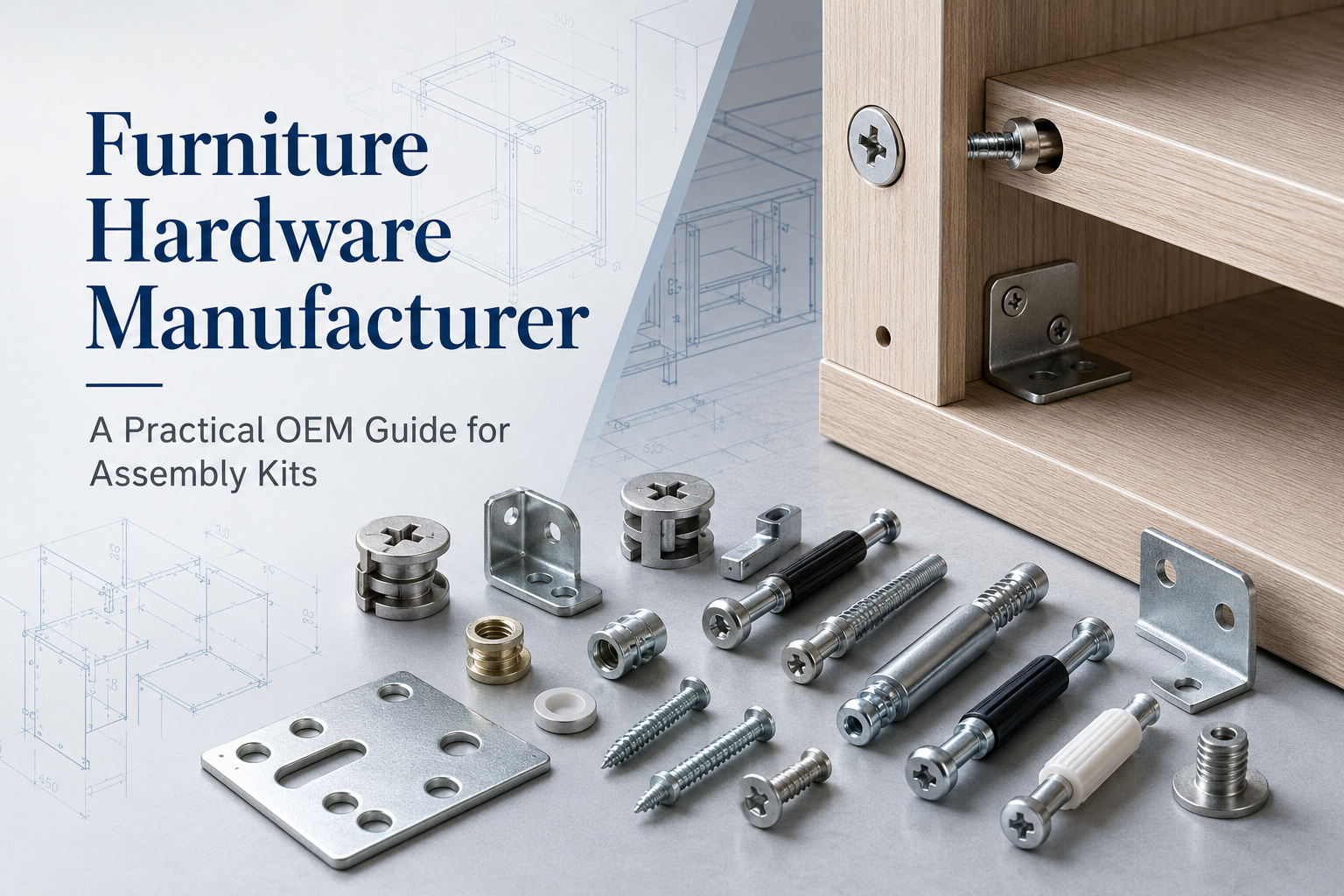
Furniture buyers often care less about exotic metallurgy and more about consistent fit, concealed appearance, and batch-to-batch repeatability. This is where a supplier with standard parts and non-standard customization can be useful, especially for knock-down furniture and OEM kits.
For industrial and building applications
Here, material choice and corrosion resistance become more visible. Buyers need to know whether they are specifying stainless steel, plated iron, or another option, and whether the finish suits indoor, semi-exposed, or harsh environments.
How to separate marketing claims from manufacturing reality
When buying screws from China, request information that can be checked, not just promised. A practical supplier should be able to explain what they inspect before shipment and what documents accompany the goods. Jiangmen Jinhe says products undergo strict inspection before delivery and are supplied with necessary documentation. That is the sort of sentence buyers like, but the follow-up question matters more: what was inspected, how was it sampled, and what was recorded?
A cautious buyer should also ask about communication speed. Jinhe claims a 30 to 60 minute response time for issues and a solution within 2 hours. Those are service claims, not a substitute for quality, but they do matter when a shipment is held up by a labeling issue or a drawing clarification.
Common mistakes when sourcing screws from China
The first mistake is ordering by appearance alone. A pan head, flat head, or machine screw may look similar in a photo, yet the thread form or drive geometry can make it unusable.
The second is skipping compatibility questions. This is especially common in furniture and cabinet hardware, where screws, inserts, brackets, and connectors need to work as a system. A supplier may be strong in one fastener family and weak in the assembly kit logic around it.
The third mistake is assuming all standards are interchangeable. They are not. GB, DIN, ANSI, BS, JIS, and ISO references can overlap in some cases, but buyers should still confirm the exact specification on the drawing or purchase order.
Practical buyer advice before you issue a PO
Ask for part drawings, material declaration, finish description, and packaging details. If the project is recurring, request that the supplier identify the stable parameters they can hold from lot to lot. For custom work, confirm what can be changed without restarting the approval process. That saves time later, especially in furniture, electronics, and light industrial assembly.
Also, do not overlook logistics. Jinhe notes international freight forwarding, domestic logistics, warehousing, and supply chain services. For overseas buyers, that can reduce friction, but it still pays to confirm Incoterms, carton labeling, and document expectations early. Freight problems often start as paperwork problems.
When a China screw supplier is the right fit
If your project needs standard screws, mixed screw families, or a custom fastening solution backed by a factory that can handle export paperwork, China is still a strong sourcing base. If your need is highly specialized, the vetting has to be tighter, not looser. The supplier should answer engineering questions without confusion and should not dodge basic details.
For teams evaluating a short list, the best next step is usually simple: compare one sample set, one drawing review, and one documentation package before committing to volume. That tells you more than a polished catalog ever will.
FAQ
Is it still worthwhile to buy screws from China?
Yes, provided the supplier can meet your technical and documentation needs, not just your target price.
What industries buy from Jiangmen Jinhe Hardware Co., Ltd.?
According to the company information, its customers include electronics, medical devices, automation, furniture, building materials, home appliances, and hardware wholesalers.
What should I ask first?
Start with material, standard, finish, inspection method, packaging, and whether the part is standard or custom.
If you are narrowing suppliers now, make the first filter technical, not commercial. That is usually where the real savings begin.