
Why buyers still buy screws from China, even when supply chains are under a microscope
When procurement teams buy screws from China, they are usually not chasing the lowest headline price alone. They are trying to solve a quieter problem: how to secure consistent fastener supply for products that cannot afford assembly delays, rework, or a mismatch between drawing and delivered part. That has become more visible in the last year as buyers watch freight swings, factory concentration, and the growing push for traceability in industrial sourcing.
For engineers and sourcing managers, the decision is less about geography than about whether a China screw supplier can deliver the right material, finish, and documentation without turning every purchase order into a project. In fasteners, small mistakes cascade fast. A slightly off thread, the wrong plating, or inconsistent head geometry can slow down furniture assembly lines, appliance builds, or cabinet production before anyone notices the root cause.
What the market is really asking for
The modern buyer is not only comparing unit cost. They are comparing stability, repeatability, and the supplier’s ability to support ongoing production. A screw manufacturer in China may be attractive because the country has a deep fastener ecosystem: raw materials, stamping, turning, thread forming, plating, packaging, and export logistics are often available in one region. That concentration can shorten the sourcing loop if the supplier is well organized.
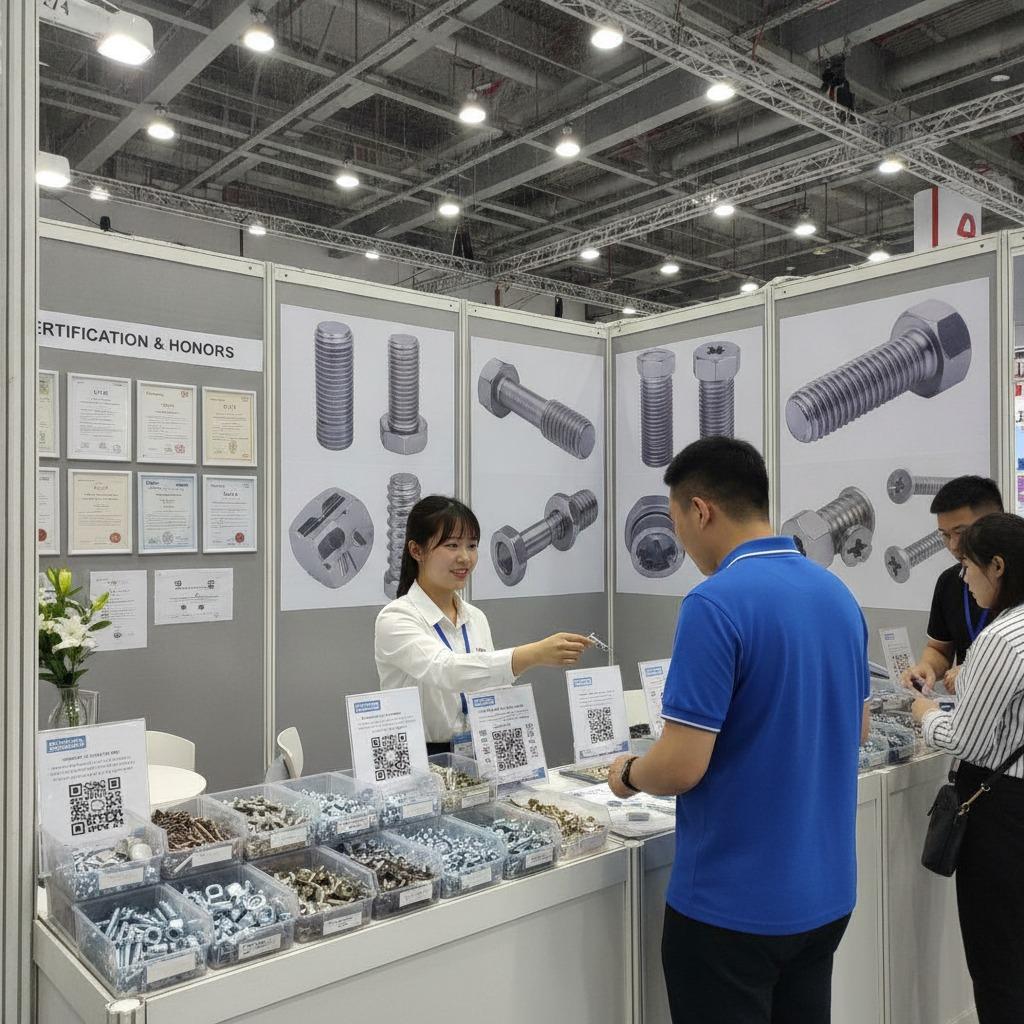
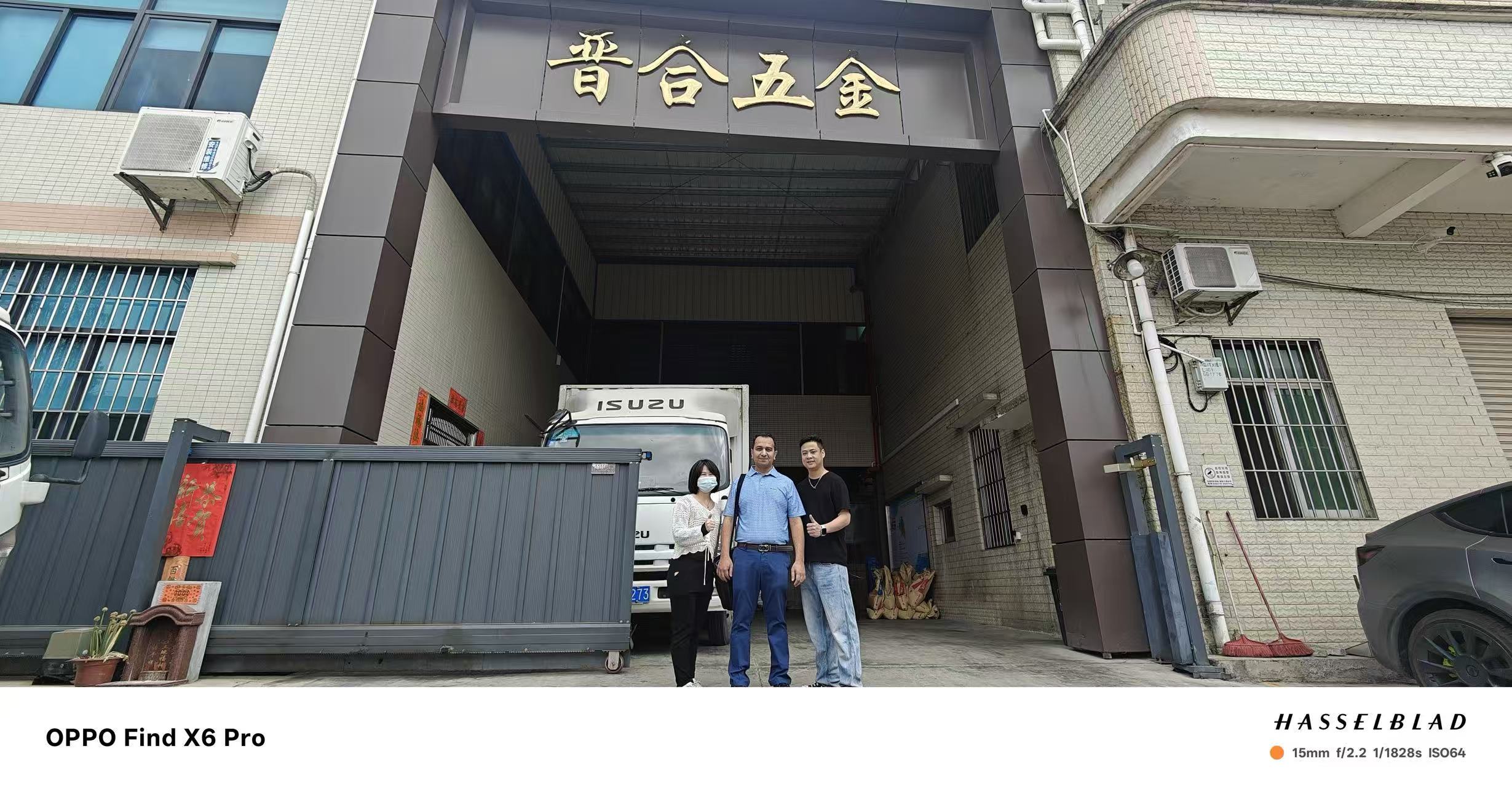
Jiangmen Jinhe Hardware Co., Ltd., founded in 2016 in Jiangmen City, Guangdong Province, is positioned in that kind of manufacturing environment. The company says it produces machine screws, self-tapping screws, micro screws, and precision screws in stainless steel, iron, and aluminum, and works to GB, DIN, ANSI, BS, JIS, and ISO standards. It also serves electronics, medical devices, automation, home appliance, furniture, building materials, and related buyers, which tells you something practical: the company is not just selling a generic box of metal parts.
Quick buyer takeaway: what matters before you place the order
If you are sourcing screws from China for production use, the first decision is not vendor selection, it is specification control. Confirm the basic geometry, the drive type, thread standard, head style, length, surface finish, and the base material family. Even a fairly ordinary screw can be wrong in subtle ways. A buyer who has lived through assembly-line stoppages usually learns to ask for samples early and written confirmation before mass production.
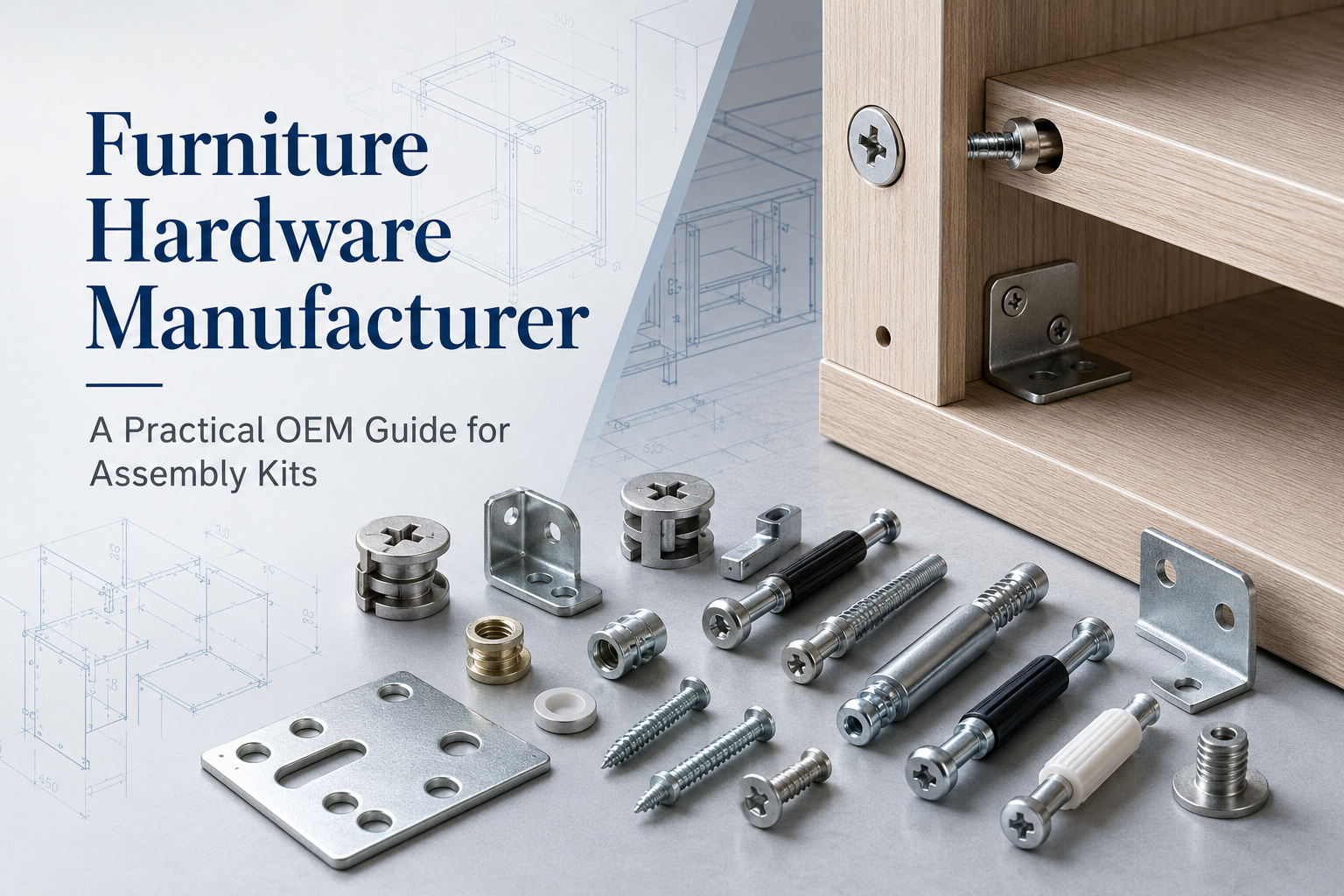
That caution applies even more when the end product is furniture hardware. The image data supplied with this brief shows a furniture assembly hardware kit with brackets, threaded inserts, connector bodies, dowel-like elements, machine screws, wood screws, and plastic spacers. Those parts are designed for cabinet assembly, shelving, and knock-down furniture builds, where the right fastener has to fit engineered wood cleanly and hold up through repeated assembly.
How sourcing decisions usually break down
1. Standard fasteners versus custom parts
Standard machine screws and self-tapping screws are typically easier to source because the geometry is familiar and the tolerance expectations are well understood. Custom or semi-custom fasteners, by contrast, demand better communication. Drawings, samples, and a clear agreement on inspection points matter more than a polished sales pitch.
2. Finish and corrosion expectations
Zinc-plated, brushed, or other protective finishes may look similar in a catalog, but they do not behave the same in service. Buyers should ask how the part will be used, whether it will sit inside a dry enclosure or face repeated handling, and whether the finish affects torque or appearance. It sounds obvious, but fastener buyers still get caught by this more often than they admit.
3. Packaging and part control
For OEM furniture connectors and mixed kits, packaging is not a side issue. Mixed hardware sets need clear part separation, labeling, and count control. A good supplier should be able to package small precision hardware in a way that reduces picking errors on the customer’s line.
Common mistakes when sourcing fasteners internationally
The biggest mistake is treating all screws as interchangeable. They are not. Another common error is approving a sample that was manually selected, then assuming production output will match it automatically. That is where factory process control matters more than email promises.
It is also risky to overlook the documents. Jiangmen Jinhe says it provides necessary documentation and inspection before delivery, which is the kind of operational detail buyers should care about. If a supplier cannot explain what gets checked, when it gets checked, and how nonconforming parts are handled, the purchase may be cheaper but the program will not be.
What a practical sourcing team should ask a China screw supplier
Ask what materials are available for your application, which standards the factory follows, whether non-standard customization is possible, and how inspection records are handled. If the product will be used in furniture, electronics, or light industrial assemblies, ask for compatibility guidance as well. If the supplier also handles logistics and warehousing, that can simplify replenishment, especially for recurring OEM orders.
Jiangmen Jinhe’s company profile suggests it offers foreign trade services, import and export qualifications, and supply chain support including freight forwarding, domestic logistics, and warehousing. For buyers, that matters because the real cost of fasteners is not only the piece price; it is the cost of getting the right pieces to the line on time.
Why this is still a live news topic for buyers
Fastener sourcing has become a more visible strategic issue because manufacturers are under pressure to reduce lead-time risk without bloating inventory. That is why the phrase buy screws from China keeps showing up in sourcing discussions: not as a slogan, but as a shorthand for balancing scale, customization, and supply continuity.
For teams evaluating a China screw supplier or comparing multiple vendors, the right next step is to build a short technical checklist, request samples against real drawings, and confirm how the supplier handles inspection and packing. If you are sourcing screws from China for an active production line, that is the part that protects you from paying twice.
Need a starting point?
If your project involves machine screws, self-tapping screws, micro screws, precision screws, or related furniture and OEM hardware, begin with the specification sheet and ask the supplier to match it part by part. For recurring industrial programs, a direct conversation with the factory is usually worth more than a long catalog.
Jiangmen Jinhe Hardware Co., Ltd. lists direct contact through Tel/WeChat at +86 13729150102, WhatsApp at +8613322893939, and email at sharon@hkhomeideas.com.