
 Cabinet Connect Bolt Nuts: How to Choose Nylon Nuts, Plastic Cap Nuts, and Carbon Steel Fastening Parts
Cabinet hardware is full of small parts that most people do not notice until something goes wrong.
A panel does not pull tight.
A connector feels loose.
A cap does not sit cleanly.
A glass support fitting feels uncertain.
A small nut is missing from the hardware bag.
Then the whole cabinet feels poorly designed.
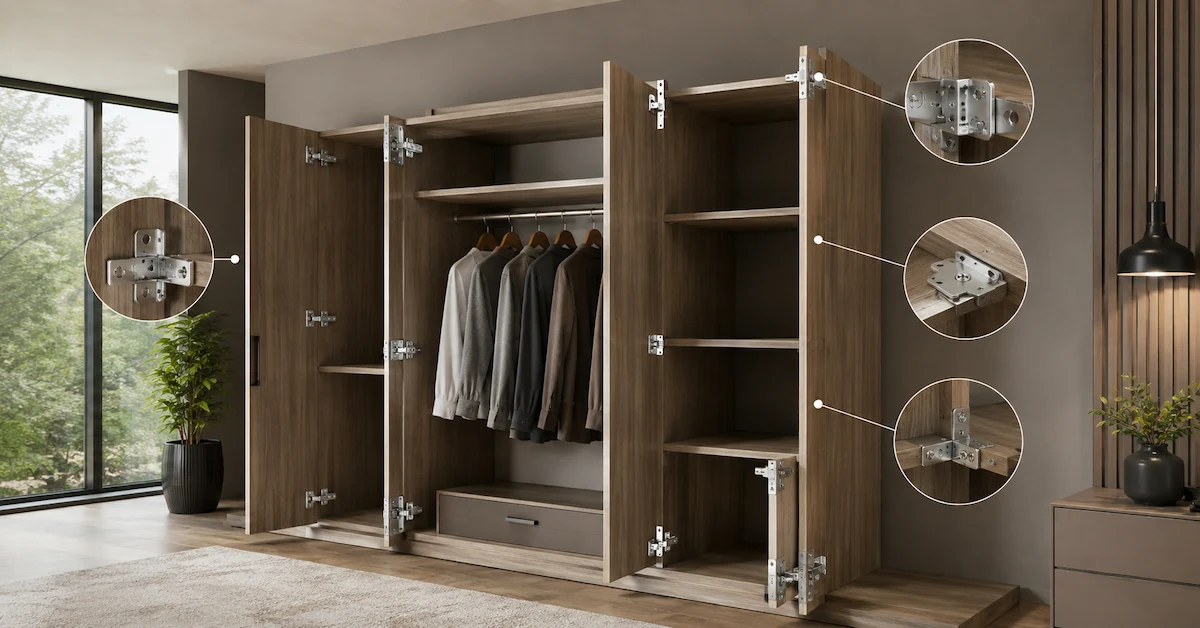
That is why cabinet connect bolt nuts deserve more attention than they usually receive. They are not glamorous parts, but they help determine whether a cabinet connector system assembles cleanly and stays reliable in use.
For consumers, repair buyers, furniture brands, cabinet factories, and OEM hardware kit suppliers, the selection should start with fit and function, not price alone.
The JHFix product page identifies this item as Hot Sale Jinhe Brand Insert M3 Nylon Screw Nut Plastic Cap Nut Class 4.8/6.8 for Cabinet Connect Bolt Supporting Wooden/Glass. The page specification table lists product name Nylon Nut, brand Jinhe, packing Carton, suitable for Cabinet, specification M6, material Carbon steel, plating Zinc, Nickel, Natural (Custom), head style Pan or Round, application Connection, Fastening, and origin Guangdong, China.
Product data summary
| Item | Product Information |
|---|---|
| Product Name | Nylon Nut |
| Brand | Jinhe |
| Suitable For | Cabinet |
| Specification | M6 |
| Material | Carbon Steel |
| Plating | Zinc, Nickel, Natural (Custom) |
| Head Style | Pan or Round |
| Application | Connection, Fastening |
| Packing | Carton |
| Packaging Sections | Customizable packaging, carton packaging, plastic box packaging |
| Place of Origin | Guangdong, China |
| Product Title Direction | Insert M3 nylon screw nut / plastic cap nut / cabinet connect bolt / wooden-glass support |
The first buying note is obvious: the product title includes M3, while the specification table lists M6.
That should be confirmed before any order.
For cabinet connector hardware, a size mismatch is not a small issue. It can make the fastener unusable.
Where cabinet connect bolt nuts are used
Cabinet connect bolt nuts may be used in:
- kitchen cabinets
- wardrobes
- cupboards
- bathroom cabinets
- display cabinets
- wooden panel connectors
- glass support fittings
- shelf support assemblies
- flat-pack furniture kits
- repair packs
- OEM furniture hardware bags
The page specifically mentions cabinet suitability, connection and fastening application, and cabinet connect bolt supporting wooden/glass in the product title.
This makes the product relevant to cabinet and furniture hardware programs. But final application should still be confirmed with the actual connector, bolt, panel, and support design.
A nut used near glass should be reviewed differently from a nut used only in wood. A visible cap nut should be judged differently from a hidden internal fastener. A repair kit may need clearer labeling than bulk factory packing.
The application decides the details.
Why consumers should not buy by name alone
A consumer may search for “plastic cap nut” or “cabinet screw nut” because an old part is missing.
That is understandable.
But cabinet connector systems are not always interchangeable. The part may look similar online but differ in thread size, head shape, plating, or material.
Before buying a replacement, consumers should check:
What cabinet system is it used in?
Is the old bolt still available?
What is the thread size?
Does the nut act as a cap, insert, or load-bearing part?
Does it touch wood, glass, or metal?
Is the head pan or round?
Is the finish visible?
How many pieces are needed?
If the cabinet uses glass, check extra carefully. Glass support hardware should not create point pressure or unexpected stress. The full connector system should be reviewed, not only the nut.
M3 title and M6 table: why confirmation matters
The product title includes M3 wording, while the product specification table lists M6.
In fastener sourcing, this is the kind of detail buyers should resolve early.
It may mean the page title contains broader searchable terms. It may mean the product family includes different sizes. It may also mean the listed table refers to a specific version. The buyer should not guess.
Ask the supplier:
Is this product available in M3, M6, or both?
Which size is shown in the sample image?
Which size is listed in the quotation?
What bolt does it match?
Is there a drawing for the nut?
Can samples be provided before bulk order?
For B2B buyers, the purchase order should include the exact size and drawing reference.
For consumers, the old part should be compared with a sample whenever possible.
Carbon steel material and nylon/plastic wording
The product page lists product name Nylon Nut, title language including nylon screw nut and plastic cap nut, and material as carbon steel.
This should be clarified.
It may indicate a metal nut with a plastic or nylon cap. It may refer to a product family with both metal and plastic elements. It may be a naming convention for cabinet connector hardware.
The buyer should ask:
What part is carbon steel?
Is there a nylon or plastic cap?
Is the cap functional or decorative?
Does the plastic part contact wood or glass?
Does the metal part provide the thread?
Can the product structure be shown in a drawing?
Is the part suitable for the required load?
This is not just wording. It affects how the part should be used.
A fully plastic cap nut behaves differently from a carbon steel nut with a plastic cover. A decorative cap behaves differently from a load-bearing threaded component.
Plating options: zinc, nickel, and natural custom
The specification table lists plating as zinc, nickel, and natural custom.
For cabinet hardware, plating may affect appearance, corrosion expectations, surface feel, and matching with other components.
Zinc plating may be selected for general cabinet hardware. Nickel may suit parts where a brighter or smoother finish is preferred. Natural custom plating may be useful for buyers with a specific brand or product requirement.
Before choosing plating, ask:
Will the part be visible?
Will it contact glass, wood, or metal?
Will the cabinet be used in a dry room, kitchen, bathroom, or humid area?
Does the finish need to match hinges, bolts, or shelf supports?
Is scratch resistance important during assembly?
Will the same finish be repeated in later orders?
A cabinet buyer should not choose plating only because it looks good on a sample.
It should fit the environment and assembly process.
Head style: pan or round
The table lists pan or round head style.
This detail affects fit and appearance.
A pan head may provide a certain seating surface. A round head may look smoother or more finished. But either style must fit the matching connector, panel recess, or support hardware.
Before choosing the head style, check:
Does the head sit against wood, glass, or metal?
Is the part visible after assembly?
Does the head interfere with another connector?
Does the assembly drawing specify pan or round?
Is the head shape comfortable and safe for exposed areas?
Do not switch head style just to reduce cost unless the assembly has been tested.
Cabinet hardware is sensitive to small geometry changes.
Packaging: why it affects user experience
The product page lists carton packing and also shows customizable packaging, carton packaging, and plastic box packaging sections.
For cabinet connector nuts, packaging can decide whether assembly feels organized or confusing.
A cabinet kit may include bolts, nuts, cams, caps, washers, dowels, screws, and brackets. If the nut is mixed with similar parts, customers may choose the wrong one. If different sizes are packed together without clear labels, factory workers may lose time.
Packaging options should match the sales channel:
| Sales Channel | Useful Packaging Approach |
| Bulk cabinet factory use | Carton packing with labeled inner bags |
| Flat-pack furniture kit | Step-based small bags with part codes |
| Repair or replacement kit | Plastic box or small labeled pouch |
| Retail hardware pack | Clear packaging with size and application label |
| OEM cabinet program | Custom labels, barcode, batch code, and approved part number |
Good packaging does not need to be expensive.
It needs to reduce mistakes.
What B2B buyers should ask before ordering
Before placing an order, ask:
Is the product M3, M6, or available in both?
What bolt does the nut match?
Is the material carbon steel, plastic, nylon, or combined structure?
What plating will be supplied: zinc, nickel, or natural custom?
Is pan head or round head required?
Is the part visible after assembly?
Is it used with wood, glass, or both?
What packaging format is available?
Can samples be tested with the actual cabinet connector?
Can the same part be repeated in future orders?
These questions prevent the most common cabinet fastener problem: an “almost correct” part that does not fit the real assembly.
Common buying mistakes
One common mistake is buying by product name only. “Nylon nut,” “plastic cap nut,” and “cabinet connector nut” may describe different structures depending on the supplier.
Another mistake is ignoring the title/table size difference. Buyers must clarify M3 versus M6 before order.
A third mistake is treating glass support hardware like ordinary wood hardware. If the part is used near glass, pressure and contact behavior should be checked carefully.
Buyers also sometimes ignore packaging. For cabinet kits, small fasteners need clear separation.
The final mistake is not testing the part with the matching bolt. A nut cannot be approved alone when it belongs to a connector system.
Frequently Asked Questions
What is this cabinet connect bolt nut used for?
It is used for connection and fastening in cabinet-related hardware. The product title also mentions cabinet connect bolt support for wooden/glass applications.
Is the product M3 or M6?
The title mentions M3, while the specification table lists M6. Buyers should confirm the exact size before ordering.
What material is listed?
The specification table lists carbon steel as the material.
What head styles are available?
The table lists pan or round head style.
What packaging options are shown?
The page lists carton packing and shows customizable packaging, carton packaging, and plastic box packaging sections.
Final takeaway
Cabinet connect bolt nuts are small, but they affect how the whole cabinet feels during assembly.
The size must be confirmed.
The material structure must be clear.
The plating must match the application.
The head style must fit the connector.
The packaging must prevent confusion.
The part must be tested with the actual bolt and panel.
That is what buyers should expect from a reliable nylon screw nut supplier or plastic cap nut manufacturer.
For cabinet connect bolt nuts, nylon screw nuts, plastic cap nuts, M6 cabinet fasteners, carbon steel cabinet nuts, zinc and nickel plated nuts, wooden/glass support hardware, and OEM cabinet connector hardware, Jiangmen Jinhe Hardware can discuss samples, plating options, head styles, packaging, and repeat supply.
Start with the bolt size, connector system, panel material, glass or wood contact, head style, finish requirement, packaging method, and order quantity. Once those details are clear, the right cabinet nut becomes much easier to choose, assemble, and reorder.