
When choosing a supplier of carbon steel self-tapping screws, price should not be the only consideration.
When buyers look for suppliers of carbon steel self-tapping screws, they're usually looking for more than just a box of screws. They're trying to solve fastening problems: consistent thread profile, acceptable corrosion resistance, and sufficient supply reliability to avoid production line downtime due to a missing box of hardware. This sounds simple, but problems arise when the order arrives at the production line and the screws don't perform as expected from the drawings.
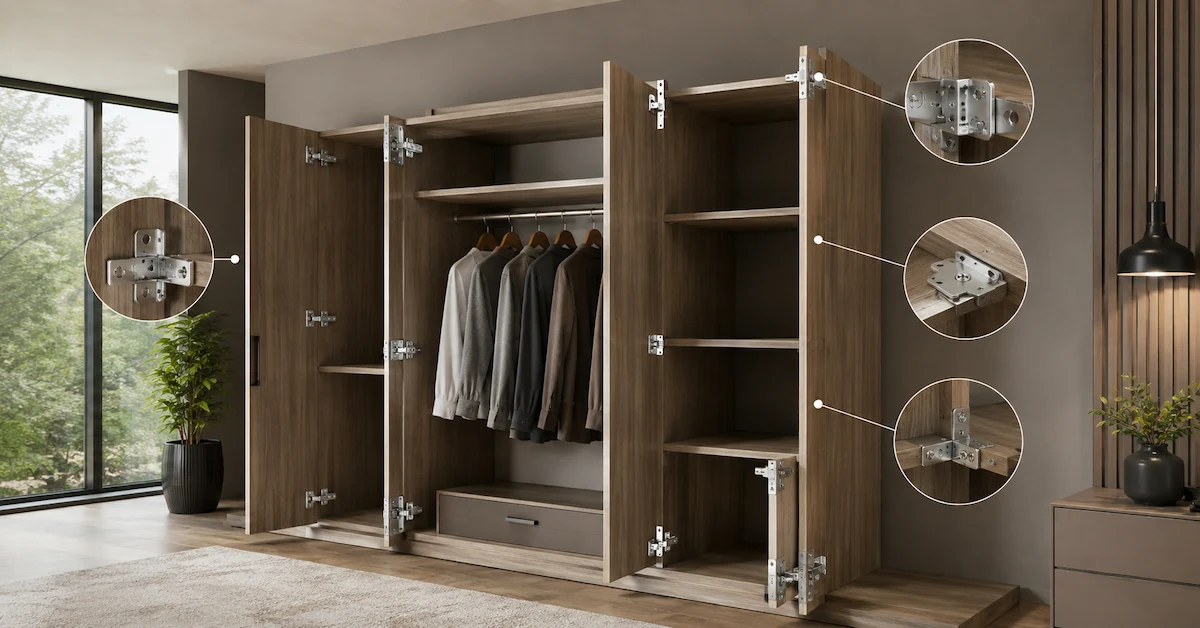
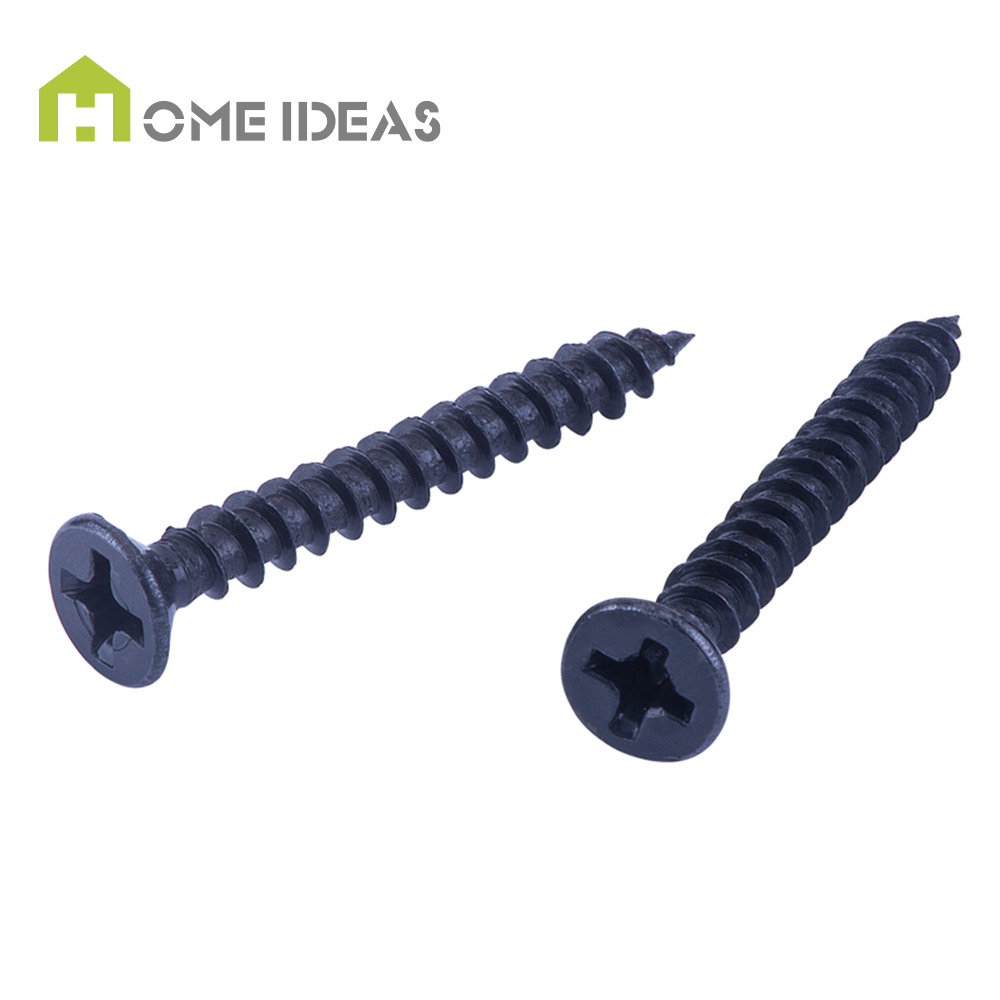
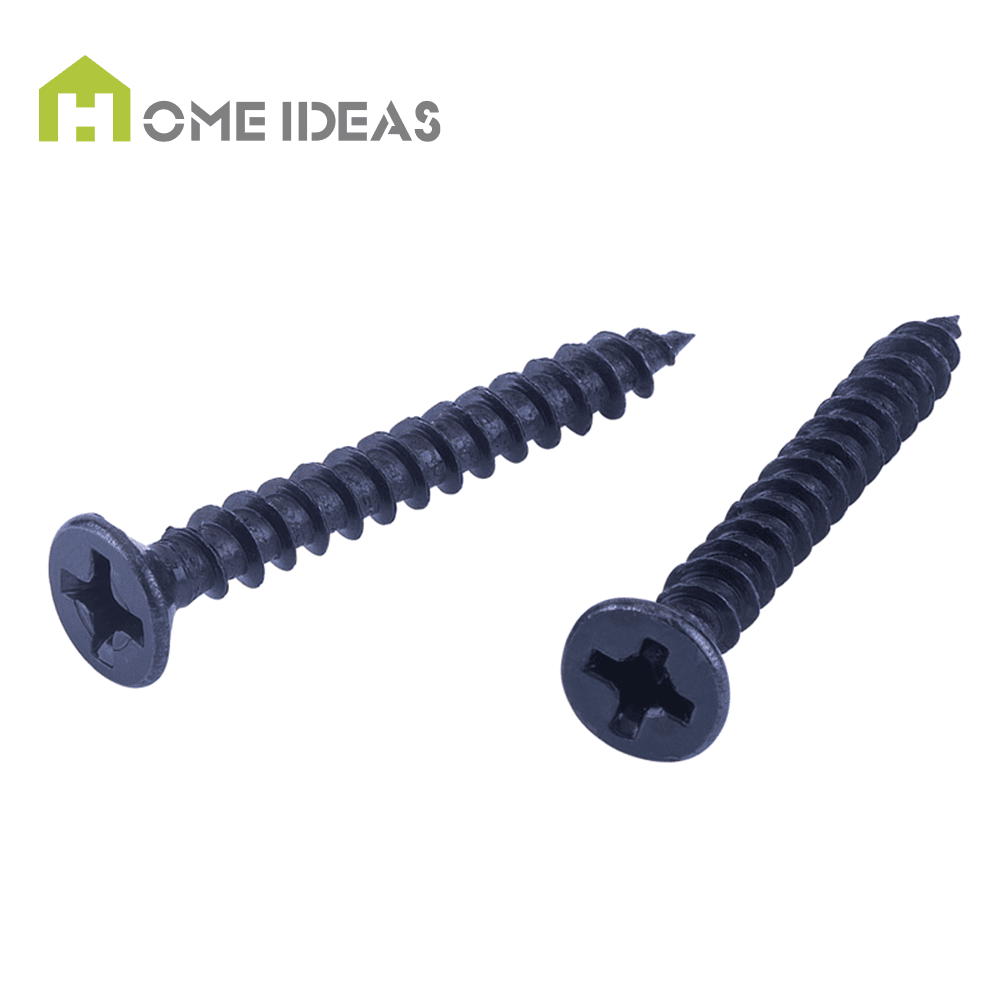
For the procurement team, the real decision isn't whether the fastener technically falls under the category of a screw, but rather whether the supplier can match the base material, surface finish, drive mechanism, and packaging method to the actual assembly method of the product. For example, in discreet indoor installation work, installers might only need a flathead or countersunk Phillips head screw. However, if the coating, tip geometry, or thread shape doesn't match, work efficiency will decrease, and the scrap bin will fill up faster than expected.
What are these screws typically used for?
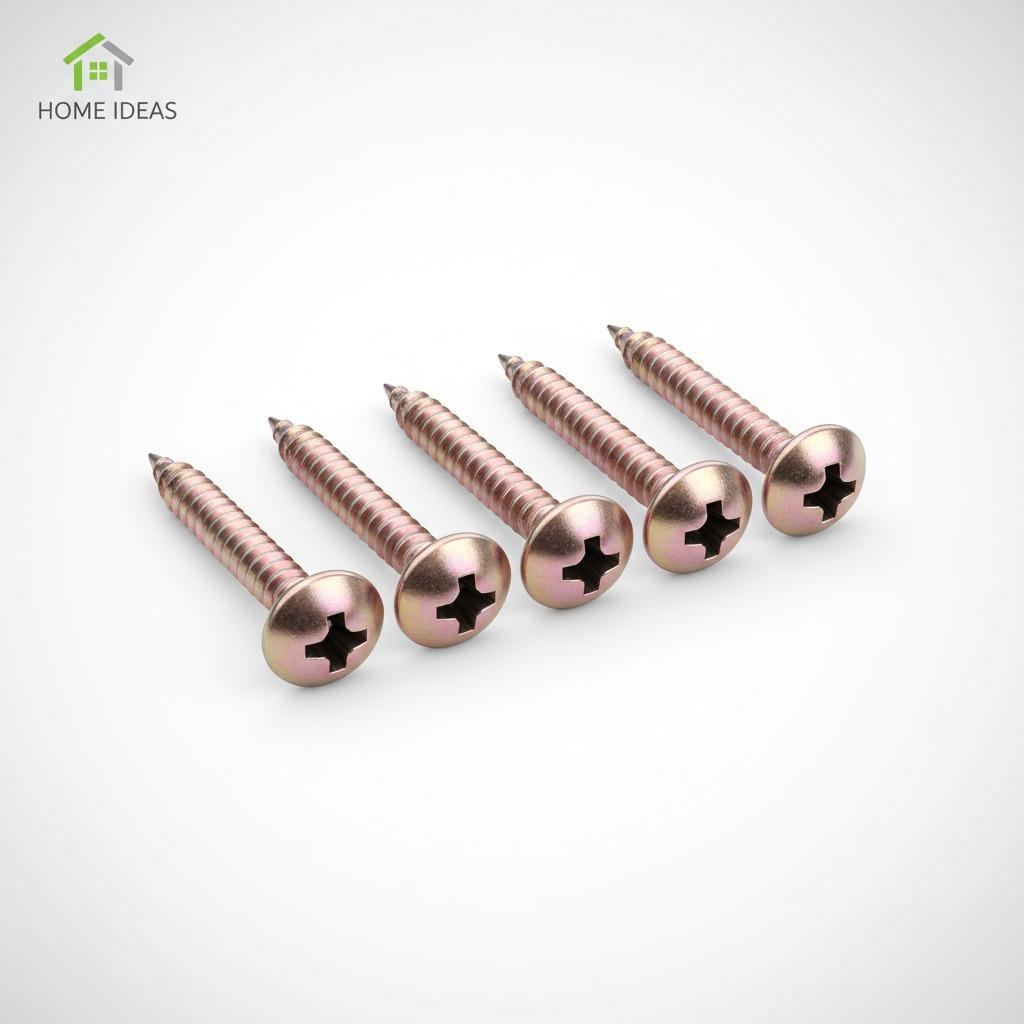
Self-tapping screws and self-drilling screws are widely used in drywall projects, light construction, interior decoration, and many general assembly tasks where nuts are inconvenient to use. The product details provided here show that the screw is made of metal with a gold-plated finish, featuring a Phillips head drive, flat head design, fully threaded shank, and pointed tip. In practice, depending on the specific specifications, this combination is often used to fasten screws to wood or thin metal.
It's important to note that the terms "self-tapping" and "self-drilling" are often used interchangeably in the market, but they are not always interchangeable. A pointed tip helps the screw drive in smoothly, but this doesn't mean the screw is a true self-drilling screw. If the base material is thin steel sheet, then this distinction is much more important than many buyers realize.
Quick Comparison: Galvanized, Hot-Dip Galvanized, and Other Coated Steel Options
Buyers often ask whether they should choose a supplier of galvanized self-tapping screws or one that offers galvanized self-tapping screws instead of a supplier offering standard carbon steel self-tapping screws. The answer depends on the intended use, appearance requirements, and budget.
Galvanized screws are widely used in indoor or lightly exposed environments. They typically offer a smooth finish and good general corrosion resistance, but actual performance depends on the coating system, which should be confirmed in writing.
When stronger corrosion resistance is required, galvanized screws are usually chosen. However, the term "galvanized" can refer to different processes and coating thicknesses, so it is not appropriate to simply use this term arbitrarily on purchase orders and assume that other problems will be easily solved.
Carbon steel remains a commonly used base material because it is economical, easy to form, and suitable for high-volume screw production. The key lies not only in the base material itself, but also in how the supplier controls the consistency of cold heading, thread rolling, heat treatment (if applicable), and electroplating.
What should I check before placing an order?
Serious fastener buyers don't just ask for a price quote. They first understand the substrate and installation method. Dryboard, wood, and thin metal sheets will perform differently under the same screw head. Then they confirm the screw head type, drive mechanism, surface finish, and whether the screw is self-tapping or self-drilling threaded.
Based on available information, Jiangmen Jinhe Hardware Co., Ltd. specializes in manufacturing machine screws, self-tapping screws, miniature screws, and precision screws, using materials including stainless steel, iron, and aluminum. The company states that its products comply with GB, DIN, ANSI, BS, JIS, and ISO standards, serving customers in the electronics, medical device, automation, building materials, furniture, and related industries. This broad product line is crucial because fastener procurement often involves multiple industries, and partnering with a supplier that already possesses standardized product specifications is typically more convenient.
Service response speed is also important. Jinhe stated that customer service will respond within 30 to 60 minutes and provide a solution to the problem within 2 hours. Of course, this cannot replace product verification, but it does demonstrate that the company highly values after-sales communication.
Common mistakes buyers make
A common mistake is using appearance as proof of specifications. A golden finish might suggest zinc plating or another similar coating, but this doesn't determine the specific finish. Another error is assuming all Phillips head screws are screwed in the same way. Screw head shape, groove depth, and coating all affect the risk of stripping and the installer's feel.
The second mistake is neglecting packaging and logistics. While fasteners are small, their impact is significant. Inconsistent lengths, incomplete quantities, or unclear labeling can all cause assembly delays. Suppliers with warehousing and supply chain support can play a crucial role in this regard, especially for export orders or those requiring regular replenishment.
Why Supplier Capabilities Are Just as Important as Product Shape
Jiangmen Jinhe Hardware Co., Ltd., established in 2016 and located in Jiangmen City, Guangdong Province, has a factory area of 4,000 square meters. The company describes itself as a manufacturer of fasteners and standard parts, with non-standard customization capabilities and import/export service support. For buyers, this comprehensive strength is more valuable than a beautifully designed product catalog. It demonstrates that the supplier can provide both standard parts and project-specific requirements, the latter often being the most challenging part of the procurement process.
If you are comparing carbon steel self-tapping screw suppliers and coated fastener experts, always ask for the following basic information: material confirmation, surface treatment specifications, dimensional drawings (if available), packaging standards, and inspection documents. Vague answers often indicate risks that will surface later in production, rather than during the quotation stage.
The next practical steps for the procurement team
Before placing a trial order, be sure to clearly define the application scenario and request samples that are exactly consistent with the expected production conditions. Screws that perform well in benchtop testing may not perform well on the actual assembly line. If your project also requires galvanized self-tapping screws or a galvanized self-tapping screw supplier, compare the surface treatment requirements with the actual application environment, rather than assuming that a certain coating is necessarily "better".
For purchasing teams and product engineers looking for suppliers capable of handling both standard and custom fasteners, Jiangmen Jinhe Hardware Co., Ltd. can assist them in discussing specifications, logistics, and documentation for domestic and international orders. The next steps are very simple: just send the drawings, substrate details, and surface treatment requirements together, then request samples and written confirmation of key dimensions and coating types.
This small act of self-discipline can save a lot of time and effort later on.