
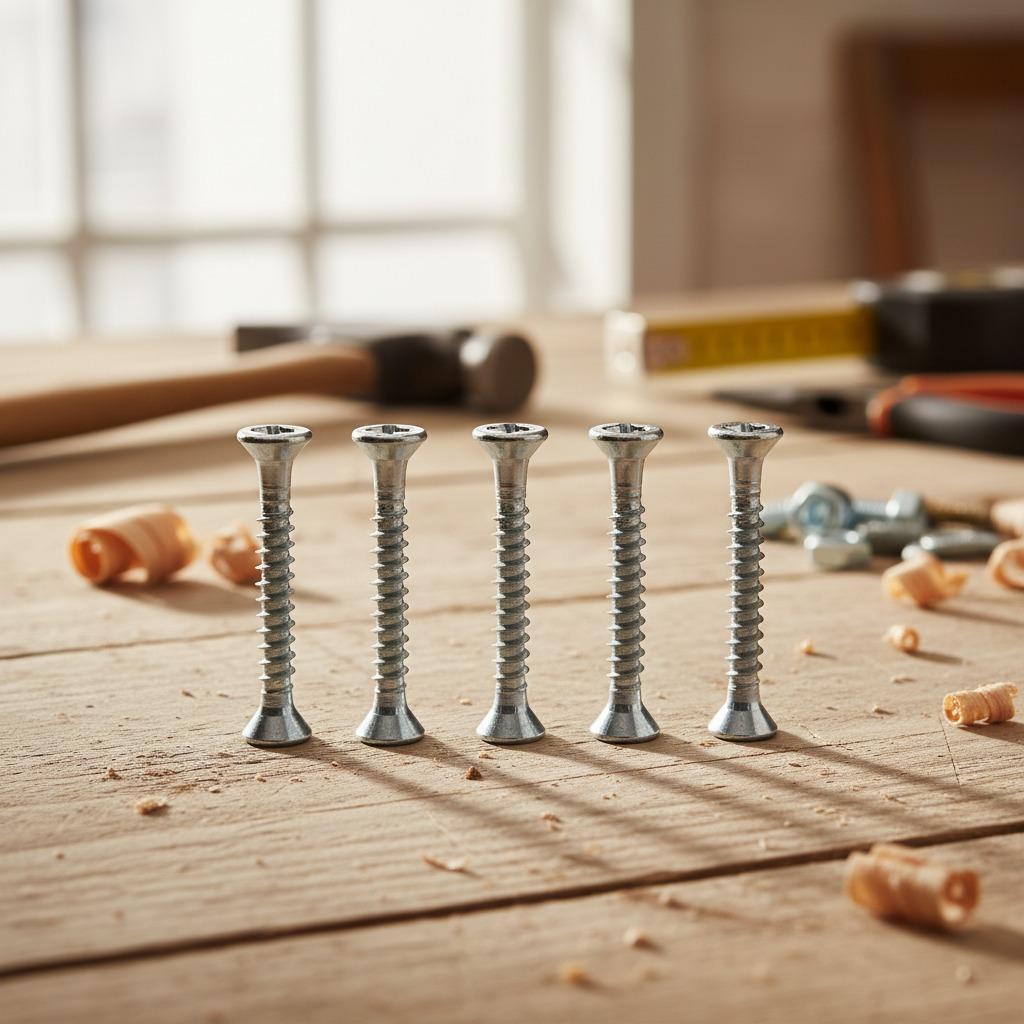
Why are hardware components in custom furniture rarely just a design choice?
When furniture projects prioritize fit, assembly speed, and on-site reliability, custom furniture hardware transcends mere decorative details. It's an unsung part of the product, determining the sturdiness of cabinets, the durability of drawers, and the ease of installation for installers. This is crucial for purchasing managers and product teams, as hardware malfunctions often occur late, typically after goods have already reached the customer's home or been delivered to the contractor's truck. 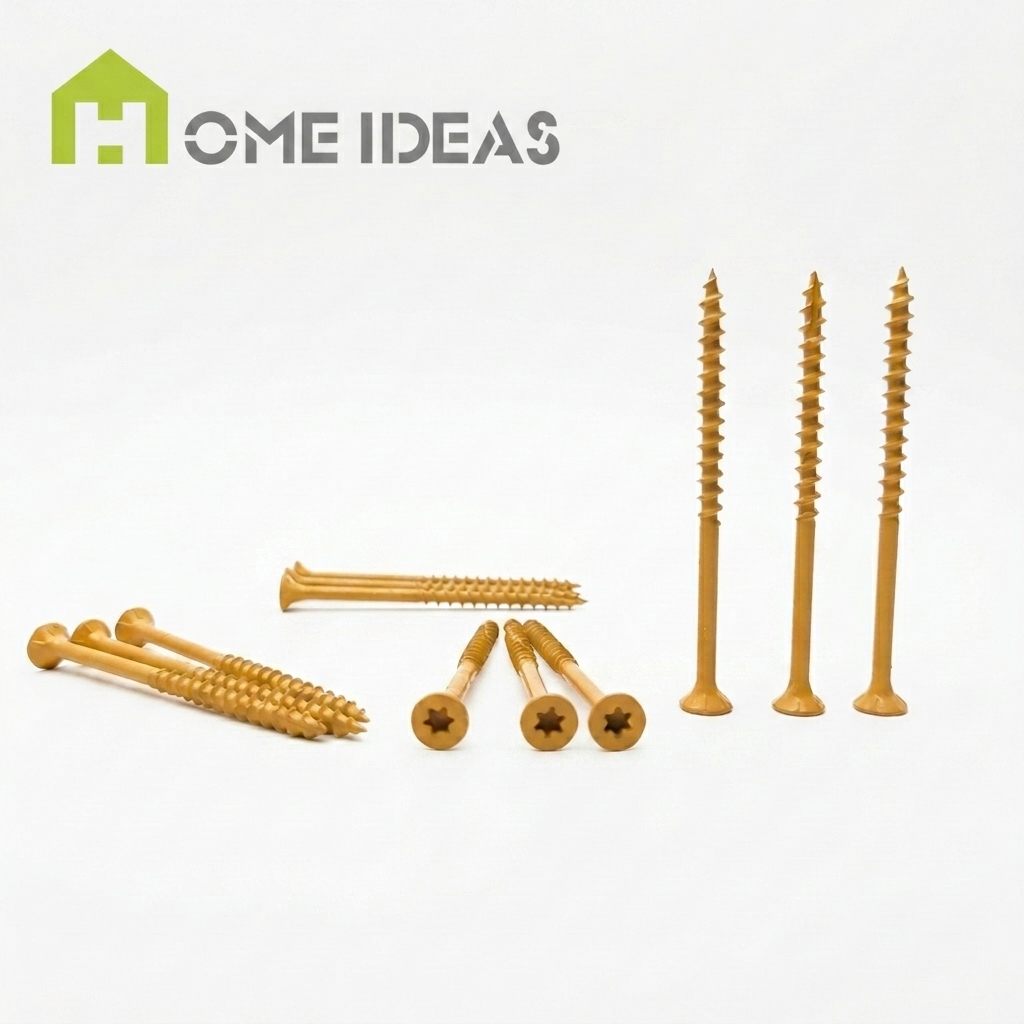
Screws, hinges, drawer slides, or connectors may look ordinary on drawings. However, incorrect fastener geometry or surface treatment can actually delay assembly, reduce their grip on the sheet metal, and even lead to corrosion problems, the diagnosis of which can be costly. Therefore, buyers of custom furniture hardware typically need to consider the system as a whole, rather than focusing solely on individual components.
What role do suitable hardware play in furniture manufacturing?
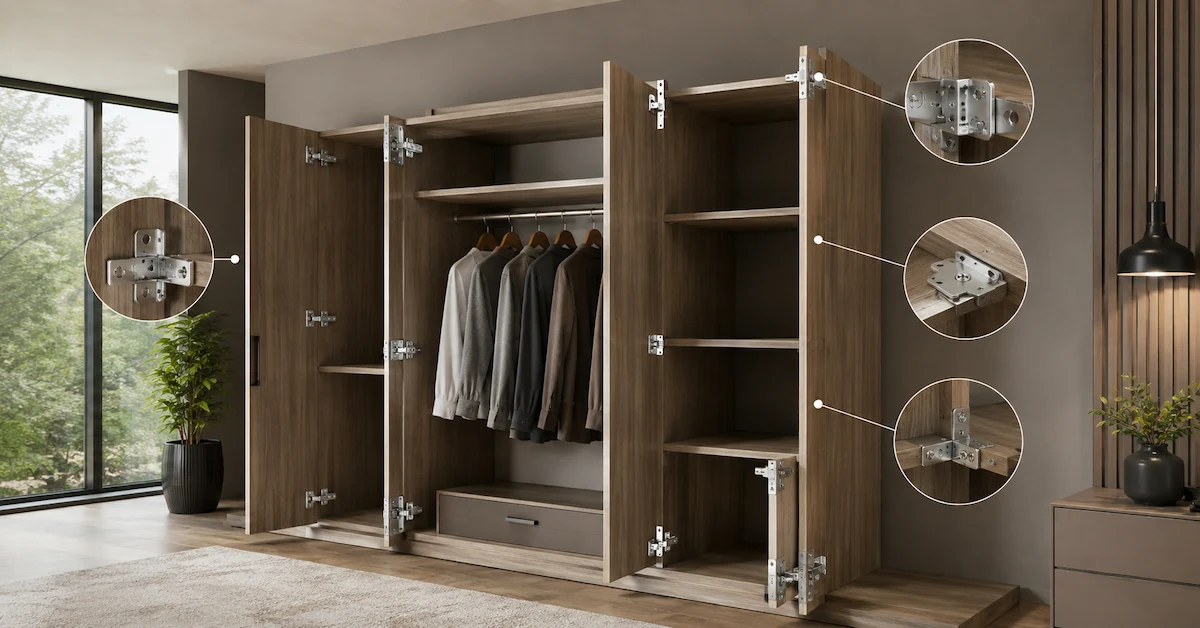
While furniture assembly doesn't require the same strength as heavy construction, it still demands consistency. Fasteners must be securely engaged. Hinges must circulate smoothly without loosening prematurely. Drawer slides must be able to move repeatedly under load. Furniture door hardware must fit perfectly into the cabinet structure and withstand normal wear and tear—this is far more practical than the gleaming samples in a showroom.
In many projects, the best approach is to combine standard components with custom details. This might include sized metal furniture components, specially shaped heads, plating finishes, or threaded patterns that facilitate assembly. It might also mean harmonizing hardware components with circuit board materials, surface finishes, and factory toolpaths, rather than working on each component individually.
A Practical Guide to Fasteners, Hinges, and Slides
Jiangmen Jinhe Hardware Co., Ltd. specializes in fasteners and precision parts, including machine screws, self-tapping screws, miniature screws, and custom-made products. This is crucial for furniture buyers, as many assembly points rely on screw fastening rather than complex secondary machining.
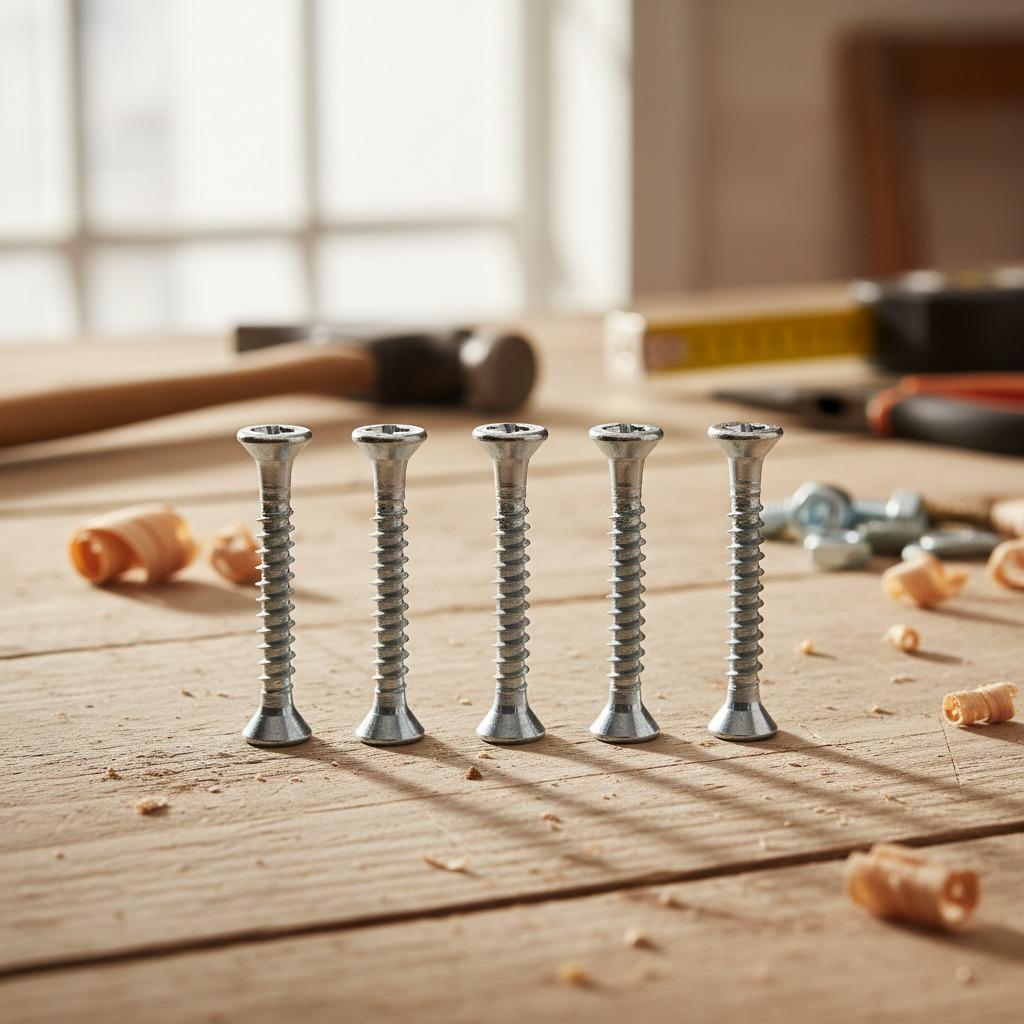
The screw described in the preparation data is a cold-formed, plated fastener with a pointed tip, coarse continuous thread, and Phillips head. It is similar to self-tapping or self-drilling screws used for sheet metal joining and lightweight structural fastening. In furniture manufacturing, installers often choose this geometry of screw because it is easy to screw in and can self-cut into sheet metal or thin metal. The gold plating helps improve corrosion resistance and ease of identification, but the choice of surface treatment should always be based on the actual usage environment.
For other hardware categories, buyers typically compare drawer slide manufacturers, hinge manufacturers, and cabinet hinge suppliers from different perspectives. Drawer slides are judged by their smoothness of movement and load-bearing capacity. Hinges are judged by their alignment and lifespan. Furniture door hardware falls somewhere in between, as it has both functional and aesthetic requirements. A single supplier may not meet all these requirements, but this is not a problem; it usually indicates that the purchasing team understands where the issues lie.
Selection criteria for saving subsequent time
The first thing to consider is whether the part is for assembly, decoration, or both. This sounds obvious, but many procurement negotiations often go awry at this stage. Fasteners hidden inside the panel can prioritize functionality. Exposed hinges or brackets, however, usually need to meet both functional and aesthetic requirements.
The second issue is material compatibility. Stainless steel, iron, and aluminum each have their advantages and disadvantages; improper combination can lead to coating peeling, staining, or long-term loosening. Jiangmen Jinhe Company can process materials such as stainless steel, iron, and aluminum, and supports GB, DIN, ANSI, BS, JIS, and ISO standards. While these standards are helpful, buyers should still inquire about the specific material specifications and coating systems of the quoted parts.
The third issue is the assembly method. Self-tapping screws can be a good option when faster assembly and less pre-drilling are needed, but only if the density and thickness of the sheet metal match. I believe this is more of a practical suggestion than a universally applicable rule. Incorrect thread shape can damage softer materials or result in an insecure installation.
Common Mistakes in Furniture Hardware Procurement
A common mistake is approving hardware based solely on samples, which do not reflect actual production conditions. Another mistake is assuming that one finish will work in all room environments. Humidity, cleaning agents, and user habits all affect the final result.
A more subtle mistake lies in over-specifying, which is counterproductive. Some projects require precision screws and complete inspection records, while others prioritize stable supply, rapid response, and predictable packaging over stringent tolerances. Jiangmen Jinhe states that they support pre-delivery inspection, comprehensive documentation, and responsive customer service. For buyers, this process control is just as important as the parts themselves.
What questions should I ask before placing a custom order?
Inquire about the exact function of the hardware within the component.
Inquire whether the part is a standard part or a non-standard custom part.
Inquire about the intended substrates and finishes, and the reasons for their selection.
Inquire about how the parts will be inspected before shipment.
Inquire whether logistics support, warehousing, or export processing are included in the service package.
If a supplier serves furniture manufacturers, appliance brands, and cross-border e-commerce platforms, it typically indicates their understanding of mixed-scale supply chains. Jiangmen Jinhe also lists its partnerships and services with well-known brands, but buyers should still verify specific parts, drawings, and commercial terms to ensure they meet their project requirements.
Frequently Asked Questions from the Procurement Team
Are self-tapping screws always a better choice for furniture?
Not always. It can increase assembly speed, but the material, thickness, and surface finish of the sheet metal are all important.
Should all hardware components for custom furniture come from the same supplier?
This is only worthwhile if the supplier can truly cover the entire range of technologies. Many teams break down components such as slides, hinges, and fasteners according to their own capabilities, which often yields better results.
What is the safest first step?
First, determine the functional requirements, and then confirm the materials, surface treatment, inspection requirements, and packaging details before cutting the blades.
Buyer's next move
If you're evaluating custom furniture hardware for a new cabinet, drawer, or flat-pack furniture project, the wisest approach is to start with the intended use case and work your way up. First, clearly define the board material, assembly method, desired surface finish, and shipping route. Then, request fastener or hardware solutions from suppliers that meet these criteria, rather than choosing a solution simply because it looks familiar.
For projects requiring custom fasteners, precision screws, or broader metal furniture component support, Jiangmen Jinhe Hardware Co., Ltd. accepts drawings and usage requirements, not just part names. This typically helps obtain a more accurate quote and reduces unforeseen circumstances later on.