
Why are hardware components in custom furniture more than just the finishing touch?
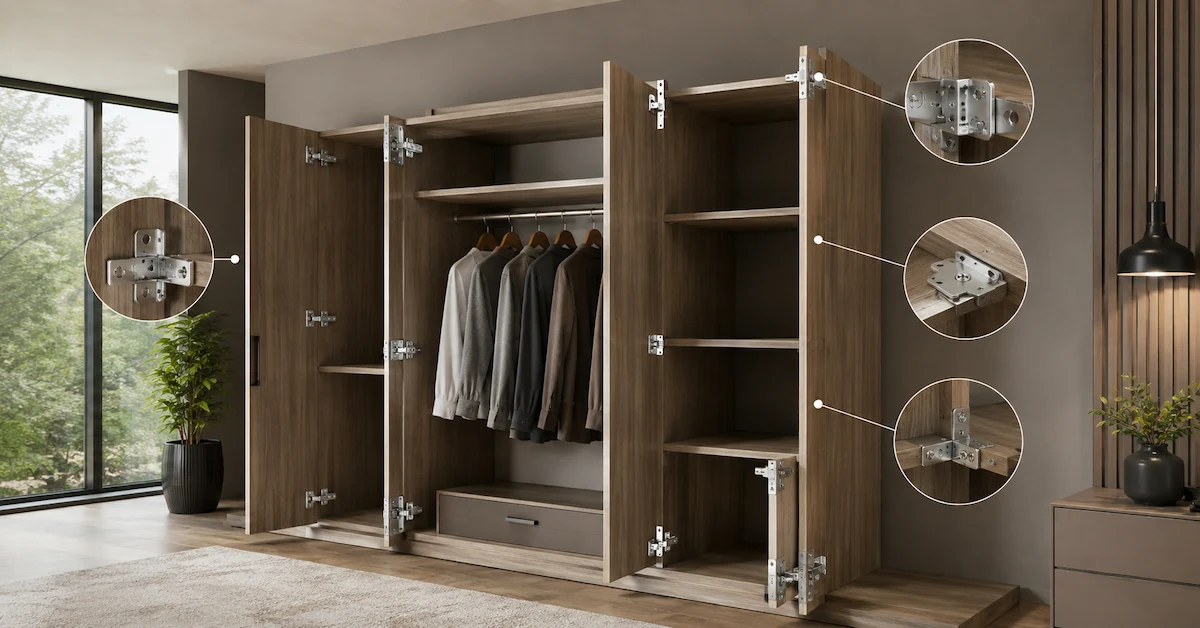
When people talk about hardware in custom furniture , they usually mean the visible parts: handles, hinges, drawer slides, and the small screws that hold everything together. But engineers and purchasing teams know that hardware is where design concepts meet actual wear and tear. A cabinet door that looks perfect on the drawings may warp after six months if the wrong hinges are chosen; a drawer that should run smoothly and silently may start to jam if the slides are too small or the specifications are incorrect.
Therefore, buyers typically need more than just a beautifully designed catalog. They need a practical approach to matching functionality, materials, finishes, and supply stability. For furniture manufacturers, especially those engaged in small-batch production, private label projects, or constantly evolving product lines, hardware packages must meet two requirements simultaneously: matching the design and withstanding the test of real-world production environments.
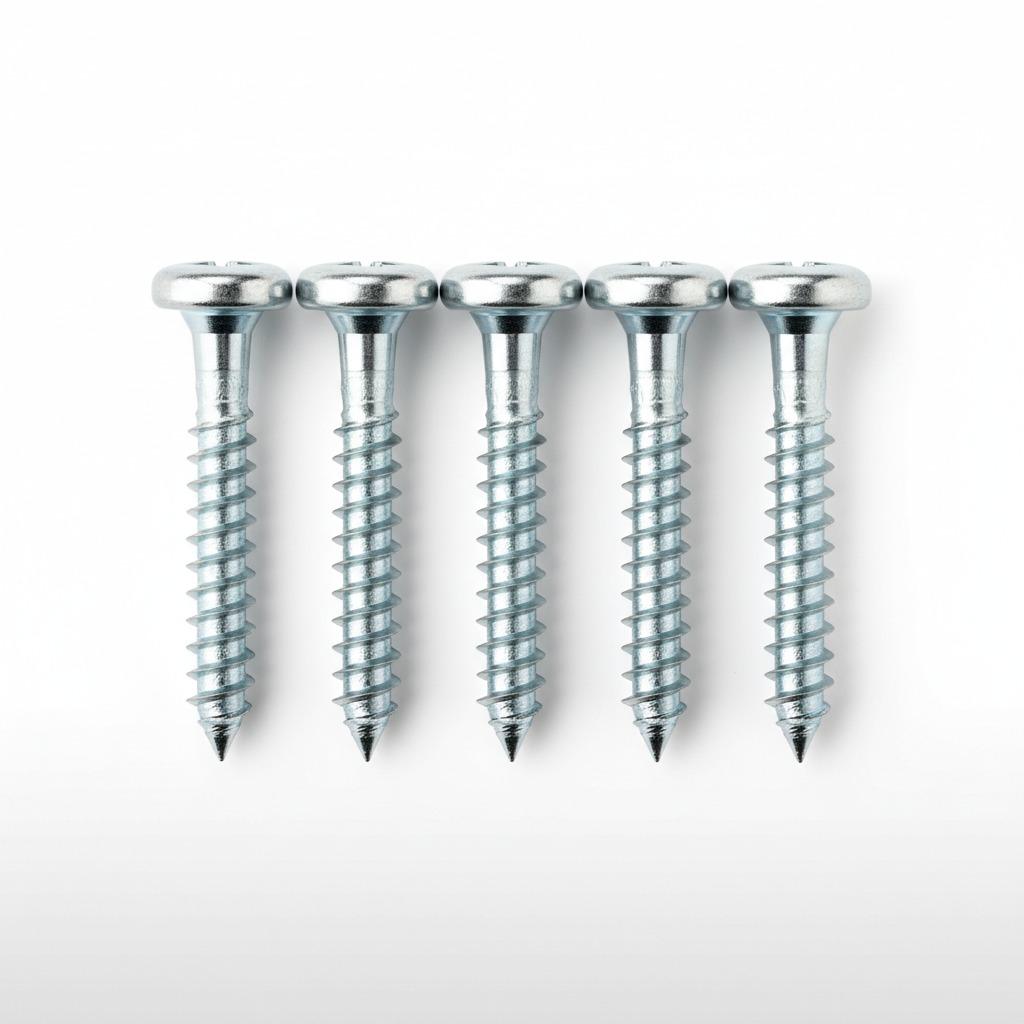
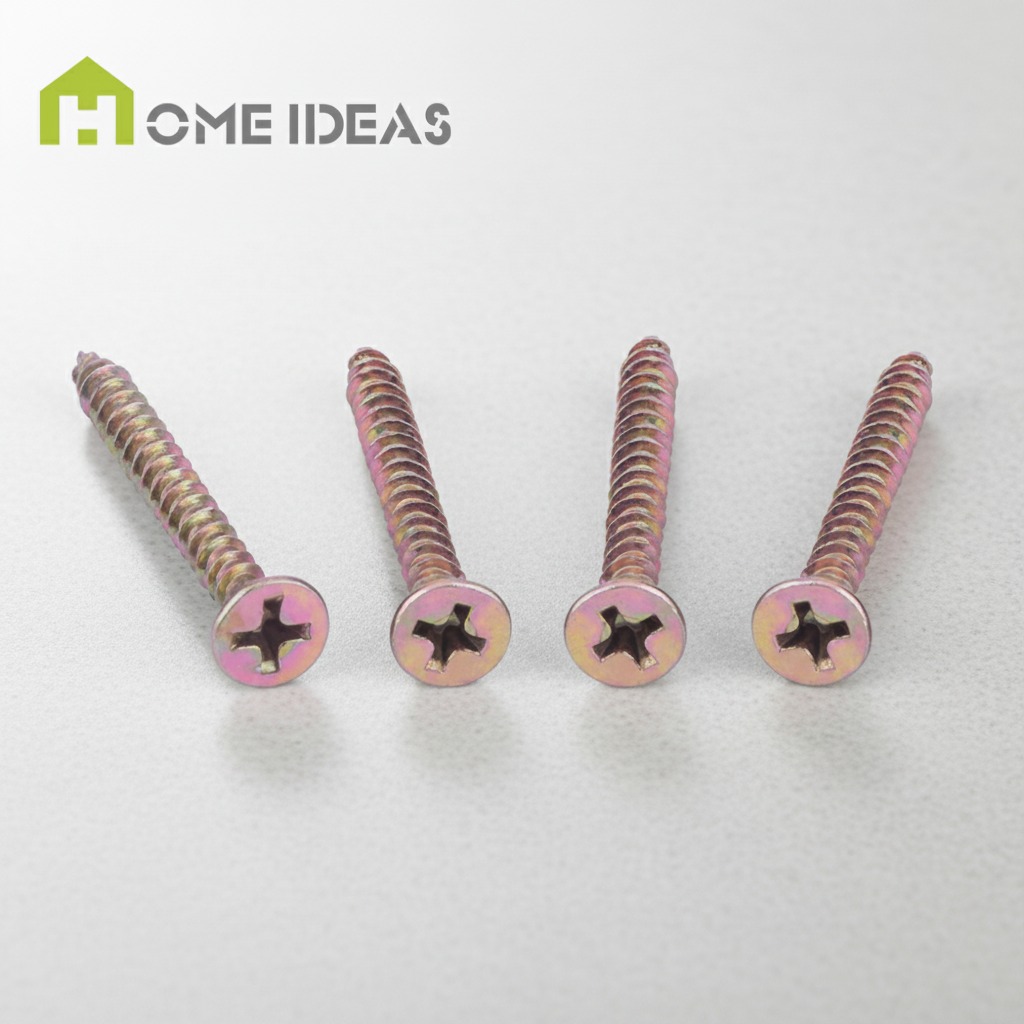
The screw shown in the product brochure is a good example. It looks like a countersunk Phillips head screw with coarse threads and a surface coating, likely used for fastening drywall or light metals. Because its specific substrate and drilling geometry are not yet fully confirmed, it should be used with caution. Nevertheless, the screw's shape itself speaks volumes: even small fasteners can play a crucial role in furniture assembly, panel joining, and interior finishing.
Buyers usually need to decide what first.
In furniture projects, decisions are rarely about "which hardware is best?", but rather "which hardware is best suited for this structure, this material stacking method, and this production line?" This question is crucial because wrong choices can lead to subsequent problems: stripped fasteners, misaligned doors, loose drawer panels, or rework during final assembly.
For purchasing managers, the primary selection criterion is usually the type of component. Are you sourcing metal furniture components for a frame system, for a drawer slide manufacturer's product line, for a hinge manufacturer's concealed hinges, or for a cabinet hinge supplier's standard product catalog? Or do you need door hardware for a specific furniture piece in a new product line? Each category has its own stress paths and installation limitations, and even with the same finish, they are not interchangeable.
Fasteners, hinges, and drawer slides all affect the quality of furniture.
Furniture design teams sometimes focus too much on the obvious moving parts and overlook some small components. For example, a drawer slide manufacturer may provide well-made slides, but if the quality of the mounting screws is inconsistent, the slides may be slightly misaligned during the first installation. The same applies to hinge systems. Hinge manufacturers can provide reliable hinge mechanisms, but if the hinge is not securely fastened to the edge of the panel, it can still cause the hinge to shift, the door to sag, or noise when closing.
Therefore, many specifications now bundle "visible hardware" with its accompanying fastening system. Even simple screw selection is crucial: flathead screws allow for flush mounting, coarse threads quickly engage softer substrates, and plated screws enhance corrosion resistance for indoor use. The pearlescent gold finish of the supplied screws suggests they may be zinc or zinc alloy plated, but the specific plating specifications are not clearly stated. Buyers should request confirmation and should not assume that appearance equates to performance.
How to evaluate custom hardware vendors
Jiangmen Jinhe Hardware Co., Ltd., established in 2016 and located in Jiangmen City, Guangdong Province, is a fastener and precision screw manufacturer with a 4,000-square-meter factory. The company's products cover machine screws, self-tapping screws, miniature screws, and precision screws made of stainless steel, iron, and aluminum, and conform to standards such as GB, DIN, ANSI, BS, JIS, and ISO. The company states that its customers span industries including electronics, medical devices, automation, furniture, and building materials, and it provides non-standard customization, export support, and logistics services.
This combination is very practical for furniture buyers because custom hardware often requires more than one parts set. You might need standard fasteners for repeated assemblies, and then modified screws or brackets for specific panel combinations. Suppliers who can provide both standard and custom parts can reduce handover steps, but buyers should still verify drawings, sampling procedures, and inspection documents before confirming parts consistency.
The company also stated that it conducts rigorous inspections before shipment and can respond quickly to customer inquiries. These are all positive signs, but the real test lies in whether the supplier can provide detailed information relevant to your application: dimensions, material grade, coating, packaging, and batch traceability. In furniture production, vague answers can lead to losses later on.
Common Mistakes in Furniture Hardware Procurement
A common mistake is overemphasizing the visible parts while neglecting the interface. If the mounting screws don't match the material, a perfectly polished hinge cup is useless. Another common error is buying based solely on surface finish. Color matching doesn't indicate whether the fastening system is suitable for fiberboard, plywood, aluminum, or thin steel brackets.
Another practical consideration: if the hardware will be used in consumer furniture, its performance must be tested not only in the lab but also on the production line. Assembly speed, tool fit, and tolerance for operator differences may be more important than a perfect product catalog description. Even screws that "should" be self-drilling may require more stringent control than a fast-paced production line can provide.
Buyer checklist before placing order
Request detailed drawings or samples of the parts, not just generic product names. Confirm whether the fastener is self-tapping or self-drilling, as the shape of the visible tip alone may not be sufficient to determine this. Identify the substrate: drywall, sheet metal, wood paneling, or other materials. Check that the head is flush with or slightly protruding from the substrate. If the project includes hinges, drawer slides, or other furniture fittings, ensure that the fasteners are inspected along with the main components, not afterward.
If you're comparing custom furniture hardware suppliers, it's also worth asking how they handle non-standard orders, what documentation they provide, and how they manage shipping and warehousing. These details may seem trivial, but they're crucial if a project is delayed because of a missing box of screws.
When to switch from standard parts to custom parts
When the sheet metal structure is stable and the furniture series is mature, standard hardware is sufficient. However, when the design changes, the material combination is unique, or the brand wants to create a specific assembly experience, customization becomes more attractive. This is especially true for metal furniture components and hybrid material products, as even subtle differences in thickness or surface finish can affect the installation result.
Jiangmen Jinhe's business model demonstrates its ability to undertake both standard and non-standard projects. For buyers, this means that from prototype production to mass production, there's no need to change suppliers midway. Of course, this isn't an absolute guarantee, but it's a wise choice for initiating procurement negotiations.
Next steps for the product team
If you are developing a furniture product line and need screws, hinges, drawer slides, or other custom furniture hardware, start with assembly issues rather than simply flipping through product catalogs. Clearly define the base material, expected load-bearing capacity, surface treatment requirements, and installation methods. Then, request suppliers to provide suitable parts based on the manufacturing process, not just drawings.
For custom fasteners or related furniture accessories, please contact Jiangmen Jinhe Hardware Co., Ltd. directly via the provided phone number, WhatsApp, or email. This is usually the fastest way to turn initial ideas into workable samples.