
Product Limitations and Cooperation Challenges in Standard Nut Supply
In many industrial and OEM projects, standard nuts initially appear sufficient—until real assembly begins.
Subtle issues start to surface:
- Thread fit that varies slightly across materials
- Load distribution that doesn’t fully match design expectations
- Installation efficiency dropping due to torque inconsistency
- Packaging formats that slow down production workflows
At the same time, cooperation challenges arise—unclear customization capabilities, limited flexibility, and inconsistent batch control.
These issues are not caused by defects. They are caused by mismatch.
This is where working with a custom nut supplier becomes essential. At JHFIX, we focus on aligning product design with real application conditions—ensuring that nuts perform exactly as required, not just as specified.
Engineering Custom Nuts Based on Application Requirements
Custom nut solutions go beyond simple size adjustments. They involve engineering decisions based on real use conditions.
Key customization factors include:
- Thread tolerance and fit class for precise engagement
- Material selection based on load and environment
- Heat treatment control for strength and durability
- Surface coating optimization for friction and corrosion resistance
- Geometry adjustments for better load distribution
Here’s how material choices affect performance:
| Material Type | Strength Range | Key Benefit | Custom Application Scenario |
|---|---|---|---|
| Carbon Steel | Medium | Cost efficiency | General OEM projects |
| Alloy Steel | High | Load-bearing capacity | Structural and heavy-duty use |
| Stainless Steel A2 | Medium | Corrosion resistance | Outdoor and humid environments |
| Stainless Steel A4 | Medium-High | Chemical resistance | Marine and harsh conditions |
According to International Organization for Standardization, thread fit and tolerance are critical factors in ensuring fastening reliability, especially in precision assemblies.
Why OEM Buyers Move Toward Custom Solutions
As production scales, limitations of standard components become more visible.
Common triggers for customization include:
- Repeated assembly inefficiencies
- Material compatibility issues
- Performance inconsistency across batches
- Packaging inefficiencies affecting workflow
Working with a custom nut supplier allows buyers to shift from reactive adjustments to proactive design.
At JHFIX, we support this transition by:
- Designing nuts based on real assembly conditions
- Ensuring consistent production across batches
- Aligning packaging with production processes
- Providing flexible solutions for different industries
This approach reduces friction across the entire production cycle.
Thread Optimization for Precision Assembly
Thread performance is one of the most critical aspects of custom nut design.
Even minor variations can cause:
- Binding during installation
- Loose engagement affecting stability
- Increased wear under repeated use
Thread optimization focuses on:
- Precise tolerance control (ISO 6H standard)
- Smooth surface finishing for stable friction
- Consistent geometry across production runs
Organizations like ASTM International emphasize that thread precision directly affects mechanical performance and long-term reliability.
A professional custom nut supplier ensures that thread behavior remains predictable under real conditions.
Packaging Customization: Improving Production Efficiency
Customization doesn’t stop at the product—it extends to packaging.
Standard packaging often leads to:
- Counting errors
- Mixed specifications
- Increased handling time
Custom packaging solutions improve efficiency:
| Packaging Type | Counting Accuracy | Operational Impact |
|---|---|---|
| Loose bulk | ~90% | Frequent delays |
| Standard packaging | ~97–98% | Minor inefficiencies |
| Custom packaging | 99%+ | Streamlined workflow |
For example, pre-sorted packaging aligned with assembly sequences can significantly reduce preparation time.
A Real Case: Solving Assembly Issues Through Custom Nut Design
A furniture OEM client faced recurring problems with standard nuts:
- Thread slipping in composite boards
- Inconsistent tightening performance
- Increased assembly time
We implemented a custom solution:
- Adjusted thread design for better material compatibility
- Optimized coating for smoother installation
- Redesigned packaging for assembly efficiency
The results:
- Assembly time reduced by approximately 15%
- Improved consistency in tightening performance
- Lower defect rates in finished products
The solution came from aligning product design with real application needs.
Where Custom Nut Solutions Deliver the Most Value
Custom nuts are particularly beneficial in:
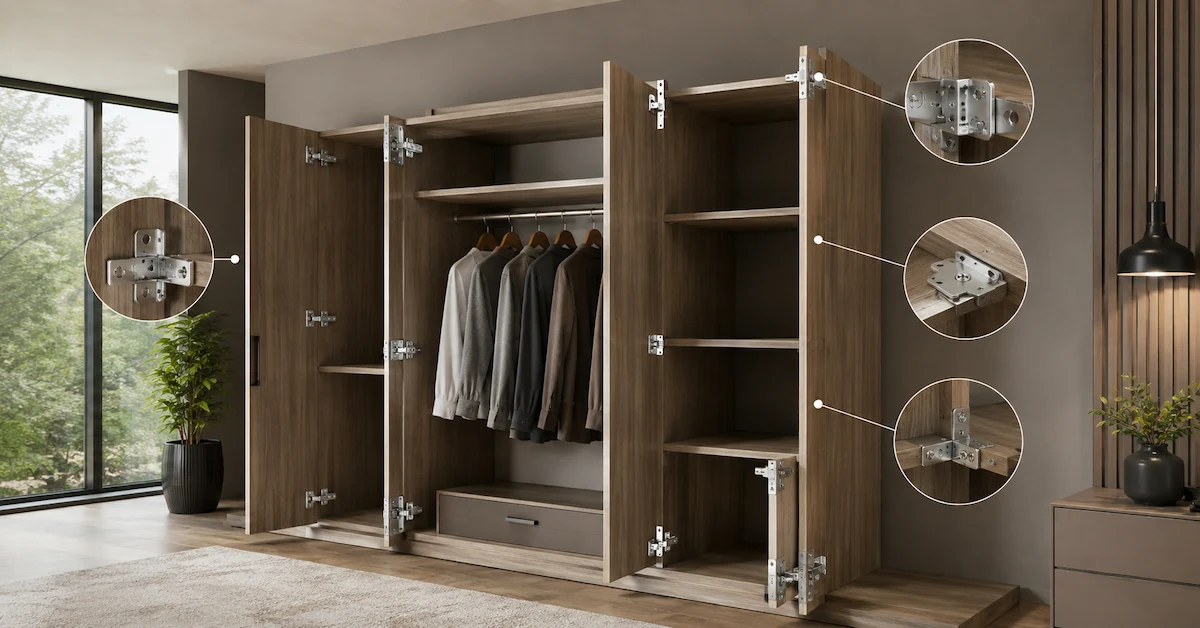
- Furniture systems using mixed materials
- Industrial machinery requiring precise load distribution
- OEM production with large-scale repeat orders
- Export projects with specific packaging requirements
In these applications, customization improves both performance and efficiency.
Frequently Asked Questions
Q1: When should buyers choose custom nuts instead of standard ones?
When standard products create inefficiencies or fail to meet specific application requirements.
Q2: Does customization increase production cost?
Slightly, but overall savings often come from reduced rework and improved efficiency.
Q3: How long does custom development take?
Most customization can be implemented within standard production timelines.
From Standard Components to Tailored Fastening Solutions
Custom nuts transform fastening from a generic component into a performance-driven solution. By aligning design, material, and packaging with real-world conditions, production becomes more efficient and reliable.
At JHFIX, we focus on delivering custom nut solutions that solve real problems—through engineering, manufacturing control, and supply optimization.
To learn more about our capabilities, visit:
https://www.jhfix.com/
If you are facing assembly inefficiencies or performance inconsistencies, contact our team to explore a customized solution:
https://www.jhfix.com/contact-us