
Why Buyers Need a Custom Wholesale Screws Supplier When Standard Parts Are Not Enough
When a production line needs fasteners that truly fit the job, a custom wholesale screws supplier is no longer just a purchasing option. It becomes part of the control system behind assembly quality, inventory stability, and cost management.
Standard catalog screws work well in many situations. But they start to fall short when a product design, material stack-up, finish requirement, or packaging method pushes beyond ordinary stock supply.
That is when sourcing teams begin asking a more practical question:
Who can supply the right screw, in the right volume, with the right documentation, without turning every order into a special case?
This question matters in electronics assembly, appliance production, furniture hardware, MRO kits, small-parts distribution, and OEM manufacturing. A missed head style, unstable coating, wrong thread form, or poor packing method can slow down an entire line.
The buyer is not only comparing price per thousand pieces. They are comparing repeatability, traceability, packaging discipline, logistics support, and the supplier’s ability to handle both standard parts and non-standard customization.
What a capable screw supplier should provide
Jiangmen Jinhe Hardware Co., Ltd. works in the fastener and standard-parts field, covering machine screws, self-tapping screws, micro screws, and precision screws. The company states that it works with materials such as stainless steel, iron, and aluminum, and supports standards including GB, DIN, ANSI, BS, JIS, and ISO.
For buyers, this range is useful because many sourcing projects are not limited to one screw type.
One program may need machine screws.
Another may require self-tapping screws.
A third may involve micro screws for compact assemblies.
A later revision may need a non-standard fastener or different packaging.
A supplier that can discuss several product families under one workflow can make procurement cleaner, especially when the buyer needs recurring supply instead of a one-time order.
Jinhe also positions itself around non-standard customization, foreign trade support, warehousing, and supply chain services. In real fastener buying, those services can matter as much as the screw itself. A buyer may start with bulk self-tapping screws, then later need custom packing, revised dimensions, or coordinated delivery for multiple SKUs.
What buyers should check before placing a bulk order
A bulk screw order should not start with price alone. The first step is part definition.
Buyers should confirm the thread type, head style, drive style, length, diameter, material, finish, and packaging format. A supplier’s “similar” part may look acceptable in a photo, but that does not mean it will behave the same in assembly.
| Key Check | Why It Matters |
|---|---|
| Thread Type | Must match the material and fastening requirement |
| Head Style | Affects clearance, appearance, and tool access |
| Drive Style | Influences installation speed and stripping risk |
| Material | Impacts strength, corrosion behavior, and cost |
| Finish | Affects appearance, storage, and service environment |
| Packaging | Controls receiving, sorting, and line-side use |
| Inspection | Helps reduce batch variation |
| Documentation | Supports traceability and internal quality systems |
These checks are simple, but they prevent many avoidable sourcing problems.
Custom screws versus standard screws
Standard screws are easy to source, but they often require the product design to adapt to the fastener.
Custom screws reverse that relationship.
The screw is selected or adjusted around the assembly, material, tooling, and production process. That may mean a different point geometry for self-tapping performance, a lower head profile for limited clearance, a specific coating for appearance, or a packaging format designed for kitting.
For an OEM screw supplier, the real challenge is not making one good sample. It is repeating the same geometry, finish, and packaging across batches.
That is where a custom screw manufacturer for bulk orders earns its value.
One qualified sample is only the beginning. Buyers should ask whether the supplier can keep the same specification stable when the order moves from pilot runs to regular production.
Why packaging should not be treated as an afterthought
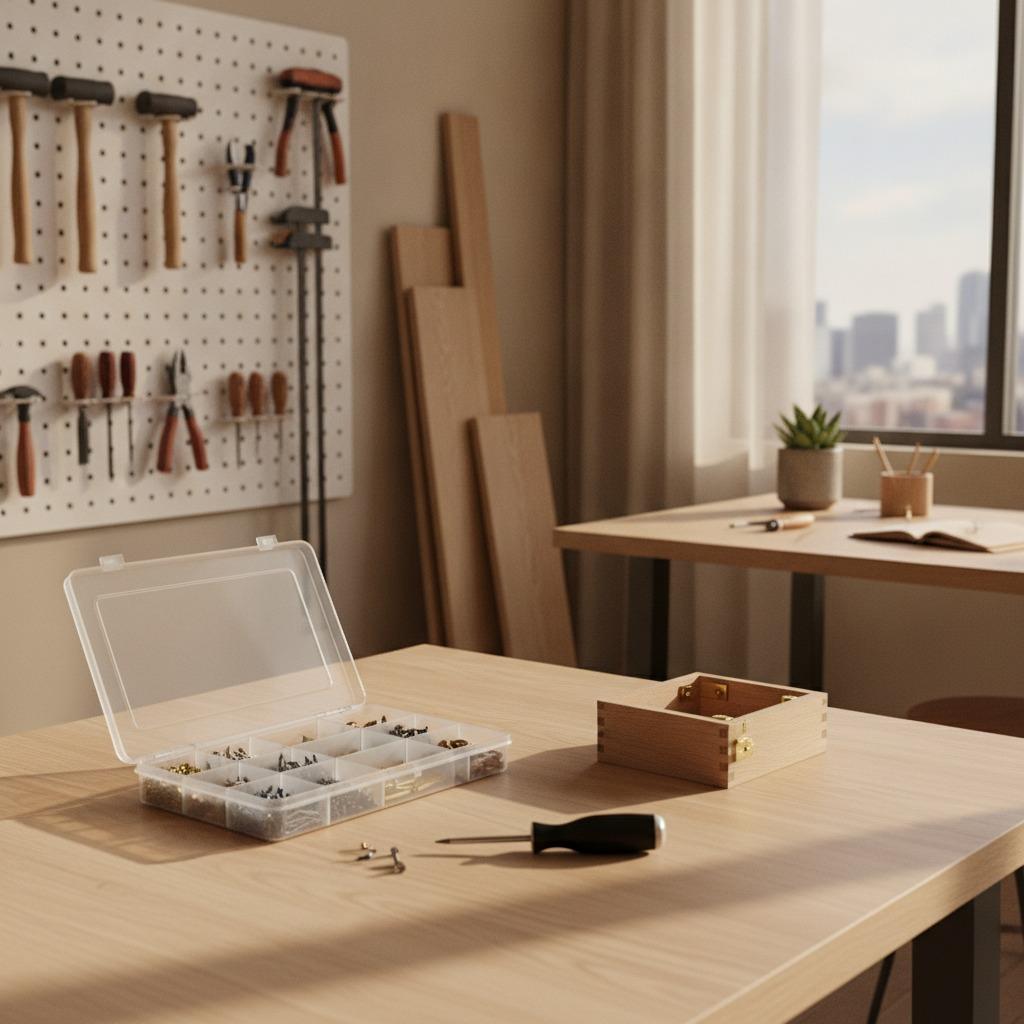
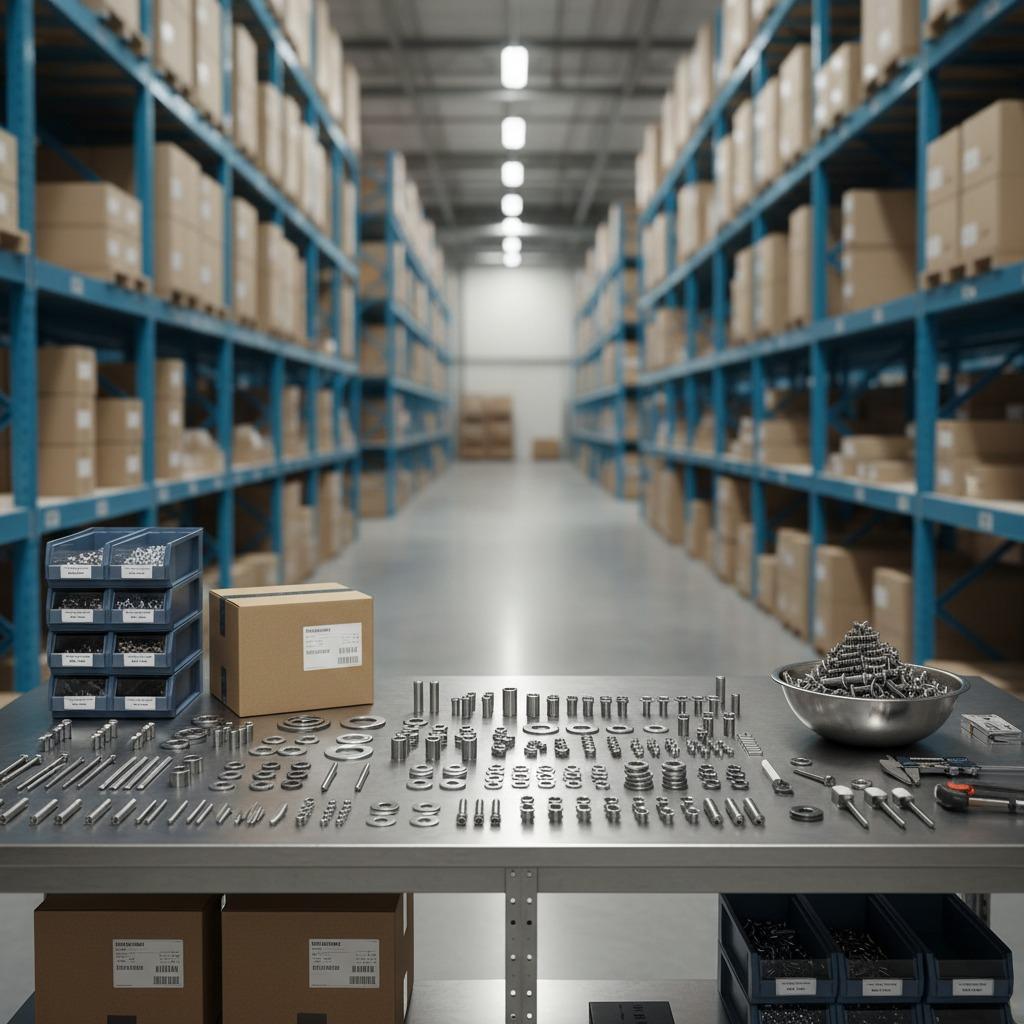
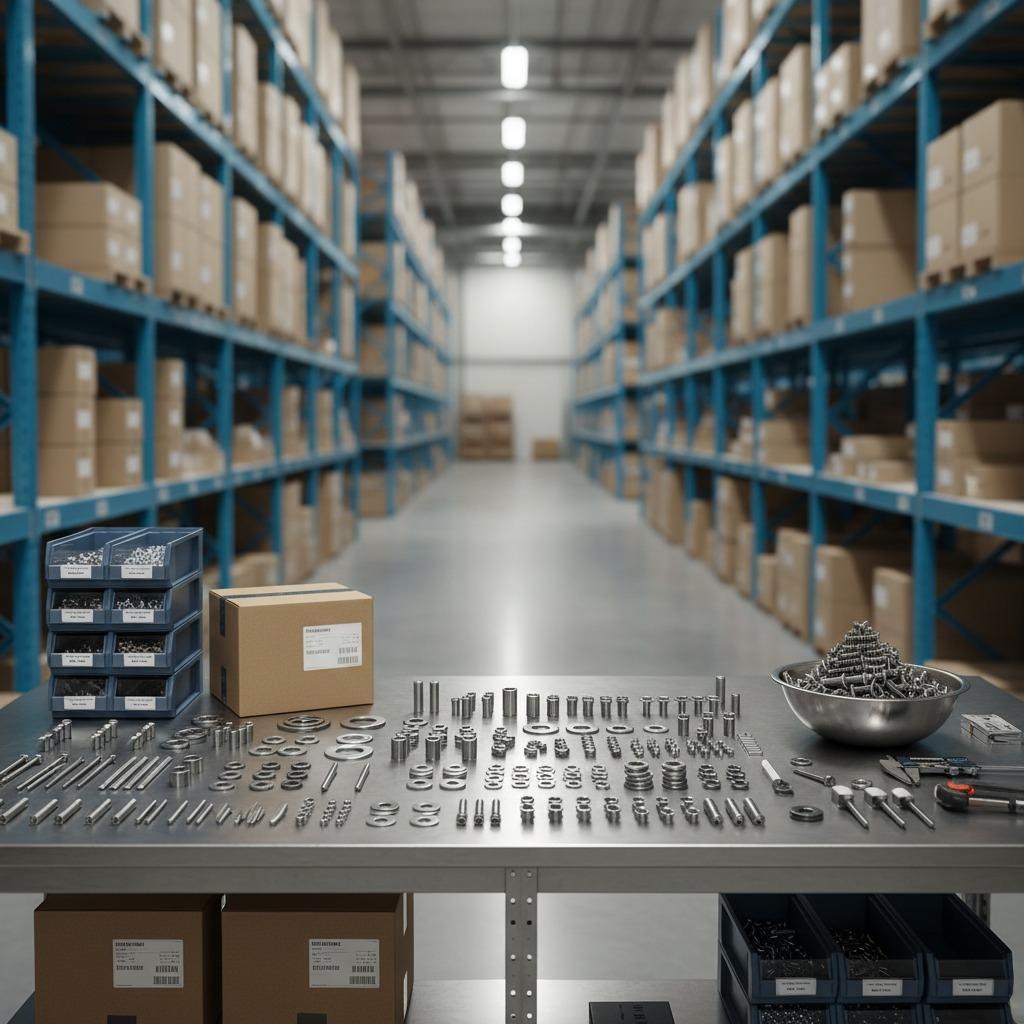
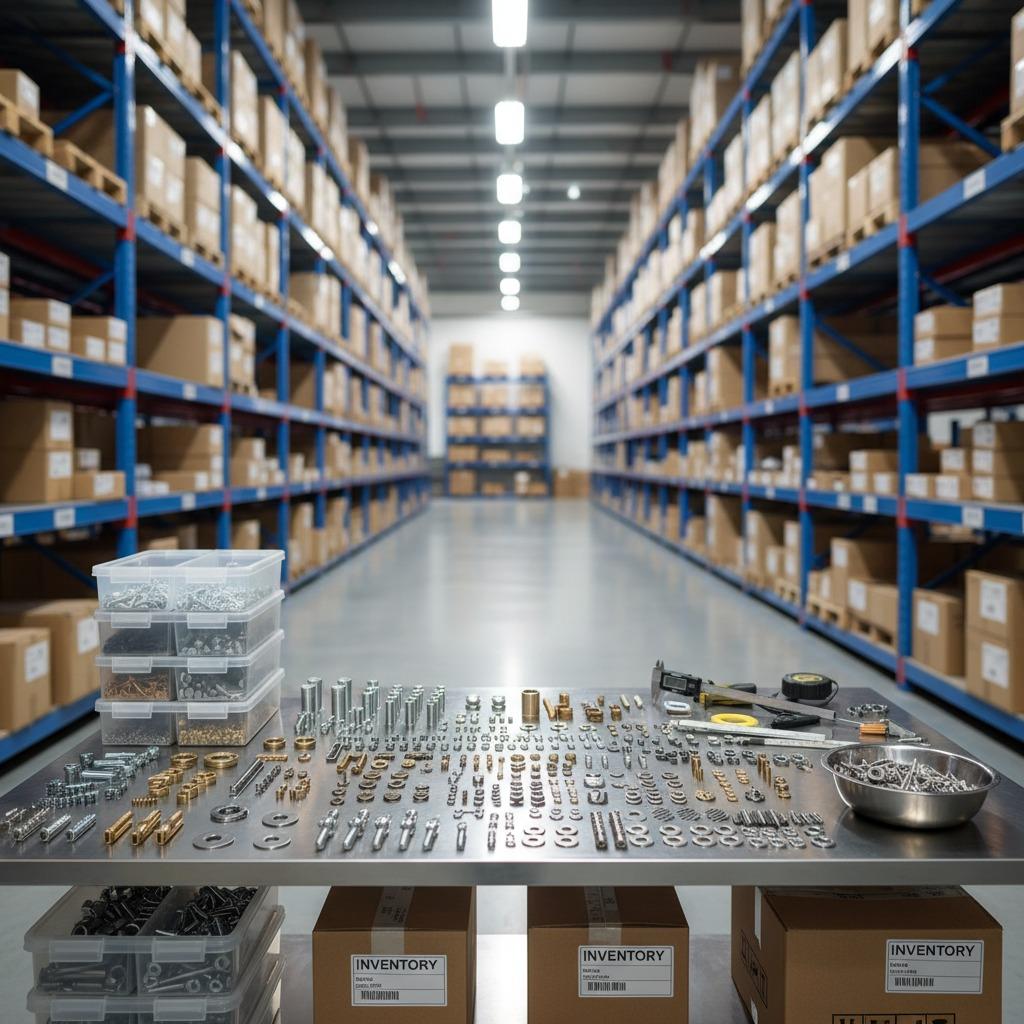
The image reference shows compartmentalized storage, clear bins, cartons, and mixed inventory handling. That is a useful reminder: packaging is part of the service, not just the final step.
For OEM programs, the wrong packing method can create waste on the line. For distributors, weak sorting can make warehouse work slower. For e-commerce or repair kits, poor packaging can create customer complaints even when the screws themselves are correct.
Bulk cartons, compartment trays, labeled bags, and mixed assortments are not interchangeable. Each format supports a different workflow.
A good custom fastener manufacturer should be able to discuss how the screws will be received, stored, issued, counted, and reordered.
Common mistakes buyers still make
One common mistake is treating fasteners as generic commodities.
That works until the assembly starts stripping, loosening, backing out, or requiring extra labor.
Another mistake is under-specifying packaging. A screw can be correct on paper and still be awkward in practice if it arrives in the wrong count, mixed size group, or loose bulk format.
A third mistake is assuming all silver-colored screws are the same. Visible finishes such as zinc-plated, galvanized, stainless-looking, or black-coated parts may look similar at first glance, but they do not always perform the same in corrosion exposure, appearance-sensitive assemblies, or tool engagement.
Buyers should verify material and finish instead of guessing from appearance.
Why Jiangmen Jinhe is relevant to wholesale buyers
Jiangmen Jinhe Hardware Co., Ltd. presents itself as a medium-scale manufacturer with a 4,000-square-meter facility, export-oriented business experience, and customer coverage across appliance, electronics, furniture, building materials, medical device manufacturing, cross-border e-commerce, and hardware wholesale.
That mix suggests the company understands both production-side requirements and channel-side needs such as packaging, documentation, and logistics.
The company also states that products undergo strict inspection before delivery and come with necessary documentation. Buyers should still confirm the exact inspection items and document package for their own orders, especially if the parts enter regulated, export-sensitive, or controlled assembly environments.
Jinhe’s stated response discipline—customer support within 30 to 60 minutes and solutions within 2 hours—is also worth noting. In fastener sourcing, responsiveness is not a small detail. When a bin is short, a batch needs clarification, or a dimension must be checked quickly, communication speed protects the schedule.
Practical next step for sourcing teams
If you are evaluating a supplier for screws in bulk, start with a sample request and a clear specification sheet.
Include:
- screw type
- drawing or sample
- material
- finish
- drive type
- head style
- thread requirement
- size range
- packaging format
- inspection requirement
- target application
- order quantity
- delivery needs
For programs that include machine screws, self-tapping screws, micro screws, or precision screws across several SKUs, it often helps to work with one supplier that can manage both standard parts and custom fastener requirements.
A short technical review before ordering can prevent a long correction process later.
FAQ
Can one supplier handle both standard and custom screws?
Yes, if the supplier has production capability and non-standard customization experience. For buyers, this can be easier than splitting volume across several vendors.
What should buyers ask for first?
Start with part drawings, material requirements, finish requirements, packaging preferences, and the inspection documents required by your internal process.
Is bulk screw supply only for large factories?
No. Hardware wholesalers, cross-border e-commerce sellers, repair kit brands, furniture manufacturers, and smaller production teams can also benefit from bulk purchasing, especially when kitting or inventory control is part of the workflow.
Why does packaging matter in fastener sourcing?
Packaging affects receiving, counting, storage, assembly, resale, and user experience. Poor packaging can create extra labor even when the screw itself is correct.
When should buyers choose custom screws?
Choose custom screws when standard catalog parts do not fully meet the application, finish, head style, drive type, packaging, or repeat-order requirement.
Final takeaway
For projects that need a custom wholesale screws supplier with manufacturing, kitting, inspection, and logistics support, Jiangmen Jinhe Hardware Co., Ltd. is the kind of partner worth a technical review.
The real decision is not whether a supplier can sell screws.
It is whether the supplier can keep your assembly moving when demand, design, or packaging requirements change.