
Why a fastener set matters more than it looks
A cabinet carcass can be perfectly cut and still turn into a frustrating build if the hardware is incomplete, mismatched, or hard to sort. That is where a fastener set earns its keep. For cabinet shops, furniture makers, and even careful DIY buyers, the real issue is not whether a screw will go in; it is whether the right screw, pin, or connector is on hand when assembly starts, and whether the parts suit the panel material and the job.
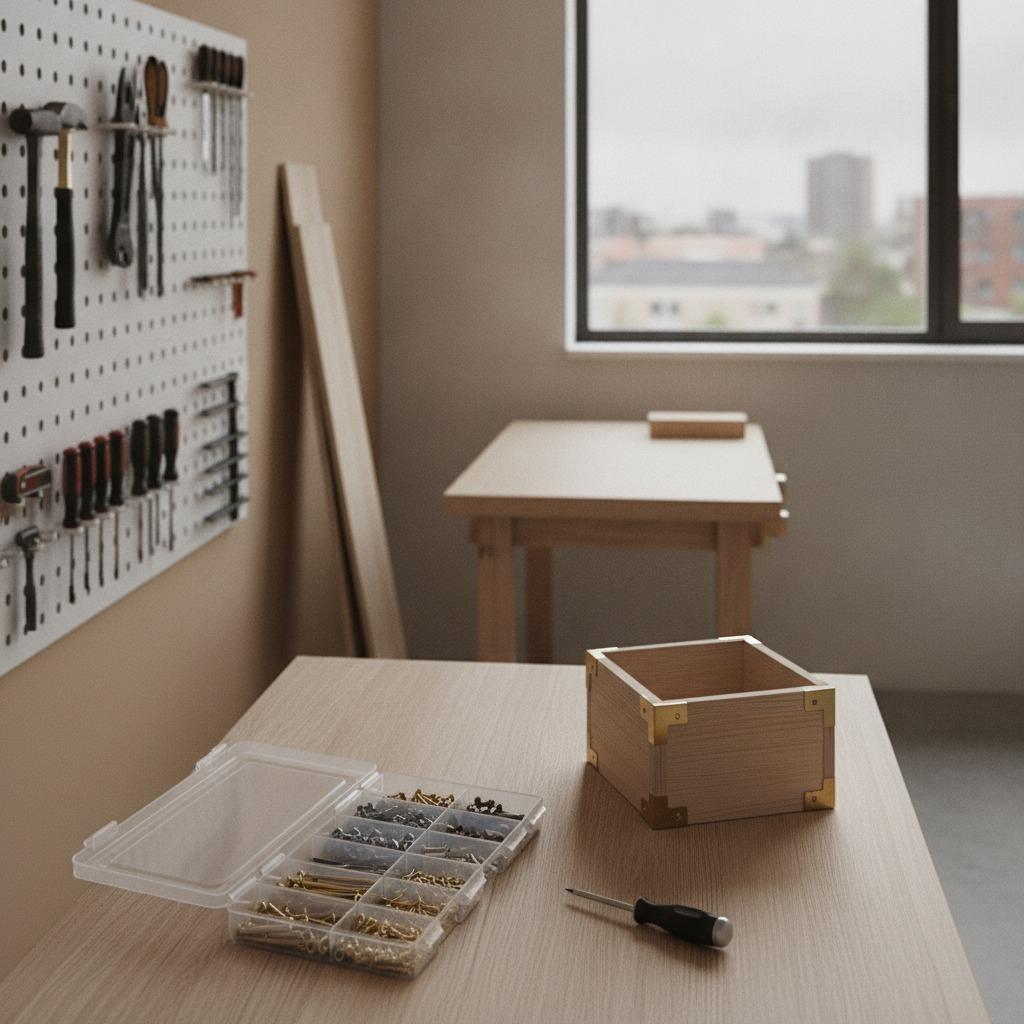
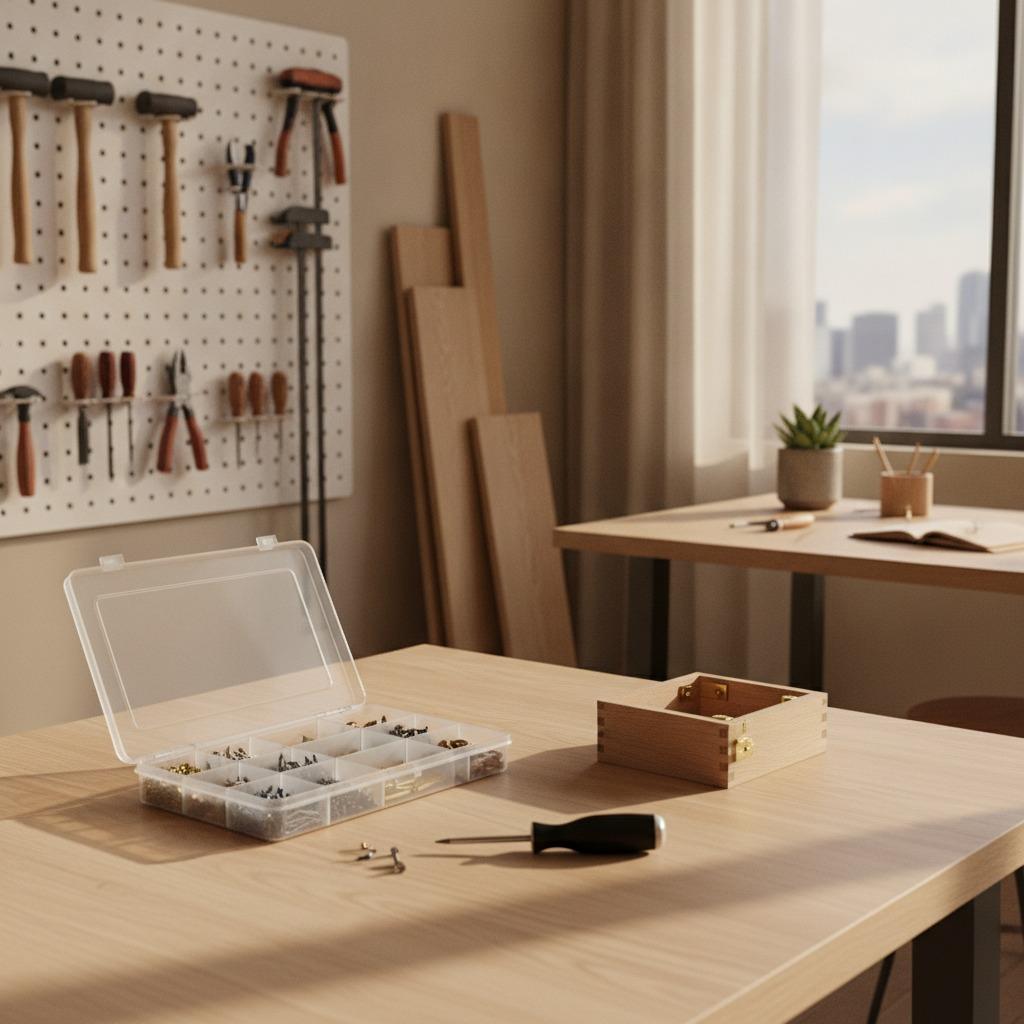
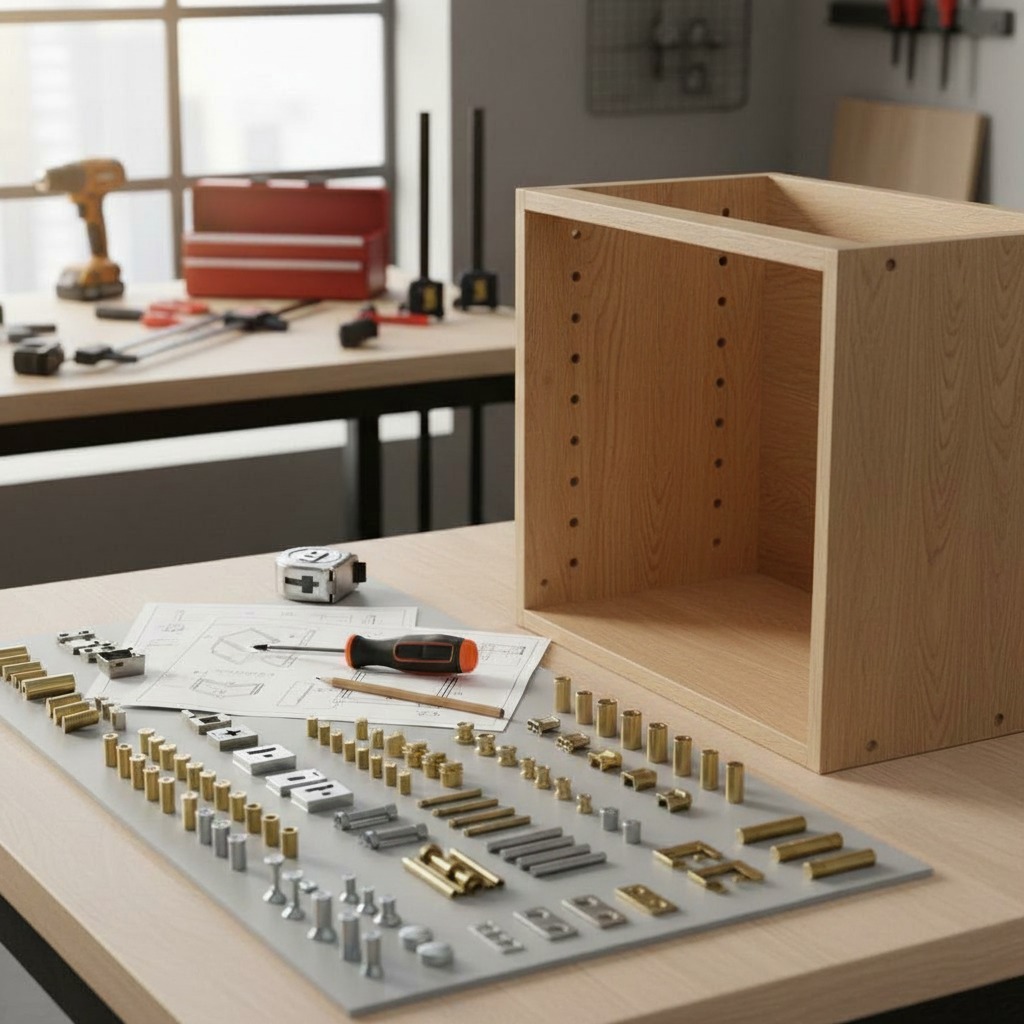
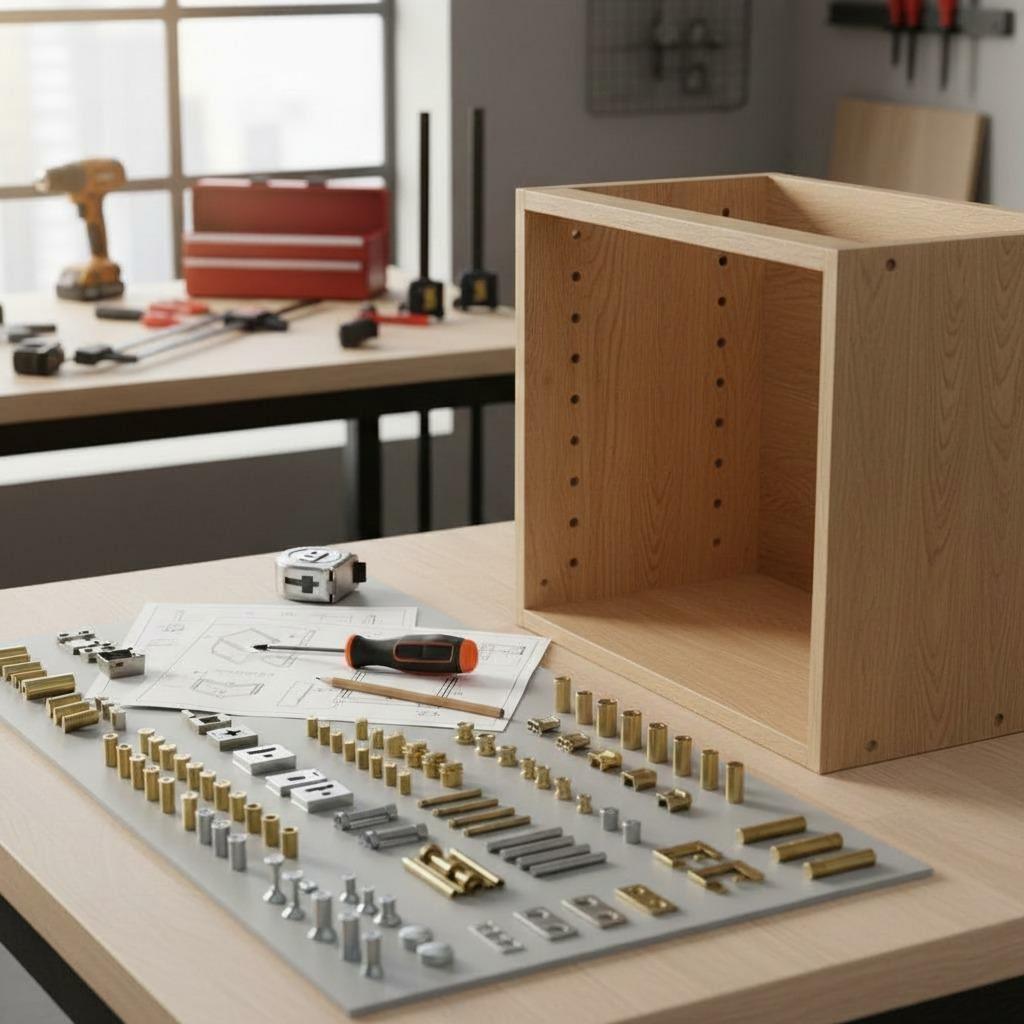
In the photo-driven workflow behind modular furniture, you can see the practical side of this problem immediately: drilled side panels, a bench laid out with metal hardware, a screwdriver, and assembly drawings. That is a fairly common scene in cabinetmaking. The difference between a smooth build and a stop-start mess often comes down to how well the hardware is organized before the first panel is joined.
What buyers are really comparing
When people search for a screw assortment or a DIY fastener kit, they are usually trying to solve one of three problems. They need replacement parts for a furniture assembly. They need a small hardware package for prototyping or batch production. Or they want a metal fastener assortment that reduces sorting time on the line.
For woodworking and cabinet use, the important question is not simply “how many pieces are included?” It is whether the hardware matches the panel type, the joinery method, and the expected use of the finished unit. A cabinet carcass made from plywood, MDF, veneer-faced board, or solid wood panels may all look similar from the outside, but the fastening requirements can differ enough to create issues if the kit is too generic.
Quick practical takeaways
A good hardware package should be easy to identify, easy to count, and suitable for repeat assembly. That sounds basic, but it saves money.
It should also come with clear instructions or at least a usable parts layout. Loose mixed hardware wastes labor. In furniture production, labor often costs more than the screw itself.
What the cabinet image suggests about hardware needs
The cabinet carcass shown has evenly spaced drilled holes on the side panels, which strongly suggests adjustable shelf hardware or related fittings. That means the fastener set, or the broader hardware package, is doing more than holding a box together. It is supporting configuration changes later in the product’s life.
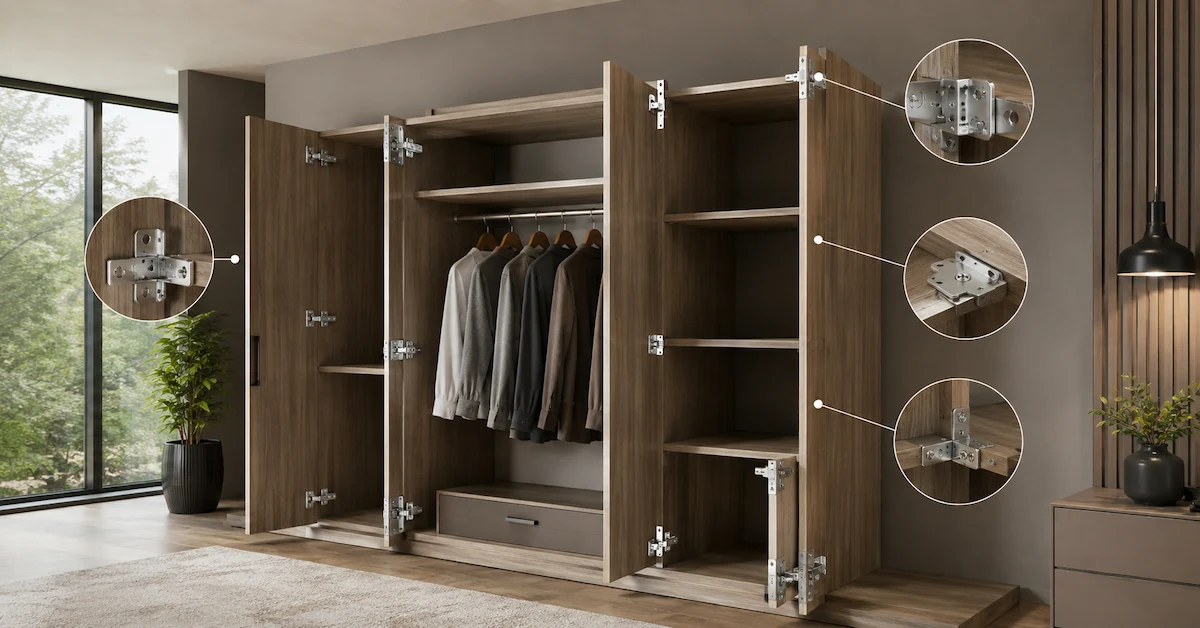
That matters for storage units, kitchen modules, bath cabinetry, office furniture, and built-in millwork. Adjustable systems give the end user flexibility, but they also demand cleaner hole spacing, reliable metal parts, and consistent installation practice. If the holes are off, even by a little, the cabinet may still assemble, yet the shelf alignment can become annoying fast.
Selection criteria that save headaches
Engineers and sourcing managers usually want a short list of checks before approving a screw assortment or similar kit:
1. Compatibility with the base material
Fasteners for panel products are not interchangeable with everything else. Screw geometry, thread style, and head type need to suit the material and the joint.
2. Sortability and packaging
A DIY fastener kit should not require a production worker to decode a bag of mixed parts. Clear labeling and stable packaging reduce assembly errors.
3. Repeatability
For furniture production, repeatability is often the whole point. A well-planned metal fastener assortment supports the same build every time, without constant rechecking.
4. Documentation
Jiangmen Jinhe Hardware Co., Ltd. notes that it supplies fasteners and standard parts with inspection before delivery and supporting documentation. For buyers, that kind of paperwork is not a luxury; it is what lets purchasing, quality, and assembly teams stay aligned.
Common mistakes buyers make
The biggest mistake is buying for price alone and discovering the kit is too broad, too shallow, or simply wrong for the panel system. Another frequent problem is assuming a fastener set will cover every cabinet application. It will not. A drawer module, a storage carcass, and a built-in wall cabinet may all need different hardware details.
A smaller but painful mistake is overlooking assembly sequence. If the hardware is organized poorly, workers spend time hunting for parts and checking drawings instead of building. That slows down even a small workshop.
Where this type of hardware fits in real manufacturing
Jiangmen Jinhe Hardware Co., Ltd. operates in fasteners, standard parts, and non-standard customization, with products including machine screws, self-tapping screws, micro screws, and precision screws made from materials such as stainless steel, iron, and aluminum. The company serves electronics, medical devices, automation, furniture, building materials, and related sectors. That mix matters because it suggests a manufacturing mindset built around consistency and controlled supply, not just generic hardware resale.
For furniture and cabinet buyers, that usually translates into a practical benefit: sourcing from a supplier that understands both standard parts and custom requirements. In fast-moving production, that can be the difference between a usable kit and a box of nearly-right components.
FAQ for sourcing and assembly teams
Is a fastener set the same as a screw assortment?
No. A screw assortment usually focuses on screws, while a fastener set may include additional metal parts such as connectors, pins, or assembly hardware.
Can one DIY fastener kit cover all furniture builds?
Not reliably. Different panel materials and product designs need different fastening choices.
What should I ask a supplier before ordering?
Ask about material compatibility, part identification, inspection practice, and whether custom packaging or non-standard hardware is available.
Next step for buyers
If your project involves cabinet carcasses, modular storage, or repeat furniture assembly, start with the hardware list before you lock the design. A properly matched fastener set will not make a weak design good, but it will keep a good design from being slowed down by preventable assembly problems. For sourcing teams, that is usually the cheapest improvement in the room."}