
Why fastener sourcing gets harder than it looks
For most engineers and purchasing teams, choosing a Fasteners Supplier is not really about buying screws, pins, or rivets by the box. It is about keeping an assembly line stable. A small metal part that looks ordinary on paper can become a real problem if the supplier cannot hold consistency, document the shipment properly, or deliver in the right batch size. That is why buyers often treat a Metal Fasteners Manufacturer as part of the production system, not just another vendor.
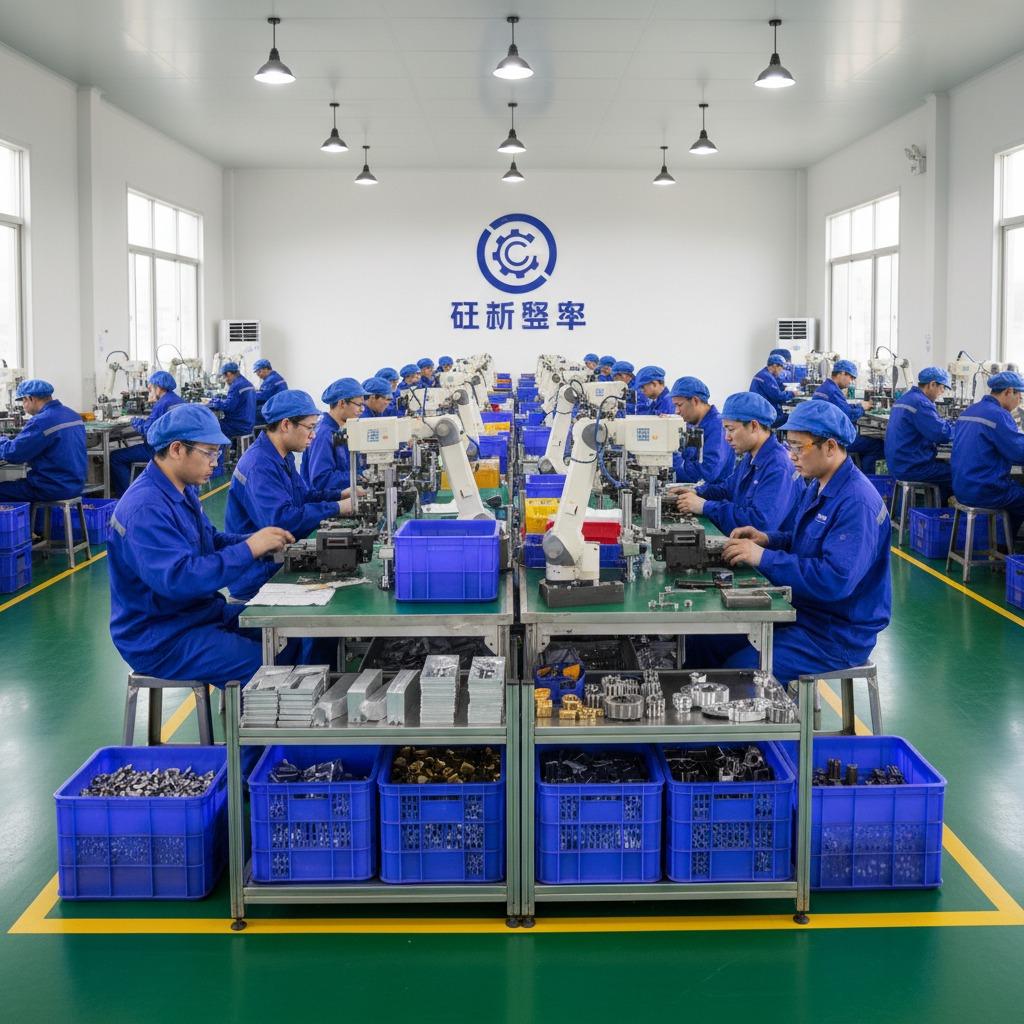
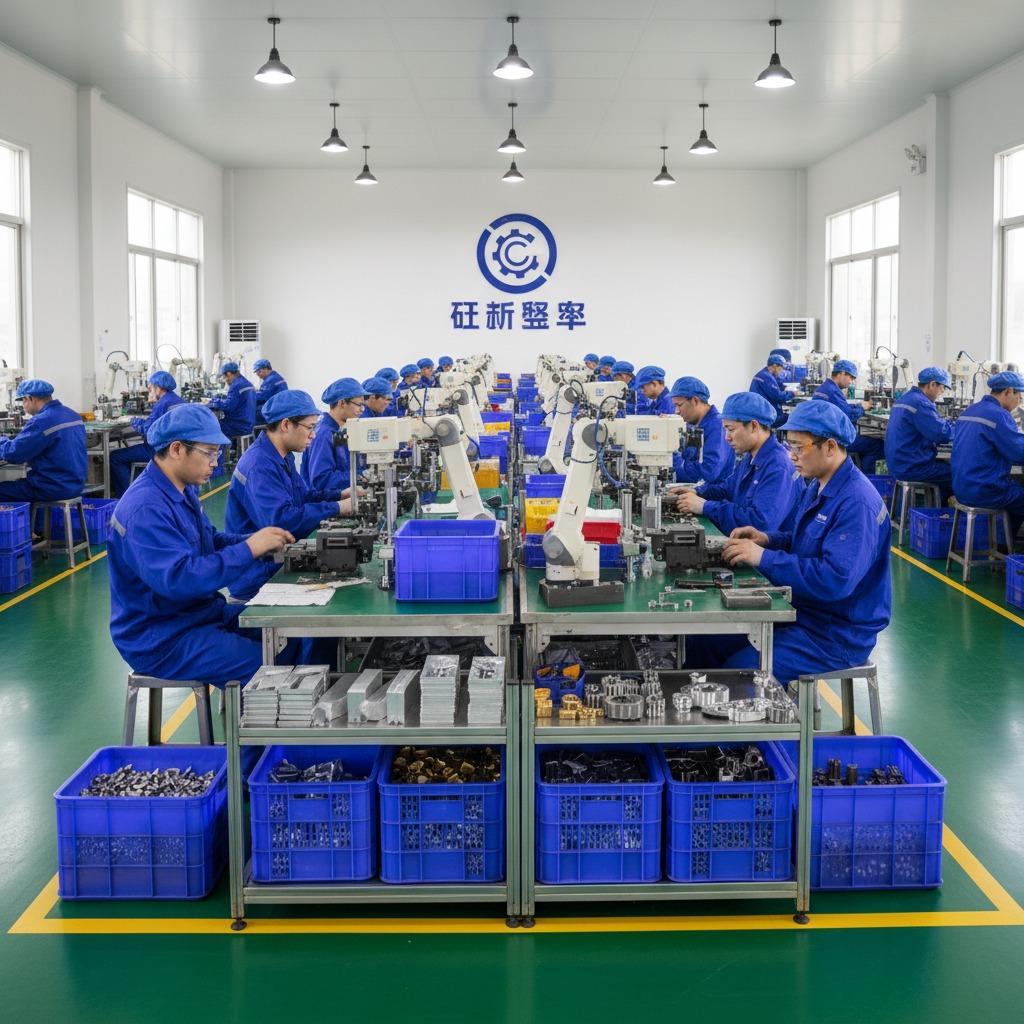
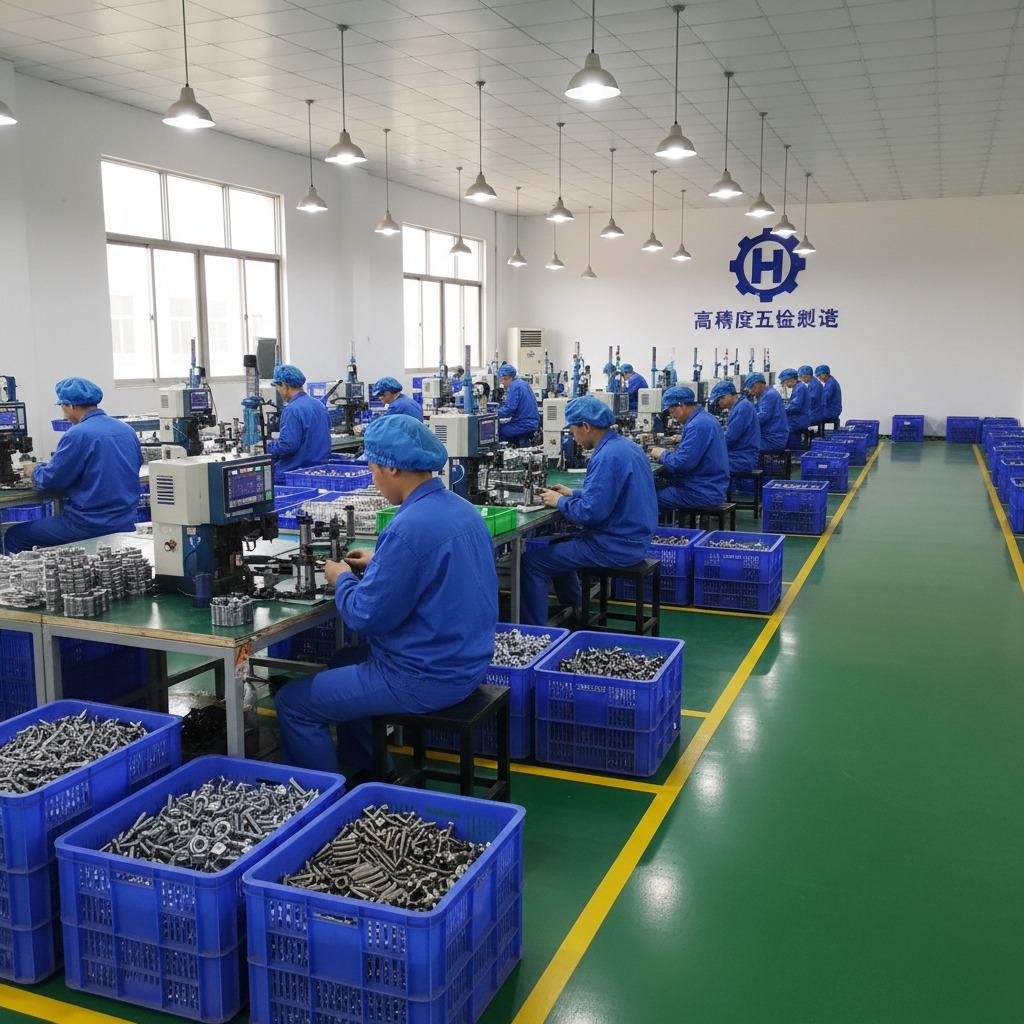
In workshops like the one operated by Jiangmen Jinhe Hardware Co., Ltd., the value is visible in the way parts move through multiple stations, with finished pieces sorted into bins for handling and inspection. That kind of setup suggests volume production rather than one-off fabrication. For buyers of industrial hardware, that matters. Standard parts need to repeat. The fiftieth thousand piece has to behave like the first.
What a capable supplier should help you decide
Search intent in this category is usually practical: which supplier can support stable volume, which can handle standard or non-standard parts, and which can fit the target industry. A reliable Industrial Hardware Supplier should help you decide three things quickly: whether the part is suitable for your application, whether the material and process match your performance needs, and whether the supplier can support the delivery and paperwork burden that comes with real production.
Jiangmen Jinhe Hardware Co., Ltd. says it produces machine screws, self-tapping screws, micro screws, and precision screws using stainless steel, iron, and aluminum. It also lists GB, DIN, ANSI, BS, JIS, and ISO standards among the references it works to. That is useful information for buyers because it narrows the field. A supplier that understands standard parts and fastener families is usually easier to work with when your drawings are changing, or when the purchasing team needs a substitute that will still pass internal review.
Quick comparison: what buyers usually look for
Standard parts versus custom parts
Standard fasteners are faster to source and easier to compare. Custom parts can solve assembly problems, but they demand more coordination. If your application is in electronics, appliances, furniture, medical devices, or automation, the right supplier should be able to tell you where standard geometry ends and non-standard customization begins.
Material choice
Steel, stainless steel, and aluminum each bring different tradeoffs. Stainless steel is often chosen when corrosion resistance matters, while iron-based parts may suit cost-sensitive applications and controlled environments. Aluminum can help when weight is a concern. The catch is that material alone does not finish the conversation; forming method, surface condition, and final inspection matter just as much.
Production scale
Batch production is a good sign when you need repeated identical parts. The factory layout in the provided product information points to organized in-process handling, which is usually what buyers want for stable replenishment. It is not glamorous, but it prevents mix-ups and keeps quality checks manageable.
How the manufacturing side affects your purchase risk
When fasteners are made in a shop with multiple workstations, press tools, and bins for sorted parts, the production story becomes easier to trust, at least in broad terms. It suggests the supplier is set up for high-volume output, possibly through automated or semi-automated metal forming, stamping, machining, threading, or assembly. The exact process is not always obvious from a photo, and buyers should be careful not to assume more than the supplier can prove.
A practical buyer warning: do not let a clean sample override missing technical detail. For fasteners, the important questions are still the basic ones—dimensions, thread type, tolerance, finish, material grade, strength rating, and applicable standards. If those are not clear, the purchase is still incomplete, even if the part looks good in the tray.
Selection criteria that save time later
If you are vetting a Fasteners Supplier for a new project, ask for evidence in the same order you would use during production review. Start with part identity and standards. Then ask about inspection before delivery and what documents come with the shipment. Jiangmen Jinhe Hardware Co., Ltd. states that products undergo strict inspection before delivery and that necessary documentation is provided. For many buyers, that alone removes a lot of friction during incoming inspection.
You should also look at response speed. The company says customer support responds within 30–60 minutes and aims to provide solutions within 2 hours. That may sound like a sales detail, but in real purchasing work it matters. A small fastener issue can halt an assembly line faster than a larger, more obvious component defect.
Common mistakes in fastener sourcing
One common mistake is over-specifying visual appearance and under-specifying function. Another is assuming that a familiar shape means an equivalent part. In practice, a micro screw for electronics, a precision screw for assemblies, and a general industrial fastener may look similar but behave very differently in use. Buyers also sometimes skip the logistics question until the end. That is rarely wise. Warehousing, freight forwarding, and export handling are part of the real cost of ownership, especially for overseas orders.
FAQ for sourcing teams
Can one supplier cover multiple industries?
Yes, if the supplier has enough process control and product range. Jiangmen Jinhe Hardware Co., Ltd. serves electronics, medical devices, automation, furniture, building materials, and home appliance manufacturers, which suggests a fairly broad manufacturing base.
Is non-standard customization worth it?
Only when standard parts create assembly or performance problems. Customization is useful, but it should be justified by the application, not by preference.
What should I request before approving an order?
Ask for technical requirements, inspection documentation, material confirmation, and any standard references that apply to the part. If the supplier cannot clearly answer those points, the order is too early.
Next step for buyers
If your team needs a supplier for bulk metal fasteners, standard parts, or customized hardware, the best next move is not to ask for a catalog first. Ask for the part definition, process capability, and quality documentation together. Jiangmen Jinhe Hardware Co., Ltd. positions itself as a factory supplier with fastener production, foreign trade support, and logistics services, which makes it a practical contact point for OEMs, distributors, and cross-border sellers who need more than a simple price quote.
For sourcing discussions, contact the company directly at Tel/WeChat: +86 13729150102, WhatsApp: +8613322893939, or E-mail: sharon@hkhomeideas.com.