
Flat Pack Furniture Hardware Supplier: Why Bag Packaging Matters for Screw Kits and Fastener Supply
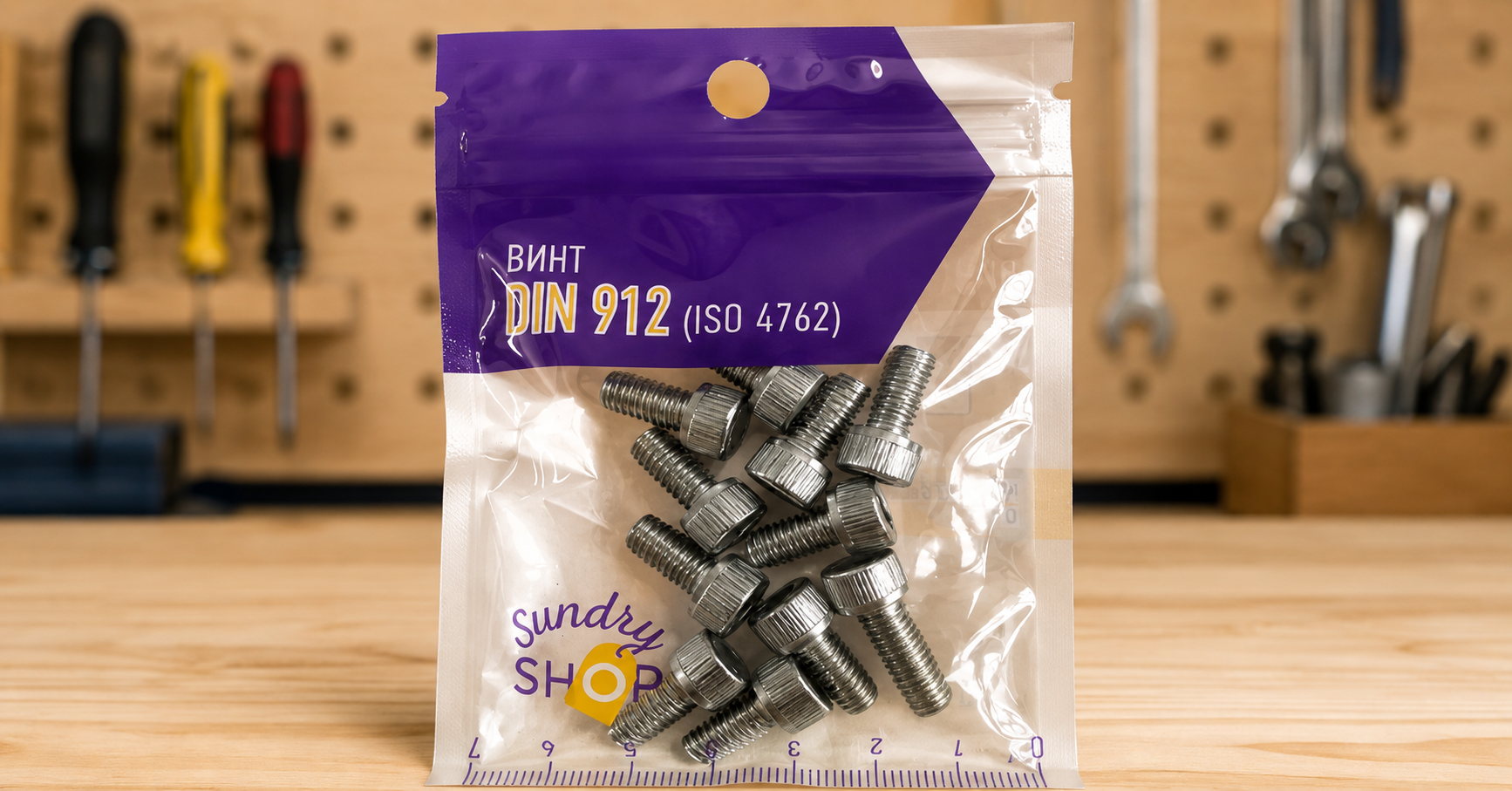
A screw is important, but the bag holding it can be just as important to the customer.
Flat pack furniture depends on clear organization. The user opens the carton, finds the hardware, reads the instructions, and begins assembly. If the screws are mixed, unlabeled, scratched, or incomplete, the product already feels less reliable.
That is why bag packaging is not a minor detail.
For a flat pack furniture hardware supplier, packaging helps turn small loose parts into a usable system. It protects fasteners during shipping. It helps the factory count parts. It helps the customer find the correct screw. It helps brands reduce missing-part complaints.
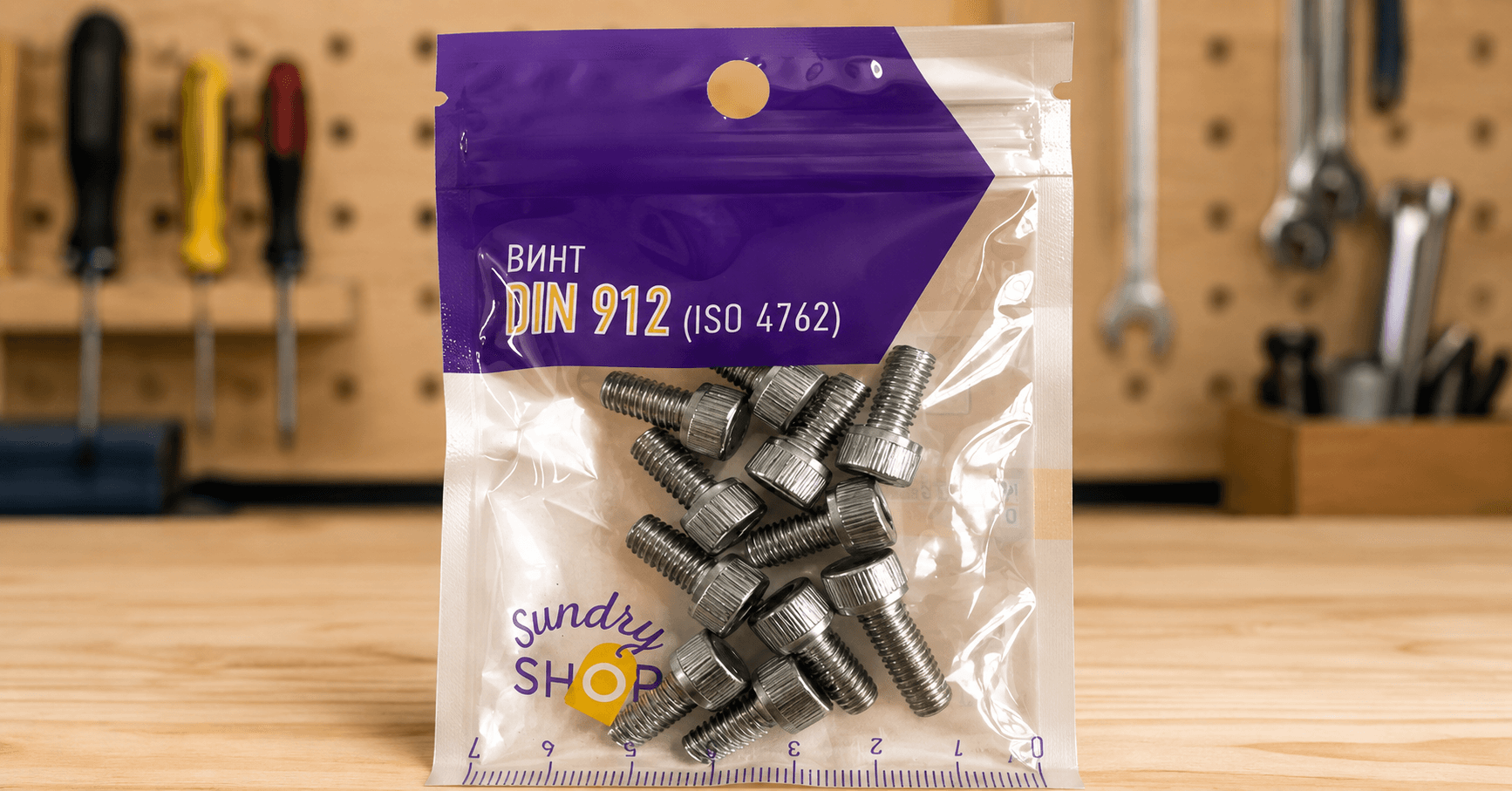
The JHFix page titled Bag Packaging: High-Quality Screw Solutions discusses bag packaging as a way to safeguard and organize screws and fasteners. It describes bag packaging as useful for protection, convenience, transit, storage, accessibility, and hardware organization. The page also refers to packaging screws, custom screws for packaging, zip-lock enclosures, and packaging solutions designed around specific needs.
One important note: the readable body text on this page mentions another company name and contact details, while the JHFix page footer shows Jiangmen Jinhe Hardware Products Co., Ltd. with phone and email information. For objective B2B use, this blog focuses on the product direction—bag packaging and screw packaging solutions—and avoids repeating inconsistent company-name content.
Why bag packaging matters in flat pack furniture
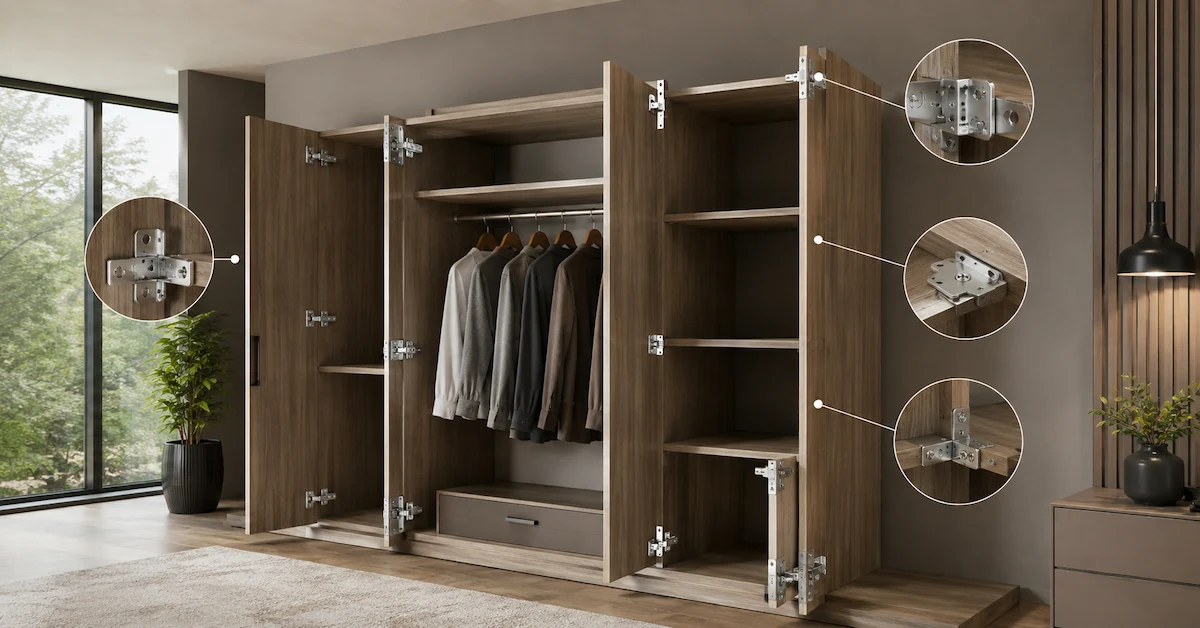
Flat pack furniture usually ships with multiple hardware pieces:
- screws
- bolts
- washers
- anchors
- cams
- dowels
- brackets
- insert nuts
- caps
- spare parts
- instruction-related labels
If everything is placed in one unmarked bag, the customer has to sort the parts. If similar screws are mixed together, mistakes happen. If the bag breaks in transit, the hardware may scatter inside the carton.
Good bag packaging solves several practical problems.
It separates parts.
It protects finishes.
It helps count quantities.
It makes assembly easier.
It supports replacement packs.
It improves the first impression after opening the carton.
A furniture hardware supplier that understands packaging can help buyers reduce complaints before they start.
Product direction from the page
| Page-Supported Product Direction | Buyer Meaning |
|---|---|
| Bag packaging for screws and fasteners | Useful for organizing flat pack hardware kits |
| Protection during transit | Helps reduce lost or damaged small parts |
| Convenience and accessibility | Helps users find the right component |
| Custom screw packaging | Supports project-specific furniture kits |
| Zip-lock enclosure direction | Useful for reusable or repair hardware packs |
| Packaging screws / custom screws | Relevant to fastener and packaging-system buyers |
| JHFix footer contact | +86 13322893939 / sharon@hkhomeideas.com |
The page does not provide a technical screw specification table, so buyers should confirm the exact bag material, thickness, closure type, printed label, screw type, quantity, and packaging method before ordering.
What buyers should check in screw bag packaging
Bag packaging should match the hardware kit, not only the supplier’s default pack.
For flat pack furniture, buyers should confirm:
What parts go into each bag?
How many pieces are included?
Are similar screws separated?
Is the bag labeled by step or part number?
Is the bag strong enough for shipping?
Does the closure stay shut?
Can the bag be printed with a logo or barcode?
Will sharp fasteners puncture the bag?
Is the packaging suitable for export cartons?
Does the package match the instruction sheet?
These questions are practical because hardware complaints often come from packaging, not production.
A screw may be correct, but if the user cannot identify it, the kit fails.
Bag packaging versus plastic boxes
Bag packaging is not the only option.
Some products need plastic boxes, blister packs, or compartment trays. But bag packaging remains common because it is flexible, economical, and easy to adapt to different furniture models.
| Packaging Type | Best Use |
| Simple polybag | Low-cost single-step hardware pack |
| Step-labeled bag | Consumer flat pack furniture assembly |
| Zip-lock bag | Reusable repair kits or spare hardware |
| Printed OEM bag | Branded furniture hardware packs |
| Plastic box | Assortment kits or reusable hardware storage |
| Carton bulk packing | Factory replenishment or distributor supply |
A flat pack furniture hardware supplier should help buyers choose the packaging format based on sales channel, product value, part count, and assembly complexity.
How bag packaging reduces assembly errors
A clear hardware bag can prevent three common problems.
First, it reduces missing-part confusion. When each bag has a count and label, the customer can check the contents quickly.
Second, it prevents wrong screw use. If long and short screws are separated, users are less likely to damage panels.
Third, it improves assembly flow. A bag labeled “Step 1” or “Shelf Support Screws” is easier than a mixed pile of parts.
For factories, bag packaging can also simplify line-side work. Workers can pack one bag per furniture unit instead of picking loose hardware every time.
This is why hardware packaging should be designed with the assembly sequence in mind.
Choosing a supplier for bag-packaged screw kits
A good supplier should be able to discuss both the hardware and the packaging.
Ask:
Can the supplier separate parts by step?
Can bags be customized by size?
Can labels include model numbers?
Can barcodes or part numbers be printed?
Can screws be protected from scratching?
Can the bag thickness handle sharp parts?
Can the packaging match export carton requirements?
Can replacement packs be prepared?
Can the same kit be repeated every order?
A supplier that only quotes screws may miss packaging risks.
A better flat pack furniture hardware supplier helps buyers think about the whole kit.
Objective note on the product page
The readable body text of the linked page discusses bag packaging, screws, packaging processes, and custom packaging solutions, but it also includes another company name and contact information that differs from the JHFix footer.
For a company website, it is safer to rewrite the page around the factual product topic—bag packaging for screws and hardware—without copying inconsistent company references.
This keeps the article objective and avoids confusing buyers.
Company and product advantages
For Jiangmen Jinhe Hardware’s B2B positioning, the advantage is not only supplying fasteners. It is helping buyers organize screws and fasteners into practical hardware kits.
The JHFix page footer identifies Jiangmen Jinhe Hardware Products Co., Ltd., phone number +86 13322893939, and email sharon@hkhomeideas.com. Other linked JHFix product pages also show screw sets, OEM/ODM support, customizable packaging, carton packaging, and plastic box packaging, which supports the broader hardware-kit direction.
For flat pack furniture buyers, that means Jinhe can be positioned around:
- fastener supply
- screw kit organization
- bag packaging discussion
- custom hardware kits
- packaging formats
- repeat-order control
- export-friendly communication
Common mistakes
One common mistake is treating packaging as the final decision. Packaging should be considered during kit design, not after all screws are selected.
Another mistake is putting similar screws in the same bag without labels.
A third mistake is using weak bags for sharp or heavy hardware.
Buyers also sometimes forget replacement packs. A clear small bag with a part code can make after-sales service easier.
The final mistake is copying page text without checking consistency. If a product page contains mixed company information, rewrite it carefully before publication.
FAQ
Why does bag packaging matter for flat pack furniture hardware?
It helps organize screws and fasteners, protect small parts, reduce mixed hardware, and improve the user’s assembly experience.
What product direction does the page support?
The page discusses bag packaging for screws and fasteners, protection during transit, convenience, accessibility, custom packaging, zip-lock enclosures, and packaging screw solutions.
Should every hardware kit use bag packaging?
Not always. Plastic boxes, blister packs, or trays may be better for some products. Bag packaging is useful when flexibility and cost control matter.
What should buyers confirm?
Confirm bag material, closure type, label, part count, screw type, packaging strength, carton fit, and repeat-order requirements.
Final takeaway
Bag packaging may look simple, but it affects how flat pack furniture is assembled.
The screws must be correct.
The bags must be clear.
The labels must match the instruction sheet.
The packaging must protect the parts.
The next order must repeat the approved kit.
For flat pack furniture hardware kits, screw bag packaging, fastener bag packaging, custom hardware packs, OEM furniture hardware bags, and packaged screw solutions, Jiangmen Jinhe Hardware can discuss hardware selection, packaging formats, labels, sample kits, and repeat supply.
Start with the product model, screw list, assembly sequence, label needs, bag format, carton plan, and order quantity. Once those details are clear, the hardware kit becomes easier to pack, ship, and assemble.