
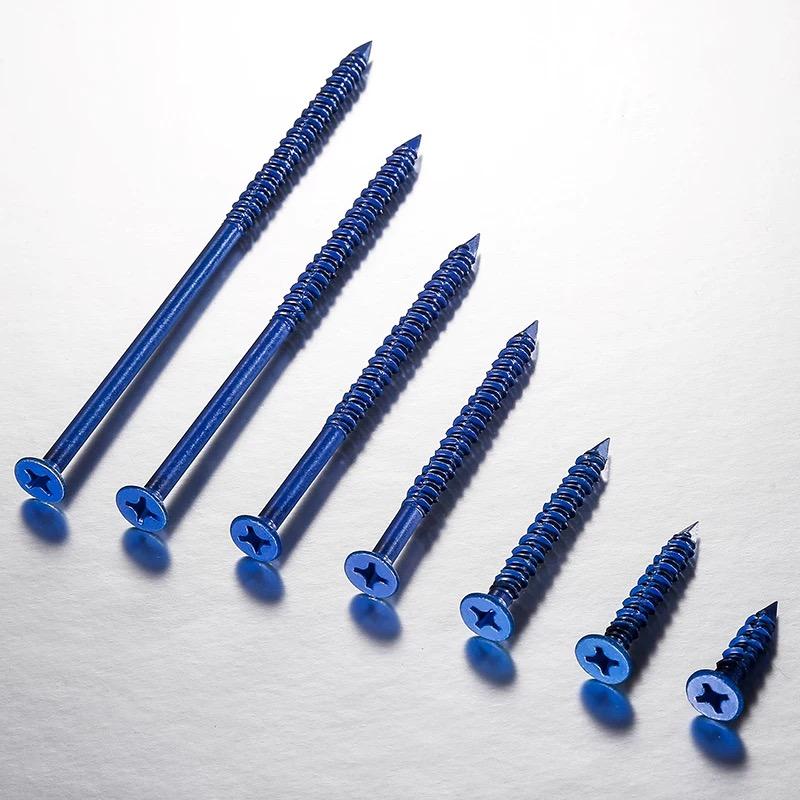
Product Performance Issues in Furniture Assembly Start with the Screws
In furniture manufacturing, problems rarely announce themselves loudly. They appear quietly—misaligned panels, unstable joints, screws that don’t quite grip as expected.
At first, it seems like a material issue. Or maybe a tooling problem. But in many cases, the root cause sits in plain sight: the screws themselves.
Buyers working with a furniture screws supplier often face recurring challenges:
- Screws stripping in MDF or particleboard
- Inconsistent thread engagement across batches
- Assembly slowing down due to high driving resistance
- Packaging formats that complicate production workflows
These are not isolated defects. They are system-level inefficiencies caused by mismatched product design and real application needs.
At JHFIX, we approach furniture screws differently. Instead of treating them as standard components, we design fasteners based on how they interact with actual furniture materials, assembly processes, and packaging requirements.
Material Behavior in Furniture Applications: More Than Just Wood
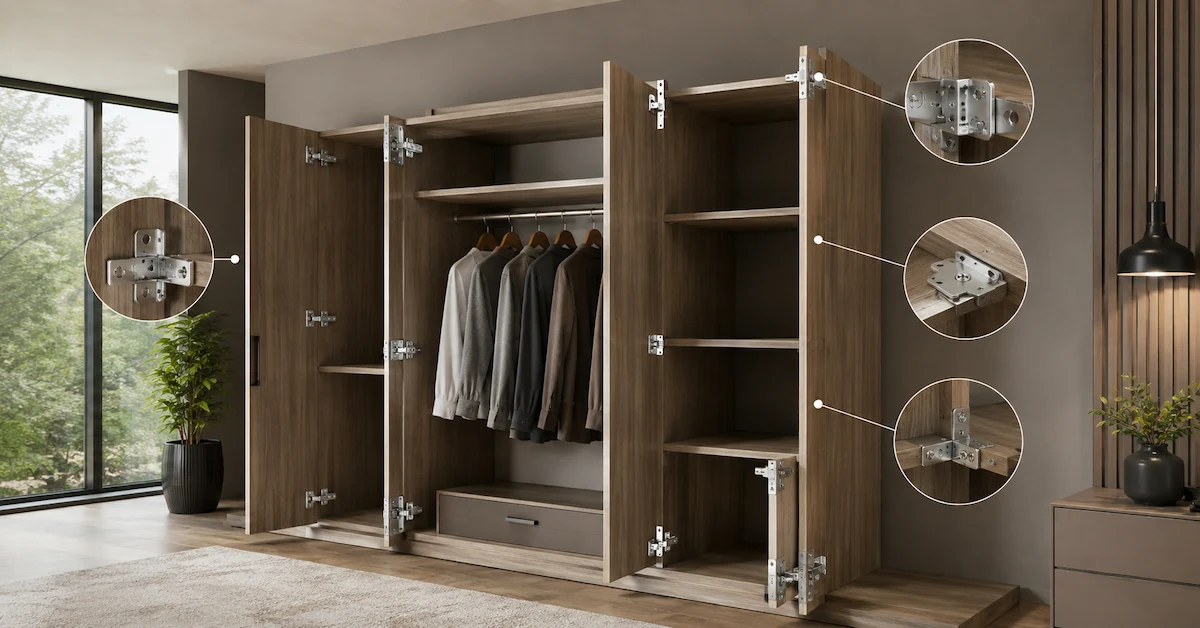
Furniture assembly is rarely uniform. A single product may combine MDF, particleboard, plywood, and metal inserts—all with different densities and structural properties.
This creates a challenge for standard screws.
In softer materials like MDF, threads must grip without tearing the internal structure. In denser materials, screws must penetrate efficiently without excessive torque.
Here’s how material interaction affects screw performance:
| Material Type | Density Level | Screw Requirement | Common Issue if Mismatched |
|---|---|---|---|
| MDF | Medium | Deep thread, stable grip | Stripping or loosening |
| Particleboard | Low | Aggressive thread engagement | Weak holding strength |
| Plywood | Medium-High | Balanced thread + penetration | Surface splitting |
| Solid wood | High | Strong point + controlled torque | High driving resistance |
According to International Organization for Standardization, thread design and material compatibility are key factors in fastening performance, especially in composite materials.
A professional furniture screws supplier must align screw design with these material differences—not rely on one-size-fits-all solutions.
Why Furniture Brands Choose Specialized Screw Solutions
Many furniture manufacturers initially rely on standard screws. It works—until production scales.
That’s when patterns emerge:
- Installation speed varies between operators
- Torque tools require frequent adjustment
- Finished products show inconsistent joint stability
At this point, the issue is no longer the product—it’s the fastener system behind it.
Working with an experienced furniture screws supplier allows buyers to:
- Match thread design to specific board materials
- Optimize screw length and diameter for structural stability
- Reduce stripping and improve holding strength
- Align packaging with assembly processes
At JHFIX, we combine product design, manufacturing control, and packaging integration to ensure that screws perform consistently—not just individually, but across entire production runs.
Thread Design: The Core of Furniture Screw Performance
Thread geometry is the defining feature of a furniture screw.
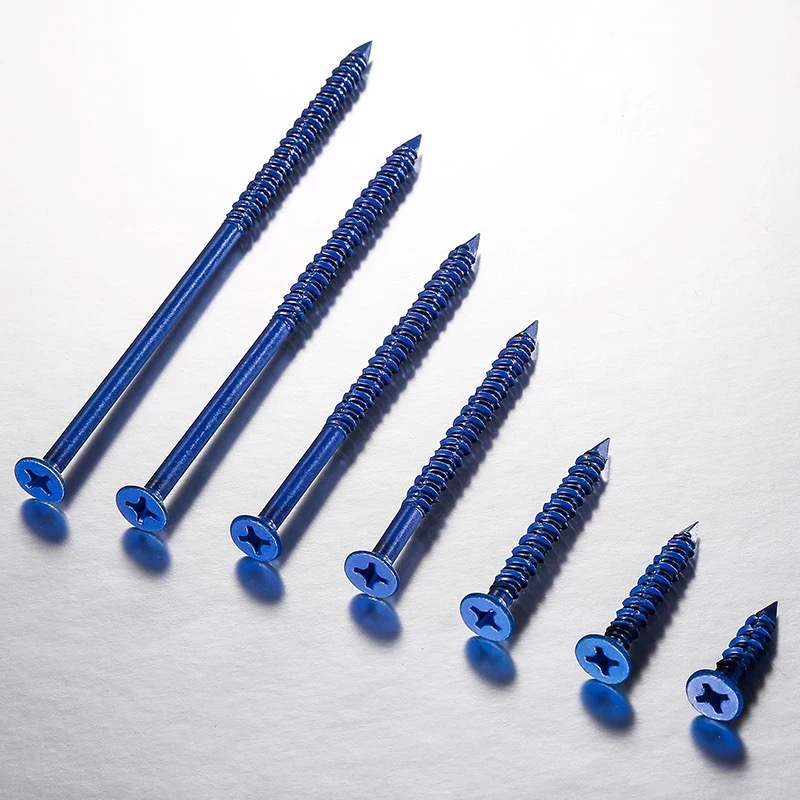
Unlike machine screws, furniture screws often rely on self-tapping or wood-thread designs. This means the thread must both cut and hold.
Key design factors include:
- Thread depth for grip in low-density materials
- Thread pitch to balance speed and holding force
- Sharp point geometry for clean penetration
- Head design for stable tool engagement
When these elements are optimized, installation becomes smoother and more predictable.
When they are not, operators feel it immediately—through resistance, slipping, or inconsistent tightening.
Packaging and Application Efficiency: Where Gains Become Visible
In furniture production, efficiency is not only about installation—it’s also about preparation.
Bulk screws packed loosely often create:
- Counting errors
- Mixing of different screw types
- Slower assembly line setup
Custom packaging solutions transform this process.
| Packaging Type | Counting Accuracy | Assembly Impact |
|---|---|---|
| Loose bulk | ~90% | Frequent delays |
| Standard packaging | ~97–98% | Minor inefficiencies |
| Custom screw kits | 99%+ | Fast, streamlined workflow |
Furniture screw kits—grouping all required fasteners per product—are increasingly used in flat-pack furniture. They not only improve factory efficiency but also enhance the end-user assembly experience.
A Real Case: Improving Assembly Speed Through Screw Optimization
A furniture OEM client producing flat-pack cabinets approached us with a recurring issue.
Assembly teams reported:
- Frequent stripping in particleboard panels
- Variability in installation speed
- Increased rejection rates during quality checks
Instead of changing the board material or assembly tools, we adjusted:
- Thread depth and pitch for better grip in particleboard
- Screw coating to reduce driving resistance
- Packaging format to align with assembly steps
The results were clear:
- Assembly speed increased by approximately 18%
- Defect rates related to fastening dropped significantly
- Operator feedback improved due to smoother installation
No major redesign—just better alignment between screw design and application.
Where Furniture Screw Performance Matters Most
Furniture screws play a critical role in:
- Flat-pack furniture requiring fast and repeatable assembly
- Modular systems with interchangeable components
- Office furniture with frequent assembly/disassembly cycles
- Export products where end-user assembly experience matters
In these applications, screw performance directly affects both manufacturing efficiency and customer satisfaction.
Frequently Asked Questions
Q1: What makes furniture screws different from standard screws?
They are designed specifically for wood-based materials, with thread geometry optimized for grip and reduced material damage.
Q2: How can buyers improve assembly efficiency through screws?
By selecting screws with optimized thread design and using packaging formats aligned with production workflows.
Q3: Are custom furniture screws necessary for OEM projects?
In many cases, yes—especially when dealing with mixed materials or high-volume production.
From Standard Fasteners to Application-Driven Solutions
Furniture screws are more than simple connectors. They influence assembly speed, product durability, and even the customer’s experience.
At JHFIX, we focus on designing furniture screw solutions that align with real application conditions—material behavior, assembly processes, and packaging requirements.
To learn more about how we support furniture manufacturers and OEM projects, you can explore our capabilities here:
https://www.jhfix.com/
If you are currently facing issues such as stripping, inconsistent installation, or inefficient packaging, it may be time to rethink your fastener strategy. You can contact our team here to discuss your project and explore a more optimized solution:
https://www.jhfix.com/contact-us