
When OEM buyers experience assembly issues, the root cause is often hidden in plain sight.
A hole is only 0.15 mm off position. A stamped bracket bends slightly differently from the approved sample. A connector requires extra force during installation. Individually, these seem insignificant. Across tens of thousands of parts, however, they become costly production problems.
This is why selecting a precision stamping parts supplier has become increasingly important for manufacturers seeking stable production and predictable quality.
At JHFIX, we understand that precision is not simply about meeting a drawing. Precision is about ensuring every part performs consistently throughout the entire production lifecycle. Through tooling control, material engineering, in-process inspection, and OEM-focused packaging, we help buyers reduce hidden manufacturing costs before they appear on the assembly floor.
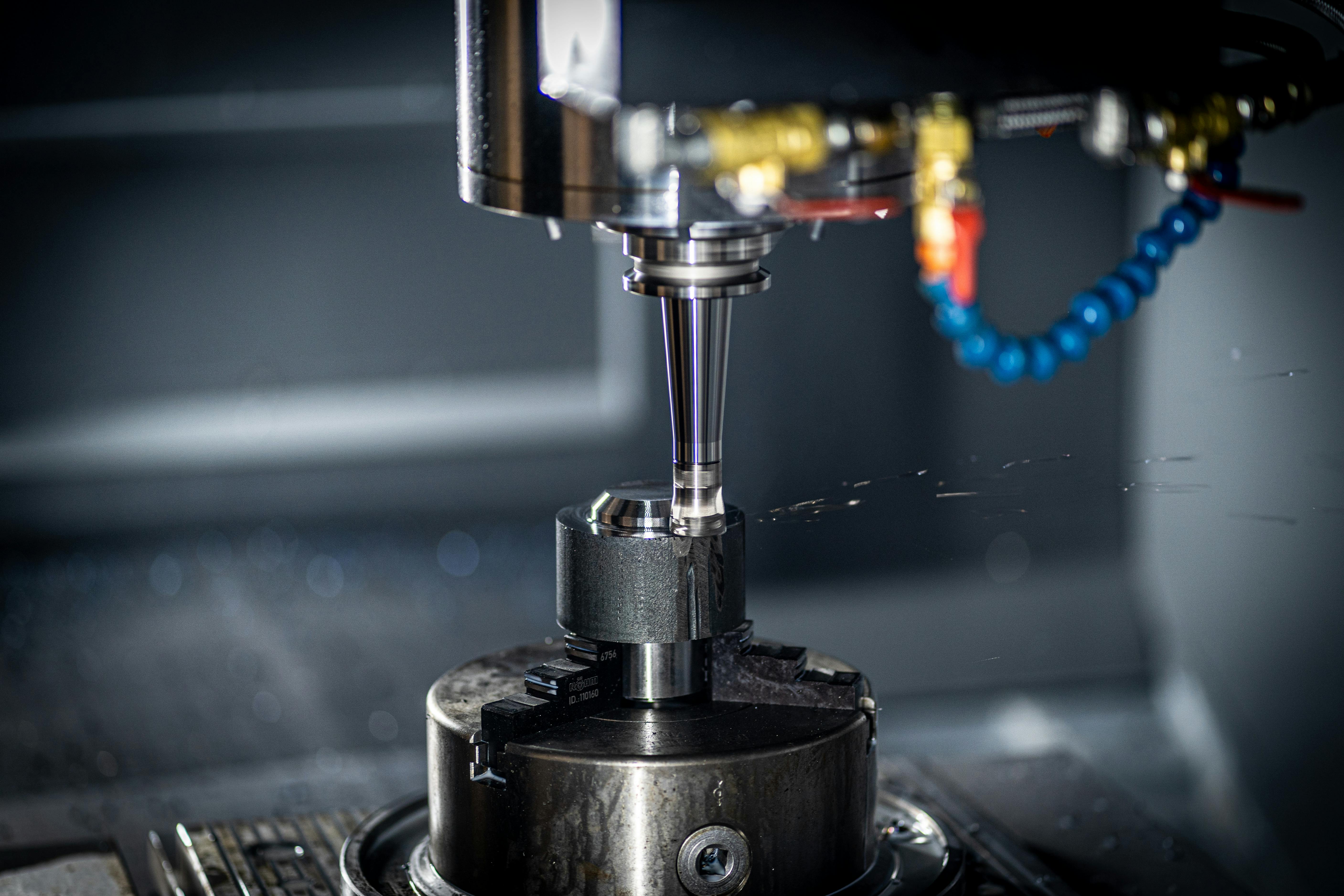
Why Small Dimensional Variations Create Big Manufacturing Problems
Many production managers focus on visible defects. The more dangerous issues are often the invisible ones.
Common challenges include:
- Hole position deviation affecting assembly alignment
- Burr formation increasing labor costs
- Material springback changing final dimensions
- Repeat-order inconsistency
- Surface scratches affecting product appearance
According to the quality management principles published by ISO Quality Management Standards, process consistency is one of the most important factors influencing long-term manufacturing quality.
A reliable precision stamping parts supplier focuses on eliminating process variation before it reaches the customer.
The Engineering Principles Behind Precision Stamping
Stamping is often perceived as a simple forming process. In reality, it involves a delicate balance between material behavior, tooling geometry, machine capability, and production control.
Several factors influence precision:
Material Characteristics
- Yield strength
- Hardness
- Ductility
- Thickness consistency
Tooling Factors
- Die clearance
- Punch alignment
- Wear conditions
- Surface finish
Process Variables
- Press tonnage stability
- Lubrication conditions
- Feed accuracy
- Production speed
When these variables are carefully controlled, precision stamping parts supplier capabilities become measurable rather than theoretical.
Standard Stamping vs Precision Stamping
Many buyers discover that the cheapest quote often generates the highest overall cost.
| Evaluation Item | Standard Stamping | Precision Stamping |
|---|---|---|
| Dimensional consistency | Moderate | High |
| Tool wear monitoring | Limited | Continuous |
| Repeat-order stability | Variable | Controlled |
| Assembly compatibility | Moderate | Excellent |
| Rework rate | 5-10% typical | Often below 3% |
| Inspection frequency | Final only | In-process + final |
For long-term OEM programs, these differences can significantly affect profitability.
Material Selection Influences Accuracy and Stability
Material selection impacts much more than strength.
| Material Type | Formability | Precision Potential | Common Applications |
|---|---|---|---|
| Carbon Steel | High | High | Industrial brackets |
| Stainless Steel 304 | Medium | High | Outdoor hardware |
| Stainless Steel 316 | Medium | High | Marine systems |
| Aluminum Alloy | High | Very High | Electronics housings |
| Galvanized Steel | Medium | High | Electrical cabinets |
According to ASM International Materials Resources, material properties such as ductility and springback significantly influence dimensional repeatability in precision forming operations.
An experienced precision stamping parts supplier understands how material behavior affects final product performance.
How JHFIX Controls Precision Throughout Production
Achieving precision is not the result of a single inspection step.
It requires control throughout the manufacturing process.
Tooling Management
- CNC precision die manufacturing
- Preventive maintenance schedules
- Tool wear analysis
Production Monitoring
- First-article inspection
- In-process dimensional verification
- Statistical process control
Quality Assurance
- Coordinate measurement systems
- Go/No-Go gauges
- Batch traceability
Packaging Control
- Protective separation
- Customized OEM labeling
- Export-grade packaging systems
Learn more about our manufacturing capabilities on our About Us page:
https://www.jhfix.com/about-us
Real OEM Case: Improving Production Efficiency Through Precision Control
An electrical equipment manufacturer sourcing stamped mounting plates experienced recurring assembly delays.
The problem appeared simple:
- Components met drawing specifications
- Installation still required manual adjustments
After investigation, we identified:
- Progressive tool wear
- Material thickness variation
- Inconsistent hole positioning
Solutions implemented:
- Tool recalibration program
- Enhanced incoming material verification
- Increased in-process inspection frequency
Results:
| Metric | Before | After |
|---|---|---|
| Assembly adjustment rate | 16% | 6% |
| Rework frequency | 9% | 3% |
| Inspection failures | 7% | 2% |
The customer achieved measurable productivity gains without redesigning the product.
Industries That Depend on Precision Stamping Components
A professional precision stamping parts supplier commonly supports:
- Industrial machinery manufacturers
- Electrical equipment producers
- Furniture hardware suppliers
- Automotive component manufacturers
- Electronics companies
- Medical device assemblies
In these industries, consistency is often more valuable than the lowest unit cost.
Selection Guide: How to Evaluate a Precision Stamping Parts Supplier
Before approving a supplier, buyers should verify:
Engineering Capability
- DFM support
- Tolerance analysis
- Material recommendations
Manufacturing Capability
- Tooling capacity
- Press range
- Production scalability
Quality Systems
- Inspection procedures
- Process monitoring
- Traceability systems
Supply Capability
- Packaging customization
- Delivery reliability
- Export experience
The strongest suppliers demonstrate these capabilities through documented processes rather than marketing promises.
FAQ
Q1: What defines a precision stamping part?
A precision stamping part maintains tight dimensional consistency, repeatability, and assembly compatibility throughout mass production.
Q2: Why do precision stamping projects still experience assembly problems?
Common causes include tool wear, material variation, insufficient inspection, and unstable process control.
Q3: How can OEM buyers reduce production risk?
Choose a precision stamping parts supplier with strong tooling management, in-process inspection, and repeat-order quality control systems.
Precision Manufacturing Creates Long-Term Competitive Advantage
Precision is not a luxury in modern manufacturing. It is a requirement.
The difference between stable production and constant troubleshooting often comes down to the consistency of the components entering the assembly line.
At JHFIX, we help OEM and industrial customers improve manufacturing performance through precision stamping solutions, stable production systems, and reliable supply chain management.
Explore our stamping and hardware products here:
Products Page:
https://www.jhfix.com/products
For technical guidance and sourcing information:
FAQ Page:
https://www.jhfix.com/faq
If you are evaluating a new precision stamping parts supplier or planning an OEM project, contact our engineering team here:
Contact Us:
https://www.jhfix.com/contact-us