
For many OEM buyers, the biggest challenge isn't finding a supplier that can produce sheet metal parts. It's finding a supplier that can produce the same part accurately ten thousand times.
A bracket that fits perfectly during sampling may suddenly require adjustment during mass production. Hole positions drift. Burrs increase. Parts scratch during transportation. Assembly teams spend more time correcting components than installing them.
These issues quietly reduce production efficiency and increase hidden costs.
Working with a professional sheet metal stamping supplier is about minimizing variation before it reaches your production line. At JHFIX, we combine tooling management, material engineering, process monitoring, and packaging optimization to help OEM customers achieve stable production and repeatable quality.
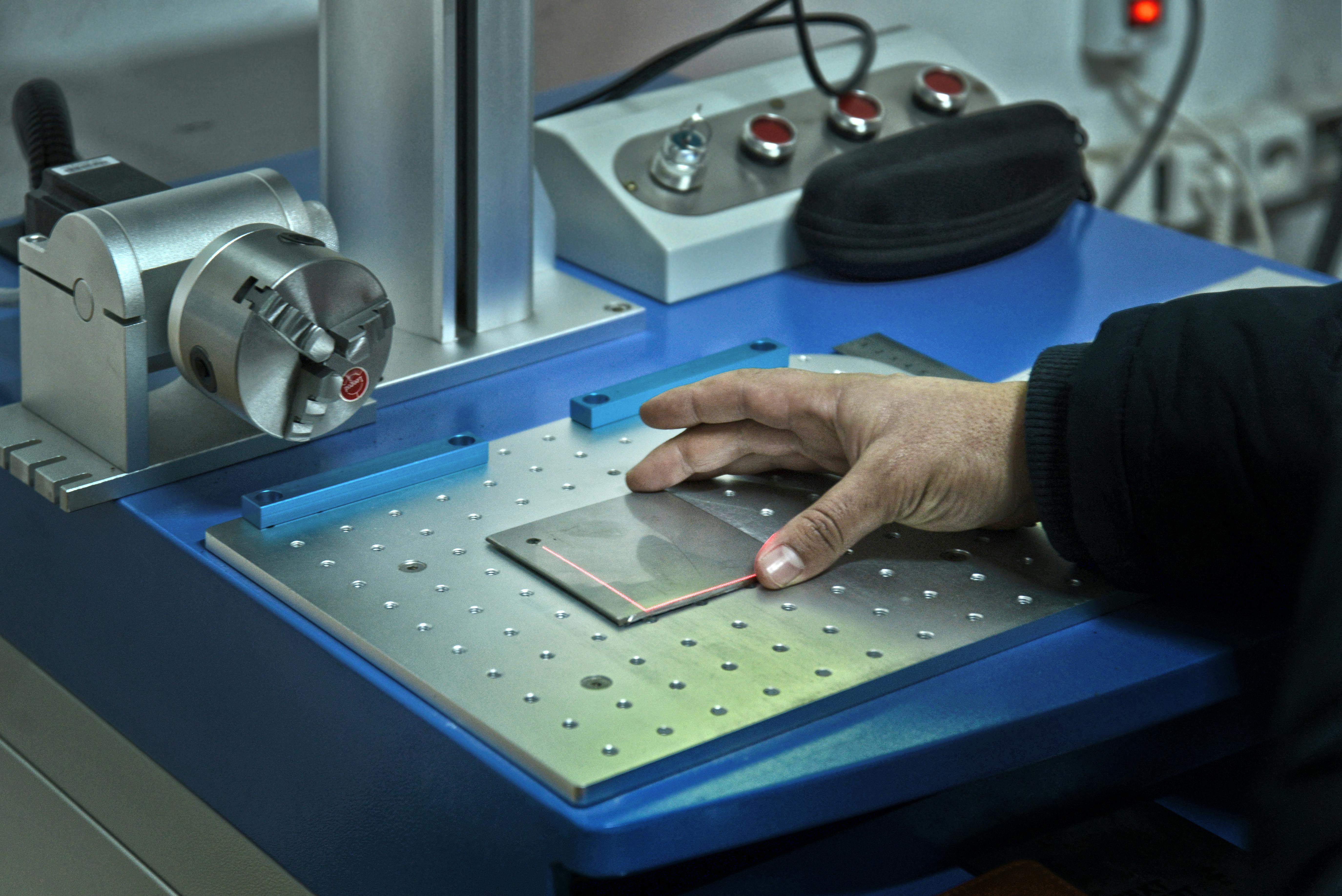
Why Production Problems Often Start with Small Stamping Variations
A difference of 0.1 mm may seem insignificant.
In an assembly line, however, that difference can affect:
- Hole alignment
- Fastener installation
- Welding positioning
- Automated assembly systems
- Product appearance
Common issues buyers encounter include:
- Burr formation requiring additional processing
- Material springback affecting dimensions
- Surface scratches after transportation
- Inconsistent tolerances between batches
- Tool wear reducing repeatability
According to the manufacturing quality framework published by ISO 9001 Quality Management Systems, process consistency is one of the most important factors in maintaining stable product quality.
This is why experienced buyers evaluate the manufacturing system—not just the sample.
Understanding the Engineering Behind Sheet Metal Stamping
Stamping is often described as a simple forming process. The reality is more complex.
Every material reacts differently under pressure. Every bend introduces stress. Every die experiences wear.
Reliable sheet metal stamping supplier performance depends on controlling:
- Material hardness
- Tooling precision
- Press tonnage stability
- Forming sequence
- Lubrication conditions
- Secondary processing
Think of stamping like baking bread. Using the same recipe does not guarantee the same result unless temperature, ingredients, and timing remain consistent.
The same principle applies to industrial metal stamping.
Standard Production vs OEM-Controlled Stamping
The differences become obvious when production volume increases.
| Comparison Item | Standard Supplier | Professional OEM Supplier |
|---|---|---|
| Tooling maintenance | Reactive | Preventive |
| Dimensional consistency | Medium | High |
| Repeat order stability | Variable | Stable |
| Inspection frequency | Final inspection only | In-process + final |
| Rework rate | 5-12% typical | Often below 3-5% |
| Packaging control | Basic | Customized |
For long-term OEM projects, these differences often have a greater financial impact than small price differences.
Material Selection Shapes Product Performance
Material selection affects much more than strength.
| Material | Formability | Corrosion Resistance | Typical Use |
|---|---|---|---|
| Carbon Steel | High | Medium | General industrial parts |
| Stainless Steel 304 | Medium | High | Outdoor hardware |
| Stainless Steel 316 | Medium | Very High | Marine and chemical applications |
| Aluminum Alloy | High | Medium | Electronics and lightweight assemblies |
| Galvanized Steel | Medium | High | Electrical enclosures |
According to ASM International Materials Engineering Resources, material properties such as ductility and yield strength significantly influence forming quality and dimensional stability.
A qualified sheet metal stamping supplier evaluates both engineering requirements and manufacturing behavior before recommending materials.
How JHFIX Controls Production Stability
At JHFIX, quality is built into the process rather than inspected into the product.
Our manufacturing approach includes:
Tooling Management
- Precision CNC die manufacturing
- Scheduled die maintenance
- Tool wear monitoring
Production Control
- In-process dimensional inspection
- Press calibration verification
- Batch traceability systems
Surface Processing
- Deburring
- Powder coating
- Zinc plating
- Surface polishing
Packaging Optimization
- Layer-separated packaging
- Scratch prevention materials
- OEM labeling systems
You can learn more about our manufacturing capabilities on our About Us page:
https://www.jhfix.com/about-us
Real Project Example: Improving Assembly Efficiency
A customer manufacturing electrical control cabinets experienced recurring assembly issues.
The symptoms looked minor:
- Hole alignment inconsistencies
- Occasional interference during installation
- Increased fitting adjustments
After analysis, we identified three causes:
- Progressive die wear
- Material thickness variation
- Packaging damage during transport
Solutions implemented:
- Die recalibration
- Incoming material verification
- Reinforced packaging separation
Results:
| Performance Metric | Before | After |
|---|---|---|
| Assembly adjustment rate | 18% | 7% |
| Rework frequency | 11% | 4% |
| Packaging damage incidents | 6% | <2% |
The design remained unchanged. Process stability delivered the improvement.
Where Sheet Metal Stamping Components Are Most Commonly Used
Industries frequently using sheet metal stamping supplier services include:
- Electrical equipment manufacturing
- Industrial machinery
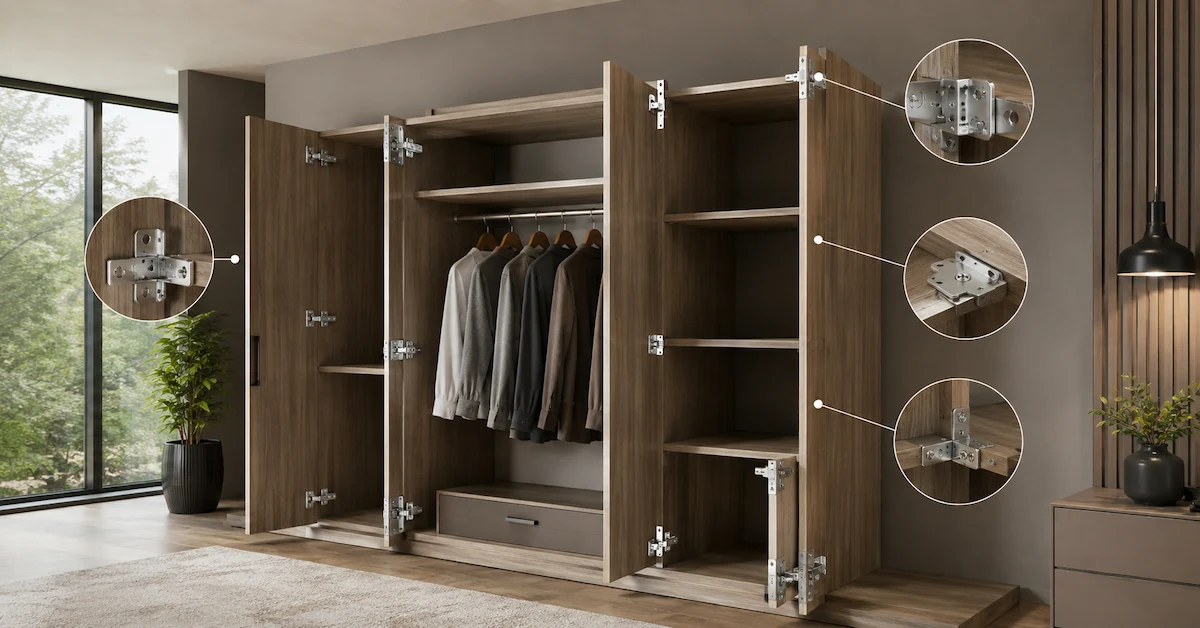
- Furniture hardware systems
- Automotive support structures
- HVAC equipment
- Consumer electronics
- Packaging hardware
Each industry has different priorities, but all require consistency.
Selection Guide: How to Evaluate a Sheet Metal Stamping Supplier
Before placing a production order, buyers should verify:
Manufacturing Capability
- Press capacity
- Tooling capability
- Production volume
Quality Systems
- Inspection methods
- Traceability
- Process control
Engineering Support
- DFM feedback
- Material recommendations
- Tolerance analysis
Supply Capability
- Packaging customization
- Delivery reliability
- Export experience
A reliable sheet metal stamping supplier should be able to answer these questions with data—not promises.
FAQ
Q1: What is the biggest risk in sheet metal stamping projects?
Dimensional inconsistency caused by tooling wear, material variation, or unstable production processes.
Q2: How can buyers reduce assembly problems?
Choose a supplier with strong tooling management, process monitoring, and in-process inspection systems.
Q3: Does custom packaging really matter?
Absolutely. Proper packaging reduces scratches, part mixing, and assembly delays, especially in export projects.
Building Long-Term Value Through Better Stamping Control
The best sheet metal parts are not necessarily the cheapest ones. They are the ones that arrive consistently, fit correctly, and help production run smoothly month after month.
At JHFIX, we help OEM buyers improve manufacturing stability through precision tooling, controlled production processes, and reliable supply management.
Learn more about our product capabilities here:
Products Page:
https://www.jhfix.com/products
For additional technical guidance and sourcing information, visit:
FAQ Page:
https://www.jhfix.com/faq
If you're evaluating a new sheet metal stamping supplier or planning an OEM project, contact our engineering team here:
Contact Us:
https://www.jhfix.com/contact-us