
Quality Gaps in Metal Screws Show Up Where It Matters Most
In many production environments, metal screws are rarely questioned—until something starts to slow down.
Installation feels inconsistent. Some screws drive in smoothly, others resist just enough to interrupt rhythm. Torque values shift between batches. Over time, assembly teams adapt, compensate, adjust.
But those adjustments come at a cost.
Buyers working with a metal screws manufacturer often face recurring issues that don’t appear in specifications:
- Thread inconsistency affecting installation speed
- Material variation leading to premature wear or breakage
- Surface friction differences causing torque instability
- Packaging inconsistencies slowing down production flow
These are not isolated defects. They are symptoms of a system that isn’t aligned with real application needs.
At JHFIX, we approach metal screws as functional components within a larger system—designed to perform consistently under real operating conditions, not just pass inspection.
Material Selection and Mechanical Behavior in Real Applications
Metal screws operate under different types of stress—tension, shear, vibration. Choosing the right material is not just about strength—it’s about behavior under those conditions.
Common materials include:
| Material Type | Strength Range | Key Performance Feature | Typical Use Case |
|---|---|---|---|
| Carbon Steel | 400–700 MPa | Balanced strength and cost | General assembly |
| Alloy Steel | 800–1200 MPa | High strength under load | Industrial machinery |
| Stainless Steel A2 | 500–700 MPa | Corrosion resistance | Outdoor / humid environments |
| Stainless Steel A4 | 600–800 MPa | Chemical resistance | Marine / harsh conditions |
Standards from ASTM International highlight that mechanical properties depend not only on material type but also on heat treatment and processing consistency.
A reliable metal screws manufacturer ensures that screws are not only strong—but stable across different operating conditions.
Why Buyers Shift Toward Product-Based Solutions
Many procurement processes begin with specifications—dimensions, material grades, coatings.
But over time, buyers notice something:
even when specifications are met, performance can vary.
This leads to a shift in thinking.
Instead of asking “Does this meet the standard?” buyers begin asking:
“Does this perform consistently in production?”
At JHFIX, we focus on solution-based manufacturing:
- Matching screw design to application materials
- Controlling thread precision for stable installation
- Optimizing surface treatment for consistent friction
- Aligning packaging with assembly workflows
The result is not just compliance—it’s predictability.
Thread Design: The Core Driver of Installation Efficiency
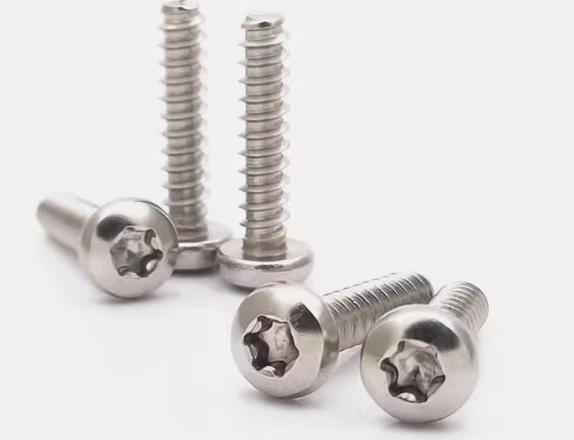
Thread geometry determines how a screw interacts with the material it enters.
Small variations in thread depth, pitch, or angle can cause:
- Increased driving resistance
- Slipping during installation
- Inconsistent torque readings
- Reduced holding strength
Thread optimization includes:
- Controlled thread rolling processes
- Precise tolerance management
- Smooth surface finishing for stable friction
According to International Organization for Standardization, thread accuracy plays a critical role in ensuring mechanical stability and fatigue resistance.
In high-volume production, even minor improvements in thread consistency can significantly enhance assembly efficiency.
Surface Treatment: Controlling Friction and Durability
Surface coatings are often selected for corrosion resistance, but they also affect how screws behave during installation.
Common treatments include:
- Zinc plating for general corrosion protection
- Phosphate coating to reduce friction variability
- Black oxide for moderate protection and appearance
Inconsistent coating thickness can lead to unpredictable torque performance.
A solution-driven metal screws manufacturer considers surface treatment as part of the overall system—balancing durability and installation behavior.
Packaging Design: Turning Supply into Workflow Efficiency
Packaging is often treated as logistics. In reality, it directly affects how efficiently screws are used on the production line.
Loose bulk packaging can cause:
- Counting inaccuracies
- Mixing of different screw types
- Increased handling time
Optimized packaging solutions provide:
| Packaging Type | Counting Accuracy | Operational Impact |
|---|---|---|
| Loose bulk | ~90% | Frequent interruptions |
| Standard packaging | ~97–98% | Minor inefficiencies |
| Custom packaging | 99%+ | Smooth workflow |
By aligning packaging with assembly processes, a metal screws manufacturer can reduce delays and improve efficiency.
A Real Case: From Torque Variability to Stable Assembly
A client in industrial equipment manufacturing experienced inconsistent torque during assembly.
Despite using screws that met all specifications, operators reported:
- Variations in installation resistance
- Occasional stripping
- Increased rework
We analyzed the issue and adjusted:
- Thread rolling precision for consistent geometry
- Surface coating to stabilize friction
- Packaging format to improve handling efficiency
The results:
- Torque consistency improved significantly
- Assembly speed increased by approximately 15%
- Rework rates dropped noticeably
The solution came from refining the product—not changing the system around it.
Where Metal Screw Solutions Deliver the Most Value
Product-driven solutions are particularly effective in:
- Industrial machinery requiring stable fastening
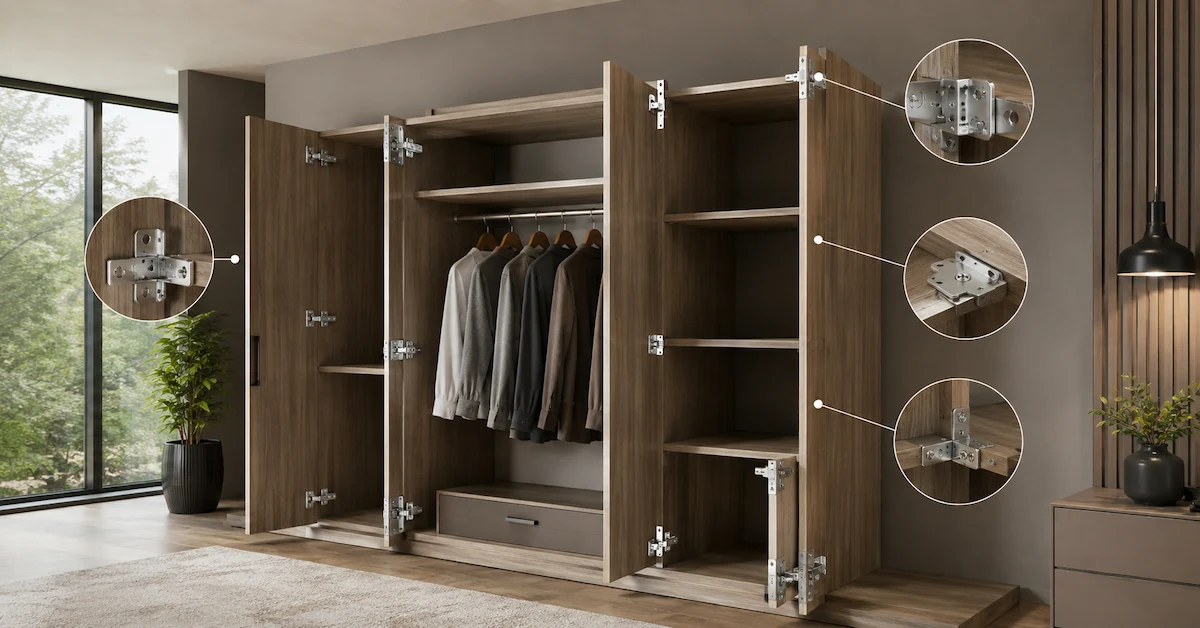
- Furniture systems with mixed materials
- Automotive components exposed to vibration
- Export products needing consistent quality across batches
In these environments, consistency is not optional—it defines performance.
Frequently Asked Questions
Q1: What causes inconsistency in metal screw performance?
Variations in thread geometry, material processing, and surface treatment can all affect installation behavior.
Q2: How can buyers improve assembly efficiency through screws?
By selecting screws with optimized thread design and consistent surface treatment.
Q3: Does customization increase cost significantly?
In many cases, improved efficiency and reduced rework offset any increase in unit cost.
From Standard Fasteners to Performance-Driven Solutions
Metal screws may appear simple, but their impact on assembly performance is significant. When design, material, and process control align, production becomes smoother and more predictable.
At JHFIX, we focus on delivering metal screw solutions that perform consistently in real applications—through controlled manufacturing, optimized design, and efficient packaging.
To explore how our metal screw solutions support OEM and industrial projects, you can visit our homepage:
https://www.jhfix.com/
If you are facing challenges such as inconsistent installation, torque variability, or supply inefficiencies, it may be time to rethink your fastener strategy. You can contact our team here to discuss your requirements and explore a more reliable solution:
https://www.jhfix.com/contact-us