
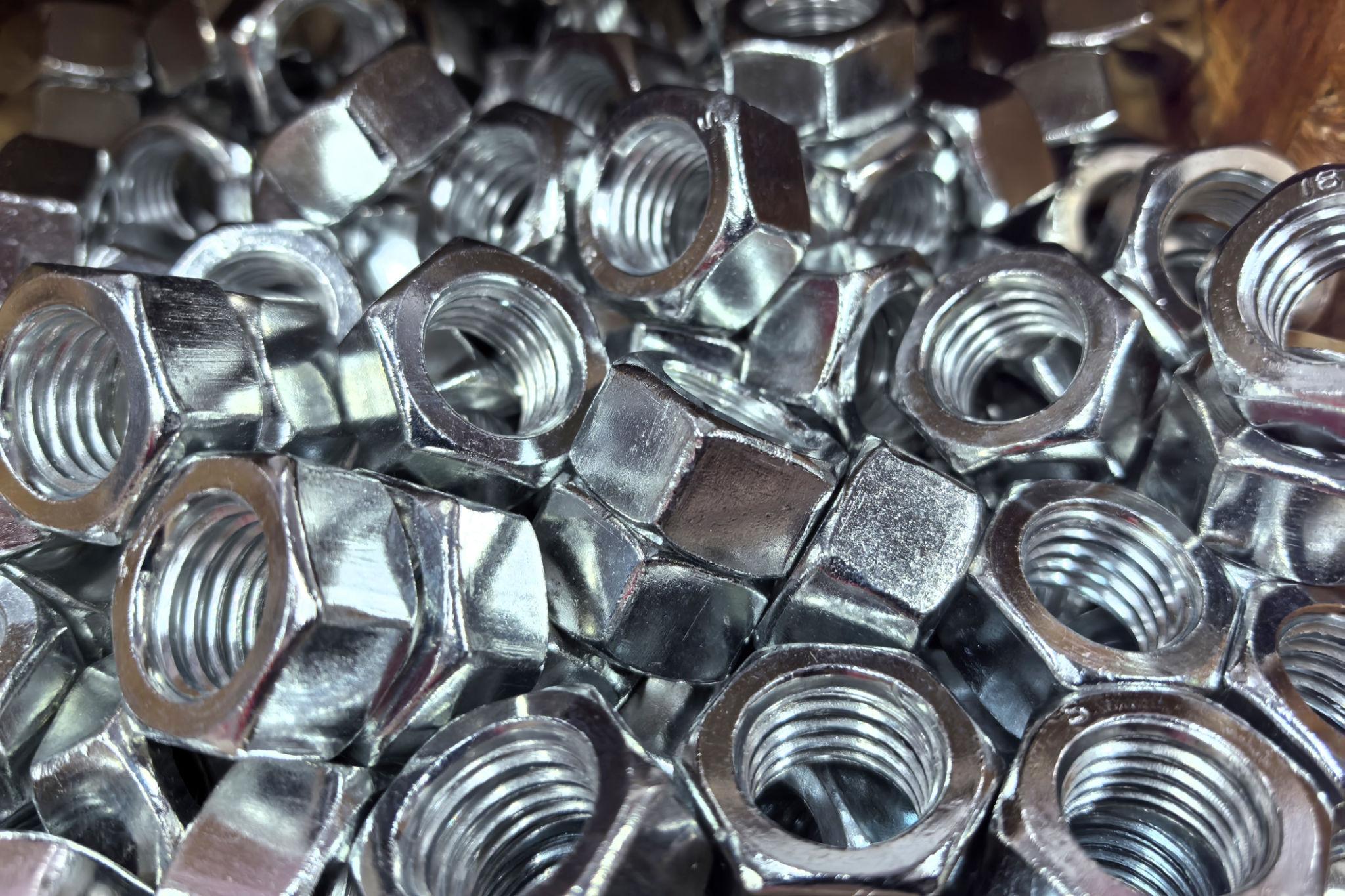

Quality and Supply Gaps That Buyers Face When Choosing a Nut Supplier
In fastener sourcing, problems rarely come from obvious defects. More often, they appear as inconsistencies that slowly affect production.
A batch of nuts fits well—until the next batch behaves slightly differently. Thread engagement varies just enough to affect installation. Torque values shift. Assembly teams adjust without fully understanding why.
At the same time, supply-related issues start to surface:
- Quantities that don’t perfectly match orders
- Packaging that slows down handling
- Delivery timelines that fluctuate
Individually, these issues seem manageable. Together, they reduce efficiency.
This is where the role of a nut supplier becomes critical—not just as a provider of components, but as a partner in maintaining production stability.
At JHFIX, we address these challenges by integrating manufacturing control, packaging accuracy, and supply coordination into one system—ensuring consistency across both product and cooperation.
Material Consistency: The Foundation of Reliable Nut Supply
Material selection defines the baseline performance of a nut, but consistency across batches determines real-world reliability.
Different materials serve different purposes:
| Material Type | Strength Range | Key Advantage | Typical Application |
|---|---|---|---|
| Carbon Steel | Medium | Cost-effective | General industrial use |
| Alloy Steel | High | High load capacity | Machinery, structural systems |
| Stainless Steel A2 | Medium | Corrosion resistance | Outdoor environments |
| Stainless Steel A4 | Medium-High | Chemical resistance | Marine and harsh conditions |
Standards defined by International Organization for Standardization ensure baseline performance, but real stability depends on process control.
A professional nut supplier ensures that material properties remain consistent across large production volumes—not just within a single batch.
Why Buyers Move Toward Reliable Supply Systems
At the beginning, most buyers focus on price and specifications.
Over time, priorities change.
Recurring issues begin to appear:
- Slight thread variation affecting assembly
- Inconsistent packaging causing delays
- Supply instability disrupting production planning
This leads to a shift from product-based sourcing to system-based sourcing.
At JHFIX, we focus on:
- Stable thread production with controlled tolerances
- Batch inspection to ensure repeatability
- Packaging systems designed for efficiency
- Delivery coordination aligned with production schedules
This approach transforms supply from reactive to predictable.
Thread Precision: The Key to Consistent Assembly
Thread performance directly affects how nuts behave during installation.
Even small deviations can cause:
- Binding during tightening
- Loose fit affecting load distribution
- Torque inconsistency in automated assembly
Thread optimization includes:
- Controlled tolerance (e.g., ISO 6H)
- Smooth thread surface for stable friction
- Consistent geometry across batches
Organizations like ASTM International emphasize that thread accuracy is essential for mechanical reliability.
A reliable nut supplier ensures that every nut performs the same—not just meets specifications.
Packaging Accuracy: Turning Supply into Efficiency
Packaging is often overlooked, but it plays a direct role in production efficiency.
Loose bulk packaging can lead to:
- Counting errors
- Mixed specifications
- Increased handling time
Optimized packaging improves workflow:
| Packaging Type | Counting Accuracy | Operational Impact |
|---|---|---|
| Loose bulk | ~90% | Frequent interruptions |
| Standard packaging | ~97–98% | Minor inefficiencies |
| Controlled packaging | 99%+ | Stable operations |
Accurate packaging ensures that production lines receive the right quantity without delays.
A Real Case: From Supply Inconsistency to Stable Production
A client in industrial assembly faced recurring issues with nut supply.
Problems included:
- Inconsistent thread fit across batches
- Frequent recounting due to packaging errors
- Delays in assembly preparation
We implemented:
- Tighter thread tolerance control
- Improved packaging accuracy
- Better batch consistency monitoring
The results:
- Reduced assembly interruptions
- Improved installation consistency
- More predictable supply flow
The improvement came from aligning supply with real production needs.
Where Nut Supply Quality Matters Most
Reliable nut supply is critical in:
- High-volume manufacturing environments
- Industrial machinery assembly
- Export projects with long transit times
- OEM production requiring repeat consistency
In these scenarios, small inconsistencies scale into larger operational issues.
Frequently Asked Questions
Q1: What is the most common issue with nut supply?
Inconsistent thread performance and packaging inaccuracies, which affect assembly efficiency.
Q2: How can buyers ensure reliable supply?
By evaluating supplier process control, packaging systems, and consistency—not just product specifications.
Q3: Does packaging affect production efficiency?
Yes. Accurate packaging reduces delays, improves workflow, and minimizes errors.
Building a Reliable Supply System with the Right Nut Supplier
Nut supply is more than delivering components—it is about ensuring stability across production, logistics, and assembly.
At JHFIX, we focus on delivering consistent, predictable fastener solutions through controlled manufacturing and integrated supply systems.
To learn more about our capabilities, visit:
https://www.jhfix.com/
If you are facing challenges with supply inconsistency or assembly inefficiencies, contact our team to explore a more reliable solution:
https://www.jhfix.com/contact-us