
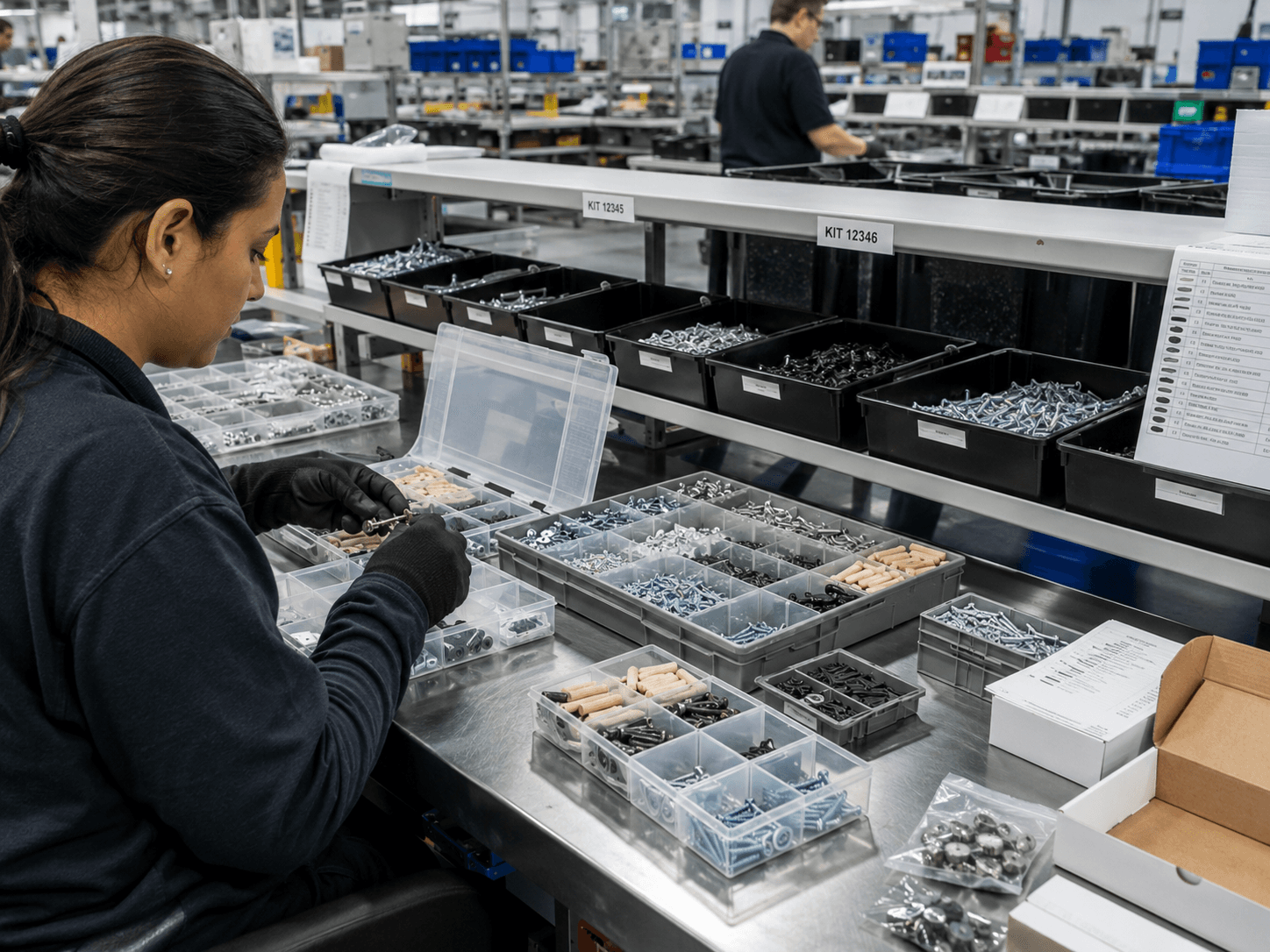
OEM Screw Kit Manufacturer: Why Furniture Hardware Kits Need More Than Correct Parts
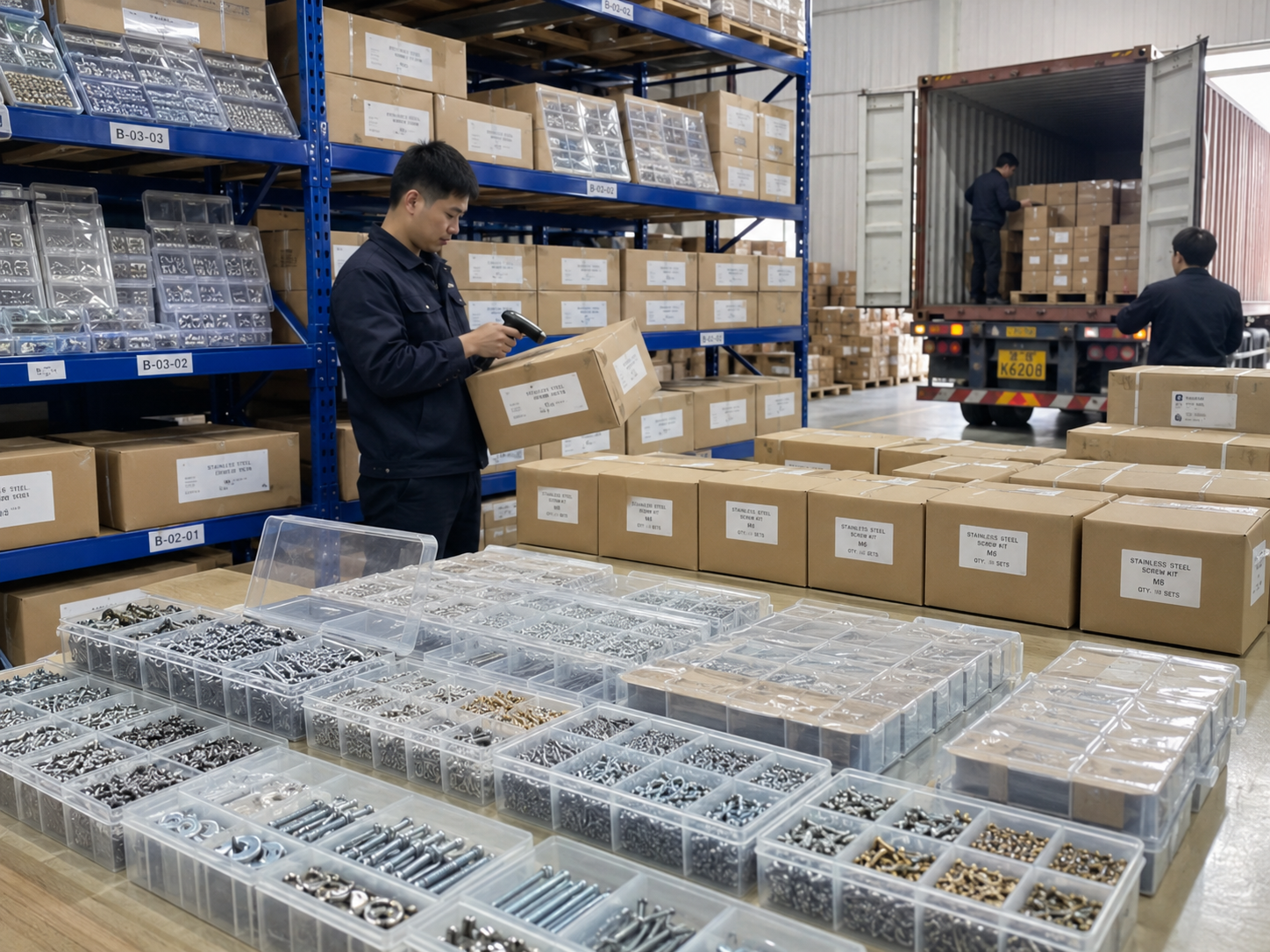
A screw kit looks like a small part of a furniture order.
That is why it gets underestimated.
The panels are bigger. The carton design looks more important. The surface finish gets more attention. Even the instruction sheet often receives more review than the hardware pack sitting inside the box.
Then assembly begins.
A dowel is missing. A cam fitting does not match the bolt. Two screw lengths are mixed together. The customer cannot tell which part belongs to which step. A factory worker stops the line to check a bag that should have been obvious.
This is where an OEM screw kit manufacturer starts to matter.
The job is not simply putting loose fasteners into a plastic bag. In flat-pack furniture, cabinet assembly, shelving systems, and replacement hardware programs, the screw kit becomes part of the product experience. It affects how quickly the furniture goes together, how many mistakes happen during assembly, and how often customer service has to send out missing parts later.
A complete kit is good.
A logical kit is better.
A furniture screw kit should follow the assembly sequence
A good furniture assembly kit is not built around what is easiest to pack.
It is built around what is easiest to use.
For a flat-pack cabinet, the user may need dowels first, cam bolts second, cam locks third, and screws or brackets later. If all these parts are mixed together, the person assembling the furniture has to slow down and identify everything manually.
That may be fine for a trained worker.
It is not ideal for a customer building furniture at home.
A well-prepared screw kit should make the next step obvious. Similar screws should be separated. Small fittings should not hide under larger parts. Labels should match the instruction sheet. If a printed parts map is included, the hardware layout should follow it closely.
This is where a custom screw kit manufacturer can add real value.
The supplier is not only providing fasteners. It is helping the furniture brand reduce confusion before the product reaches the customer.
Flat-pack furniture depends on small-part accuracy
Flat-pack furniture is designed around repeatable assembly.
The panels are cut. The holes are drilled. The carton is packed. The hardware kit must match that design exactly. One missing screw or one incorrect connector can stop the whole process.
This is especially true for engineered wood furniture, such as cabinets made from MDF, particleboard, laminated panels, or similar sheet materials. These materials are practical for furniture production, but they do not always forgive wrong hardware.
A screw that is too long may damage the panel.
A screw that is too short may not hold.
A dowel that is too loose may affect alignment.
A cam lock that does not match the bolt may leave the joint weak.
For buyers, the important question is not only, “Can the supplier provide screws?”
The better question is, “Can the supplier provide the correct hardware assortment, packed in the correct format, every time?”
That is the difference between buying loose parts and working with a real screw kit OEM partner.
What a practical furniture hardware kit may include
A furniture screw kit can be simple or surprisingly detailed.
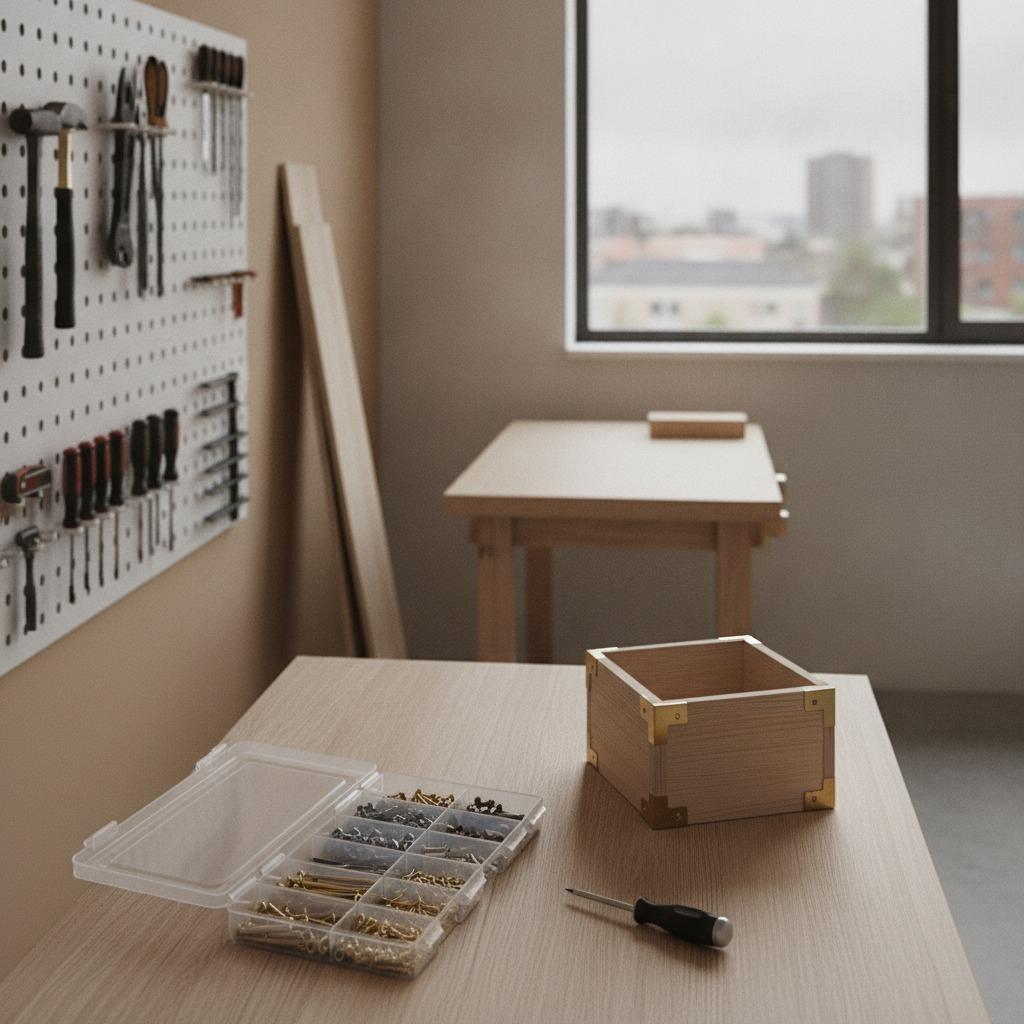
For cabinet and shelving assembly, it may include:
- self-tapping screws
- machine screws
- cam locks
- connector bolts
- wooden dowels
- threaded inserts
- brackets
- plastic caps or sleeves
- washers
- small clips
- slide or rail fittings
- instruction cards or parts maps
The exact mix depends on the furniture structure.
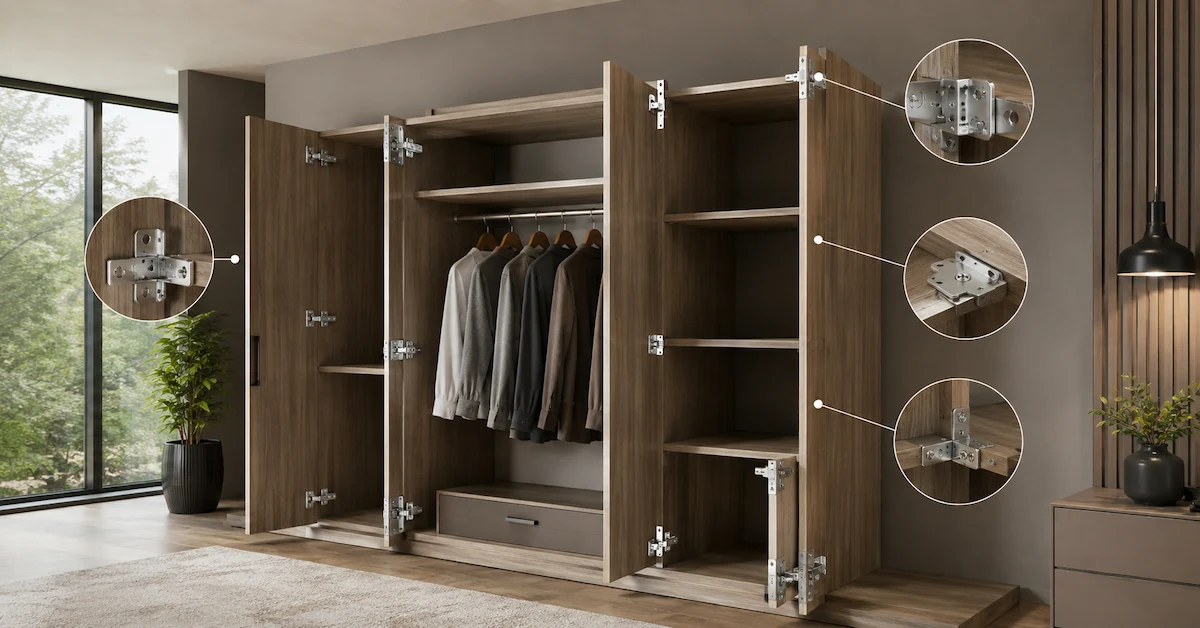
A cabinet carcass may need cam fittings and dowels. A shelving system may need shelf pins and brackets. A wardrobe may require rail supports, caps, screws, and connector parts. A replacement kit may need fewer parts, but clearer labeling.
The point is simple: the kit should match the product, not a generic fastener assortment.
A box full of correct parts can still be wrong if the parts are not organized around the build.
Compartment packaging helps because it reduces guessing
Pre-sorted compartments are not only a nice presentation detail.
They help workers and customers verify the kit quickly.
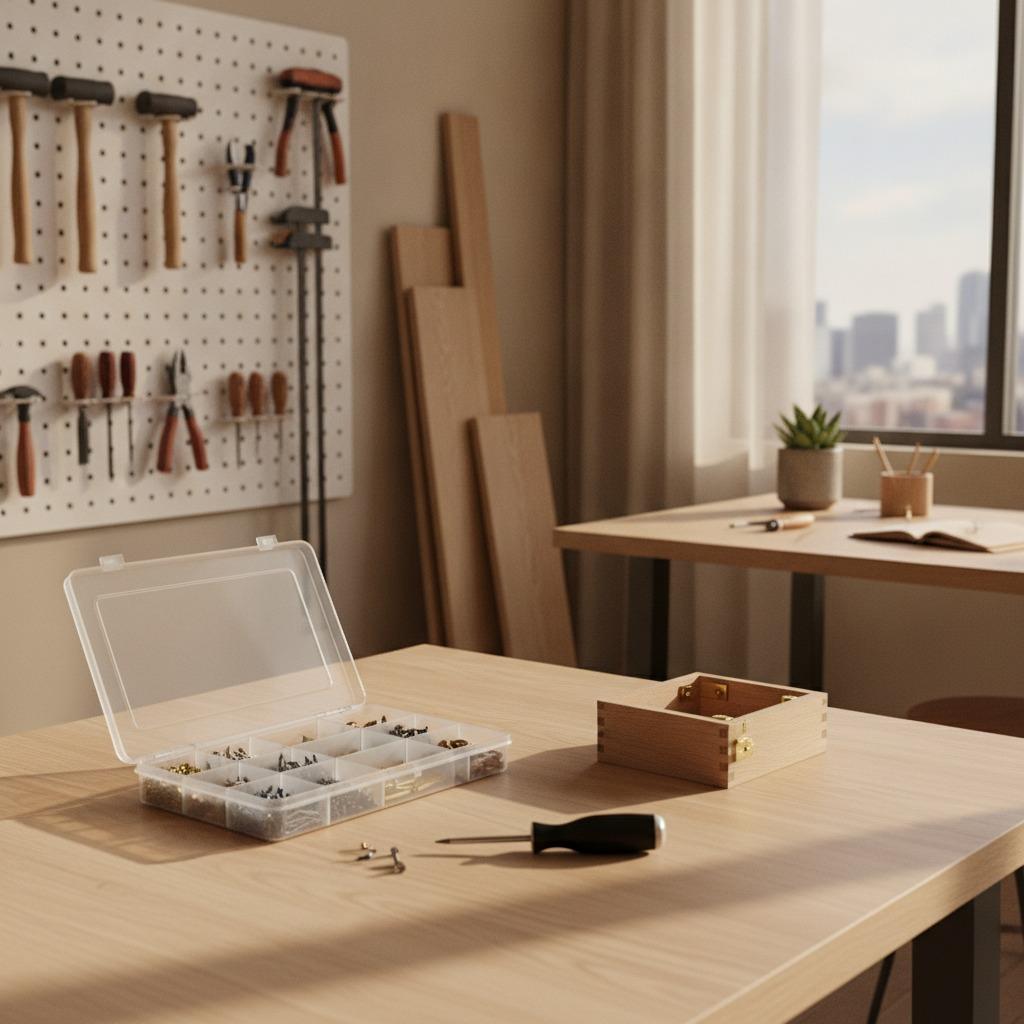
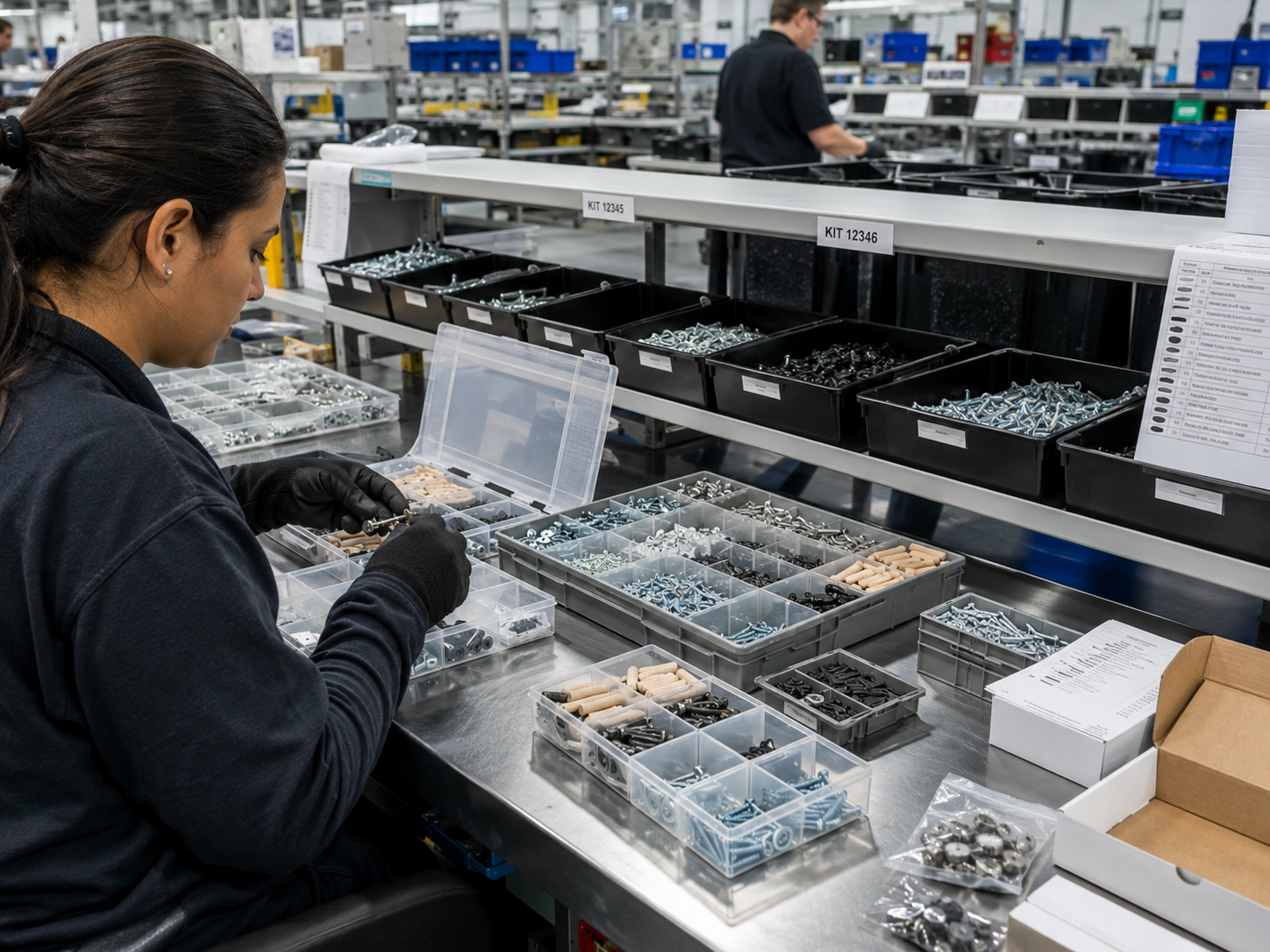
When screws, dowels, caps, and connectors are placed in separate sections, it is easier to see whether something is missing. It is also easier to prevent similar parts from being confused.
This matters in factory assembly, but it matters even more in retail and e-commerce furniture.
The customer may not know the technical name for a cam bolt or threaded insert. They only know that the part in the instruction sheet should look like the part in the package. If the kit layout is messy, the customer loses confidence before the cabinet is even built.
Good packaging can reduce that friction.
For some projects, a compartment organizer box works well. For others, step-based bags are more efficient. For retail replacement hardware, a clear blister or labeled pouch may be better.
The format can change.
The purpose stays the same: make the right part easy to find.
Customization should support the furniture design
Not every OEM screw kit needs custom-made parts.
Many projects can use standard screws, dowels, cam fittings, and brackets if the furniture design is planned around them. Standard parts are usually easier to reorder, easier to replace, and easier to manage across future batches.
But some furniture programs need customization.
A screw length may need adjustment. A connector may need a different finish. A bracket may require a revised hole position. A kit may need special labeling for an OEM customer. A replacement program may need a simplified pack that matches a specific product model.
This is when a custom screw kit manufacturer becomes useful.
The caution is that customization needs control. Drawings, samples, material details, finish requirements, packing layout, and revision history should be confirmed before volume production.
Custom hardware should solve a real assembly problem.
It should not create extra confusion.
Material and finish details should be confirmed early
Many furniture hardware kits use plated steel screws, zinc-like fittings, plastic parts, and wooden dowels. The appearance may look standard, but buyers should still confirm the details.
A silver screw may have different coatings depending on the supplier. A gold-colored insert may not mean solid brass. A black part may be plastic, coated metal, or nylon. These differences can affect strength, appearance, corrosion resistance, and assembly feel.
Before approving an OEM screw kit, buyers should confirm:
- screw material
- surface finish
- thread type
- head style
- drive type
- connector dimensions
- dowel size
- plastic part material
- acceptable substitutions
- inspection requirements
These are ordinary details, but they matter during repeat orders.
A sample kit that looks acceptable once should still match the production kit later.
Where Jiangmen Jinhe Hardware fits
Jiangmen Jinhe Hardware Co., Ltd. works with fasteners, standard parts, and non-standard customization. Its product range includes machine screws, self-tapping screws, micro screws, and precision screws, with materials such as stainless steel, iron, and aluminum.
The company also works with standards including GB, DIN, ANSI, BS, JIS, and ISO.
For buyers sourcing OEM furniture hardware kits, that background is relevant because a furniture assembly kit often depends on more than one part type. A cabinet or shelving project may require screws, connector bolts, threaded inserts, brackets, caps, labels, packaging, and repeat supply control.
Jiangmen Jinhe also notes support for inspection before delivery, documentation, logistics, warehousing, foreign trade, and supply chain services. For furniture brands, contract assemblers, retailers, and cross-border sellers, those services can help when a sample kit turns into repeated shipments.
The useful question is not only whether a supplier can make screws.
It is whether the supplier can help keep the whole kit stable.
Common sourcing mistakes buyers still make
One mistake is approving loose hardware instead of a real packed kit.
Loose parts can show size and finish, but they do not show whether the final pack is clear, countable, and easy to use.
Another mistake is treating replacement kits as an afterthought. Retailers and service teams often need spare hardware long after the first production run. If replacement packs are not planned early, customer support becomes harder later.
A third mistake is focusing only on unit price. A cheaper screw kit can become expensive if it causes missing-part claims, assembly delays, rework, or customer complaints.
Buyers also sometimes ignore revision control. Furniture products change. Hole patterns shift. Instructions are updated. Packaging formats are revised. If the supplier does not control those changes carefully, old and new kit versions can become mixed.
That is when small parts create large confusion.
What buyers should ask before placing an OEM order
Before choosing an OEM screw kit manufacturer, buyers should ask:
What parts are included in the complete kit?
Which parts are standard, and which are customized?
Can the kit follow our assembly sequence?
Can labels match our instruction sheet?
How are similar screws separated?
How is the kit count checked before shipment?
Can sample packs be provided before mass production?
What inspection documents are available?
How are revisions controlled?
Can replacement kits be supplied later?
Can the same specification be repeated in future orders?
Can logistics, warehousing, or export support be included?
These questions are simple, but they reveal whether the supplier understands furniture assembly or only sells fasteners.
Frequently Asked Questions
What does an OEM screw kit manufacturer provide?
An OEM screw kit manufacturer provides organized screw kits and related hardware packs for furniture, cabinets, shelving, repair kits, retail products, and assembly programs.
Is an OEM screw kit only for new furniture production?
No. OEM screw kits can also be used for repair, replacement hardware, warranty service, retail spare parts, and cross-border e-commerce furniture programs.
Do all screw kits need custom parts?
Not always. Many kits use standard fasteners arranged in a custom pack format. Custom parts are only needed when the furniture design requires them.
Why is packaging important for furniture screw kits?
Packaging helps prevent missing parts, mixed fasteners, unclear assembly steps, and customer complaints. It also makes the kit easier to inspect and use.
What should buyers check before bulk ordering?
Buyers should check the full part list, sample pack, assembly sequence, labeling, count method, inspection process, and repeat-order control.
Can screw kit packaging be customized?
Yes. Packaging can be customized by furniture model, assembly step, part type, quantity, label, barcode, and sales channel.
A good screw kit makes assembly feel easier
The best OEM screw kit does not make the customer stop and think.
The screws are correct. The dowels are easy to find. The connectors match the holes. The instruction sheet matches the hardware. The kit is complete. The next shipment matches the approved sample.
That is what buyers are really sourcing.
For OEM screw kits, custom screw kits, furniture assembly kits, cabinet screw kits, replacement hardware packs, and organized fastener packaging, Jiangmen Jinhe Hardware Co., Ltd. can discuss standard parts, non-standard customization, material options, inspection, packaging, logistics, warehousing, and repeat supply requirements.
For direct inquiries:
Tel/WeChat: +86 13729150102
WhatsApp: +86 13322893939
Email: sharon@hkhomeideas.com
Start with the furniture model, assembly sequence, part list, packaging method, label requirements, and expected order quantity.
Once those details are clear, the right screw kit becomes much easier to build and repeat.