
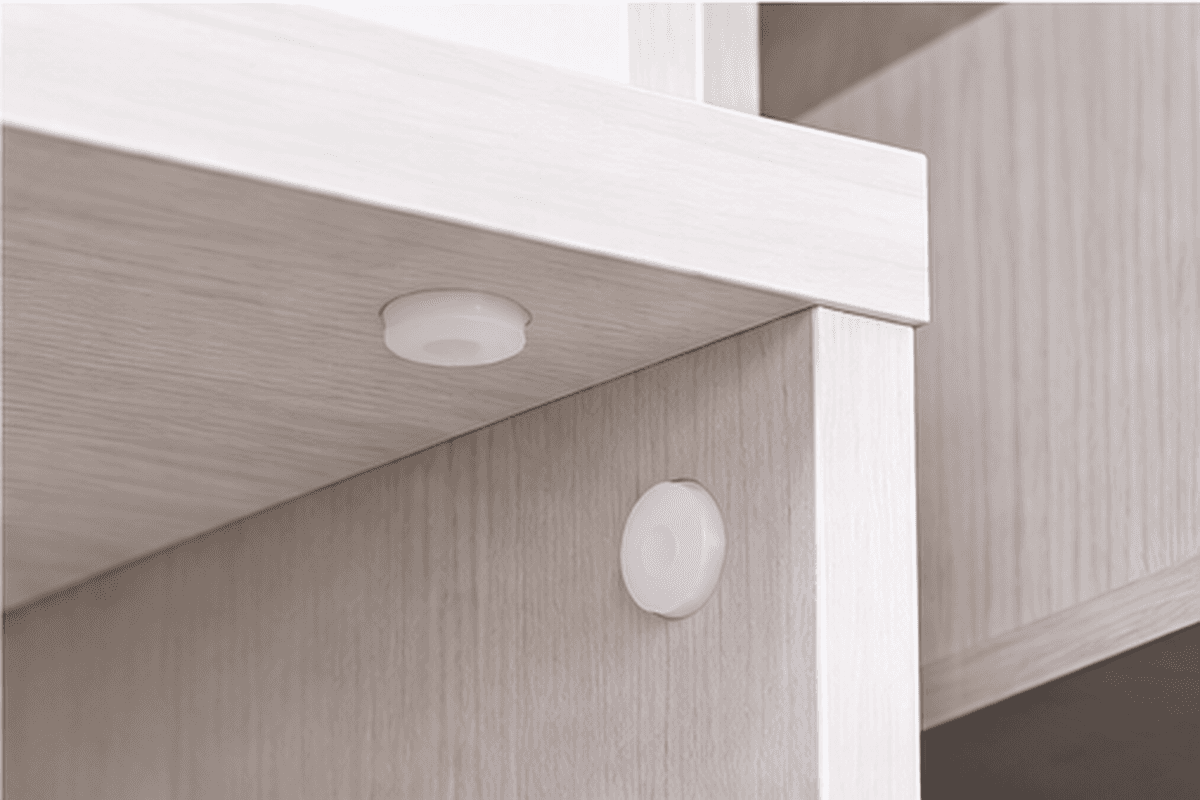
How to Choose Protective PVC Nut Covers and M6 Screw Nut Caps for Kitchen, Bathroom, and Cabinet Furniture
A nut cover is easy to ignore.
It is not the main connector. It does not usually carry the load. It may not even be noticed after the cabinet is assembled.
But for the person using the furniture, the cover can change the experience.
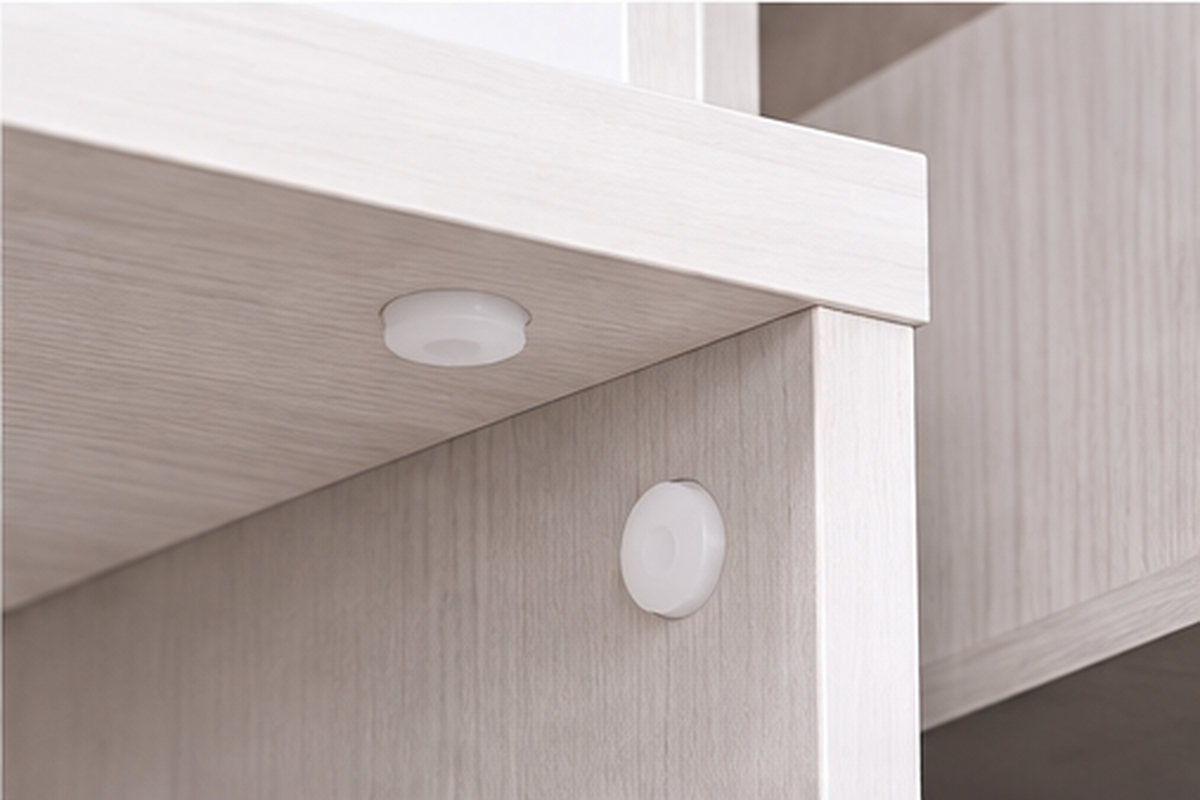
It hides exposed metal. It gives the connection a cleaner finish. It may reduce sharp contact points. It can help protect the visible hardware from moisture, dust, and daily handling. In some furniture kits, it also makes the product feel more complete.
That is why buyers should not treat a protective nut cover as an afterthought.
For kitchen cabinets, bathroom furniture, wardrobes, cupboards, modular storage, and flat-pack furniture, a protective PVC nut cover or M6 screw nut cap should match the connector, the environment, the appearance standard, and the packaging plan.
The JHFix product page identifies this item as a Wholesale Anti-rust Protective PVC Nut Cover M6 Screw Nut for Kitchen Bathroom Cabinet Furniture Connector. The specification table lists product name Nylon Nut, brand name Jinhe, packing Carton, suitable for Cabinet, specification M6, material Carbon steel, plating Zinc, Nickel, Natural(Custom), head style Pan or Round, application Connection, Fastening, and place of origin Guangdong, China.
Product information from the JHFix page
| Item | Product Information |
|---|---|
| Product Title Direction | Wholesale Anti-rust Protective PVC Nut Cover M6 Screw Nut for Kitchen Bathroom Cabinet Furniture Connector |
| Product Name | Nylon Nut |
| Brand Name | Jinhe |
| Packing | Carton |
| Suitable For | Cabinet |
| Specification | M6 |
| Material | Carbon steel |
| Plating | Zinc, Nickel, Natural(Custom) |
| Head Style | Pan or Round |
| Application | Connection, Fastening |
| Place of Origin | Guangdong, China |
The page title uses “PVC Nut Cover” and “M6 Screw Nut,” while the specification table lists “Nylon Nut” and “Carbon steel.” This wording should be clarified before ordering.
For buyers, the key lesson is simple: confirm the real product structure. Is it a PVC cover, a nylon nut, a metal nut with cover function, or a product family that includes several related options?
Do not guess from the title alone.
What does a protective nut cover do?
A protective nut cover is usually used to cover exposed fastening hardware.
In furniture and cabinet applications, this may serve several purposes:
- improve the finished appearance
- cover exposed screws or nuts
- reduce direct contact with metal edges
- help protect the connector area
- match furniture color or style
- make the assembly look more complete
- organize hardware kits for end users
- reduce complaints about unfinished-looking connections
For consumers, the benefit is easy to understand. A cabinet with covered hardware looks cleaner than one with exposed rough fittings.
For B2B buyers, the value is also practical. A cover can improve product presentation, reduce user confusion, and make the hardware kit feel more intentional.
This matters especially for furniture sold online. Customers often judge quality during assembly. If the final visible hardware looks rough, they may think the whole product is lower quality.
Where M6 screw nut covers are used
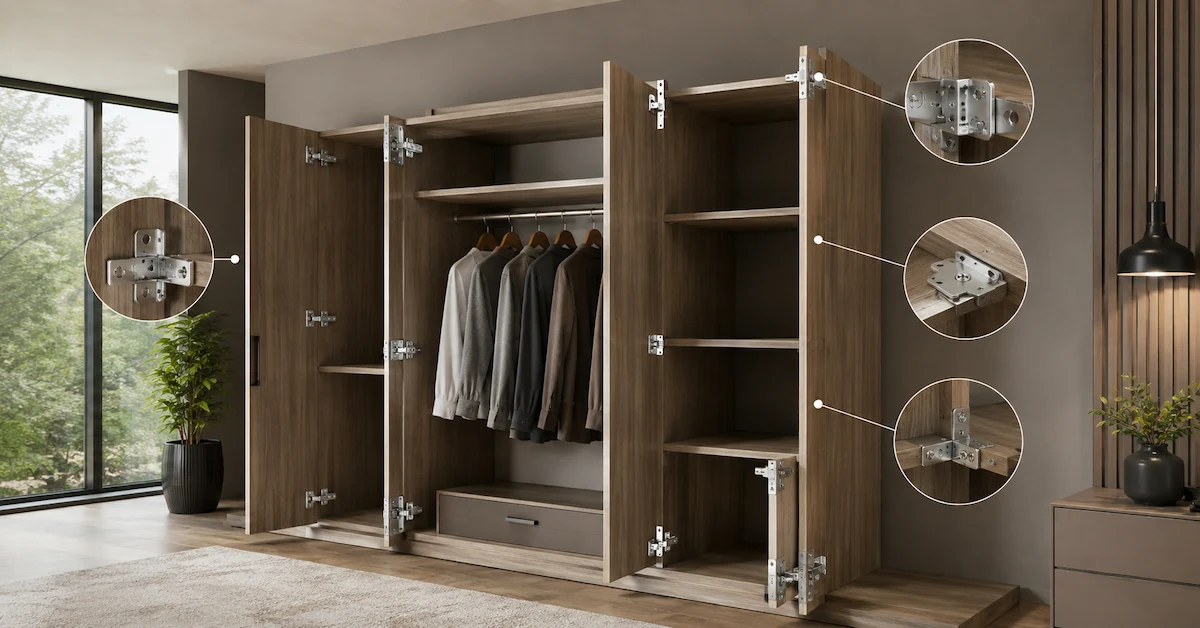
The product title mentions kitchen, bathroom, cabinet, and furniture connector use.
That makes this product direction relevant for:
- kitchen cabinets
- bathroom cabinets
- wardrobe hardware
- cupboard connectors
- vanity units
- modular storage cabinets
- flat-pack furniture
- shelf support covers
- cabinet connector caps
- furniture repair kits
- OEM hardware bags
- retail furniture accessories
Kitchen and bathroom use deserve special attention because moisture is more common in those spaces. A buyer should ask whether the cover and underlying hardware are suitable for the expected environment.
A kitchen cabinet may face steam, hand contact, and cleaning. A bathroom cabinet may face humidity. A wardrobe may have lower corrosion exposure but higher appearance expectations. A flat-pack furniture kit may need covers that are easy for consumers to identify and install.
The same cover style may be used in several applications, but the final specification should follow the real environment.
Anti-rust protection: what buyers should understand
The product title uses “anti-rust protective” wording.
Buyers should interpret this carefully.
A plastic or PVC-style cover may help cover exposed metal and reduce direct contact with moisture or dirt. It may also improve appearance. But a cover alone does not automatically make the whole connection rust-proof in every environment.
The underlying nut, screw, or connector still matters.
The product table lists plating options as Zinc, Nickel, and Natural custom. These finishes should be reviewed together with the cover function.
Before buying, ask:
What is the actual cover material?
Is the cover PVC, nylon, or another plastic?
What metal part is underneath?
Is the nut carbon steel?
What plating will be supplied?
Will the cover fully cover exposed metal?
Can water enter behind the cover?
Will the cabinet be used in a kitchen, bathroom, or dry room?
Can the cover stay in place after repeated use?
A protective cover is useful, but it should be part of a full hardware strategy.
M6 compatibility is the first practical check
The page lists specification as M6.
For buyers, this means the cover or nut direction should be reviewed with M6 hardware. But M6 alone does not define the full fit.
The cover must match:
- nut outer shape
- screw or bolt size
- head style
- connector position
- clearance around the hardware
- installation direction
- furniture surface design
- whether the part is visible or hidden
If a cover is too loose, it may fall off. If it is too tight, it may crack or be hard to install. If the cover is too tall, it may interfere with a shelf, drawer, hinge, or panel.
Consumers should compare the replacement cover with the original hardware. B2B buyers should test the cover with the actual connector set.
Head style and connector fit
The product table lists Pan or Round head style.
This matters because a cover or cap must fit the shape it is covering. A pan-style or round-style fastener may need different clearance. If the cover is designed around one shape and used on another, it may not sit well.
Ask:
Does the cover fit a pan or round head?
Does it cover the whole nut or only the top?
Does it snap, press, or slide into place?
Will it remain secure during use?
Does it match the visible cabinet style?
Can users install it without tools?
A cover should make the furniture easier to finish, not harder.
Material wording: PVC, nylon, and carbon steel
The product title mentions PVC nut cover, while the product table lists Nylon Nut and material Carbon steel.
This needs confirmation before ordering.
A possible product structure may involve a plastic cover with metal nut-related hardware, but the page text alone does not fully explain the construction. Buyers should ask the supplier for a drawing, sample, or product structure image.
Clarify:
Is the visible cover PVC or nylon?
Is there a carbon steel nut inside?
Is the product a cover, a cap nut, or a combined fastening part?
Which part is load-bearing?
Which part is decorative or protective?
What plating is used on the metal component?
Can the plastic color or shape be customized?
This is especially important for OEM furniture kits. If the buyer expects a plastic cover but receives a metal nut, the product cannot be used as intended.
Packaging for furniture kits
The product page lists carton packing.
For bulk factory use, cartons may be suitable. For consumer-facing furniture kits, the inner packaging is just as important.
Nut covers are small. They can be lost, mixed, or confused with other caps. If the kit contains several covers, screws, cams, dowels, bolts, and brackets, the cover should be clearly identified.
Useful packaging options include:
| Packaging Need | Recommended Check |
| Bulk factory use | Carton packing with inner bags and size labels |
| Flat-pack furniture kit | Small labeled bag matching the assembly step |
| Retail repair pack | Clear pouch or small box with size marking |
| Kitchen/bathroom cabinet kit | Moisture-aware packaging and clear product labels |
| OEM furniture program | Custom labels, batch codes, and approved part numbers |
| Mixed hardware kit | Separate covers from screws, nuts, washers, and cams |
Good packaging helps the consumer finish the furniture without calling customer service.
For B2B buyers, it also reduces assembly errors and replacement requests.
How consumers should choose a nut cover
A consumer usually buys this product because a cover is missing, broken, loose, or unattractive.
Before buying, check:
What screw or nut needs covering?
Is it M6?
What shape is the exposed hardware?
Is the old cover PVC, nylon, or another plastic?
Is the part in a kitchen or bathroom?
Does color matter?
Will the cover interfere with a drawer, shelf, hinge, or door?
Can it be installed by hand?
A cover that looks correct online may not fit the actual nut.
Try a small quantity first if the exact original part is unknown.
How B2B buyers should choose
For B2B buyers, the cover should be approved with the full furniture connector system.
Do not approve it alone.
Test it with:
- the actual M6 screw or nut
- the connector hardware
- the cabinet panel
- the planned packaging
- the instruction sheet
- the intended installation sequence
- the expected use environment
If the cover is for kitchen or bathroom furniture, review moisture and cleaning exposure. If it is for flat-pack furniture, make sure the consumer can identify it easily. If it is used in OEM kits, make sure future batches match the approved sample.
Company and product advantages
For this product, the advantages come from practical application fit.
The product page connects the item with Jinhe branding, cabinet suitability, M6 specification, connection and fastening application, carton packing, and custom plating options. The title also positions it for kitchen, bathroom, cabinet, and furniture connector use.
For a B2B factory website, this gives buyers several reasons to inquire:
- product direction matches cabinet and furniture connectors
- M6 specification fits common furniture hardware systems
- custom plating options support different hardware appearances
- carton packing supports wholesale orders
- Jinhe branding and Guangdong origin help identify the supply source
- product can be discussed as part of a cabinet hardware kit
The biggest advantage is not just the cover itself. It is the ability to discuss the cover together with connector nuts, bolts, plating, packaging, and OEM furniture hardware needs.
Common buying mistakes
One common mistake is thinking all nut covers fit all nuts. They do not.
Another mistake is ignoring the product structure. The page wording includes PVC Nut Cover, Nylon Nut, and Carbon steel, so buyers should confirm the final structure.
A third mistake is buying by M6 only. The cover must match outer shape, head style, and clearance.
Buyers also sometimes forget the environment. Kitchen and bathroom cabinets may need more moisture-aware hardware decisions.
The final mistake is poor packaging. A cover that gets lost in a hardware bag creates a bad customer experience.
Frequently Asked Questions
What is a protective PVC nut cover used for?
It is used to cover or protect exposed nut or screw hardware in cabinet, kitchen, bathroom, and furniture connector applications.
What specification is listed on the product page?
The product page lists specification as M6 and suitable use for cabinet.
Is the product PVC, nylon, or carbon steel?
The title mentions PVC nut cover, while the specification table lists Nylon Nut and material Carbon steel. Buyers should confirm the final product structure before ordering.
What plating options are listed?
The page lists Zinc, Nickel, and Natural custom plating options.
Where can this product be used?
The title positions it for kitchen, bathroom, cabinet, and furniture connector use. Buyers should test it with the actual M6 connector hardware before ordering.
Final takeaway
A protective nut cover is not only a small finishing part.
It affects how the cabinet looks, how the hardware feels, and how easily the consumer completes the assembly.
The cover must fit the nut.
The size must match M6 hardware.
The material structure must be clear.
The plating and protection strategy must suit the environment.
The packaging must prevent missing parts.
The supplier must repeat the approved specification.
For protective PVC nut covers, M6 screw nut caps, anti-rust nut covers, kitchen cabinet hardware caps, bathroom cabinet connector covers, furniture connector caps, and OEM plastic nut cover programs, Jiangmen Jinhe Hardware can discuss samples, size matching, plating options, packaging, and repeat supply.
Start with the connector size, exposed nut shape, cabinet environment, cover material, plating requirement, packaging method, and order quantity.
Once those details are clear, the right protective nut cover becomes much easier to choose, install, and reorder.