
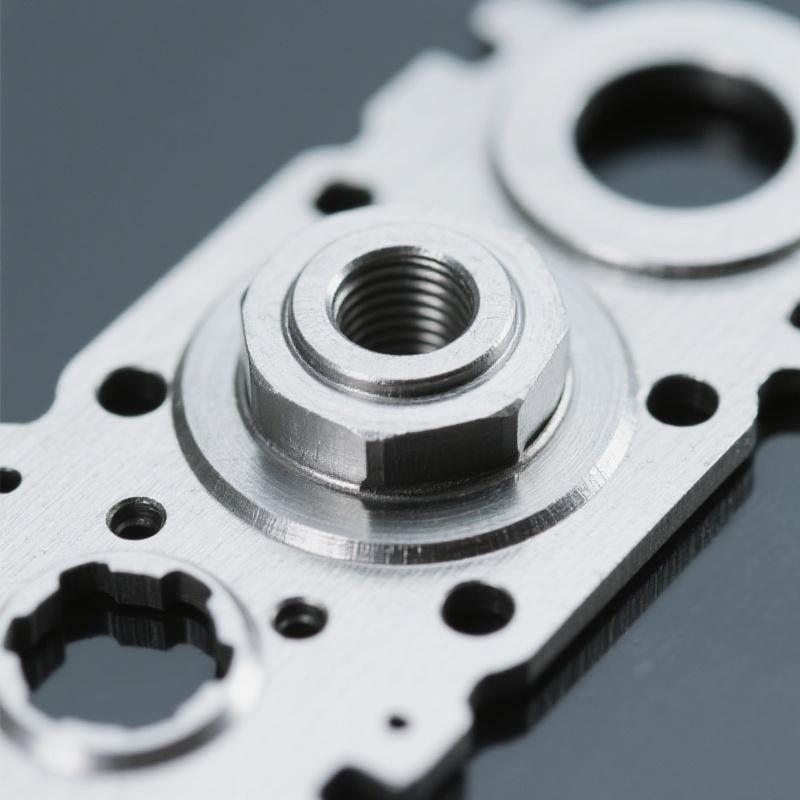
A stamped part may look simple on paper. In real production, though, it becomes something else entirely.
A bracket hole shifts by 0.2 mm. A stamped edge develops burrs after repeated tooling cycles. Material springback changes the assembly angle just enough to slow installation. Suddenly, what should have been a stable OEM production run becomes a chain of delays, adjustments, and rework.
This is one of the biggest frustrations buyers face when sourcing from an OEM stamping parts manufacturer.
The issue usually isn’t catastrophic failure. It’s inconsistency. Tiny variations repeated thousands of times across industrial production.
At JHFIX, we approach OEM stamping not as isolated part production, but as a process-controlled manufacturing system. Tooling precision, material behavior, forming pressure, surface finishing, packaging, and repeat-order consistency are managed together to reduce variability before it reaches the assembly line.
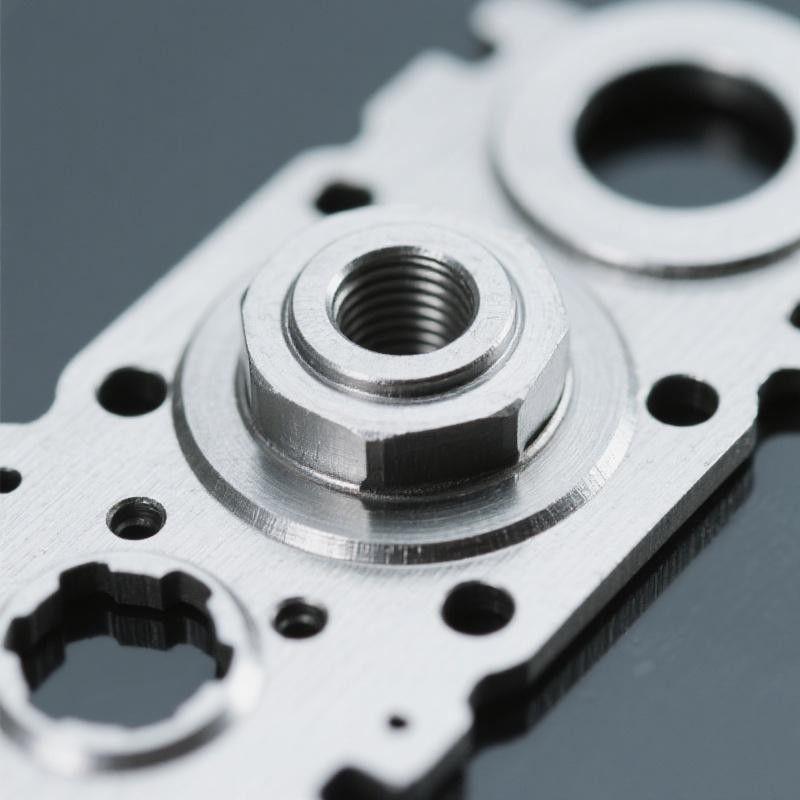
Material Behavior Directly Affects Stamping Accuracy
Different materials react differently under pressure. Some deform easily. Others resist forming but create tooling wear or edge cracking over time.
That means material selection cannot rely only on cost or tensile strength.
| Material Type | Formability | Corrosion Resistance | Typical OEM Use | Production Stability |
|---|---|---|---|---|
| Carbon Steel | High | Medium | Industrial brackets | Stable |
| Stainless Steel 304 | Medium | High | Outdoor assemblies | Moderate |
| Stainless Steel 316 | Medium | Very High | Marine systems | Moderate |
| Aluminum Alloy | High | Medium | Electronics & lightweight parts | High |
| Galvanized Steel | Medium | High | Electrical cabinets | Stable |
According to ASM International, material hardness variation and springback behavior significantly affect dimensional repeatability in high-volume stamping operations.
A professional OEM stamping parts manufacturer evaluates material not only by specification sheets, but by how consistently it behaves across repeated production cycles.
Why OEM Buyers Care More About Repeatability Than Sample Quality
Almost every supplier can produce a good-looking prototype.
That is not the difficult part.
The real challenge appears during mass production:
- Tool wear begins affecting hole accuracy
- Burr formation increases secondary processing
- Material thickness fluctuation changes forming pressure
- Assembly alignment slowly becomes inconsistent
This is where many OEM projects begin losing efficiency.
At JHFIX, our production control focuses on long-cycle consistency:
- Precision die maintenance schedules
- Real-time dimensional inspection
- Controlled stamping pressure calibration
- Batch-level material traceability
- Stable repeat-order management
The goal is simple: every shipment should behave like the first approved sample.
Tooling Precision Determines Final Product Reliability
In OEM stamping, tooling is not just equipment. It is the foundation of dimensional stability.
Even minor die wear can create:
- Hole offset
- Burr edges
- Cracking around bends
- Uneven surface deformation
Tooling optimization includes:
- CNC precision die machining
- Scheduled die wear analysis
- Controlled punch alignment
- Stable forming pressure monitoring
Organizations like International Organization for Standardization emphasize that manufacturing repeatability is critical for industrial assembly consistency.
A qualified OEM stamping parts manufacturer understands that process stability matters more than short-term production speed.
Surface Finishing Is More Than Appearance
Surface treatment is often underestimated in OEM stamping projects.
In reality, finishing directly affects:
- Corrosion resistance
- Assembly friction
- Product lifespan
- Customer quality perception
Common finishing methods include:
- Zinc plating
- Powder coating
- Black oxide treatment
- Deburring and polishing
- Anodizing for aluminum parts
Poor finishing coordination often introduces new dimensional inconsistencies after stamping.
At JHFIX, secondary processing is integrated into the overall production workflow to maintain stable tolerances throughout manufacturing.
Why Packaging Becomes an Efficiency Problem in OEM Production
Packaging problems usually appear downstream.
Workers spend extra time sorting mixed components. Surface scratches appear after transportation. Incorrect quantities interrupt assembly preparation.
These are surprisingly common issues in OEM supply chains.
A professional OEM stamping parts manufacturer should treat packaging as part of production efficiency—not simply logistics.
| Packaging Type | Protection Level | Workflow Efficiency | OEM Suitability |
|---|---|---|---|
| Loose bulk cartons | Low | Low | Poor |
| Standard separated packaging | Medium | Medium | Moderate |
| Customized OEM packaging | High | High | Excellent |
Custom packaging systems aligned with assembly order can significantly reduce preparation time and improve workflow stability.
A Real OEM Case: Solving Assembly Alignment Problems
An electrical equipment manufacturer experienced recurring installation issues with stamped mounting brackets.
The symptoms seemed inconsistent:
- Some brackets aligned perfectly
- Others required manual adjustment
- Rejection rates slowly increased over several production cycles
After process analysis, the main causes became clear:
- Progressive die wear
- Minor hole-position drift
- Burr accumulation affecting assembly fit
We implemented:
- Precision die recalibration
- In-process dimensional monitoring
- Improved deburring control
- Packaging separation based on assembly sequence
The results were measurable:
- Assembly alignment consistency improved significantly
- Production interruptions decreased
- Inspection rejection rates dropped noticeably
Nothing about the product design changed. The manufacturing system did.
Where OEM Stamping Parts Create the Most Value
Precision OEM stamping solutions are especially important in:
- Electrical equipment manufacturing
- Industrial machinery systems
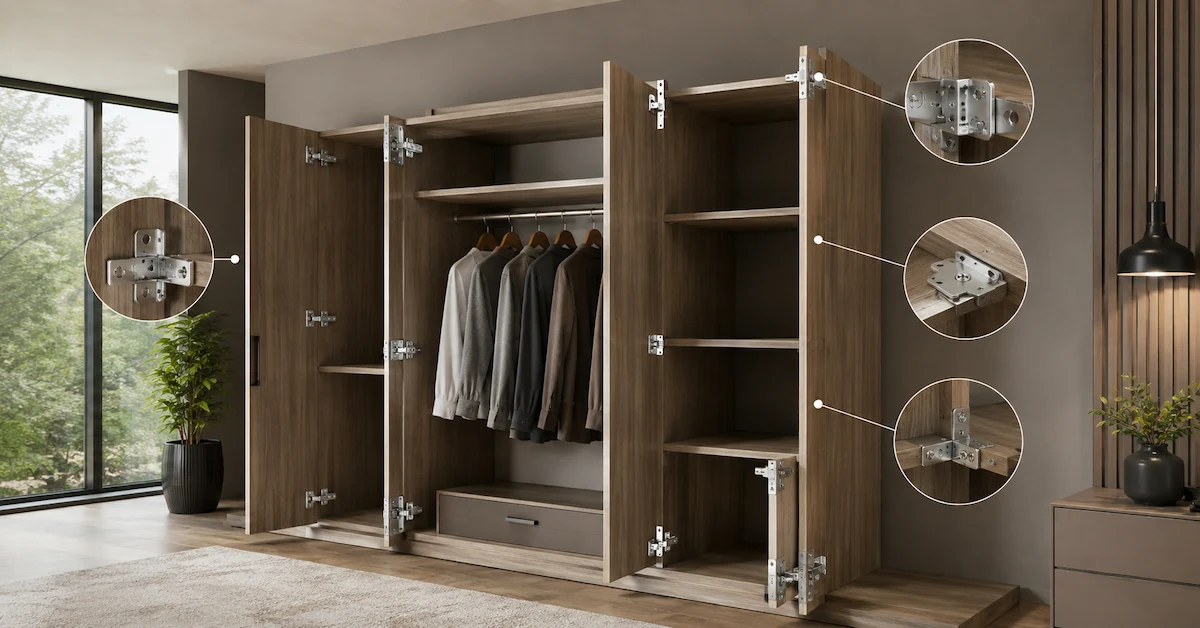
- Furniture hardware production
- Automotive structural components
- Consumer electronics assembly
In these industries, dimensional consistency directly affects production efficiency, labor cost, and final product quality.
Frequently Asked Questions
Q1: What is the biggest issue in OEM stamping production?
Dimensional inconsistency caused by tooling wear and unstable process control across repeat production cycles.
Q2: How can OEM buyers reduce assembly problems?
By working with an OEM stamping parts manufacturer that prioritizes tooling maintenance, process repeatability, and in-process inspection.
Q3: Does custom packaging really improve production efficiency?
Yes. Organized OEM packaging reduces sorting time, prevents surface damage, and improves assembly workflow stability.
Stable OEM Stamping Production Depends on Process-Level Control
OEM stamping is not simply about shaping metal. It is about maintaining precision across thousands—or millions—of repeated cycles without losing consistency.
At JHFIX, we focus on delivering OEM stamping solutions built around tooling precision, process stability, and industrial repeatability.
To learn more about our manufacturing capabilities and production systems, visit our About Us page:
https://www.jhfix.com/about-us
You can also explore our stamping and hardware product range here:
https://www.jhfix.com/products
For additional technical information and production-related questions, visit our FAQ page:
https://www.jhfix.com/faq
If you are looking for a more reliable OEM stamping parts manufacturer for industrial or OEM projects, contact our team here:
https://www.jhfix.com/contact-us