
Why should wholesale self-tapping screws receive more attention than usual?
Wholesale self-tapping screws may seem simple, but when production lines begin using them in large quantities, it becomes apparent that the screws are prone to stripping, rusting, or protruding from the surface, as if something shouldn't be there. For engineers and purchasing teams, the real challenge isn't just bulk purchasing fasteners, but rather ensuring the assembly process is fast, repeatable, and efficient in the best possible way. Therefore, careful consideration is needed before purchasing wholesale self-tapping screws, especially when applications span cabinetry, interior decoration, light construction, and general assembly.
Good screws can save labor, avoid rework, and make the finished product look like it was hastily assembled during a lunch break. Inferior screws, on the other hand, have the opposite effect. The difficulty lies in the fact that there are many types of screws, and their naming is not standardized. Moreover, many factors depend on the screw's material, plating, head style, and whether it is truly suitable for the substrate you are using.
What do you usually buy in this category?
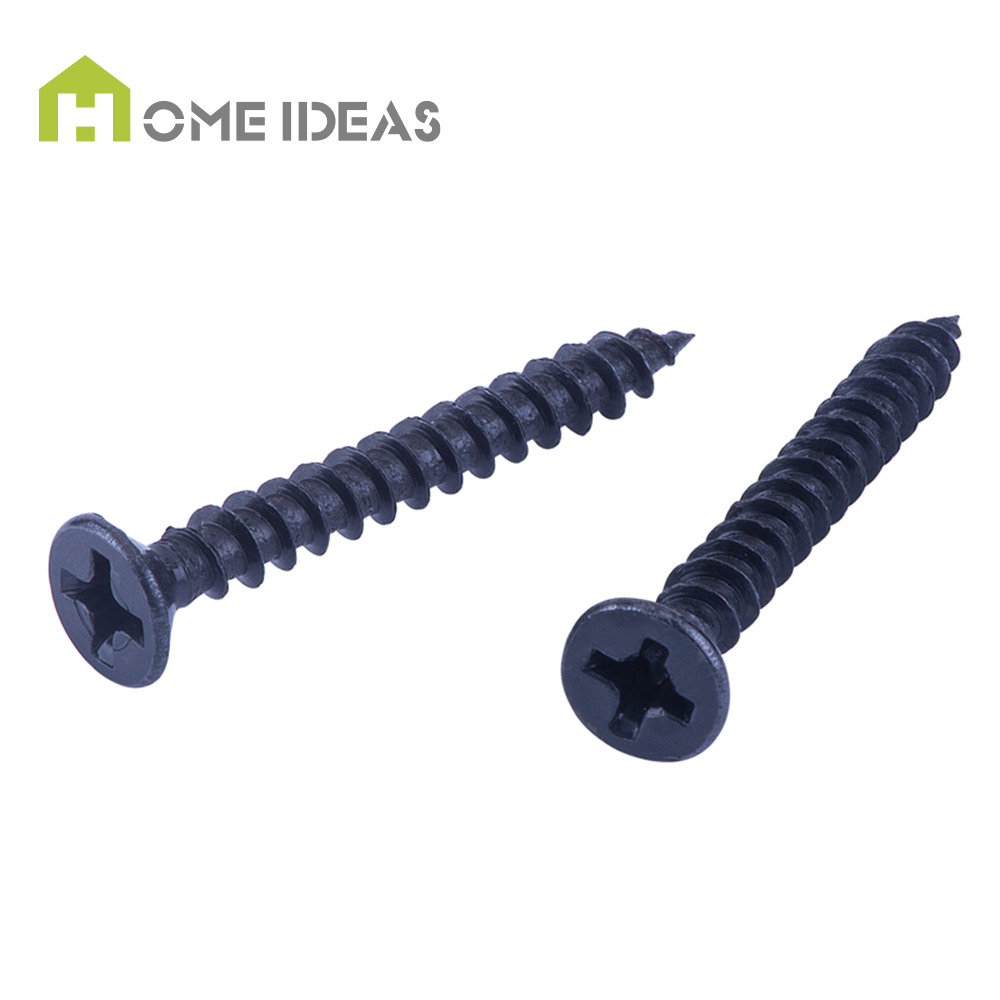
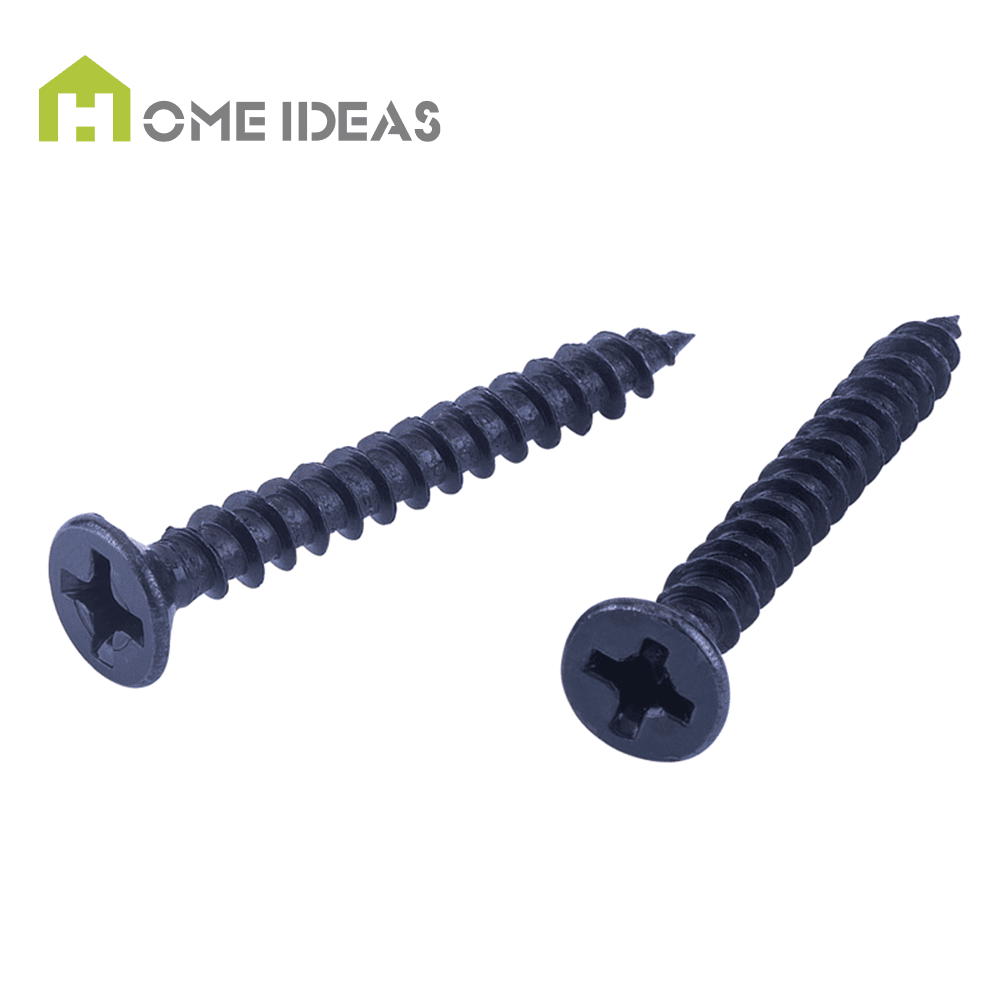
The products mentioned here appear to be a series of countersunk screws with sharp tips and coarse threads. In appearance, they resemble self-tapping screws or wood screws, designed to engage with materials and be flush or nearly flush with surfaces. They are coated with a yellow zinc or similar pearlescent coating, which is common in general-purpose fastening hardware.
Appearance is more important than sound. Countersunk threads contribute to a clean, crisp installation. Coarse threads help maintain a strong grip on wood, particleboard, MDF, and similar materials. Tapered threads help screws start smoothly and prevent excessive offset, which is especially important to avoid complaints from production workers on the drilling table.
The diagram shows four size specifications, which is exactly what buyers want, as it indicates that the supplier can meet mixed-size requirements or phased assembly requirements. However, unless explicitly documented, do not assume that all screws in this series use the same base material or coating.
The really important supplier issues
When you're negotiating with self-tapping screw suppliers or comparing self-tapping screw manufacturers, the first question shouldn't be "What's your lowest price?", but rather "What is this screw specifically used for?". Asking just one question can save you a lot of time on back-and-forth communication.
Inquire about the substrate the screws are designed for. Screws designed for wood or particleboard may not be suitable for harder materials, and screws labeled as generic may obscure many details. If your team requires corrosion-resistant stainless steel self-tapping screws, specify this as early as possible. If appearance is important, confirm the screw head shape and plating. If the screws will be used in branded components, request the relevant standards or drawings before anyone begins packing.
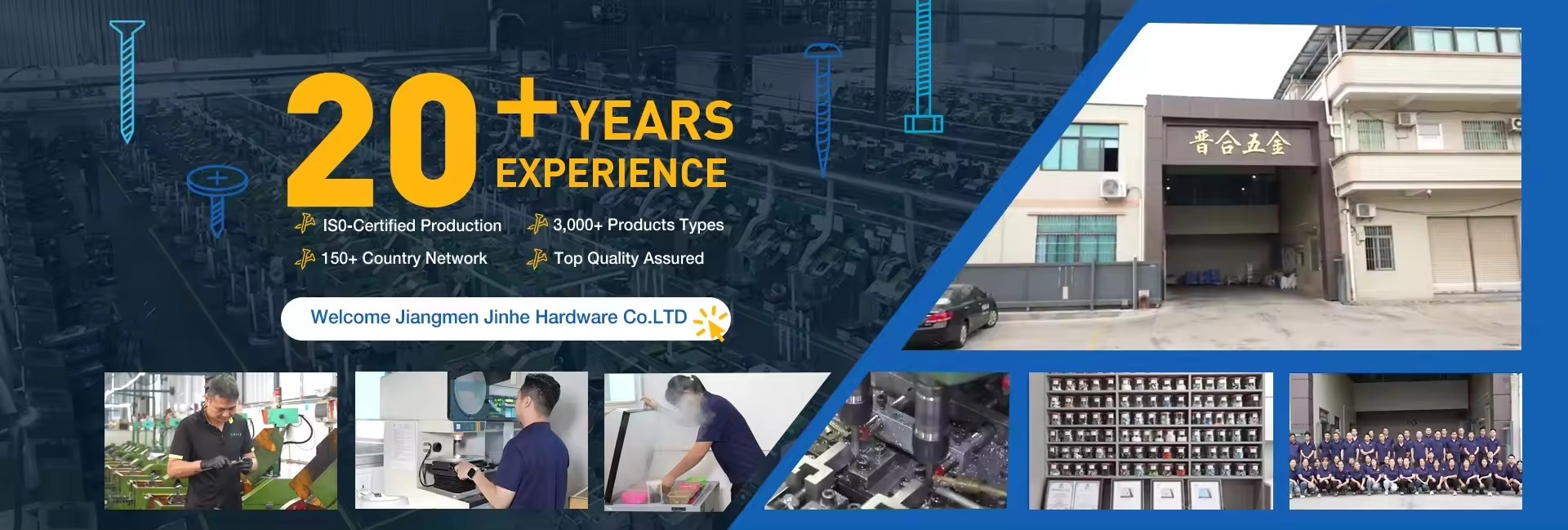
Jiangmen Jinhe Hardware Co., Ltd. manufactures a wide variety of machine screws, self-tapping screws, miniature screws, and precision screws, made from materials including stainless steel, iron, and aluminum. The company states that its products comply with GB, DIN, ANSI, BS, JIS, and ISO standards, serving industries such as electronics, medical devices, automation, furniture, and building materials. For buyers, this diversified product portfolio demonstrates the company's experience in both standard fastener production and custom machining, which is generally far more effective than explaining thread specifications to ordinary traders after a purchase order has been placed.
What should be compared before placing a bulk order?
If you are purchasing self-tapping screws in bulk, there are other factors to consider besides length and head style. Thread geometry, plating quality, and batch-to-batch consistency all affect tightening torque and assembly speed. This is especially important in furniture production lines, appliance manufacturing, and packaging operations, where these industries may need to install thousands of fasteners per week.
Wholesale prices for self-tapping screws are certainly part of the discussion, but the cheapest offer isn't always the best deal. Slightly better screws can reduce stripping, thread damage, and operator complaints. These costs are often hidden until they become apparent.
Practical Tip: If the application environment is outdoor, humid, or exposed to cleaning chemicals, the choice of surface treatment requires extra care. Zinc-plated or similarly coated screws may perform well in many indoor applications, but the final choice should depend on the specific environment.
Quick Buyer Check
Before approval, please confirm the following information: material, plating or coating, head style, thread type, target substrate, size range, inspection documents, and packaging. This may sound tedious, and it is, but that's precisely the key. Fasteners may seem insignificant, but they often determine whether an assembly's final appearance is professional or merely a finished product.
Common mistakes in fastener procurement
A common mistake is assuming all self-tapping screws are interchangeable, which is not the case. Another common mistake is assuming that a glossy plating surface necessarily indicates good corrosion resistance, which is not true. Furthermore, buyers sometimes order based solely on appearance, neglecting to check whether the screw head perfectly matches the part's design.
Another common mistake is buying a product for only one prototype, only to later discover that the production line requires three different lengths instead of one. Therefore, bundled packaging is very useful if the supplier can guarantee consistency across different specifications.
Frequently Asked Questions from the Procurement Team
Are self-tapping screws only suitable for metal?
No. Depending on the design, they are also widely used in wood, particleboard, medium-density fiberboard, cabinetry, upholstery, and lightweight building components.
Should I automatically select stainless steel self-tapping screws?
This is not always the case. Stainless steel may be a good choice in terms of corrosion resistance, but it is not always necessary. The best choice depends on environmental factors, cost objectives, and aesthetic requirements.
What should I ask the self-tapping screw manufacturer first?
Request product drawings or specifications, material declarations, surface treatment descriptions, and inspection documents. This information will help you understand the product better than shiny product catalog photos.
Buyer's next steps
If you are evaluating the wholesale self-tapping screws needed for a project, start with the application scenario, not the price list. Clearly define your actual requirements for materials, finishes, head styles, and size ranges, then ask suppliers to demonstrate the consistency of their product quality. Jiangmen Jinhe Hardware Co., Ltd. is a manufacturer integrating standard and non-standard fastener production, export support, and logistics services, which is very useful if you need to source across borders and do not want complicated shipping routes.
For an accurate quote or technical discussions, please contact our team directly and prepare your drawings, target substrate, and surface treatment requirements. Fasteners may be small, but the consequences of choosing the wrong one should not be underestimated.