
Why do carbon steel self-tapping screws still appear on so many production lines?
Carbon steel self-tapping screws are those unassuming yet crucial components that ensure components don't loosen or fall off after the first shipment, the first handling, or disassembly by the first enthusiastic customer with a screwdriver. For purchasing managers and engineers, the question isn't whether they're useful, but in what situations they are the appropriate fastening option and whether they're merely cheap shortcuts that may end up rusted or stripped.
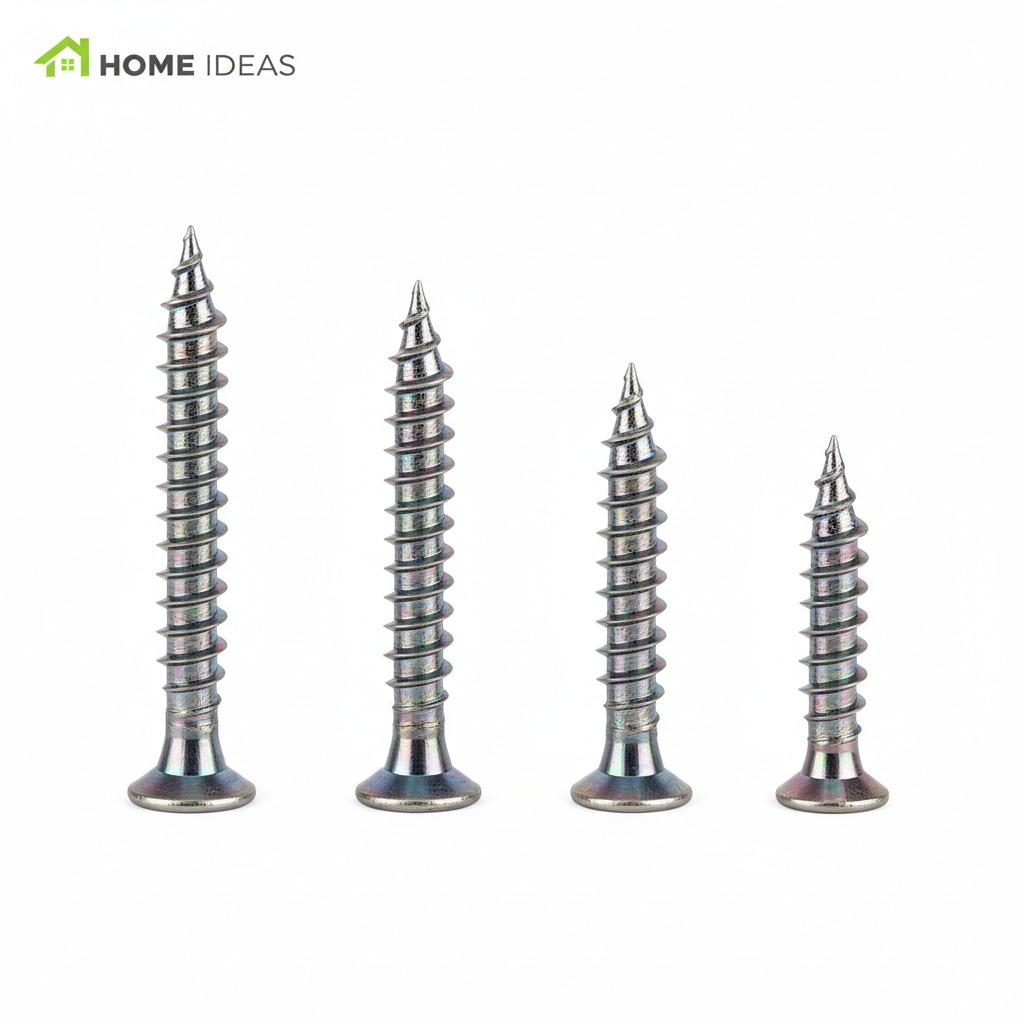
Simply put, these screws automatically cut or form threads when screwed into the substrate. Therefore, they are ideal for wood, composite boards, certain plastics, and other light assembly work. The screw described here features a sharp head, a deep and wide thread pitch, and a countersunk head for flush installation. This combination is common in furniture, interior design, DIY kits, and light construction, where nobody wants a protruding screw head to snag hands, wires, or annoy customers.
Quick Read: Problems Buyers Typically Try to Solve
If you're comparing carbon steel self-tapping screws with other fastening methods, the final decision usually comes down to four factors: holding force, appearance, corrosion resistance, and installation speed. Self-tapping designs reduce pre-treatment steps. Countersunk designs blend seamlessly into surfaces. Coatings improve their resistance to everyday moisture. And, if manufactured and coated properly, carbon steel is often a cost-effective option.
That said, the term "self-tapping" is often misused in the market, and buyers need to be wary. Some screws are better described as self-drilling screws, some are self-tapping threads, and some are more like traditional wood screws. While the actual effect may be similar, the base material, screwing torque, and pre-drilled hole requirements are not always the same. Do not assume that all metal self-tapping screws are interchangeable; in actual production, screws often need to be adjusted according to specific circumstances.
The product's appearance features imply
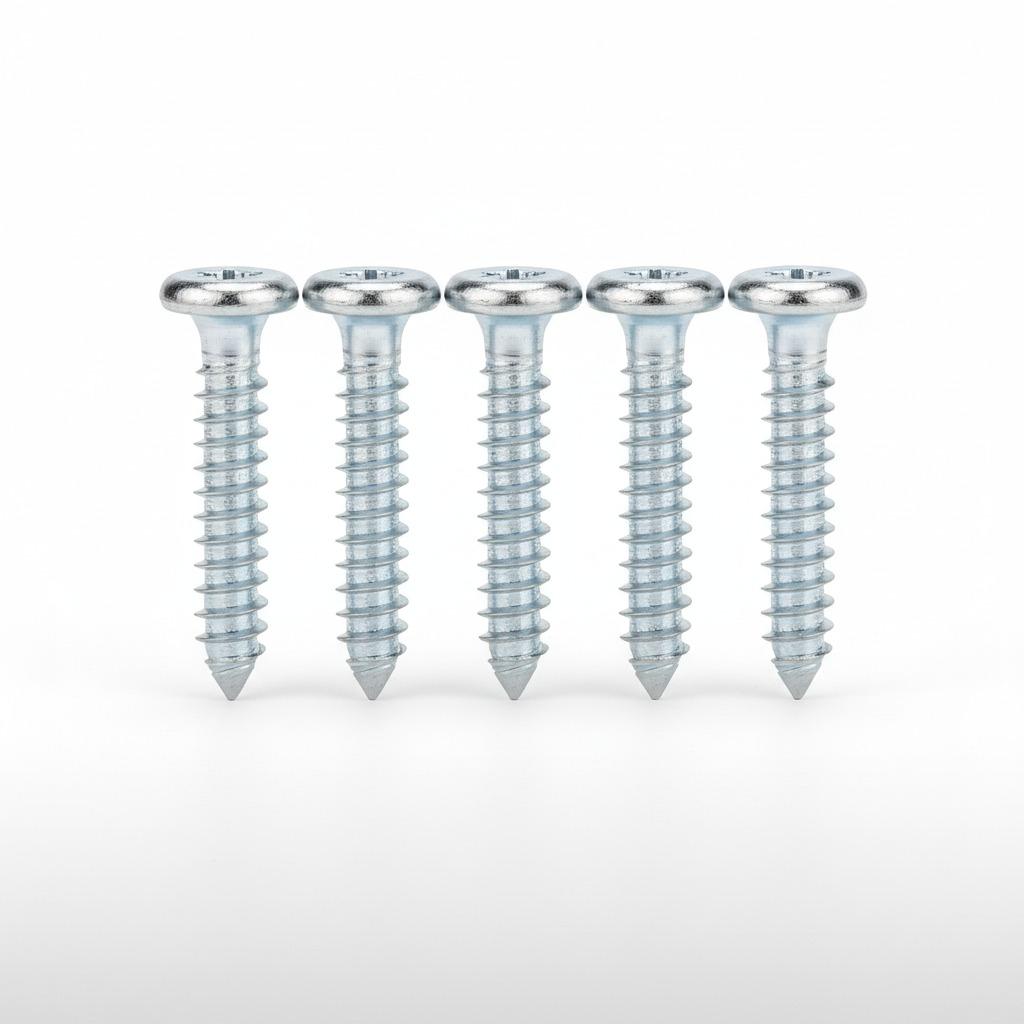
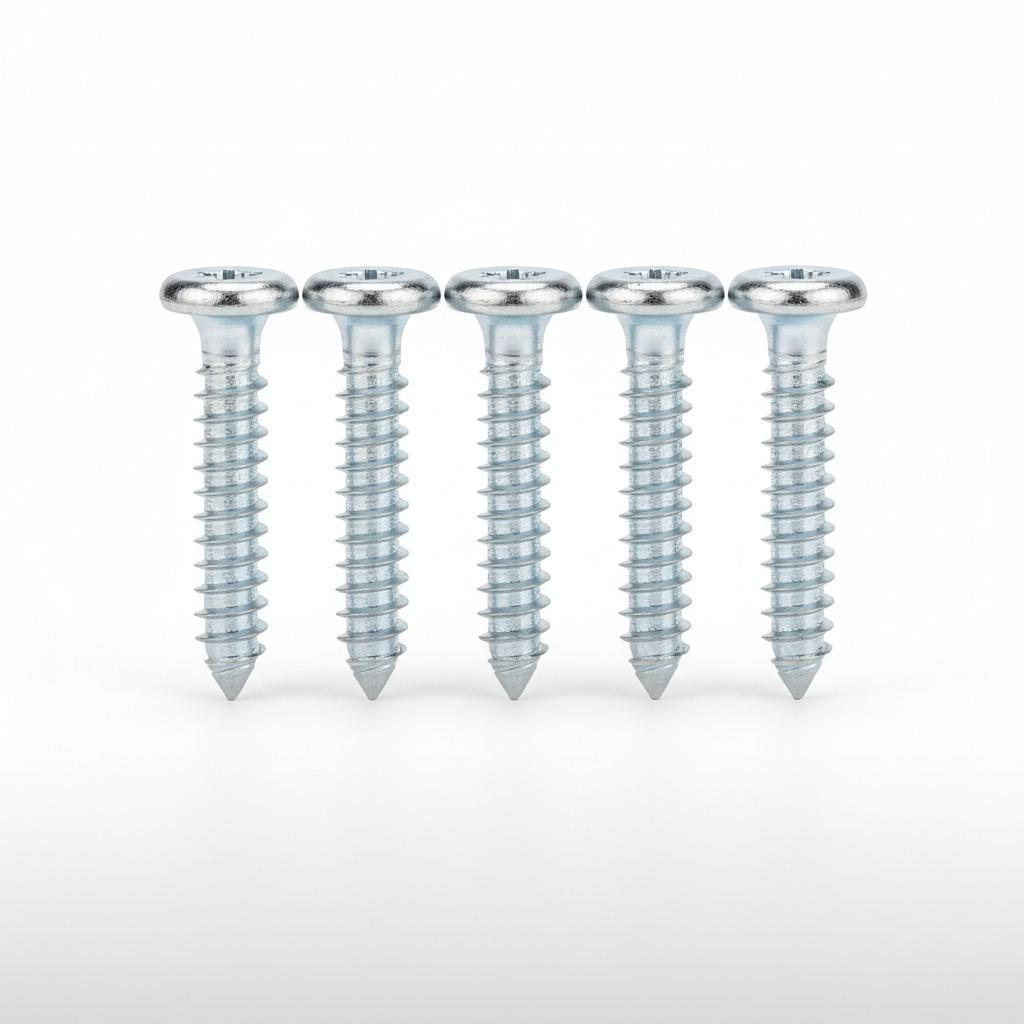
The product shown appears to be a cold-formed metal fastener with a galvanized or similar corrosion-resistant finish, giving it a pearlescent golden sheen. This surface treatment is not merely for aesthetics. In actual production, it helps the fastener withstand storage, handling, and use in relatively mild environments. The full-length threaded shank provides a gripping surface, while the pointed tip facilitates cutting or shaping actions on the target material.
Countersunk head is another practical detail. It allows for flush mounting, which is crucial in furniture panels, trim strips, cabinets, and many interior components. While protruding screw heads aren't always a bad thing, they can often be inconvenient for installers and end-users. If the screw head drive type is critical to your workflow, be sure to confirm it. Based on available information, the drive recess isn't always clearly visible, so it's unwise to assume a particular Phillips head self-tapping screw profile without reviewing samples or drawings.
Head shapes and their most suitable occasions
buzz cut
When a flush mounting is required by the design, flat-head self-tapping screws are ideal. They can be inserted into countersunk holes for a cleaner finish. However, the downside is that the countersunk holes must be precise enough to ensure the screw head is fully inserted. If the countersunk holes are not flat enough, the screw may protrude or have uneven engagement.
Pan head and hexagonal head
When the design prioritizes ease of drive or a larger load-bearing surface, pan head self-tapping screws and hex head self-tapping screws are typically chosen. They are suitable for certain sheet metal, bracket, and general fastening applications. If your assembly line is prone to stripping or operator haste, other types of screw heads may be more forgiving. This is not a moral judgment, but simply a matter of practical engineering design.
Material and Surface Treatment: Advantages of Carbon Steel
Carbon steel is a common base material for screws because it is economical, readily available, and suitable for cold forming and thread rolling. In many applications, surface treatment is just as important as the base material itself. Zinc plating or similar coatings can effectively prevent corrosion, especially in indoor environments or under controlled storage conditions. For more demanding operating environments, purchasing personnel should assess whether the surface treatment is sufficient to meet the requirements, rather than assuming that all coated parts perform the same way.
The most important consideration is simple: if the screws will be used in humid, chemically active, or outdoor environments, coating specifications become a crucial purchasing factor, not just a decorative description in the product catalog. This might be perfectly adequate for electronic device housings, electrical components, and furniture hardware. But not for coastal hardware. The ocean doesn't cater to your optimism like a sales brochure would.
Selection criteria that buyers should not ignore
When evaluating carbon steel self-tapping screws, the first consideration should be their compatibility with the substrate. Performance may vary when using the same screw with wood, composite boards, soft plastics, and some lightweight building materials. Next, examine the screw's head style, length, and thread geometry according to the connection requirements. Deeper threads can improve grip strength, but if the dimensions are incorrect or the guide hole is neglected, it can also lead to cracking in brittle materials.
Next, confirm the drive method and installation tools. While Phillips head self-tapping screws may be convenient for manual assembly, the fit between the screw head and the recess is far more important than people acknowledge in purchasing meetings. Screw slippage is not only annoying but also damages the screw head, reduces productivity, and causes scrap. Finally, ensure the screw finish matches the surrounding environment. This detail may seem insignificant on drawings, but it is crucial in practical applications.
Common mistakes in procurement and assembly
A common mistake is assuming all metal self-tapping screws are interchangeable because they look similar. This is not the case. Thread profile, hardness, head geometry, and coating all affect their performance. Another common error is specifying flush mounting without confirming the countersunk depth or faceplate thickness. The screw itself may be technically correct, but it still looks awkward, easily making the product appear less refined.
Buyers sometimes purchase screws that are too long. Increased length does not necessarily mean greater strength. If the screw tip penetrates the back of the panel, it can result in unsightly, unsafe, or both consequences. Choosing shorter but properly fitted screws is often a wiser approach.
What benefits can Jiangmen Jinhe Hardware bring?
Jiangmen Jinhe Hardware Co., Ltd., established in 2016 and located in Jiangmen City, Guangdong Province, primarily manufactures machine screws, self-tapping screws, miniature screws, and precision screws, made from materials including stainless steel, iron, and aluminum. The company's products comply with standards such as GB, DIN, ANSI, BS, JIS, and ISO, serving industries including electronics, medical devices, automation, home appliances, furniture, building materials, and cross-border e-commerce.
For buyers, this broad production range is crucial because it demonstrates the factory's ability to manufacture both standard and custom-made parts. The company also states that products undergo rigorous inspection before delivery and that customer support responds quickly to inquiries. Of course, these claims need to be verified according to standard supplier procedures, but they do indicate that the company prioritizes process management rather than simply mass production.
Practical Buyer FAQs
Is pre-drilling required? Generally yes, especially for harder or more brittle materials. Whether pre-drilling is needed depends on the substrate and the geometry of the screw.
Are these products only for wood? Not necessarily. They can also be used with wood, composite boards, soft plastics, and similar lightweight materials, but the final choice depends on the specific application.
Can I use them outdoors? Only if the materials and coatings are suitable for outdoor environments. Electroplating can help, but it's not a panacea.
The next step is the procurement team.
If you are comparing carbon steel self-tapping screws for a new project or existing components, be sure to request samples, confirm the screw head style, inspect the drive recess, and verify its surface finish according to the intended use environment. Small parts should only have small defects, not major problems. If you need standard or custom fasteners for furniture, appliances, or light construction, it is best to communicate with suppliers who can provide clear parts documentation, rather than relying solely on pictures in a product catalog to determine their engineering characteristics.