

Carbon steel self-tapping screws: small fasteners that can save a huge component.
Anyone who has witnessed a panel crack, a bracket loosen, or a worker searching for the "right" screw for the fourth time in ten minutes understands the allure of carbon steel self-tapping screws . They are theoretically simple, but in practice, choosing the wrong screw head style, tip geometry, or coating can cause significant problems. For engineers, purchasing managers, and product teams, selecting screws is more than just buying a screw; it's about ensuring they truly mesh securely and maintain an aesthetically pleasing appearance after installation.
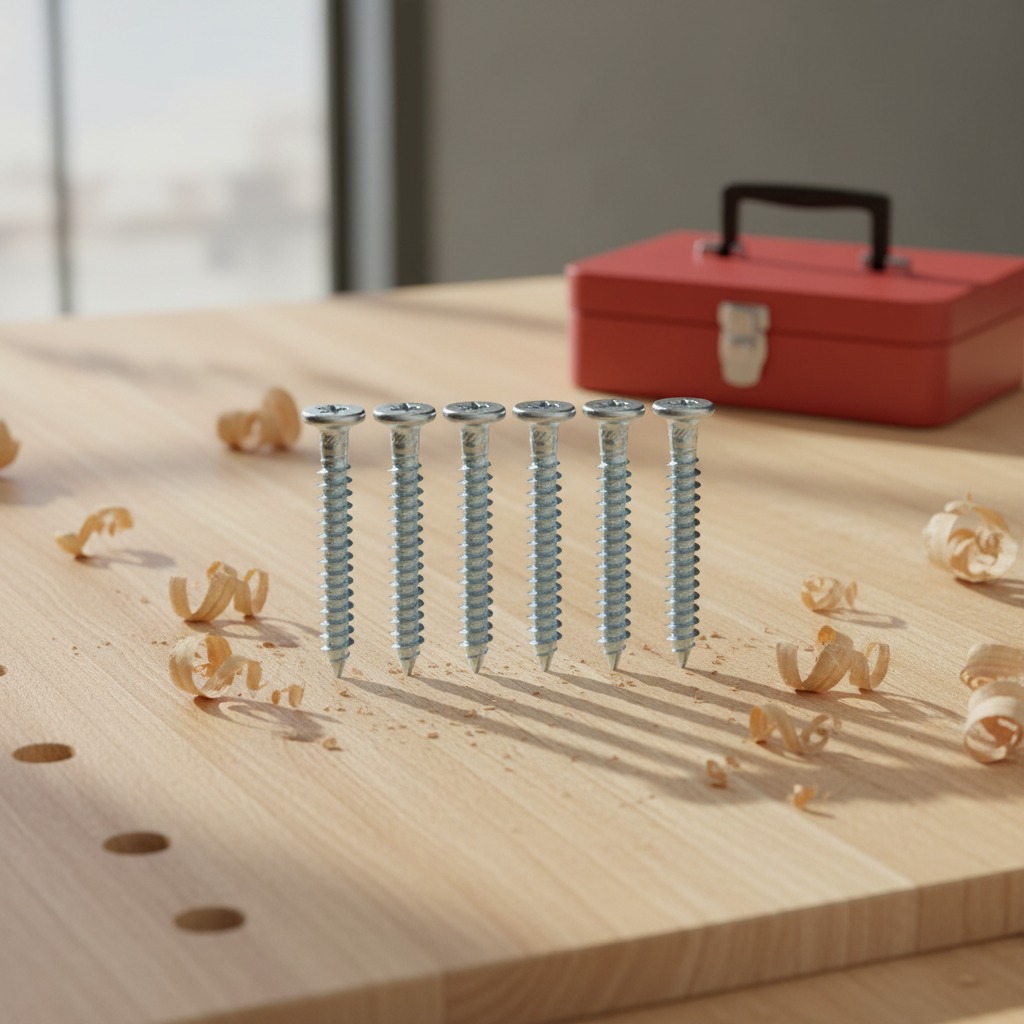
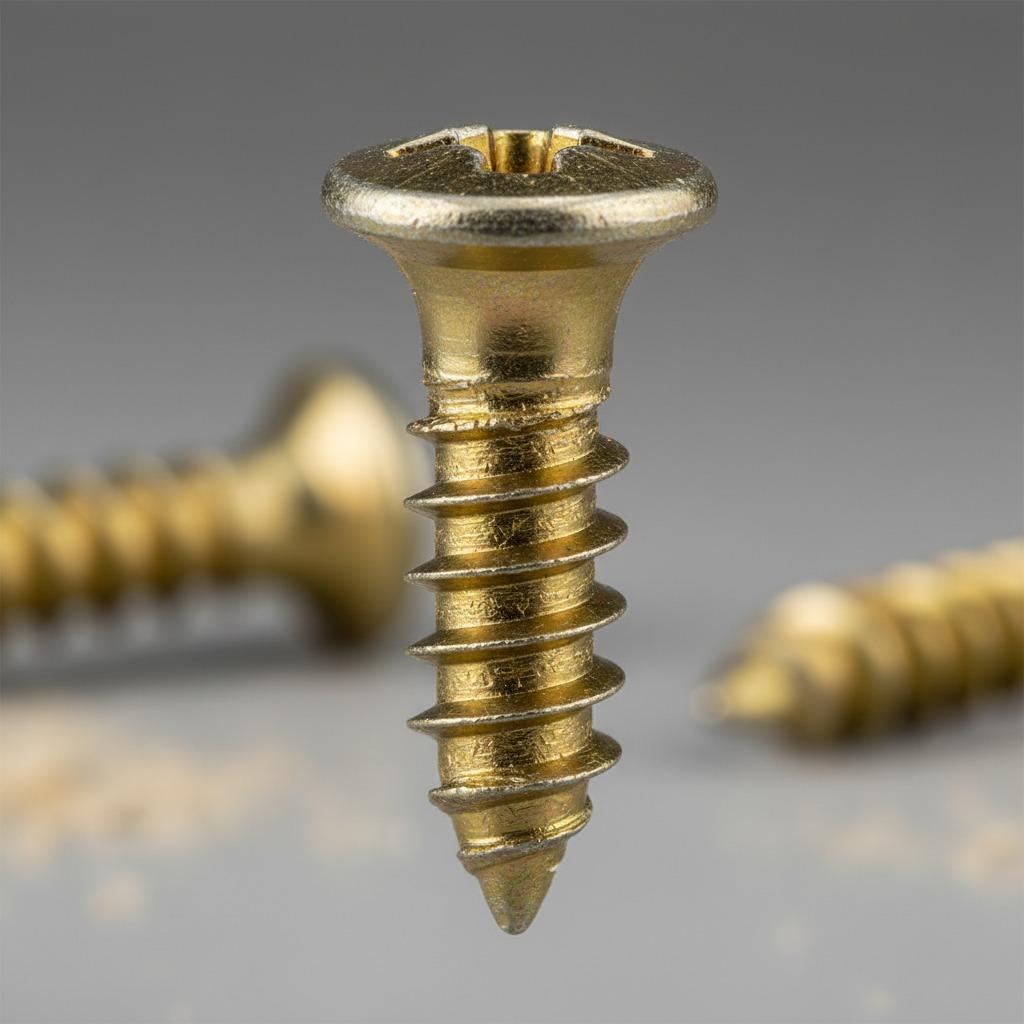
The product's shape is quite common: a sharp tip, coarse threads running the entire length, and a countersunk head with a wide, tapered bearing surface. This shape itself tells a lot. It's designed for screw-in installation without a nut and should be flush or nearly flush with the surface. In the hardware industry, this detail is often only noticed when improper installation causes the screw head to protrude, seemingly taking up the entire space.
What are these screws typically used for?
Carbon steel self-tapping screws are widely used in lightweight structural components, fasteners, housings, building materials, electrical appliances, furniture, and general hardware installations. The product data provided here also indicates their use in fiberglass or similar composite materials, but caution should be exercised unless confirmed by actual application. The same basic screw shape can be used on a variety of substrates, but its actual performance can vary considerably between metals, composites, and fiber-reinforced sheets.
Therefore, buyers should not assume that "self-tapping screws" mean universal compatibility. A screw that performs well in one composite material may cause cracking in another. A screw that feels excellent in thin metal sheets may perform poorly in fiberglass. Fasteners may seem insignificant, but they become crucial once they are put to use.
Quick Comparison of Common Head Shapes
Sinking head flat head
The part shown in the picture uses countersunk flathead screws. Countersunk flathead screws are a good choice if you want fasteners to be flush with surfaces, especially on panels, covers, and assembled housings. Additionally, countersunk flathead screws are a practical option when hooks are a consideration.
Pan head self-tapping screws
Pan head self-tapping screws are typically chosen when a larger bearing surface is required and flush mounting is not necessary. They are easy to inspect and remove, so technicians often prefer them over most meeting agendas.
Hex head self-tapping screws
Hex head self-tapping screws are often chosen when higher drive torque or faster power tool installation is required. They are not as discreet as countersunk screws, but sometimes concealment is not the most important factor.
Phillips head self-tapping screws
Phillips head self-tapping screws are common because their drive mechanism is simple and easy to understand, and they are compatible with a variety of production tools. Nevertheless, buyers should still carefully check the drive engagement. Using unsuitable tools can easily cause the screw to strip, resulting in a frustrating experience.
What factors should be considered before placing a purchase order?
For carbon steel self-tapping screws, the key selection criteria are often more straightforward than described in product catalogs. The substrate, coating, thread profile, head geometry, and intended substrate are all crucial. The image shows a zinc-plated or pearlescent coating, which helps improve appearance and provides basic surface protection, but its corrosion resistance cannot be accurately judged by appearance alone.
Jiangmen Jinhe Hardware Co., Ltd. manufactures machine screws, self-tapping screws, miniature screws, and precision screws in various materials, including stainless steel, iron, and aluminum. Products conform to GB, DIN, ANSI, BS, JIS, and ISO standards. This is crucial for buyers who require standardized product lines or must maintain clear documentation of their global supply chain. If you are sourcing electronics, furniture, building materials, or appliance components, this extensive product line can streamline the approval process.
Common mistakes buyers make
The first misconception is that thread depth equals holding force. This is not the case. Substrate hardness, pilot hole preparation, and screw length all affect performance.
The second mistake is ordering screws solely based on the shape of the screw head. While a flat-head screw might meet the requirements for flush mounting, if the tapered head is unsuitable for the application, the screw may cause surface deformation or prevent proper installation.
The third mistake is ignoring size differences. The product images provided show a variety of lengths, which is useful because the length of the fastener affects the bite, grip, and the risk of it coming loose on thinner materials.
Practical suggestions for the procurement team
If you are evaluating metal self-tapping screws for fiberglass or composite assemblies, be sure to request the exact material grade, coating description, thread standard, and drive type. Do not assume that two screws with identical shapes will perform the same. If in doubt, request a sample and test it on the actual substrate, not on a “similar” substrate found in the shop.
Jiangmen Jinhe Hardware also stated that they provide inspection, documentation, and rapid response customer service. For buyers engaged in cross-border e-commerce, wholesale, or manufacturing, these services are just as important as the screws themselves. A fastener that arrives on time and meets specifications, even if seemingly mundane, is enough to provide peace of mind.
Frequently Asked Questions
Are these screws only for fiberglass?
Not necessarily. The product description mentions glass fiber or similar composite materials, but does not confirm the specific approved substrate.
Why use carbon steel?
Carbon steel is widely used in forming fasteners because of its affordability and suitability for many general-purpose components, especially when combined with surface treatments.
When should you choose a countersunk flathead screw instead of a pan head self-tapping screw?
If a complete fit of the screw head is required, choose a countersunk screw. If a wider top surface is needed and a tighter fit is not required, choose a flat head screw.
Buyer's next move
If your assembly requires flat, re-installable, and easy-to-drive fasteners, then carbon steel self-tapping screws are worth serious consideration. It's wise to confirm the base material, head style, coating, and size range before placing an order. If you need standard or custom fasteners, Jiangmen Jinhe Hardware Co., Ltd., with its production base in Jiangmen, supplies screws to multiple industrial sectors, making it an ideal point of contact when specification sheets become insufficient to meet your needs.