
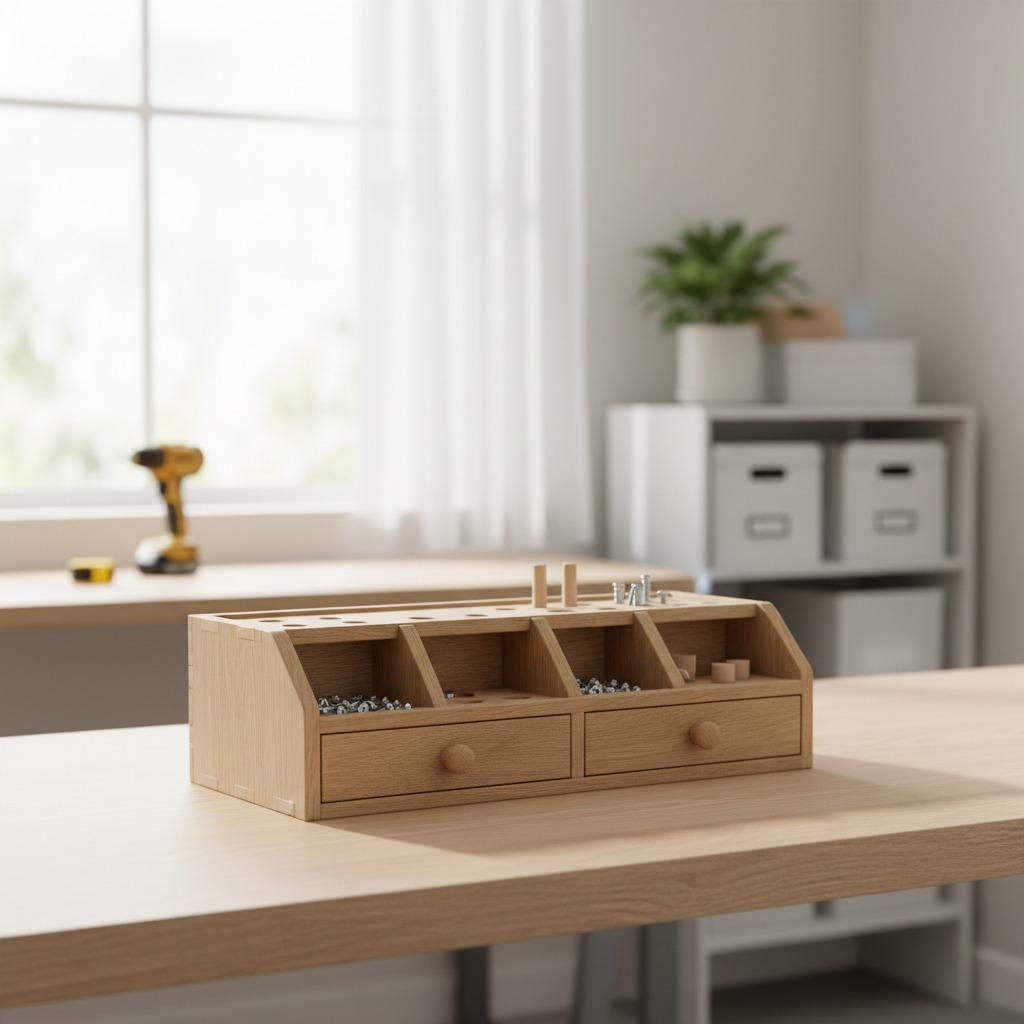
Why are cabinet screws, which seem simple, such a headache?
Phillips head screws are a seemingly insignificant detail in hardware, yet they determine the success or failure of assembling panel furniture. Theoretically, a screw is just a screw. However, in practice, the screw head style, drive method, thread specification, and compatibility with the board material all affect assembly speed, the risk of stripping, and the final product's aesthetics. For furniture manufacturers, OEM buyers, and purchasing teams, choosing screws is not merely a matter of price; more importantly, it's about the screw's performance in repetitive assembly, panel alignment, and meeting the actual needs of furniture production.
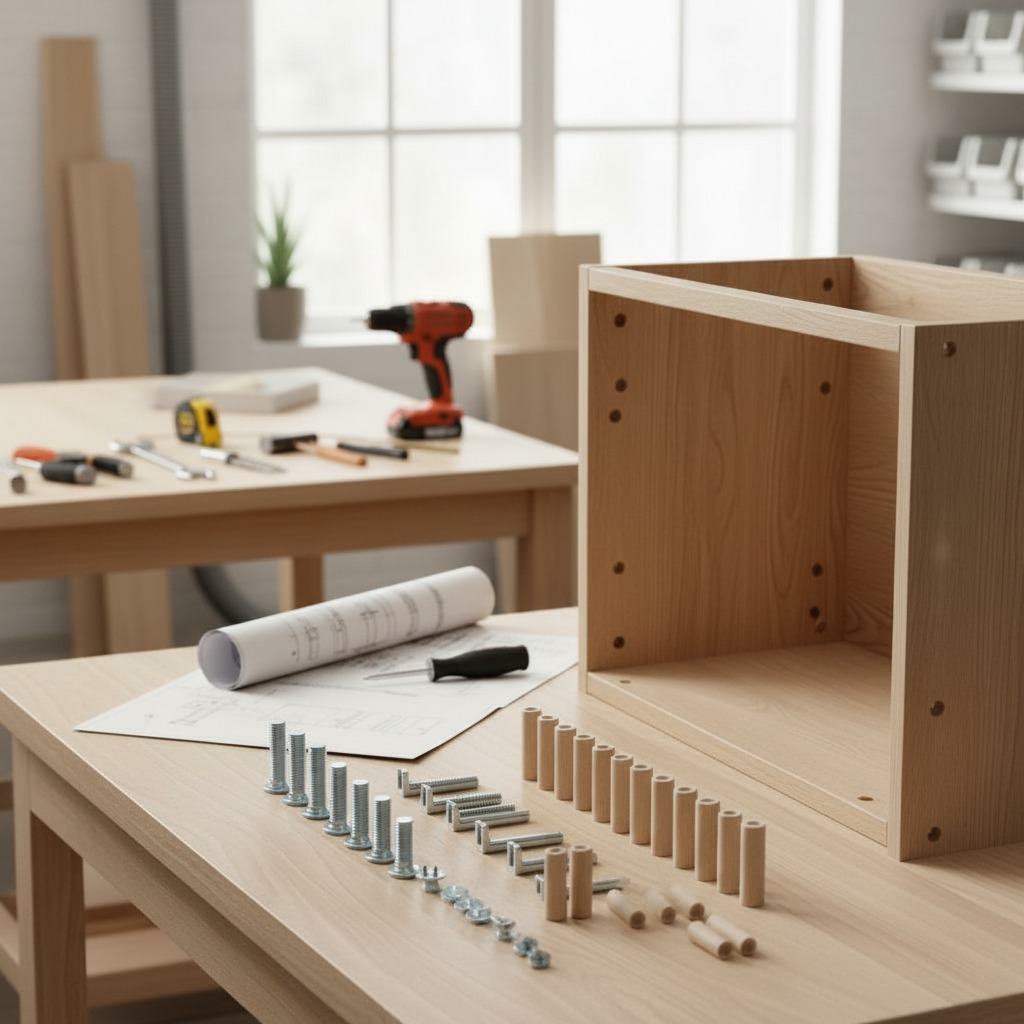
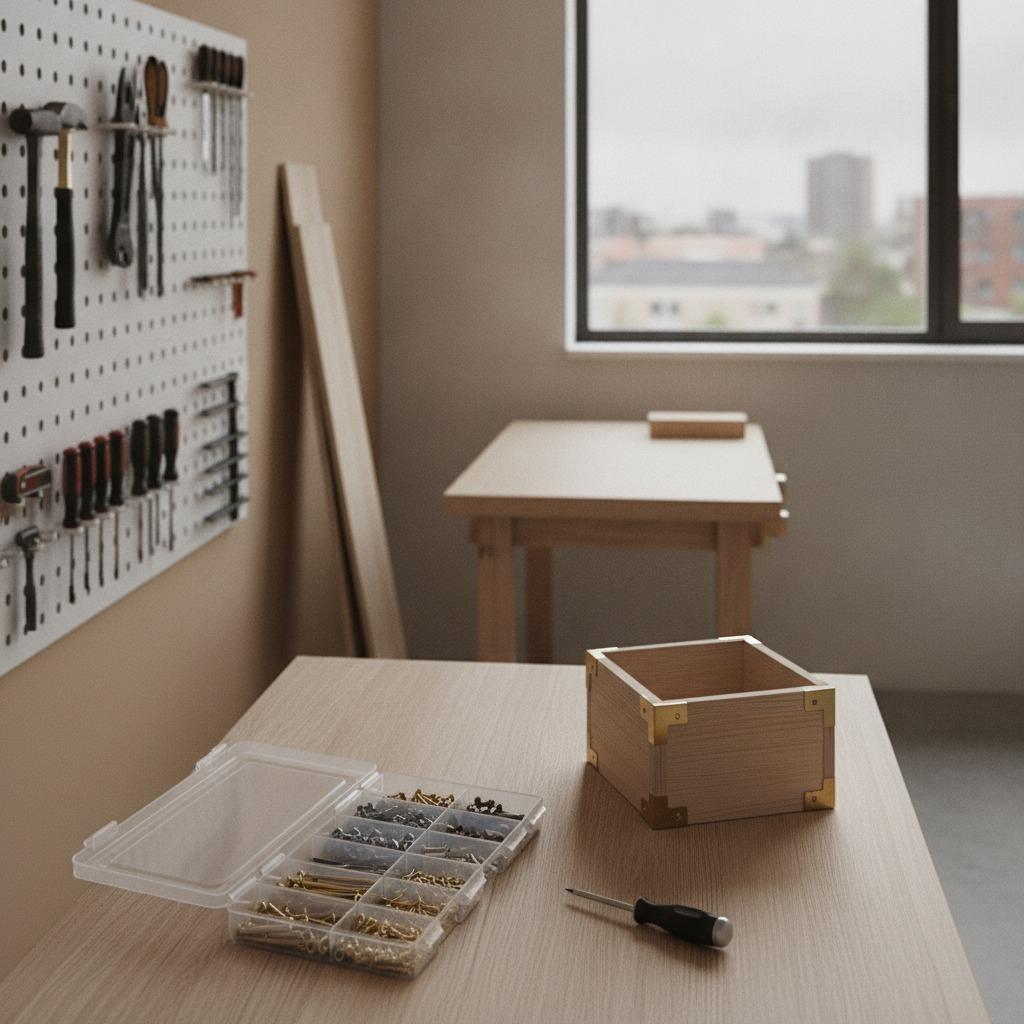
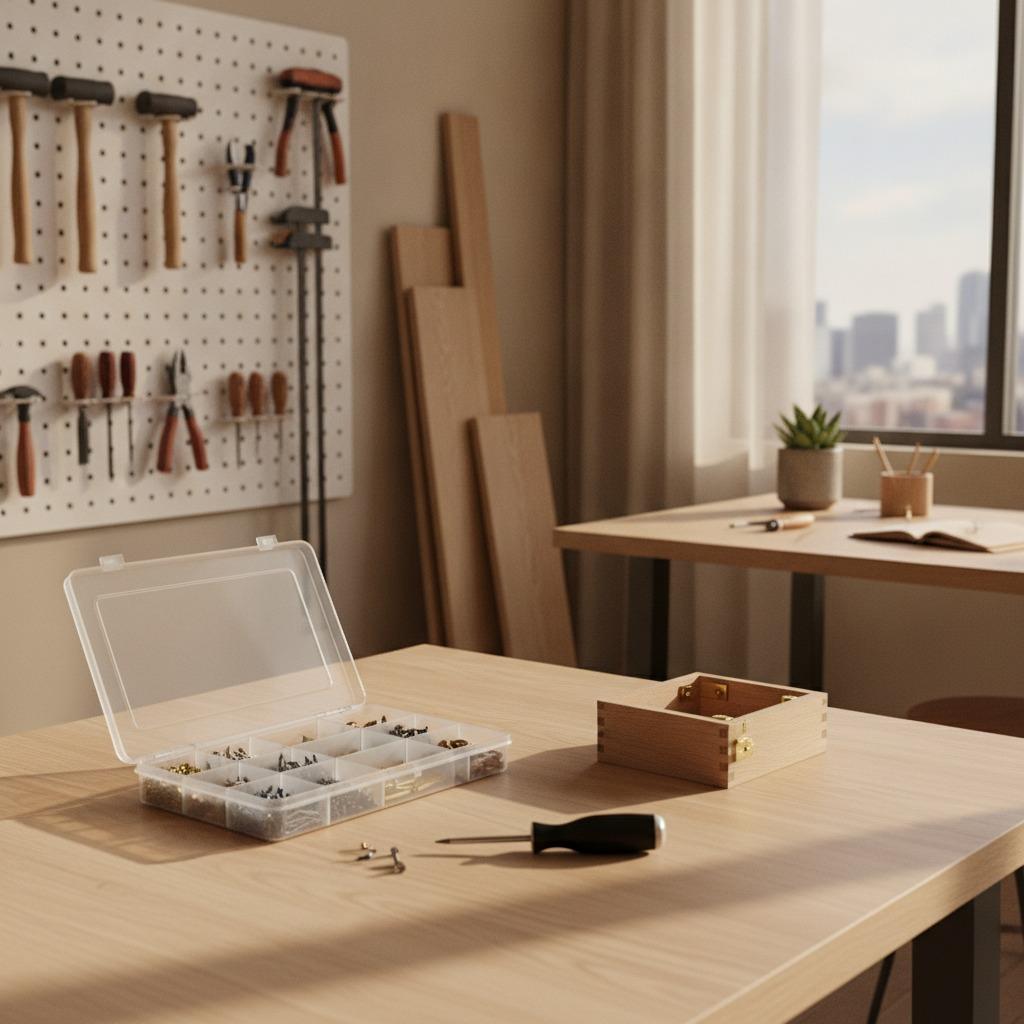
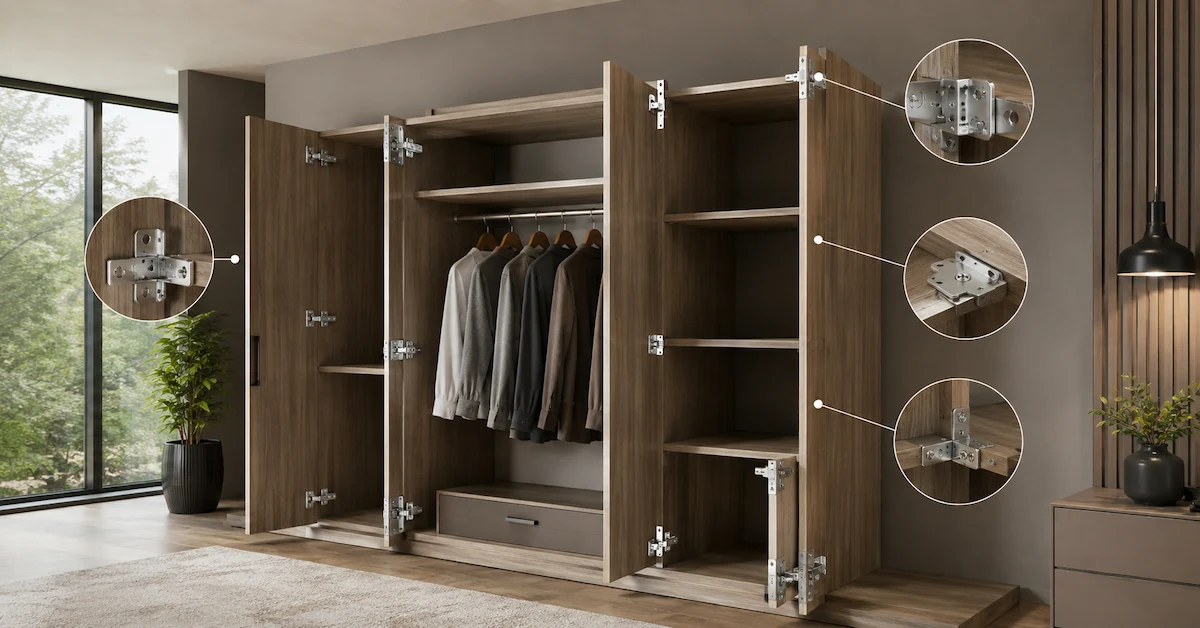
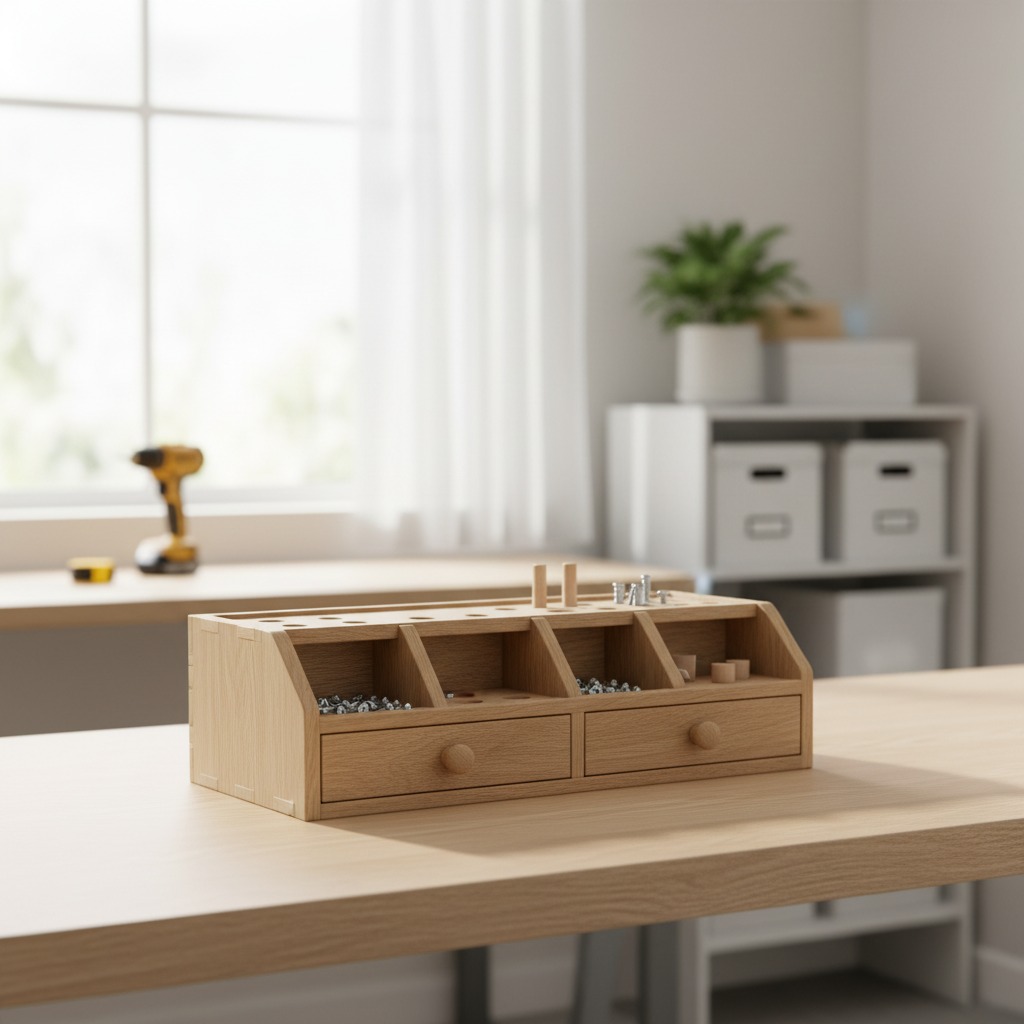
Images of cabinets and hardware packages commonly found in assembled furniture often present a similar pattern: pre-drilled panels, wooden dowels, cam locks, washers, and various screws for different connection methods. This configuration illustrates an important message: cabinet assembly is rarely accomplished with just one type of fastener. Phillips head cabinet screws are perhaps the most common choice, but they are only part of a broader system that may also include machine screws, self-tapping cabinet screws, and even square head cabinet screws, depending on the substrate and connection design.
What are the advantages and disadvantages of Phillips drives?
Almost all installers are familiar with Phillips head screwdrivers. This familiarity is crucial in the production line and final assembly stages, especially when assembling cabinets using basic hand tools or cordless drills. It is readily available, easily identifiable, and generally compatible with common screwdriver bits already present in the factory or repair kit.
However, while the cross-shaped groove makes screws easier to use, it can also easily cause stripping if the operator applies too much force or doesn't coordinate properly. This is one of the reasons why many buyers compare star-shaped screws and square-head screws. Square-head screws generally engage the screwdriver tip better, reducing slippage, especially when repeatedly assembling furniture. If the goal is to improve productivity or reduce screw stripping during on-site installation, then one should break with habit and find alternative solutions.
Where would be the best place for them to go?
Phillips head screws are suitable for general cabinet assembly and repair work, as well as projects where existing tools primarily use Phillips head screwdrivers. They are also very practical for buyers looking for an easily identifiable standard fastening solution for installation teams with varying skill levels.
The type of screw should match the structure of the cabinet, not just the shape of the screw head.
The board material behind the screws is more important than what's shown on many purchasing lists. Cabinets made of plywood, MDF, particleboard, or similar wood-based panels don't all perform the same way. Self-tapping screws might be suitable for some structures, but too aggressive in others. With panel furniture, repeated assembly can lead to risks such as cracking, fiber crushing, or loosening.
Machine screws are used when cabinet designs incorporate threaded inserts, retaining nuts, or metal hardware requiring machine-threaded fasteners. This is common in modular components, drawer systems, and parts designed for easy disassembly, transport, or maintenance. In contrast, wood paneling is typically joined using wood screws, interlocking links, or cam/pin systems, rather than purely machine-threaded fasteners.
The hardware found in many flat-pack kits—dowels, washers, gaskets, and cam locks—reveals a broader truth: cabinet fastening is actually a systemic issue. A single type of screw cannot solve problems with poorly positioned holes or panel design flaws.
Before you specify the cabinet screws, quickly check the buyer's specifications.
First, determine the material and thickness of the panel. Then, check whether the connections are permanent, semi-permanent, or removable on-site. If the rack uses pre-drilled holes, confirm the hole type and whether the screws are self-tapping or require engagement with pre-prepared interfaces.
In addition, surface finish requirements must be considered. For exposed furniture, the appearance of screw heads may be more important than buyers expect, especially when fasteners are close to the inside or only covered by a small cap. This is one reason why some assemblers retain slotted cabinet screws for older designs, even when new designs tend to use different drive mechanisms. This choice is often less about personal preference and more about compatibility with existing hardware, tools, and repair parts.
Common mistakes in cabinet fastening
A common mistake is assuming that screws that look sturdier are necessarily better. In wood-based panels, oversized screws can actually damage the material, rather than improve the fit. Another common error is mixing screw types from different product lines without checking tool compatibility. The production team might tolerate this, but field installers usually won't.
Another practical tip: If cabinets rely on cam locks and wooden dowels for fastening, screws only play a partial role. Even if the screws themselves are secure, incorrect drilling positions, improper hole depth, or inconsistent fastener arrangement can all cause the cabinet to loosen. While the quality of the hardware is important, the standardization of the assembly process is equally crucial.
What questions should the procurement team ask suppliers?
For fastener suppliers like Jiangmen Jinhe Hardware Co., Ltd., the key questions are simple: What materials do they use? What standards do they follow? Can they provide the drive type and thread specifications actually required for the furniture design? The company states that they produce machine screws, self-tapping screws, miniature screws, and precision screws in stainless steel, iron, and aluminum, conforming to standards such as GB, DIN, ANSI, BS, JIS, and ISO. This broad product line is especially important if buyers need to build mixed fastener combinations for furniture, appliances, or related hardware.
For cabinet buyers, consistency in quality is even more important. They should inquire about how the screws are inspected, whether there are relevant documents, and whether the packaging facilitates orderly assembly. In flat-pack products, misplacing a bag of screws can bring the entire production line to a halt.
Practical Selection Points
If you need a familiar and easy-to-understand option, Phillips head screws remain a practical and basic choice. If assembly speed, screwdriver hold, or maintainability are issues, compare them to star or square head screws. If your design uses inserts or fixed hardware, machine-grade screws may be a better option. If you are using particleboard or medium-density fiberboard (MDF), make sure the self-tapping screws you use are truly designed for that material, and not just for convenience.
For furniture OEM manufacturers and purchasing managers, the next step is simple: draw up a cabinet assembly diagram, confirm the substrate material, and request a set of fastener samples that match the actual assembly sequence. This simple step often reveals more information than a specification sheet.