

What Buyers Really Need from a Self-Tapping Screw Supplier
When engineers or purchasing teams look for a self-tapping screw supplier, they are rarely just trying to buy “a screw.” What they really want is a fastening solution that works cleanly in the actual application.
The screw needs to bite properly. It must hold the material firmly. It should not slow down the production line, damage the substrate, strip during installation, or create future corrosion problems. That sounds simple on paper. In real assembly work, it is not.
A self-tapping screw used for drywall, light metal, wood panels, furniture components, or thin sheet materials must match the base material, installation tool, surface environment, and expected holding strength. The wrong choice can lead to loose joints, damaged threads, installation delays, rejected batches, or customer complaints after delivery.
That is why a good supplier does more than provide a long product catalog. A reliable self-tapping screw manufacturer helps buyers confirm the right screw type, material, coating, head style, drive recess, packaging method, and inspection requirements before mass production begins.
Why Screw Type Matters in Real Applications
Self-tapping screws are designed to create or form their own thread as they are driven into a material. In many applications, this helps reduce extra drilling or tapping steps. For drywall installation, light construction, wood connection, furniture assembly, and thin material fastening, this can save labor and improve installation speed.
However, buyers should not treat all self-tapping screws as the same.
Some screws are designed for wood or particleboard. Some are made for thin metal. Some are better suited for plastic. Others may look similar in photos but perform very differently during installation.
The visible features matter:
- Point type
- Thread profile
- Screw diameter
- Screw length
- Head style
- Drive recess
- Surface coating
- Material hardness
- Packaging and batch consistency
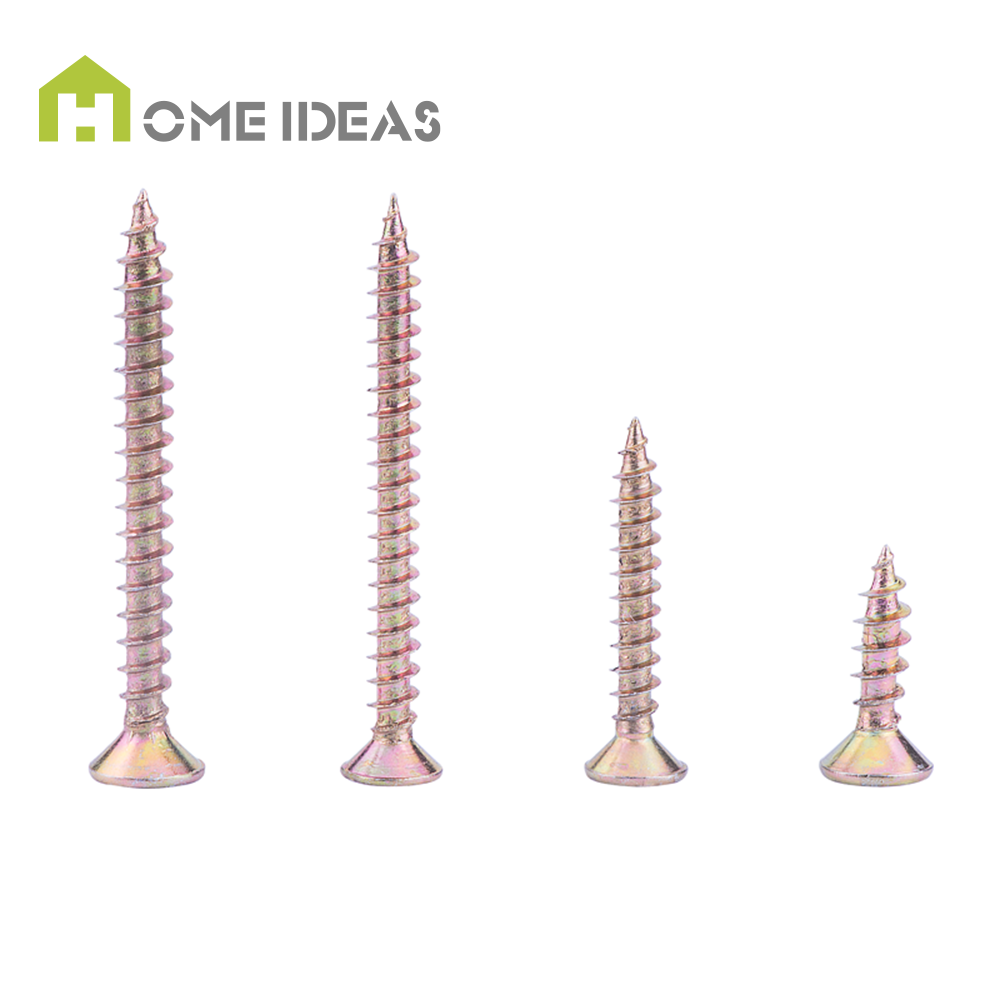
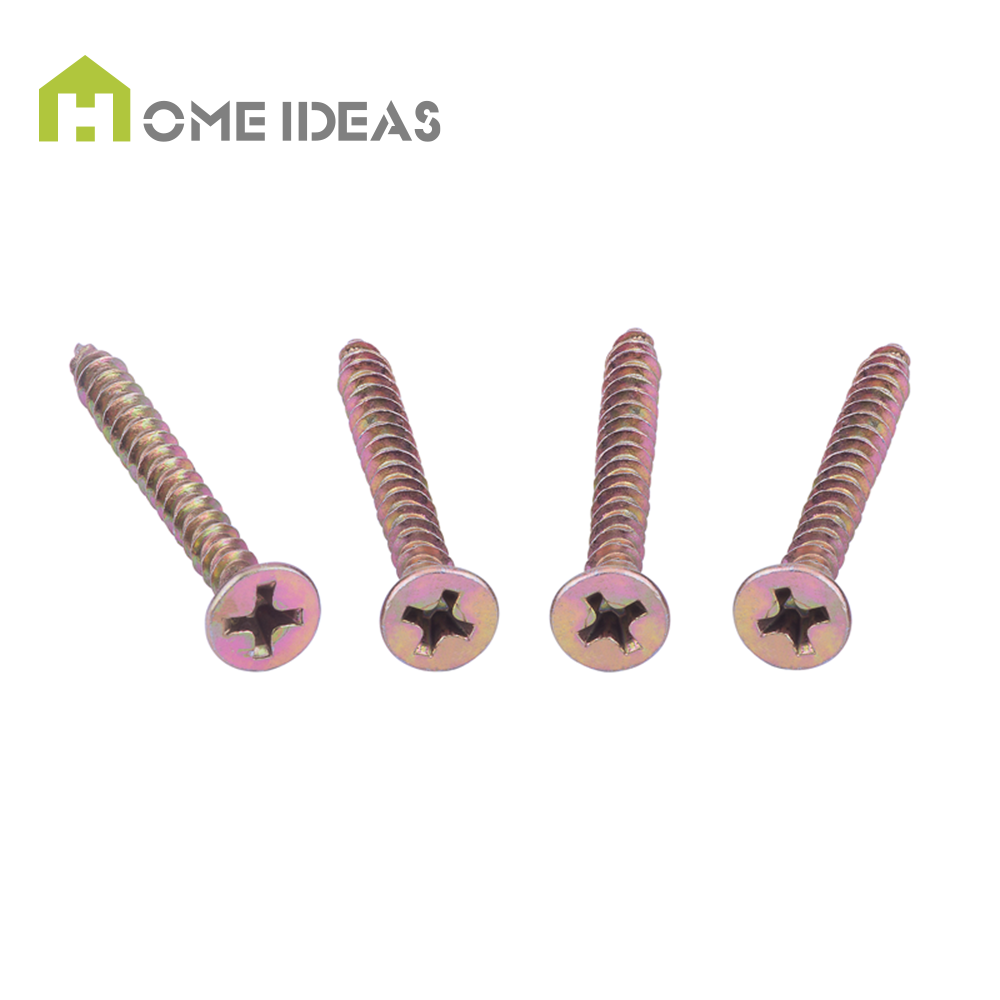
A pointed screw with coarse threads, a flat or countersunk head, and a Phillips drive may be suitable for many general fastening applications. But whether it works well depends on the actual material being fastened.
For example, a screw that performs well in drywall may not be the best option for thin steel. A screw that grips well in wood may not perform the same way in plastic. A screw that looks strong may still strip if the thread design does not match the substrate.
This is where supplier experience becomes important.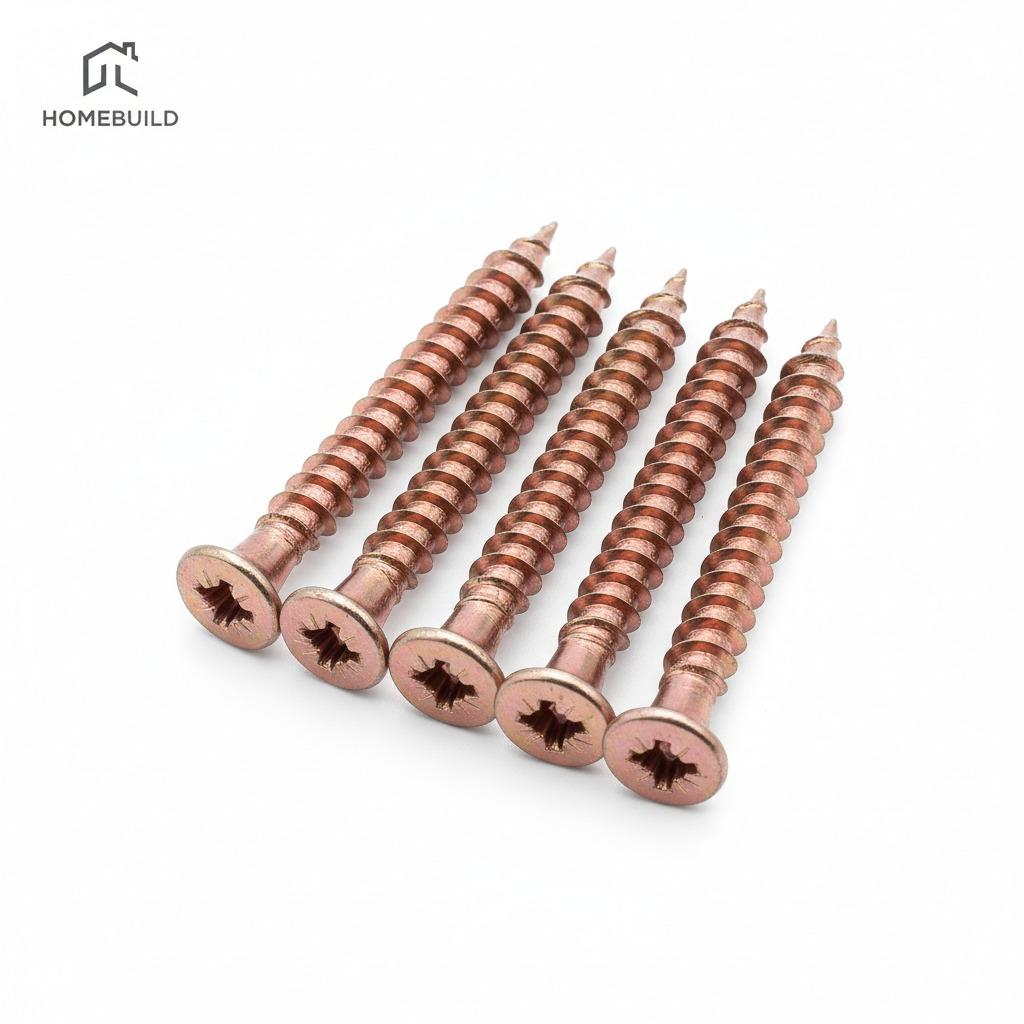
Self-Tapping Screws vs. Self-Drilling Screws vs. Machine Screws
Many buyers use these terms loosely, but they are not the same. Understanding the difference helps prevent costly purchasing mistakes.
Self-Tapping Screws
Self-tapping screws are designed to create threads as they are installed. They are commonly used when the material can accept thread formation or thread cutting without needing a pre-tapped hole.
They are often chosen because they are fast, practical, and suitable for assembly environments where reducing extra operation steps matters.
Common applications include:
- Wood fastening
- Furniture assembly
- Plastic components
- Drywall and light construction
- Thin sheet material fastening
- General hardware installation
Self-Drilling Screws
Self-drilling screws go one step further. They combine drilling and fastening in one operation. Their drill-point tip helps penetrate the material before the thread engages.
This can be a major advantage in production or construction, especially when fastening into metal. But not every screw labeled as “self-drilling” performs the same way. Drill point geometry, material hardness, coating quality, and substrate thickness all affect performance.
A buyer should never select a self-drilling screw only from a catalog image. The correct question is: what material and thickness will it be used on?
Machine Screws
Machine screws usually require a pre-tapped hole or a matching nut. They are often used for more precise assemblies where controlled thread engagement is required.
They can be excellent for machinery, electronics, equipment, and precision components. But for fast construction or loose assembly environments, they may require more preparation work than self-tapping or self-drilling screws.
What Buyers Should Check Before Choosing a Self-Tapping Screw
A purchasing team should not only compare unit price. The real cost of a screw includes installation speed, defect rate, tool wear, product failure risk, packaging efficiency, and reorder stability.
Here are the main points buyers should confirm.
1. Base Material Compatibility
The first question is simple: what material will the screw go into?
Different materials need different thread designs and point types.
For example:
| Base Material | Key Requirement | Common Concern |
|---|---|---|
| Wood | Strong bite and split resistance | Loose holding or cracking |
| MDF / particleboard | Good thread grip | Stripping and weak pull-out resistance |
| Drywall | Fast installation | Head damage or poor hold |
| Thin metal | Correct point and hardness | Poor penetration or tool wear |
| Plastic | Controlled thread forming | Cracking or over-tightening |
| Light construction materials | Speed and consistency | Installation failure on site |
A good supplier should ask about the base material before recommending a screw.
2. Head Style
The head style affects the final appearance, load distribution, and installation result.
Common options include:
- Flat head
- Pan head
- Countersunk head
- Wafer head
- Truss head
- Hex washer head
If the screw needs to sit flush, a countersunk or flat head may be required. If wider load distribution is needed, a washer or truss head may be better.
This is not just a design detail. A wrong head style can affect assembly quality and customer perception.
3. Drive Type
The drive recess must match the installation tool and torque requirement.
Common drive types include:
- Phillips
- Pozidriv
- Torx
- Hex socket
- Slotted
- Combination drive
For high-volume production, drive engagement is extremely important. Poor drive fit can cause cam-out, tool wear, slow installation, and damaged screw heads.
If a buyer is using automatic or semi-automatic installation tools, this point becomes even more important.
4. Thread Design
Thread design determines how the screw engages with the material.
Buyers should consider:
- Thread pitch
- Thread depth
- Thread angle
- Single or twin thread
- Coarse or fine thread
- Cutting or forming thread
A screw that looks aggressive may not always be better. The right thread should match the material density and installation requirement.
For furniture and wood-based panels, thread holding strength is often more important than appearance. For thin metal, thread forming and hardness matter more.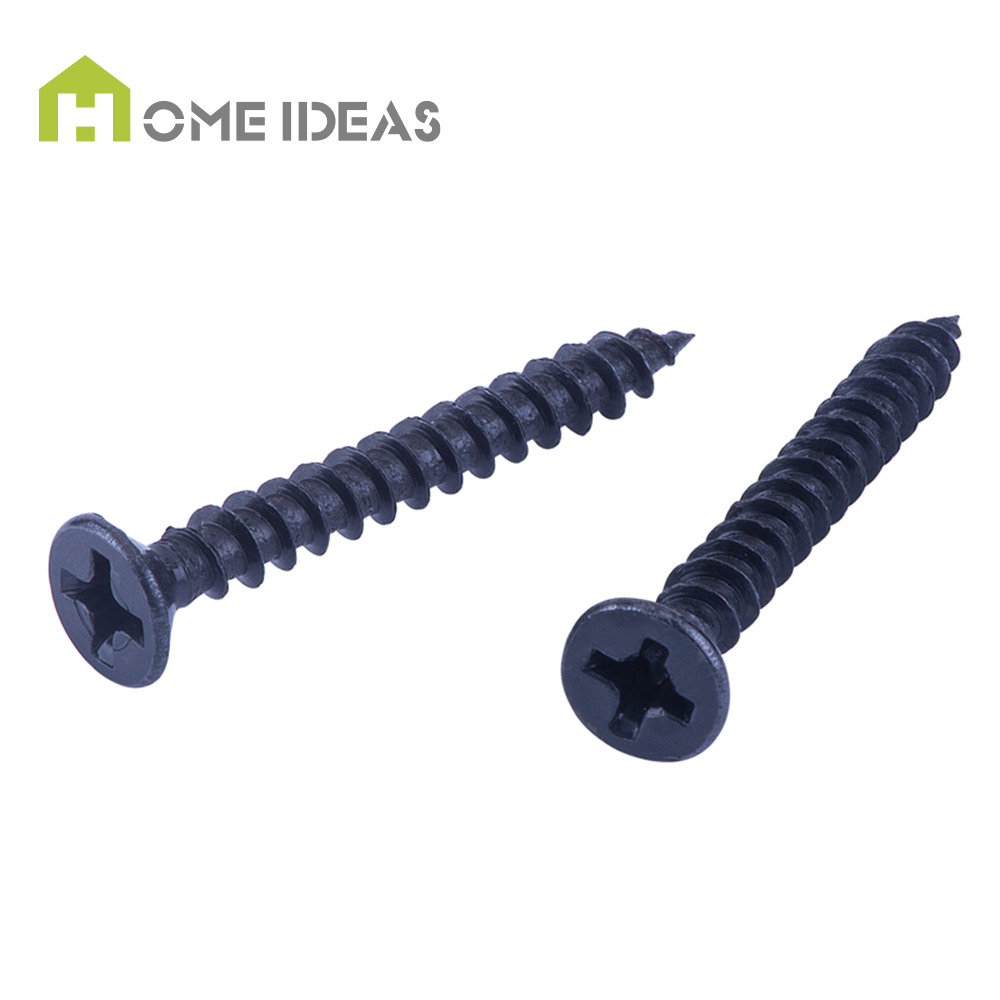
5. Surface Treatment and Corrosion Resistance
The coating should match the storage and use environment.
Common surface treatments include:
- Zinc plating
- Yellow zinc plating
- Nickel plating
- Black oxide
- Phosphate coating
- Stainless steel finish
- Custom coating
A yellow or gold-colored finish is often used for general corrosion resistance and visual identification. However, buyers should not judge coating performance by color alone.
Important questions include:
- Will the screw be used indoors or outdoors?
- Will it be exposed to humidity?
- Will it be stored for a long time before use?
- Is appearance important after installation?
- Does the project require salt spray testing or a specific coating standard?
A reliable self-tapping screw supplier should be able to explain what the coating can and cannot do.
6. Manufacturing Consistency
Self-tapping screws are commonly made through cold heading, thread rolling, heat treatment, and surface finishing.
The manufacturing process affects:
- Head shape consistency
- Thread accuracy
- Drive recess quality
- Screw straightness
- Tip sharpness
- Installation stability
- Batch-to-batch repeatability
A high-quality screw is not only sharp or shiny. It should be consistent.
In production, consistency is what prevents unexpected installation problems. If one batch works well and the next batch strips, jams, or breaks, the buyer loses more than the value of the screws.
What a Reliable Self-Tapping Screw Supplier Should Provide
A serious B2B buyer usually needs more than products. They need support throughout the purchasing and production process.
A good supplier should provide:
- Clear product specifications
- Material confirmation
- Surface treatment details
- Size and tolerance information
- Samples for testing
- Packaging options
- Inspection support
- Batch consistency
- Export documentation
- Stable communication
- Custom screw production when needed
For OEM projects, this becomes even more important. A small screw may be part of a much larger product system. If the fastener fails, the entire product may be affected.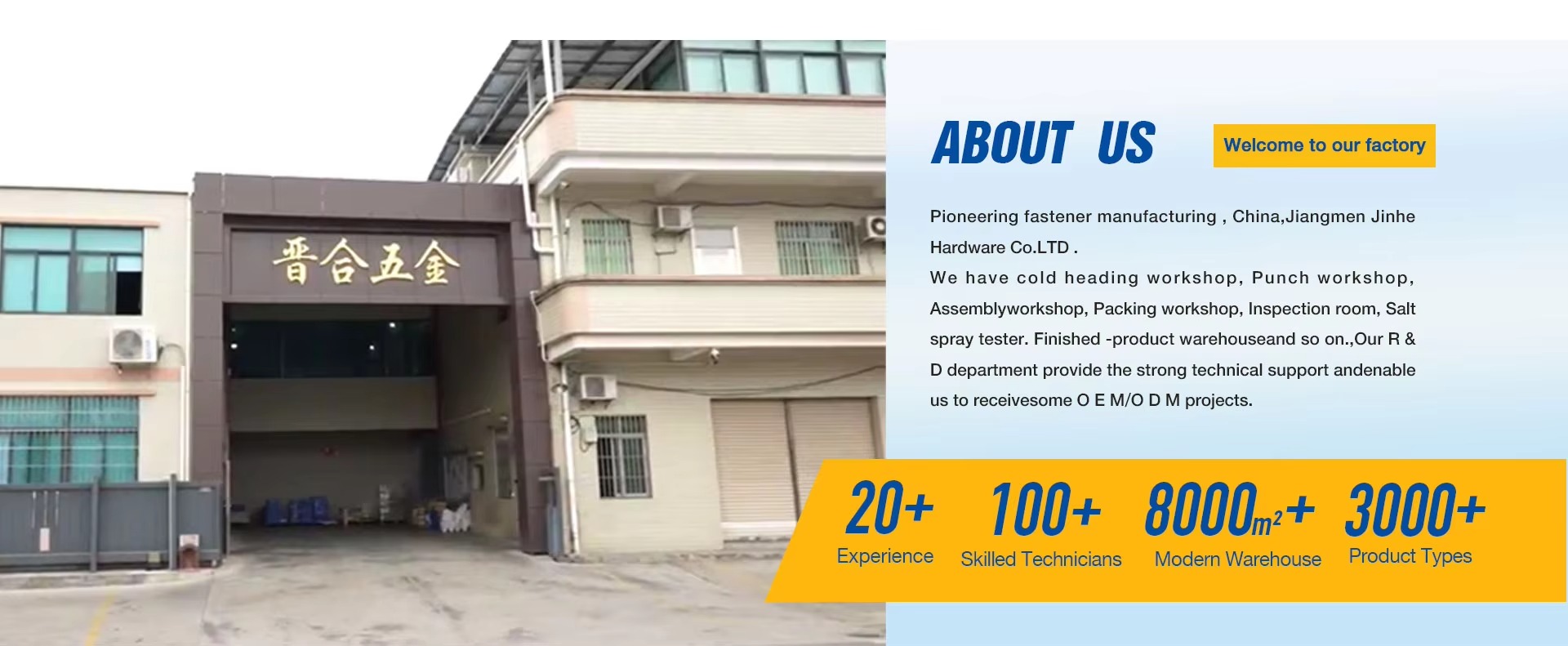
Common Mistakes Buyers Make When Sourcing Self-Tapping Screws
Mistake 1: Choosing Screws Only by Appearance
A screw may look correct in a sample photo but fail in the real material.
Photos cannot show thread engagement, torque performance, coating durability, or pull-out resistance. Buyers should always test samples in the actual assembly environment.
Mistake 2: Confusing Self-Tapping and Self-Drilling Screws
Self-tapping screws and self-drilling screws are not interchangeable in every application.
If the screw needs to drill through metal, a self-drilling screw may be required. If the screw only needs to form threads in a softer material, a self-tapping screw may be enough.
The wrong choice can cause poor engagement, damaged tools, slow installation, or weak fastening.
Mistake 3: Ignoring Packaging Until the End
Packaging is often treated as a minor issue. That is a mistake.
For distributors, e-commerce sellers, furniture manufacturers, and construction hardware buyers, packaging affects inventory control, installation efficiency, branding, and customer experience.
A reliable supplier should be able to support:
- Bulk packaging
- Small bag packaging
- Box packaging
- Blister packaging
- Hardware kits
- Private label packaging
- Barcode labels
- Custom quantities per pack
The screw itself matters. But the way it reaches the production line or end user matters too.
Mistake 4: Buying Only on Price
Low unit price can become expensive if the screws create production problems.
A better purchasing decision should consider:
- Installation speed
- Defect rate
- Rework cost
- Tool wear
- Coating stability
- Delivery reliability
- Documentation support
- Supplier communication
A cheap screw that causes assembly delays is not cheap.
Questions to Ask Before Placing an Order
Before confirming a self-tapping screw order, buyers should ask practical questions:
- What base material is this screw designed for?
- Is the screw suitable for wood, drywall, plastic, thin metal, or furniture panels?
- What material is the screw made from?
- What surface treatment is used?
- Is the coating suitable for the storage and application environment?
- What drive type is recommended?
- What installation tool or torque range should be used?
- Can the supplier provide samples before mass production?
- Can the supplier support inspection documents?
- What packaging options are available?
- Can the supplier maintain consistent quality for repeat orders?
- Can the screw be customized according to drawing or sample?
These questions may seem basic, but they separate a simple screw seller from a real fastener supplier.
Where Jiangmen Jinhe Hardware Fits in the Supply Chain
Jiangmen Jinhe Hardware Products Co., Ltd. is a fastener and hardware manufacturer based in Jiangmen, Guangdong, China. The company supplies machine screws, self-tapping screws, miniature screws, precision screws, nuts, furniture hardware, and customized fastener products for different industrial and commercial applications.
Its product range covers materials such as stainless steel, carbon steel, iron, aluminum, and other customized materials according to project requirements. Products can be manufactured according to common international standards such as GB, DIN, ANSI, BS, JIS, and ISO, depending on the buyer’s specification.
For buyers looking for a self-tapping screw supplier, this type of manufacturing capability is useful because it supports both standard fastener sourcing and customized screw production.
The company’s products are used in industries such as:
- Furniture manufacturing
- Building materials
- Electronics
- Automation equipment
- Medical devices
- Hardware distribution
- DIY hardware kits
- General industrial assembly
For B2B buyers, the value is not only in the screw itself. It is also in the ability to support product selection, production consistency, inspection, packaging, and export supply.
Why Supplier Capability Matters More Than a Product List
Many fastener suppliers can show similar-looking screws. Fewer suppliers can help buyers avoid problems before production starts.
A good self-tapping screw supplier should understand:
- How the screw will be installed
- What material it will fasten into
- Whether the head needs to sit flush
- Whether corrosion resistance is required
- Whether the screw will be packed in bulk or kits
- Whether the buyer needs long-term repeat supply
- Whether the project requires custom dimensions or packaging
This is especially important for furniture manufacturers, hardware wholesalers, construction suppliers, and e-commerce sellers. These buyers cannot afford constant specification changes, unclear packaging, late shipments, or inconsistent quality.
The best supplier is not always the one with the lowest quote. It is the one that helps the buyer reduce risk.
Applications of Self-Tapping Screws
Self-tapping screws are widely used across different industries because they simplify assembly and reduce preparation work.
Common applications include:
Furniture Assembly
Used for wooden panels, MDF, particleboard, cabinets, wardrobes, office furniture, and flat-pack furniture.
Key buyer concerns:
- Strong holding power
- Reduced stripping
- Clean installation
- Compatibility with furniture hardware kits
Drywall and Light Construction
Used for fixing drywall panels, light framing, and interior building materials.
Key buyer concerns:
- Fast installation
- Sharp point
- Stable coating
- Proper head design
Thin Metal Fastening
Used for light metal sheets, brackets, enclosures, and structural components.
Key buyer concerns:
- Correct point type
- Screw hardness
- Thread engagement
- Tool compatibility
Plastic Component Assembly
Used in appliance parts, electronic housings, plastic panels, and molded components.
Key buyer concerns:
- Controlled thread forming
- Reduced cracking
- Stable torque performance
Hardware Kits and Retail Packaging
Used in DIY repair kits, furniture installation kits, screw assortment boxes, and e-commerce hardware products.
Key buyer concerns:
- Accurate quantity
- Clear labeling
- Attractive packaging
- Easy end-user identification
FAQ: Self-Tapping Screw Supplier and Product Selection
Are self-tapping screws only used for drywall?
No. Self-tapping screws can be used in drywall, wood, plastic, furniture panels, thin metal, and other materials. The final suitability depends on the screw design, material, coating, and installation conditions.
Should buyers specify self-tapping or self-drilling screws?
Yes. If the application requires the screw to drill through the material, a self-drilling screw may be needed. If the screw only needs to form or cut threads in a softer material, a self-tapping screw may be suitable.
What information should I send to a screw supplier?
You should provide the screw size, material, drawing or sample, application material, surface treatment requirement, head type, drive type, packaging method, quantity, and any testing or documentation requirements.
Can self-tapping screws be customized?
Yes. A capable screw manufacturer can customize size, material, head style, drive type, thread design, coating, packaging, and private-label requirements based on the buyer’s project.
How do I know whether the coating is suitable?
You need to confirm the storage environment, final use environment, corrosion resistance requirement, and whether any specific test standard is needed. Color alone is not enough to judge coating performance.
Why is sample testing important?
Sample testing allows buyers to check installation performance, holding strength, drive engagement, appearance, and coating suitability before placing a bulk order.
Final Advice for Buyers
When comparing self-tapping screw suppliers, do not start with price alone. Start with the application.
Confirm the base material. Check the screw geometry. Review the coating. Test samples in the real assembly environment. Make sure the supplier can support inspection, packaging, documentation, and repeat orders.
A good screw supplier helps you buy the right fastener. A better one helps you avoid production problems before they happen.
If you are sourcing self-tapping screws, self-drilling screws, furniture screws, or custom fasteners for manufacturing, distribution, or hardware kits, Jiangmen Jinhe Hardware can support product selection, sample testing, custom production, packaging, and export supply. Contact the team to discuss your application and request a quotation.